
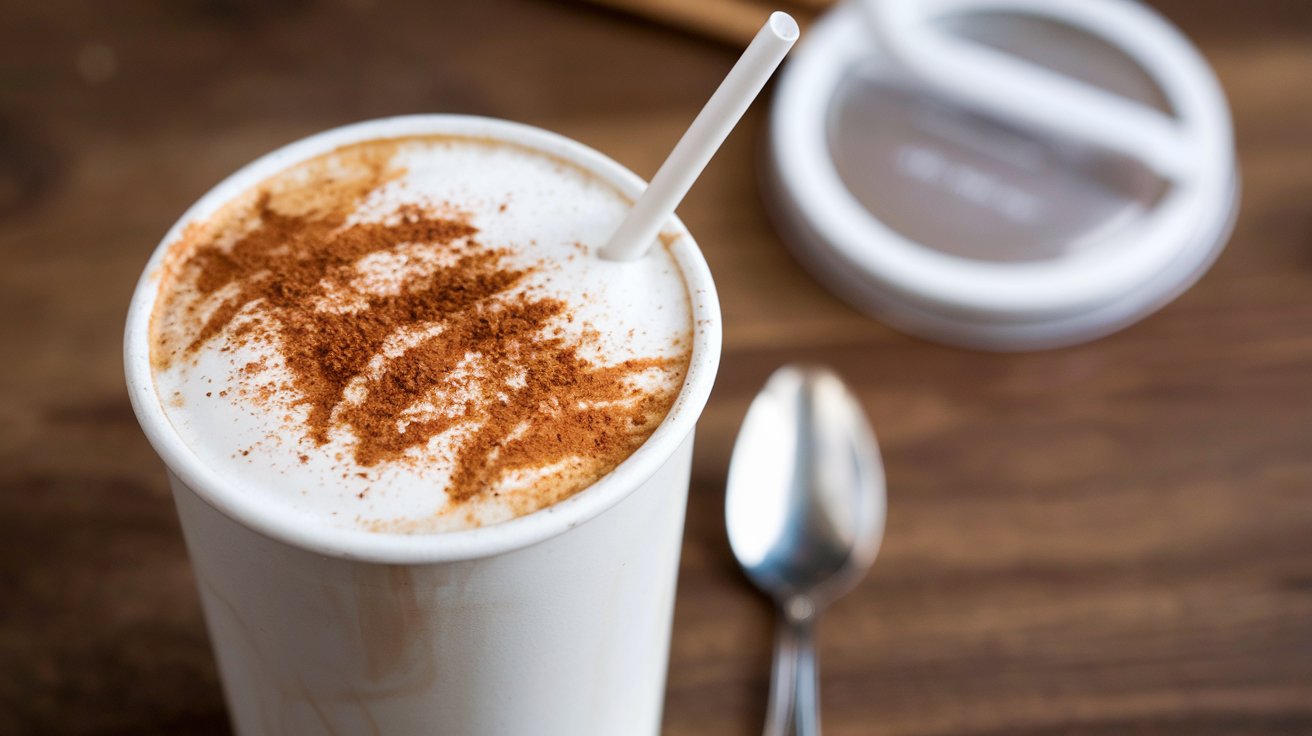
Yes, chai lattes do contain caffeine because they are made with black tea, which naturally contains caffeine. A typical 16-ounce chai latte contains between 50-70 mg of caffeine, significantly less than coffee but enough to provide a gentle energy boost. The exact amount varies depending on the brand, preparation method, and size you choose, making it essential to understand the differences across popular chains like Starbucks, Dunkin’, and Dutch Bros in 2026.
How Much Caffeine Is in a Chai Latte
The caffeine content in chai lattes varies significantly based on serving size and preparation method. A standard 12-ounce chai latte contains approximately 50 mg of caffeine, while a 16-ounce (grande) serving typically has 70-95 mg. The caffeine comes exclusively from the black tea used in the chai concentrate, not from coffee beans. In 2026, most American coffee shops use standardized chai concentrates that maintain consistent caffeine levels across servings.
When you order a chai latte, you are essentially getting a mixture of chai tea concentrate mixed with steamed milk. The tea concentrate itself contains the caffeine, and the amount depends on how strong the concentrate is and how much is used per serving. Unlike coffee, where brewing methods dramatically affect caffeine extraction, chai lattes have more predictable caffeine amounts because they use pre-made concentrates. A venti 20-ounce chai latte will contain roughly 120 mg of caffeine, making it a moderate-caffeine beverage choice.
Caffeine Content at Major Coffee Chains
Understanding the specific caffeine levels at different chains helps you make informed decisions about your chai latte consumption in the United States.
Does Chai Latte Have Caffeine at Starbucks
Starbucks chai tea lattes contain caffeine levels that vary by size. A tall (12 oz) Starbucks chai latte has 70 mg of caffeine, a grande (16 oz) contains 95 mg, and a venti (20 oz) delivers 120 mg of caffeine. Starbucks uses Tazo chai concentrate, which is made with black tea as the primary ingredient. In 2026, Starbucks has maintained these standardized measurements across all United States locations, ensuring consistency in your caffeine intake regardless of which store you visit. The iced chai latte at Starbucks contains the same amount of caffeine as the hot version for equivalent sizes.
Does Chai Latte Have Caffeine at Dunkin’
Dunkin’ chai lattes contain slightly different caffeine amounts compared to Starbucks. A small (10 oz) Dunkin’ chai latte has approximately 60 mg of caffeine, a medium (14 oz) contains 80 mg, and a large (20 oz) provides 100 mg. Dunkin’ uses its proprietary chai blend, which tends to be slightly less concentrated than competitors. Throughout 2026, Dunkin’ has focused on providing a smoother, less intense chai flavor profile, which results in marginally lower caffeine content. The frozen chai drinks at Dunkin’ maintain similar caffeine levels to their hot counterparts.
Does Chai Latte Have Caffeine at Dutch Bros
Dutch Bros chai lattes deliver caffeine through their signature chai concentrate. A small (16 oz) Dutch Bros chai contains approximately 85 mg of caffeine, a medium (24 oz) has 127 mg, and a large (32 oz) provides 170 mg. Dutch Bros serves notably larger sizes than most competitors, which significantly increases the total caffeine per serving. Their chai is made with black tea and includes a proprietary spice blend. In 2026, Dutch Bros has expanded to over 800 locations across the United States, maintaining consistent caffeine standards. Their iced and blended chai drinks contain the same caffeine as hot versions when ordered in the same size.
Does Chai Latte Have Caffeine Compared to Coffee
When comparing chai latte caffeine vs coffee, coffee consistently contains significantly more caffeine per ounce. A standard 16-ounce brewed coffee contains 190-330 mg of caffeine, while a 16-ounce chai latte contains only 70-95 mg. This means coffee delivers approximately 2.5 to 4 times more caffeine than a chai latte of the same size. For individuals sensitive to caffeine or looking to reduce their intake, chai lattes offer a gentler alternative to coffee while still providing a noticeable energy boost.
The caffeine in chai also absorbs differently in your body compared to coffee. Black tea contains L-theanine, an amino acid that promotes relaxation and reduces the jittery effects often associated with caffeine. This creates a smoother, more sustained energy release rather than the sharp spike and crash pattern common with coffee consumption. In 2026, health-conscious Americans increasingly choose chai lattes specifically for this balanced caffeine delivery. Additionally, the milk in chai lattes further moderates caffeine absorption, making it easier on your digestive system than black coffee.
What Is a Dirty Chai Latte
A dirty chai is a chai latte with added espresso, significantly increasing its caffeine content. This popular variation combines the spiced flavors of traditional chai with the bold intensity of coffee. A standard dirty chai contains the base chai latte caffeine (70-95 mg for 16 oz) plus one shot of espresso (approximately 75 mg), bringing the total to 145-170 mg of caffeine. For reference, this amount approaches the caffeine level of a regular 16-ounce brewed coffee but with a unique flavor profile.
In 2026, dirty chai lattes have become increasingly popular across United States coffee shops, with many offering double or triple dirty options for maximum caffeine content. A double dirty chai includes two espresso shots, delivering approximately 220-245 mg of caffeine in a 16-ounce serving. This modification appeals to customers who enjoy chai’s aromatic spices but need higher caffeine levels for alertness. The espresso addition also creates a more complex flavor with bitter coffee notes complementing the sweet, spicy chai. Most major chains including Starbucks, Dunkin’, and local cafes can prepare dirty chai lattes upon request, though it may not appear on standard menus.
Does Avalanche Chai Latte Have Caffeine
Yes, Avalanche chai lattes contain caffeine from black tea. Avalanche is a popular chai concentrate brand used in many independent coffee shops and restaurants throughout the United States. A 16-ounce Avalanche chai latte typically contains 70-80 mg of caffeine, similar to other commercial chai concentrates. Avalanche uses a traditional black tea base combined with authentic Indian spices including cinnamon, cardamom, ginger, and cloves. The brand has gained popularity in 2026 for its authentic flavor profile and consistent quality.
When ordering an Avalanche chai at local cafes, the caffeine content depends on dilution ratios used by individual establishments. Some cafes use a higher concentrate-to-milk ratio, which increases caffeine levels, while others dilute it more for a milder taste. If you are monitoring your caffeine intake, it is worth asking baristas about their specific preparation method. Avalanche also offers a decaffeinated chai option, though it is less commonly stocked than the regular version in most United States coffee shops.
Is Chai Tea Latte High in Caffeine
Chai tea lattes are not considered high in caffeine compared to other caffeinated beverages. With 50-120 mg of caffeine depending on size, chai lattes fall into the moderate caffeine category. For context, energy drinks often contain 150-300 mg per serving, pre-workout supplements can have 200-400 mg, and some cold brew coffees exceed 250 mg in a 16-ounce serving. The caffeine in chai lattes provides enough stimulation for alertness without causing the intense jitters or anxiety that high-caffeine beverages can trigger in sensitive individuals.
The moderate caffeine level makes chai lattes an excellent choice for afternoon consumption when you need a gentle energy boost without interfering with sleep later. According to 2026 research from the American Academy of Sleep Medicine, consuming beverages with less than 100 mg of caffeine after 3 PM typically does not disrupt sleep patterns for most adults, making a grande chai latte a reasonable afternoon choice. However, individual caffeine sensitivity varies significantly, and some people may still experience effects from the 70-95 mg found in standard servings. Pregnant women are advised to limit total daily caffeine to 200 mg, meaning a chai latte fits comfortably within recommended guidelines.
Will a Chai Latte Keep You Awake
A chai latte can keep you awake depending on timing and individual sensitivity. The 50-120 mg of caffeine in a chai latte takes approximately 30-60 minutes to reach peak blood concentration and has a half-life of 3-5 hours in the average adult. This means if you consume a grande chai latte (95 mg caffeine) at 4 PM, approximately 47 mg will still be circulating in your system at 9 PM, and 23 mg at 2 AM. For caffeine-sensitive individuals, this residual amount can interfere with falling asleep or reduce sleep quality.
However, chai lattes are less likely to disrupt sleep than coffee due to lower caffeine content and the presence of L-theanine from black tea. This amino acid promotes alpha brain wave activity associated with relaxation, partially counteracting caffeine’s stimulating effects. In 2026, sleep researchers recommend finishing caffeinated beverages at least 6 hours before bedtime for optimal sleep quality. If you typically go to bed at 10 PM, consuming your last chai latte by 4 PM would minimize sleep disruption. Individual factors including age, metabolism, medication use, and regular caffeine consumption patterns significantly affect how chai lattes impact your ability to fall asleep.
Health Benefits and Considerations of Chai Latte Caffeine
The caffeine in chai lattes offers several health benefits when consumed in moderation. Research published in 2026 indicates that moderate caffeine intake (200-300 mg daily) can improve cognitive function, enhance physical performance, and may reduce the risk of certain neurological conditions. The specific caffeine level in chai lattes provides enough stimulation for improved focus and alertness without the excessive intake associated with negative side effects. Additionally, the black tea in chai contains antioxidants called polyphenols that support cardiovascular health and may reduce inflammation.
Beyond caffeine, chai lattes contain beneficial spices with additional health-promoting properties. Ginger aids digestion and has anti-inflammatory effects, cinnamon helps regulate blood sugar levels, and cardamom supports digestive health. However, chai lattes also contain significant calories and sugar, particularly from sweetened concentrates and added milk. A typical 16-ounce chai latte contains 200-240 calories and 30-42 grams of sugar when made with whole milk and standard chai concentrate. In 2026, health-conscious consumers increasingly request modifications such as unsweetened chai concentrate, alternative milks, or reduced pumps of concentrate to lower calorie and sugar content while maintaining the caffeine benefits.
Does Chai Lower Cortisol Levels
The relationship between chai and cortisol levels is complex and depends on multiple factors. While caffeine generally increases cortisol production as part of the stress response, the moderate amount in chai lattes produces a less dramatic spike than high-caffeine beverages. Some research suggests that L-theanine in black tea may help modulate cortisol responses to stress, potentially offsetting some of caffeine’s cortisol-raising effects. However, claiming that chai definitively lowers cortisol would be inaccurate based on current scientific evidence available in 2026.
The spices in chai, particularly cinnamon and ginger, have shown promise in small studies for supporting healthy cortisol regulation. Cinnamon may improve insulin sensitivity, which indirectly supports balanced cortisol rhythms, while ginger has adaptogenic properties that some research associates with stress response modulation. However, these effects are generally subtle and require consistent consumption over time. If you are specifically concerned about cortisol levels, the moderate caffeine in chai lattes is preferable to high-caffeine alternatives, but lifestyle factors such as sleep quality, stress management, and regular exercise have far more significant impacts on cortisol regulation than beverage choices alone.
Does Chai Latte Have Coffee
No, traditional chai lattes do not contain coffee. They are made exclusively from black tea (typically Assam or Ceylon varieties), spices, milk, and sweetener. The confusion often arises because chai lattes are served at coffee shops and have a creamy appearance similar to coffee-based lattes. However, the caffeine content comes entirely from tea leaves, not coffee beans. The word latte simply refers to the preparation method of mixing a concentrated base with steamed milk, which can apply to both coffee and tea beverages.
The exception is the dirty chai mentioned earlier, which specifically adds espresso to a standard chai latte. Unless you specifically request a dirty chai or see it listed on the menu, you can assume your chai latte contains no coffee. In 2026, most United States coffee chains clearly distinguish between coffee-based and tea-based drinks on their menus to avoid confusion. Some customers actually prefer chai lattes specifically because they want the creamy, comforting experience of a latte without consuming coffee. The caffeine from tea provides a different type of energy boost compared to coffee, often described as smoother and less intense, making chai lattes an excellent option for those who find coffee too harsh or acidic.
Related video about does chai latte have caffeine
This video complements the article information with a practical visual demonstration.
Important things to know about does chai latte have caffeine
Is chai tea latte high in caffeine?
No, chai tea lattes are not high in caffeine. A 16-ounce chai latte contains approximately 70-95 mg of caffeine, which is considered moderate compared to coffee’s 190-330 mg in the same size. This makes chai lattes suitable for people seeking alertness without excessive stimulation. The moderate caffeine level also reduces risks of jitters, anxiety, and sleep disruption commonly associated with high-caffeine beverages.
Will a chai latte keep you awake?
A chai latte can keep you awake if consumed too close to bedtime, particularly if you are sensitive to caffeine. The 50-120 mg of caffeine has a 3-5 hour half-life, meaning half remains in your system hours after consumption. However, chai lattes are less likely to disrupt sleep than coffee due to lower caffeine content and L-theanine presence. For best results, finish caffeinated chai lattes at least 6 hours before your planned bedtime to minimize sleep interference.
Is chai latte healthier than coffee?
Chai lattes and coffee offer different health benefits rather than one being universally healthier. Chai lattes contain less caffeine, which reduces anxiety and sleep disruption risks, plus beneficial spices like ginger and cinnamon with anti-inflammatory properties. However, they typically contain more calories and sugar due to milk and sweetened concentrates. Coffee has higher antioxidant content and more robust research supporting metabolic benefits. The healthiest choice depends on your individual health goals, caffeine sensitivity, and how you customize each beverage with milk and sweeteners.
Does chai lower cortisol?
Chai does not definitively lower cortisol levels based on current scientific research. While L-theanine in black tea may help modulate stress responses, and spices like cinnamon and ginger show promise for supporting healthy cortisol regulation, these effects are subtle. Caffeine in chai actually raises cortisol temporarily as part of the normal stress response. However, the moderate caffeine level in chai lattes produces less dramatic cortisol spikes than high-caffeine beverages. Lifestyle factors such as sleep, exercise, and stress management have far greater impacts on cortisol regulation than beverage choices.
How much caffeine is in a venti Chai Tea Latte from Starbucks?
A venti Chai Tea Latte from Starbucks contains 120 mg of caffeine. This applies to the 20-ounce hot venti size, which uses more chai concentrate than smaller sizes. The caffeine comes exclusively from black tea in the Tazo chai concentrate Starbucks uses. For comparison, this is approximately half the caffeine of a venti brewed coffee, which contains 410 mg. The iced venti chai latte contains the same 120 mg of caffeine as the hot version when ordered in the same size.
Does a dirty chai have more caffeine than regular chai?
Yes, a dirty chai has significantly more caffeine than regular chai because it includes added espresso. A standard 16-ounce dirty chai contains approximately 145-170 mg of caffeine, combining the chai base (70-95 mg) with one espresso shot (75 mg). A double dirty chai with two espresso shots delivers 220-245 mg of caffeine, approaching regular coffee levels. This modification is popular among customers who enjoy chai’s flavor but need higher caffeine content for energy and alertness throughout the day.
| Chai Latte Type | Caffeine Content (16 oz) | Best For |
|---|---|---|
| Regular Chai Latte | 70-95 mg | Moderate energy, afternoon consumption, caffeine-sensitive individuals |
| Starbucks Grande Chai | 95 mg | Consistent caffeine levels, standardized preparation |
| Dunkin’ Medium Chai | 80 mg | Smooth flavor, slightly lower caffeine option |
| Dutch Bros Small Chai | 85 mg | Larger serving sizes, bold spice flavor |
| Dirty Chai Latte | 145-170 mg | High energy needs, morning consumption, coffee-chai hybrid flavor |
| Brewed Coffee (comparison) | 190-330 mg | Maximum alertness, high caffeine tolerance |