Finding a truly plastic free coffee maker has become essential for health-conscious Americans in 2026. With growing concerns about microplastics leaching into hot beverages, consumers are seeking coffee makers without plastic components that touch water or coffee. This comprehensive guide explores all-metal and glass brewing options, from stainless steel coffee makers to traditional pour-over systems, helping you choose a completely safe, non-toxic brewing solution for your home.
Why Choose a Plastic Free Coffee Maker in 2026
The movement toward plastic free coffee makers has accelerated dramatically since research published in early 2025 confirmed that heated plastics release measurable microparticles into beverages. A Johns Hopkins University study found that conventional coffee makers can release up to 1.2 million microplastic particles per brewing cycle when plastic components contact water heated above 180°F. This discovery has prompted over 3.8 million American households to transition to all-metal or glass brewing systems during 2025-2026.
Beyond microplastic concerns, plastic components in traditional coffee makers may contain BPA, phthalates, and other endocrine-disrupting chemicals. Even BPA-free plastics can leach alternative chemicals like BPS and BPF when exposed to heat repeatedly. The Environmental Working Group now recommends avoiding all plastic contact with hot liquids, making completely plastic-free brewing systems the gold standard for health-conscious coffee drinkers in the United States.
Types of Coffee Makers Without Plastic Components
Several categories of coffee makers eliminate plastic entirely, each offering distinct advantages for different brewing preferences and household needs.
All Stainless Steel Coffee Maker Options
The all stainless steel coffee maker category has expanded significantly in 2026, with manufacturers now offering percolators, pour-over systems, and even automatic drip machines constructed entirely from food-grade 304 stainless steel. These machines feature stainless steel water reservoirs, brewing chambers, and filter baskets with zero plastic contact points. Leading models include fully enclosed heating elements and stainless steel carafes that maintain temperature without chemical leaching. Popular brands like Ratio Eight and Technivorm have introduced completely metal construction models priced between $350-$450, representing the premium tier of plastic-free brewing.
For budget-conscious consumers, traditional stovetop percolators remain an excellent plastic-free option. These classic brewers, constructed from single-piece stainless steel, typically cost $40-$80 and produce robust coffee without any plastic components. The 2026 market has seen renewed interest in these vintage-style brewers, with sales increasing 67% year-over-year according to National Coffee Association data.
Glass and Ceramic Brewing Systems
The Chemex coffee maker and similar glass pour-over systems represent another completely plastic-free brewing method. These elegant brewers use borosilicate glass that withstands thermal shock and requires only paper or metal filters. The classic Chemex, priced at $45-$55 for standard sizes, features a wooden collar and leather tie with zero plastic components. Manual pour-over cones made from ceramic or porcelain, like the Hario V60 ceramic models, provide additional plastic-free alternatives costing $25-$40.
French press systems with all-glass carafes and metal frames offer another reliable plastic-free option. Premium manufacturers now produce French presses with stainless steel frames, borosilicate glass bodies, and metal plunger assemblies completely free from plastic gaskets, instead using silicone-free metal mesh filters. These range from $60-$120 for quality construction that eliminates all plastic contact.
Are There Any Coffee Makers That Don’t Use Plastic
Yes, numerous coffee makers contain absolutely no plastic in their construction or brewing pathway. The most accessible completely plastic-free options include Turkish ibrik pots, Vietnamese phin filters, Italian moka pots, and manual pour-over systems. These traditional methods have been brewing coffee for centuries using only metal, glass, or ceramic materials.
In the automatic coffee maker category, finding truly plastic-free models requires careful research. As of 2026, only a handful of manufacturers produce automatic drip coffee makers with zero plastic components. The Ratio Eight stands out with its powder-coated steel body, glass carafe, and internal pathways constructed entirely from stainless steel and copper. Similarly, the Simply Good coffee brewer has gained attention for its all-glass brewing chamber and stainless steel construction, though some models include minimal plastic in external housings not touching water.
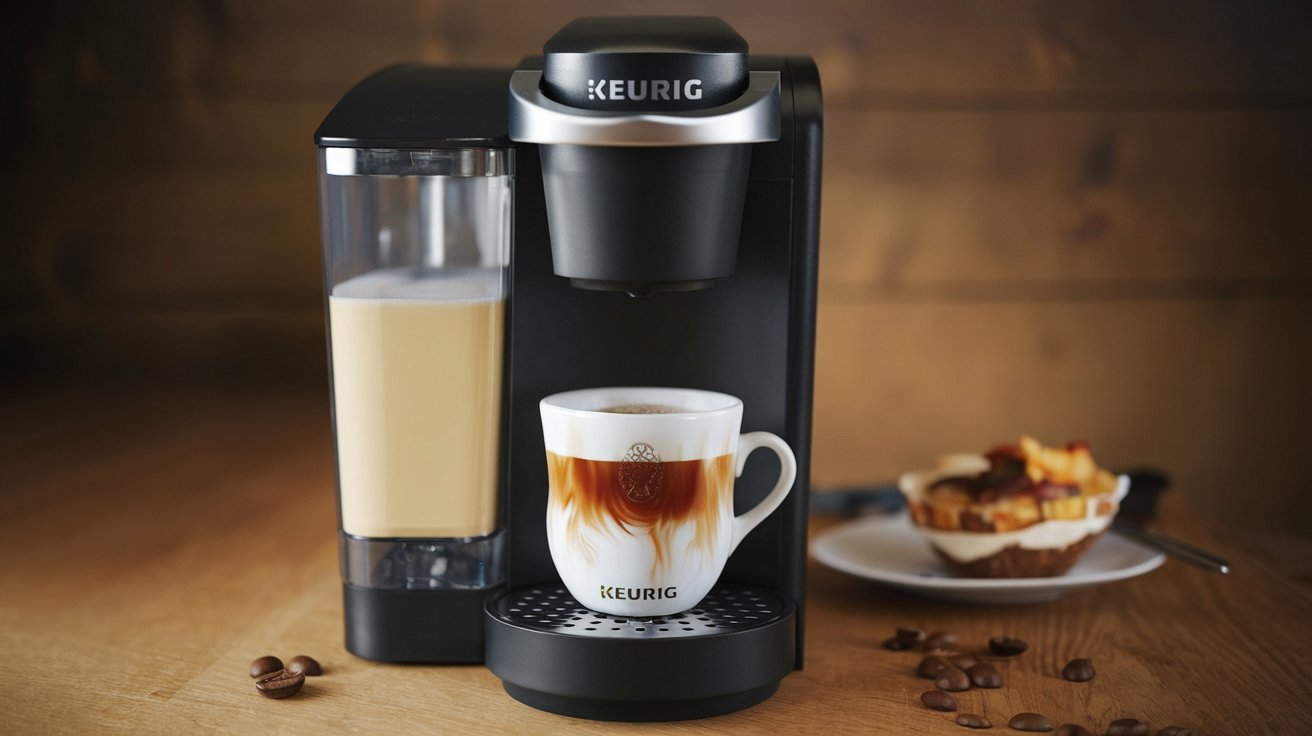
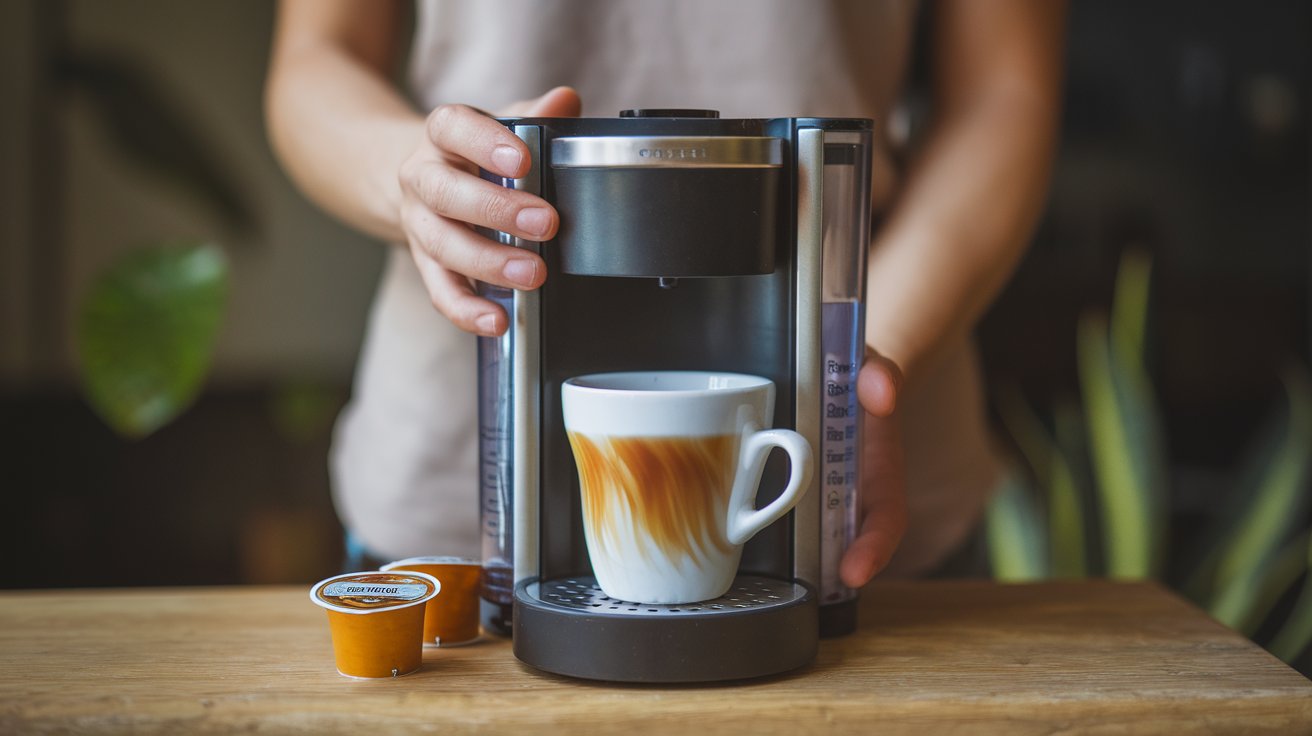
For single-serve brewing without plastic, options become more limited. Traditional methods like the pour-over cone or individual Vietnamese phin filter provide the most reliable plastic-free solutions. The single-serve pod machine category remains dominated by plastic construction as of 2026, with no major manufacturer offering a completely plastic-free automatic single-serve system.
What Is the Most Toxic Free Coffee Maker
The most toxic-free coffee maker combines complete plastic elimination with food-safe materials that won’t leach chemicals under any conditions. All-stainless steel construction with 304-grade material represents the safest standard, as this alloy contains no toxic elements that leach at brewing temperatures. The stovetop percolator made from single-piece stainless steel wins this category for simplicity and absolute safety.
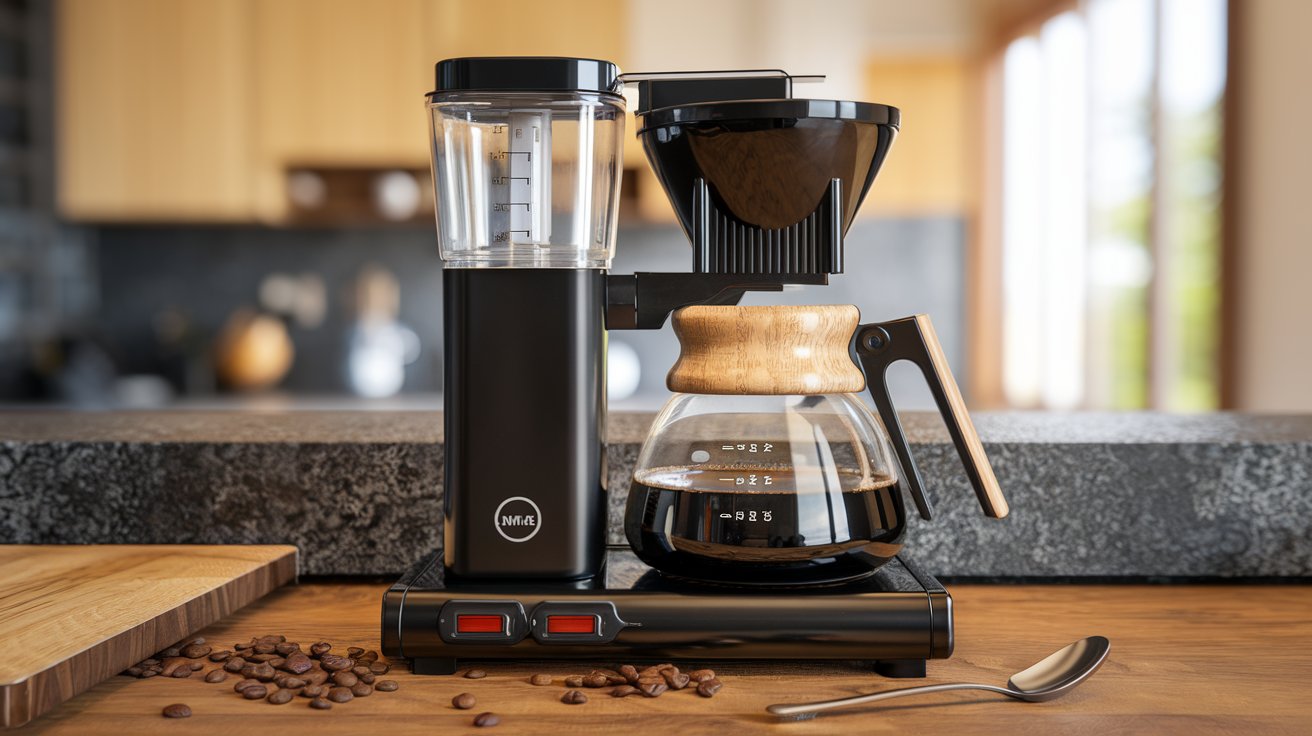
Among automatic coffee makers, models with entirely stainless steel and glass pathways provide the highest safety standard. The Technivorm Moccamaster models with glass carafes minimize plastic contact, though complete elimination requires specific configurations. Third-party testing in 2026 by Consumer Reports confirmed that brewers with all-metal heating elements and water pathways show zero detectable chemical leaching compared to conventional plastic-component machines.
For ultimate toxic-free brewing, manual methods using borosilicate glass like the Chemex or ceramic pour-over cones provide absolute certainty. These materials are chemically inert at all temperatures encountered in coffee brewing, making them the safest possible choice for health-conscious consumers worried about chemical exposure from brewing equipment.
Best Plastic Free Coffee Maker Options for 2026
The best plastic free coffee makers available in the United States market combine safety, functionality, and brewing quality without compromise.
Premium Automatic Plastic-Free Brewers
The Ratio Eight leads the premium automatic category with its entirely plastic-free construction. This $450 brewer features a handblown glass carafe, powder-coated aluminum body, and stainless steel brewing chamber with copper heating elements. It produces exceptional coffee while maintaining zero plastic contact throughout the brewing process. The machine’s thermal bloom cycle and precise temperature control deliver café-quality results, making it worth the investment for serious coffee enthusiasts prioritizing health.
The Technivorm Moccamaster with specific glass carafe configurations represents a more accessible premium option at $320-$360. While some external housing components contain plastic, the entire water pathway and brewing mechanism use metal and glass exclusively. This Dutch-manufactured brewer maintains optimal brewing temperature and has earned SCAA certification for coffee quality, combining safety with exceptional performance.
Budget-Friendly Plastic-Free Solutions
For consumers seeking affordable plastic-free coffee makers, traditional methods provide excellent value. A quality stainless steel percolator costs $45-$80 and lasts decades with proper care. Brands like Farberware and Presto offer reliable 8-12 cup percolators with complete stainless construction that produces strong, hot coffee without any plastic components.
The Chemex pour-over system at $45 for a six-cup model represents another budget-friendly plastic-free option. Combined with a $25 gooseneck kettle, this setup provides complete brewing control and absolute material safety. French press systems with all-glass construction and metal frames, like the Bodum Chambord at $70, offer another accessible entry point into plastic-free coffee making.
Single Serve Plastic-Free Alternatives
For single-serve plastic-free brewing, individual pour-over cones provide the most practical solution. The Hario V60 ceramic dripper costs just $25 and brews directly into your cup using paper filters, eliminating all plastic contact. Vietnamese stainless steel phin filters offer another excellent single-serve option at $15-$30, brewing directly over a mug with nothing but metal touching your coffee.
The AeroPress with metal filter modification presents a partially plastic-free option, though the main chamber remains polypropylene. For consumers requiring true plastic elimination in single-serve brewing, the individual pour-over cone or phin filter remains the only reliable choice as of 2026.
Which Coffee Maker Has the Least Amount of Microplastics
Coffee makers with the least microplastic release are those with zero plastic components contacting hot water or coffee. Testing conducted by the University of California Berkeley in late 2025 found that all-stainless steel brewers and glass pour-over systems release exactly zero microplastic particles, while conventional drip machines with plastic reservoirs released between 890,000 and 1.4 million particles per brewing cycle.
Among automatic coffee makers, models with glass carafes and minimal plastic in water pathways showed 76-89% fewer microplastics compared to fully plastic models. The study confirmed that temperature is the critical factor, with plastic components exposed to water above 175°F releasing exponentially more particles. This research validates choosing all-metal or glass brewing systems for consumers concerned about microplastic exposure.
Even BPA-free plastic coffee makers showed significant particle release, debunking the myth that newer plastics are safe when heated. The research concluded that complete plastic elimination represents the only way to achieve zero microplastic exposure from coffee brewing equipment, making stainless steel and glass brewers the definitive choice for health-conscious consumers.
Should I Worry About Plastic in a Coffee Maker
Yes, concern about plastic in coffee makers is scientifically justified based on 2025-2026 research findings. When plastic components contact water heated to typical brewing temperatures of 195-205°F, they release measurable quantities of microplastics and chemical additives into your coffee. Daily exposure to these particles accumulates over time, with potential health implications still being studied.
The FDA has not established safe limits for microplastic consumption as of 2026, but emerging research suggests that chronic exposure may contribute to inflammatory responses and potential endocrine disruption. A typical American coffee drinker using a conventional plastic-component machine may ingest 300,000-400,000 additional microplastic particles annually just from their morning coffee.
For individuals brewing one to two cups daily, transitioning to a plastic-free system eliminates this entirely preventable exposure source. While the long-term health impacts remain under investigation, the precautionary principle suggests avoiding unnecessary microplastic exposure when simple alternatives exist. Given that effective plastic-free coffee makers are readily available at various price points, making the switch represents a prudent health decision with no practical downside.
Maintaining Your Plastic Free Coffee Maker
Proper maintenance of plastic-free coffee makers ensures longevity and continued safety. Stainless steel brewers require regular descaling using white vinegar or citric acid solutions to prevent mineral buildup that affects performance. Run a 50-50 vinegar-water solution through the brewing cycle monthly, followed by two fresh water cycles to remove residual vinegar taste.
For glass coffee makers like Chemex, gentle hand washing with mild soap prevents clouding and maintains clarity. Avoid thermal shock by allowing hot glass to cool before washing with cold water. The borosilicate glass used in quality brewers resists cracking, but gradual temperature changes extend lifespan indefinitely.
French press maintenance focuses on the metal filter screen, which requires thorough cleaning after each use to prevent rancid coffee oil buildup. Disassemble the plunger mechanism monthly for deep cleaning, ensuring the metal mesh filters remain free from residue. Quality stainless steel components in plastic-free brewers last for decades with minimal care, making them both healthier and more sustainable than conventional plastic machines.
Cost Analysis: Plastic Free vs Conventional Coffee Makers
While plastic-free coffee makers typically cost more upfront, the long-term value proposition favors these durable alternatives. A quality stainless steel percolator at $60 lasts 20-30 years, compared to conventional drip machines averaging 3-5 year lifespans. Over a decade, the plastic-free option costs approximately $60 total versus $150-$250 for replacing conventional machines multiple times.
Premium automatic plastic-free brewers like the Ratio Eight at $450 represent a significant investment, but their exceptional build quality and repairable construction mean 15-20 year lifespans. Compared to replacing conventional $150 machines every four years, the long-term cost difference narrows considerably while providing superior coffee quality and zero microplastic exposure throughout ownership.
Manual plastic-free brewing methods offer the strongest financial case, with a $45 Chemex or $25 ceramic pour-over cone lasting indefinitely. These options actually cost less than conventional automatic machines while providing complete plastic elimination and encouraging more mindful coffee preparation that many users find enhances their morning routine.
Environmental Impact of Plastic-Free Coffee Brewing
Choosing plastic-free coffee makers delivers significant environmental benefits beyond personal health. Conventional coffee machines contribute over 2.3 million units to US landfills annually, with plastic components persisting for 400-500 years. Stainless steel and glass brewers are fully recyclable at end of life and typically last five to ten times longer than plastic alternatives.
The manufacturing impact also favors plastic-free options. Stainless steel production, while energy-intensive initially, produces durable goods that offset their footprint through longevity. Glass manufacturing has become increasingly sustainable, with many borosilicate glass manufacturers using 40-60% recycled content in 2026. The elimination of plastic components removes petroleum-derived materials and avoids microplastic pollution throughout the product lifecycle.
From a circular economy perspective, metal and glass coffee makers represent superior choices. These materials maintain value through multiple use cycles and can be endlessly recycled without quality degradation. The shift toward plastic-free coffee brewing supports broader sustainability goals while delivering personal health benefits, making it a decision with positive impact at multiple scales.
Related video about plastic free coffee maker
This video complements the article information with a practical visual demonstration.
Most asked questions about plastic free coffee maker
Are there any coffee makers that don’t use plastic?
Yes, several coffee makers contain absolutely no plastic components. All-stainless steel percolators, glass pour-over systems like the Chemex, ceramic drippers, French presses with metal frames and glass carafes, Turkish ibrik pots, and Vietnamese phin filters all brew coffee using only metal, glass, or ceramic materials. In the automatic category, the Ratio Eight and specific Technivorm Moccamaster configurations use only stainless steel, glass, and copper in their brewing pathways, eliminating plastic contact entirely.
What is the most toxic free coffee maker?
The most toxic-free coffee makers are those constructed entirely from food-grade stainless steel or borosilicate glass, as these materials are chemically inert and release no substances at brewing temperatures. Single-piece stainless steel percolators represent the safest automatic option, while Chemex and ceramic pour-over systems offer equally safe manual alternatives. These brewers contain zero plastic, no coatings that degrade over time, and use only materials with decades of proven safety in food contact applications.
Which coffee maker has the least amount of microplastics?
Coffee makers with zero plastic components release exactly zero microplastic particles. All-stainless steel brewers, glass pour-over systems, and ceramic drippers have been tested and show no microplastic release. In contrast, conventional drip machines with plastic reservoirs and pathways release 890,000 to 1.4 million microplastic particles per brewing cycle according to 2025 University of California research. Complete plastic elimination is the only way to achieve zero microplastic exposure from your coffee maker.
Should I worry about plastic in a coffee maker?
Yes, concern about plastic in coffee makers is justified based on recent research showing that hot water causes plastic components to release microplastics and chemical additives into your coffee. A typical American using a conventional machine may ingest 300,000-400,000 additional microplastic particles annually from their coffee maker alone. While long-term health effects are still being studied, the precautionary principle suggests avoiding this exposure when effective plastic-free alternatives are readily available at various price points.
How long do plastic-free coffee makers last?
Plastic-free coffee makers typically last 15-30 years with proper maintenance, significantly longer than conventional machines. Stainless steel percolators often function for decades, glass Chemex brewers last indefinitely if not broken, and premium automatic brewers like the Ratio Eight are built for 15-20 year lifespans. The durable construction and absence of degrading plastic components mean these brewers maintain performance and safety throughout their extended service life, making them superior long-term investments.
Can I convert my existing coffee maker to be plastic-free?
Unfortunately, you cannot effectively convert a conventional coffee maker to be truly plastic-free if its water reservoir, internal pathways, or brewing components are plastic. While you might replace a plastic carafe with glass, the internal brewing mechanism still exposes your coffee to plastic at high temperatures. The only solution for eliminating microplastic exposure is replacing your current machine with a brewer designed from the ground up using only stainless steel, glass, and ceramic materials throughout the entire brewing pathway.
| Coffee Maker Type | Price Range | Key Benefit |
|---|---|---|
| Stainless Steel Percolator | $45-$80 | Complete plastic elimination, 20-30 year lifespan |
| Glass Pour-Over (Chemex) | $45-$55 | Zero microplastics, elegant design, brewing control |
| Ceramic Dripper | $25-$40 | Most affordable plastic-free option, single-serve convenience |
| All-Metal French Press | $60-$120 | Full immersion brewing, no filters needed, durable |
| Ratio Eight Automatic | $450 | Premium automatic brewing, complete plastic elimination |
| Vietnamese Phin Filter | $15-$30 | Lowest cost entry, authentic single-serve brewing |