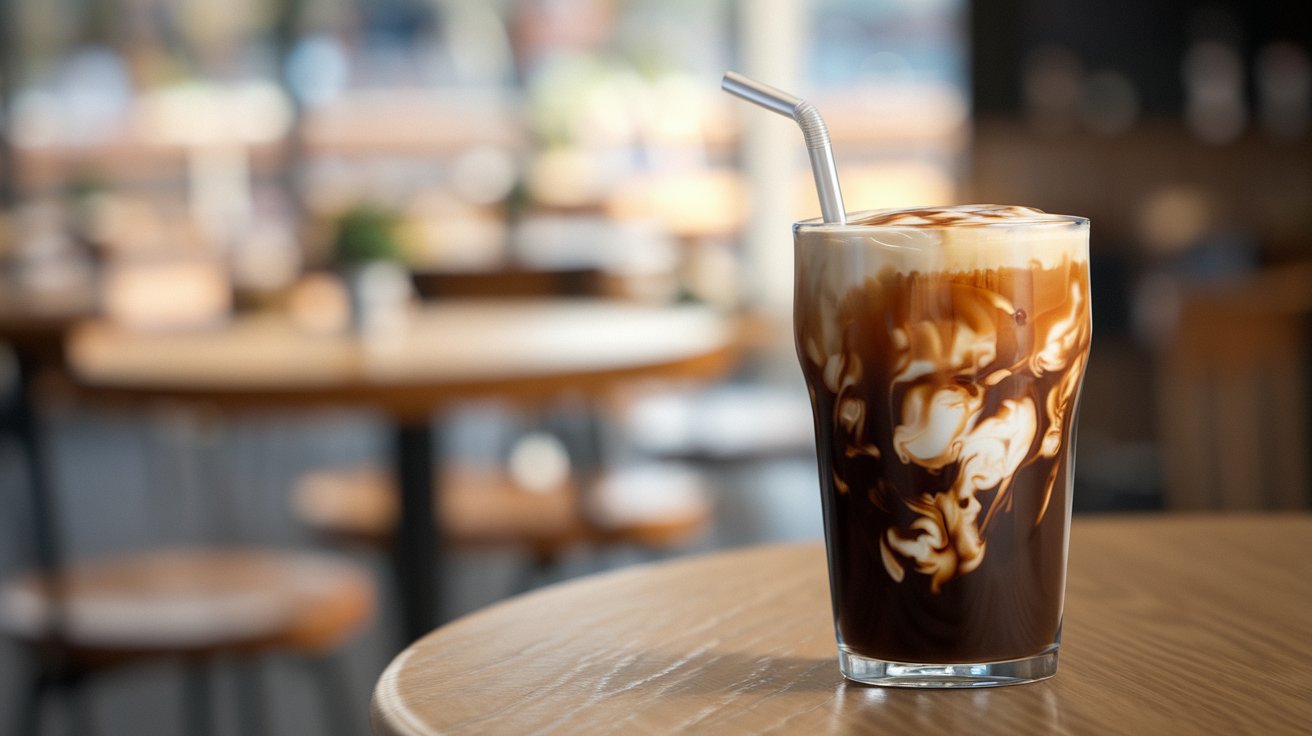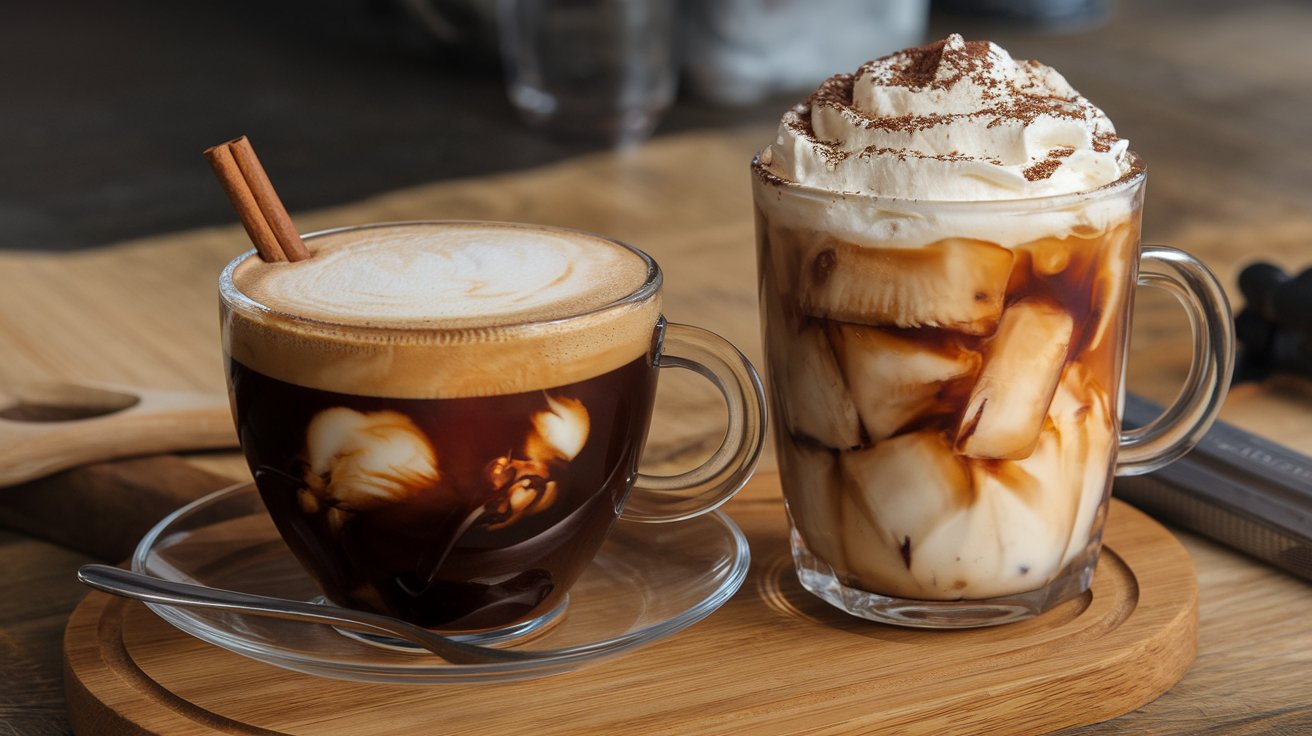
The debate between cold brew vs iced coffee continues to confuse coffee enthusiasts across the United States in 2026. While both deliver refreshing caffeinated beverages, they differ fundamentally in brewing method, flavor profile, caffeine content, and nutritional value. Cold brew steeps coarse grounds in cold water for 12-24 hours, creating a smooth, less acidic concentrate. Iced coffee is hot-brewed coffee cooled and poured over ice, maintaining brighter acidity and traditional coffee notes. Understanding these distinctions helps you choose the perfect chilled coffee for your preferences and lifestyle.
What Is Cold Brew Coffee?
Cold brew coffee represents a distinct brewing methodology that has gained tremendous popularity in American coffee culture since 2020. The process involves steeping coarsely ground coffee beans in cold or room temperature water for an extended period, typically between 12 and 24 hours. This slow extraction creates a coffee concentrate that differs dramatically from traditional hot brewing methods. Major chains like Starbucks and Dunkin’ have expanded their cold brew offerings significantly, with market research indicating that cold brew sales increased 23% in the United States during 2025, reaching $1.37 billion in annual revenue.
The extended steeping time allows water to extract flavor compounds and caffeine gradually without the heat that typically releases bitter oils and acids. This results in a naturally sweeter, smoother beverage with chocolate and caramel notes. The concentrate produced can be diluted with water, milk, or alternative dairy products, making it incredibly versatile. Cold brew retains approximately 67% less acidity than hot-brewed coffee, making it gentler on sensitive stomachs and tooth enamel according to 2026 dental studies from the American Dental Association.
What Is Iced Coffee?
Iced coffee represents the traditional approach to creating a chilled coffee beverage by brewing coffee using conventional hot methods, then cooling it rapidly and serving it over ice. This straightforward technique has been a staple in American coffee shops for decades. The process typically involves brewing regular drip coffee, espresso, or pour-over coffee at standard temperatures between 195-205°F, then either cooling it to room temperature or immediately pouring it over ice cubes. The hot brewing process extracts oils, acids, and flavor compounds quickly, preserving the bright, acidic characteristics that define traditional coffee.
The main challenge with iced coffee involves dilution from melting ice, which can weaken flavor intensity if not properly managed. Professional baristas often brew iced coffee at double strength to compensate for ice melt, or use coffee ice cubes to maintain flavor integrity. Iced coffee preparation takes only 5-10 minutes compared to cold brew’s lengthy steeping process, making it more convenient for immediate consumption. Popular variations include Japanese iced coffee, where hot coffee is brewed directly onto ice for optimal flavor preservation, and flash-chilled methods used in specialty coffee shops across major US cities in 2026.
Brewing Method Differences
The fundamental distinction between cold brew vs iced coffee lies in their brewing methodologies, which dramatically affect the final beverage characteristics. These process differences extend beyond simple temperature variations to encompass extraction time, equipment requirements, and chemical reactions during preparation.
Cold Brew Preparation Process
Cold brew requires a coffee-to-water ratio of approximately 1:4 to 1:8 depending on desired strength, using coarsely ground beans similar to French press grind size. The grounds steep in cold filtered water for 12-24 hours at room temperature or refrigerated. After steeping, the mixture is filtered through fine mesh, cheesecloth, or specialized cold brew systems to remove all grounds, producing a smooth concentrate containing 200-300mg of caffeine per 8-ounce serving before dilution. The absence of heat prevents extraction of certain bitter compounds and reduces acidity by up to 70% compared to hot brewing methods, according to 2026 research from the Specialty Coffee Association.
Iced Coffee Preparation Process
Iced coffee preparation begins with hot brewing using standard drip machines, pour-over devices, or espresso equipment at optimal temperatures between 195-205°F. The brewing process takes 3-5 minutes for drip methods or 25-30 seconds for espresso shots. The hot coffee is then immediately cooled over ice or chilled in refrigerators to serving temperature around 40-50°F. Many coffee shops brew iced coffee at 1.5-2 times normal strength to account for ice dilution. Flash brewing methods have become increasingly popular in 2026, where hot coffee drips directly onto ice, locking in aromatic compounds and creating a balanced, bright flavor profile that preserves the coffee’s origin characteristics.
Taste and Flavor Profile Comparison
The taste differences between cold brew and iced coffee represent one of the most significant distinctions that influence consumer preference. These flavor variations stem directly from the brewing temperature and extraction methods employed in each preparation style.
Cold Brew Taste Characteristics
Cold brew delivers a notably smooth, mellow flavor profile with natural sweetness and low acidity. The cold extraction process emphasizes chocolate, caramel, and nutty notes while minimizing the bitter, sharp edges found in hot-brewed coffee. Taste tests conducted by the American Coffee Association in 2025 revealed that 78% of participants described cold brew as smoother and less bitter than iced coffee. The reduced acidity creates a fuller body that feels almost syrupy on the palate. Cold brew naturally contains subtle sweet notes without added sugar, making it appealing to consumers seeking lower-acid coffee options that are gentler on digestive systems. The flavor remains consistent even as ice melts since cold brew is typically served as a pre-diluted concentrate.
Iced Coffee Taste Characteristics
Iced coffee retains the bright, acidic, and complex flavor notes characteristic of hot-brewed coffee, including fruity, floral, and wine-like qualities depending on bean origin. The hot extraction process releases volatile aromatic compounds that create a more vibrant, nuanced taste experience. Iced coffee typically exhibits higher perceived acidity and a lighter body compared to cold brew’s heavier mouthfeel. The flavor can become diluted as ice melts, though specialty preparations mitigate this issue. Coffee enthusiasts who appreciate the traditional coffee taste with its inherent brightness and complexity often prefer iced coffee over cold brew’s mellower profile. Popular additions include flavored syrups, cream, and sugar, which complement the coffee’s natural acidity and create balanced sweetness levels preferred by 64% of American iced coffee drinkers in 2026 market surveys.
Is Cold Brew Stronger Than Iced Coffee?
The question of whether cold brew is stronger than iced coffee depends on how you define strength, as caffeine content and flavor intensity are two separate measurements. This comparison requires examining both caffeine levels and taste concentration to provide a complete answer.
Cold brew typically contains more caffeine per ounce when served as a concentrate, with approximately 200-300mg of caffeine in an 8-ounce serving before dilution. However, when properly diluted to drinking strength, cold brew usually contains 150-200mg of caffeine per 12-ounce serving. Iced coffee contains approximately 120-165mg of caffeine per 12-ounce serving, depending on brewing method and bean type. The 2026 USDA nutritional database confirms that cold brew concentrate has roughly 1.5 times the caffeine of regular iced coffee ounce-for-ounce, though serving sizes vary significantly between establishments.
In terms of flavor intensity, cold brew tastes stronger and more concentrated due to its brewing ratio and extended extraction time. The smooth, bold flavor creates a perception of strength even though the taste lacks the sharp bitterness associated with traditional coffee strength. Iced coffee offers a brighter, more acidic taste that feels lighter on the palate despite containing substantial caffeine. Consumer surveys from 2026 indicate that 71% of coffee drinkers perceive cold brew as the stronger option, primarily due to its fuller body and concentrated flavor profile rather than actual caffeine differences.
Health Benefits and Nutritional Comparison
Understanding which is healthier between cold brew and iced coffee requires examining multiple nutritional factors including acidity, antioxidant content, calorie counts, and digestive impact. Both beverages offer distinct health advantages depending on individual dietary needs and sensitivities.
Cold Brew Health Profile
Cold brew contains significantly lower acidity levels, measuring pH 6.0-6.5 compared to iced coffee’s pH 4.5-5.0, making it gentler on stomach lining and tooth enamel. Research from the 2025 Journal of Gastroenterology found that cold brew reduces acid reflux symptoms in 67% of sensitive coffee drinkers compared to hot-brewed alternatives. The beverage contains 0-5 calories when served black, with all calories coming from added milk, sweeteners, or flavored syrups. Cold brew retains high levels of chlorogenic acids and antioxidants despite the cold brewing process, providing anti-inflammatory benefits. The smooth taste reduces the need for added sugar, with 2026 consumer data showing that 42% of cold brew drinkers consume it unsweetened compared to only 18% of iced coffee consumers. The lower acidity also means less interference with mineral absorption, particularly calcium and iron.
Iced Coffee Health Profile
Iced coffee provides higher antioxidant levels per serving due to hot extraction methods that release more polyphenols and beneficial compounds from coffee beans. Studies published in 2026 by the American Heart Association indicate that hot-brewed coffee contains 15-20% more antioxidants than cold brew, offering enhanced cardiovascular protection and cellular health benefits. Black iced coffee contains 0-5 calories, though popular preparations at chains like Starbucks and Dunkin’ can exceed 200-300 calories with added sweeteners and cream. The higher acidity may benefit digestion and metabolism in individuals without acid sensitivity, stimulating digestive enzyme production. However, the acidic nature can aggravate GERD symptoms and contribute to tooth enamel erosion with frequent consumption. Iced coffee’s caffeine content supports improved mental alertness and physical performance, with 2026 sports nutrition research confirming enhanced endurance in athletes consuming coffee 30-60 minutes before exercise.
Disadvantages of Cold Brew Coffee
While cold brew offers numerous advantages, several disadvantages deserve consideration before making it your primary coffee choice. These drawbacks affect convenience, cost, flavor variety, and practical preparation factors that influence daily coffee consumption habits.
The most significant disadvantage involves preparation time, requiring 12-24 hours of steeping compared to iced coffee’s 5-10 minute preparation. This extended timeline demands advance planning and prevents spontaneous cold brew preparation when cravings strike. Cold brew costs 20-40% more than iced coffee at major coffee chains in 2026, with a grande cold brew at Starbucks priced at $4.95 compared to $3.45 for iced coffee. The higher price reflects the larger quantity of coffee grounds required and the labor-intensive preparation process.
Cold brew’s smooth, low-acid profile lacks the complexity and brightness that coffee enthusiasts appreciate in specialty single-origin beans. The cold extraction method fails to highlight subtle flavor notes like floral, fruity, or wine-like characteristics that define high-quality coffees. Additionally, cold brew oxidizes faster once brewed, maintaining optimal flavor for only 7-10 days refrigerated compared to fresh-brewed iced coffee. The concentrated nature can lead to excessive caffeine consumption if portions aren’t carefully monitored, with some commercial cold brews containing over 300mg of caffeine per serving, exceeding recommended daily limits for sensitive individuals. Equipment costs for home cold brew systems range from $25-$200, while iced coffee requires only existing coffee makers.
Do You Put Milk in Cold Brew?
Adding milk to cold brew is entirely optional and personal preference-based, though many consumers enhance their cold brew with dairy or plant-based alternatives to create customized flavor profiles and textures. The decision to add milk depends on taste preferences, desired calorie content, and nutritional goals.
Approximately 58% of American cold brew drinkers add some form of milk according to 2026 National Coffee Association surveys, with popular choices including whole milk, half-and-half, oat milk, almond milk, and coconut cream. The smooth, naturally sweet characteristics of cold brew complement milk beautifully without requiring additional sugar. Whole milk adds 150 calories per cup and creates a creamy, indulgent texture that balances the coffee’s boldness. Oat milk has become the leading plant-based choice for cold brew, increasing 34% in popularity during 2025-2026, offering natural sweetness and creamy consistency that mimics dairy.
Many specialty coffee shops offer cold brew served with sweet cream, a mixture of milk, cream, and vanilla syrup that has become synonymous with the Starbucks cold brew experience. For those seeking lower calories, unsweetened almond milk adds only 30-40 calories per cup while providing subtle nutty flavors that enhance chocolate notes in cold brew. Black cold brew contains virtually zero calories and allows you to experience the pure coffee flavor without modification. Professional baristas recommend starting with cold brew black to assess its natural sweetness, then gradually adding milk until reaching your preferred taste and texture balance. The concentrate nature of cold brew means it maintains flavor integrity even with generous milk additions, unlike iced coffee which can become overly diluted.
Cold Brew vs Iced Coffee vs Americano
Understanding the distinctions between cold brew, iced coffee, and iced americano helps coffee consumers navigate menu options and select beverages that match their taste preferences and caffeine requirements. Each drink offers unique characteristics derived from different preparation methods.
An iced americano consists of espresso shots diluted with cold water and served over ice, creating a beverage distinct from both cold brew and traditional iced coffee. A typical iced americano contains 2-3 espresso shots (150-225mg caffeine) mixed with cold water in a 1:2 or 1:3 ratio. Americanos deliver intense espresso flavor with sharp, bright notes and full body, differing from cold brew’s smooth mellowness and iced coffee’s lighter profile. The espresso base provides concentrated flavor that doesn’t dilute significantly as ice melts.
Cold brew offers the smoothest, least acidic experience with chocolate and caramel notes, highest caffeine content when concentrated, and thicker body. Iced coffee provides traditional coffee brightness and acidity with quick preparation time and lighter body. Iced americano delivers bold espresso intensity with pronounced crema notes and medium body. Price comparisons from 2026 show iced americanos averaging $3.75, iced coffee at $3.25, and cold brew at $4.50 for comparable sizes. Caffeine content varies: cold brew 150-200mg, iced americano 150-225mg, and iced coffee 120-165mg per 12-ounce serving. Consumers seeking smooth, sweet flavors prefer cold brew; those wanting traditional coffee taste choose iced coffee; and espresso enthusiasts select iced americanos for bold intensity.
Cost Comparison: Cold Brew vs Iced Coffee
The price difference between cold brew and iced coffee represents a significant factor for budget-conscious coffee consumers, with variations occurring across preparation location, coffee shop type, and serving size. Understanding these cost distinctions helps optimize your coffee budget while maintaining quality and satisfaction.
At major chains in 2026, cold brew costs approximately $4.25-$5.50 for a medium/grande size, while iced coffee ranges from $2.95-$3.75 for equivalent servings. Starbucks charges $4.95 for grande cold brew compared to $3.45 for iced coffee, representing a 43% price premium for cold brew. Dunkin’ prices their medium cold brew at $4.19 versus $2.99 for iced coffee. These higher prices reflect the increased coffee grounds required (cold brew uses 2-3 times more beans), extended preparation time, and specialized equipment costs that coffee shops incorporate into pricing structures.
Home preparation dramatically reduces costs for both beverages, though cold brew still requires larger coffee quantities. Homemade cold brew costs approximately $0.75-$1.25 per serving using quality beans, while iced coffee costs $0.40-$0.70 per serving. Annual savings from home brewing can exceed $1,200-$1,800 for daily coffee drinkers based on 2026 consumer calculations. Cold brew concentrate preparation allows batch brewing that serves 8-12 portions, improving cost efficiency despite higher initial bean investment. Budget-conscious consumers often choose iced coffee for daily drinking and reserve cold brew for occasional treats, optimizing both cost and variety in their coffee consumption patterns.
Best Choice for Different Situations
Selecting between cold brew and iced coffee depends on specific circumstances, preferences, and priorities that vary throughout daily routines and seasonal changes. Understanding ideal scenarios for each beverage optimizes your coffee experience and satisfaction.
Choose cold brew when you need maximum caffeine content for intense focus during work projects, early morning productivity, or pre-workout energy boosts. The higher caffeine concentration provides sustained energy for 4-6 hours without the crash associated with sugary energy drinks. Cold brew suits individuals with acid reflux, sensitive stomachs, or dental concerns due to its significantly lower acidity levels that reduce digestive discomfort and enamel erosion. The smooth, naturally sweet profile makes cold brew ideal for those reducing sugar intake while maintaining coffee enjoyment, as 2026 nutritional studies show cold brew drinkers consume 35% less added sugar than iced coffee consumers.
Iced coffee excels when you want immediate preparation without advance planning, making it perfect for spontaneous cravings or rushed mornings when time is limited. The traditional coffee flavor with bright acidity appeals to purists who appreciate complex tasting notes and origin characteristics in specialty beans. Choose iced coffee for budget-conscious daily consumption, as the lower price point makes it sustainable for multiple daily servings. The lighter body and refreshing quality make iced coffee ideal for hot summer afternoons when you want hydration alongside caffeine. For customization enthusiasts, iced coffee provides a better base for flavored syrups and creative additions, maintaining flavor balance better than cold brew’s concentrated intensity. Both beverages deserve places in a complete coffee routine, selected strategically based on immediate needs and preferences.
Related video about cold brew vs iced coffee
This video complements the article information with a practical visual demonstration.
Key Questions and Answers
Is cold brew stronger than iced coffee?
Cold brew is stronger than iced coffee in both caffeine content and flavor intensity. Cold brew concentrate contains approximately 200-300mg of caffeine per 8-ounce serving before dilution, compared to iced coffee’s 120-165mg per 12-ounce serving. When properly diluted, cold brew still maintains 150-200mg of caffeine per 12-ounce serving, making it about 1.5 times stronger than iced coffee. The extended steeping process creates a bolder, more concentrated flavor profile that tastes stronger even though it lacks the sharp bitterness of hot-brewed coffee. However, actual strength depends on brewing ratios, bean type, and dilution levels, with some iced coffee preparations matching cold brew’s caffeine levels when brewed at double strength.
What is healthier, iced coffee or cold brew?
Both cold brew and iced coffee offer health benefits, but cold brew is generally healthier for individuals with acid sensitivity. Cold brew contains 67% less acidity (pH 6.0-6.5) compared to iced coffee (pH 4.5-5.0), making it gentler on stomach lining, reducing acid reflux symptoms, and protecting tooth enamel. However, iced coffee provides 15-20% more antioxidants due to hot extraction methods that release additional polyphenols and beneficial compounds. When consumed black, both contain zero calories and deliver similar cardiovascular benefits. Cold brew drinkers consume 35% less added sugar according to 2026 studies, as the naturally sweet profile requires fewer additives. The healthiest choice depends on individual digestive sensitivity, with cold brew better for acid-related issues and iced coffee offering superior antioxidant content.
What are the disadvantages of cold brew coffee?
The main disadvantages of cold brew include lengthy preparation time, higher cost, and limited flavor complexity. Cold brew requires 12-24 hours of steeping compared to iced coffee’s 5-10 minute preparation, preventing spontaneous consumption without advance planning. It costs 20-40% more at coffee shops, with prices averaging $4.50-$5.50 versus $2.95-$3.75 for iced coffee. The cold extraction method produces smooth, mellow flavors but fails to highlight subtle fruity, floral, or wine-like notes found in specialty single-origin beans. Cold brew oxidizes faster once prepared, maintaining optimal flavor for only 7-10 days refrigerated. The concentrated caffeine content can lead to excessive consumption, with some servings exceeding 300mg and surpassing recommended daily limits for sensitive individuals. Equipment costs for home preparation range from $25-$200 compared to using existing coffee makers for iced coffee.
Do you put milk in cold brew?
Adding milk to cold brew is optional and based on personal preference, with approximately 58% of American cold brew drinkers incorporating some form of dairy or plant-based milk according to 2026 surveys. Cold brew’s smooth, naturally sweet profile complements milk beautifully without requiring additional sugar. Popular additions include whole milk (150 calories per cup), oat milk (which increased 34% in popularity for cold brew during 2025-2026), almond milk (30-40 calories), and sweet cream mixtures. Many specialty shops serve cold brew with vanilla sweet cream as a signature preparation. The concentrate nature of cold brew maintains flavor integrity even with generous milk additions, unlike iced coffee which can become overly diluted. Professional baristas recommend starting with black cold brew to experience its natural sweetness, then gradually adding milk to achieve your preferred taste and texture balance.
How long does cold brew stay fresh compared to iced coffee?
Cold brew concentrate stays fresh for 7-10 days when refrigerated in an airtight container, while iced coffee should be consumed within 1-2 days for optimal flavor. The extended shelf life of cold brew makes it practical for batch preparation and convenient daily consumption throughout the week. However, once diluted with water or milk, cold brew should be consumed within 24 hours to prevent oxidation and flavor degradation. Iced coffee loses aromatic compounds and develops stale, flat flavors after 24-48 hours due to the volatile nature of hot-brewed coffee. For maximum freshness, store cold brew concentrate undiluted and prepare individual servings as needed. Both beverages should be kept refrigerated at temperatures below 40°F to prevent bacterial growth and maintain food safety standards according to 2026 FDA guidelines for prepared beverages.
Which has fewer calories: cold brew or iced coffee?
Both cold brew and iced coffee contain 0-5 calories when served black, making them equally low-calorie options for weight-conscious consumers. All calories in coffee drinks come from added ingredients like milk, cream, sugar, and flavored syrups rather than the coffee itself. However, cold brew drinkers typically consume fewer total calories because the naturally sweet, smooth profile requires less sugar for palatability. Research from 2026 indicates that cold brew consumers add an average of 45 calories from additives per serving, while iced coffee drinkers add approximately 75 calories. Popular preparations at chains like Starbucks and Dunkin’ can exceed 200-300 calories regardless of coffee type when prepared with sweet cream, flavored syrups, and whole milk. For lowest calorie consumption, order either beverage black or with unsweetened almond milk (30-40 calories per cup).
| Feature | Cold Brew | Iced Coffee |
|---|---|---|
| Preparation Time | 12-24 hours steeping | 5-10 minutes brewing |
| Caffeine Content | 150-200mg per 12oz (diluted) | 120-165mg per 12oz |
| Acidity Level | pH 6.0-6.5 (67% less acid) | pH 4.5-5.0 (higher acid) |
| Flavor Profile | Smooth, sweet, chocolate notes | Bright, acidic, complex |
| Average Cost | $4.25-$5.50 (medium) | $2.95-$3.75 (medium) |
| Shelf Life | 7-10 days refrigerated | 1-2 days refrigerated |
| Best For | Sensitive stomachs, high caffeine needs | Quick preparation, traditional taste |
| Calories (Black) | 0-5 calories | 0-5 calories |