Making cold brew at home is simpler than most coffee lovers think, requiring just ground coffee, water, and patience. Unlike hot brewing methods, cold brew steeps coffee grounds in cold or room temperature water for 12-24 hours, producing a smooth, less acidic concentrate that’s perfect for the American summer heat. This comprehensive guide covers everything from coffee-to-water ratios to brewing with various coffee types, ensuring you can create café-quality cold brew in your own kitchen without expensive equipment.
Essential Equipment and Ingredients for Cold Brew
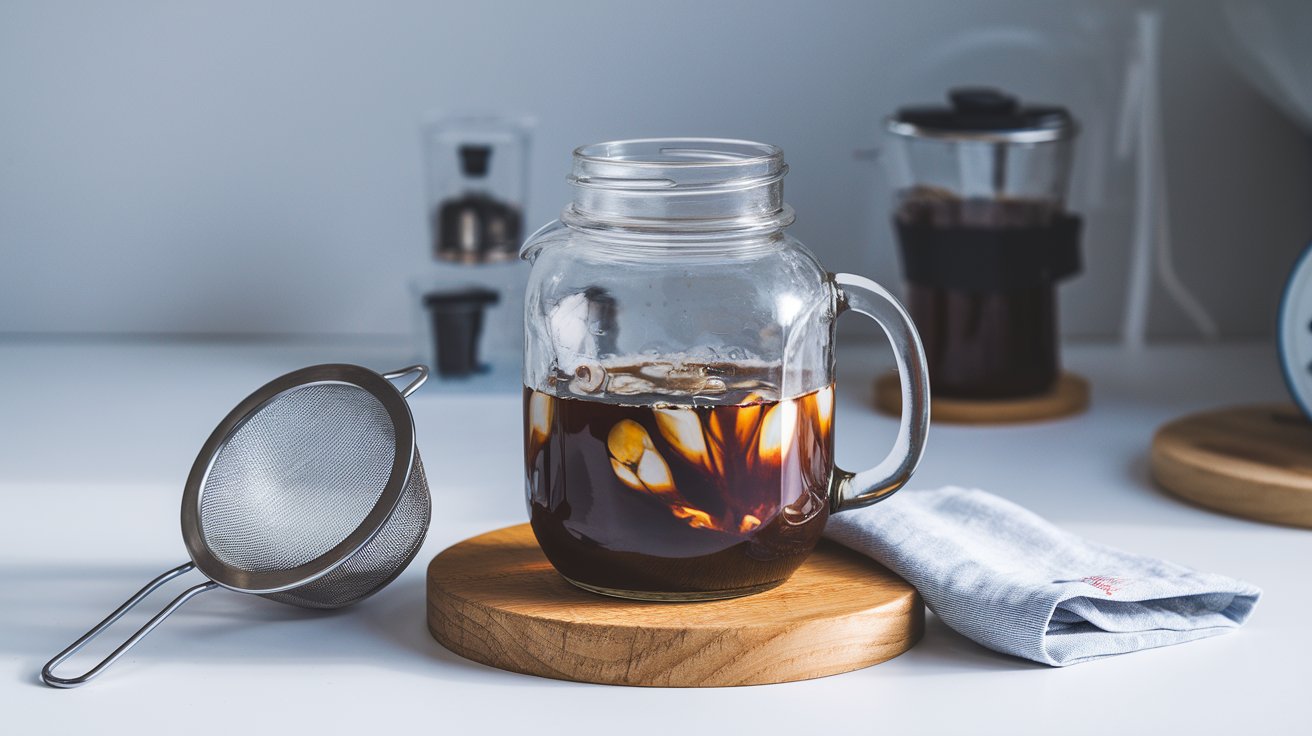
Creating exceptional cold brew at home requires minimal equipment, making it accessible for anyone interested in brewing. You’ll need a large container or jar, a fine-mesh strainer or cheesecloth, and coarsely ground coffee beans. Many Americans in 2026 use dedicated cold brew makers that simplify the process, but a simple mason jar works perfectly for beginners. The beauty of cold brewing lies in its simplicity and forgiving nature compared to hot brewing methods that require precise timing and temperature control.
The quality of your water significantly impacts the final taste, as cold brew uses a higher proportion of water than traditional brewing methods. Filtered or bottled water produces the cleanest flavor profile, eliminating chlorine and mineral tastes that can interfere with the coffee’s natural notes. As for coffee beans, medium to dark roasts work exceptionally well for cold brew, though many coffee enthusiasts experiment with lighter roasts to highlight fruity and floral notes that shine through the cold brewing process.
The Perfect Coffee to Water Ratio for Cold Brew
Understanding the proper coffee to water ratio is crucial for making balanced cold brew that suits your taste preferences. The standard ratio that most baristas recommend is 1:4 for concentrate or 1:8 for ready-to-drink cold brew. For concentrate, use 1 cup of coarsely ground coffee to 4 cups of cold water, which you’ll later dilute with additional water, milk, or ice. This cold brew ratio produces a robust concentrate that maintains flavor even when diluted, making it economical and versatile for various coffee drinks throughout the week.
American coffee consumption patterns in 2026 show increasing preference for customizable strength levels, so adjusting this ratio becomes essential. If you prefer stronger cold brew, increase to a 1:3 ratio, or dilute to 1:10 for milder coffee that’s less caffeinated. Most cold brew makers include measurement guides, but experimenting with ratios helps you discover your perfect balance. Remember that the grind size affects extraction, so coarser grinds require higher coffee quantities while finer grinds extract more efficiently with less coffee needed.
How to Make Cold Brew with Ground Coffee
The traditional method of making cold brew with ground coffee remains the gold standard for flavor and quality control. Start by coarsely grinding your favorite coffee beans, aiming for a consistency similar to raw sugar or sea salt crystals. Place the grounds in a large jar or pitcher, add cold filtered water following your chosen ratio, and stir gently to ensure all grounds are saturated. Cover the container and let it steep at room temperature or in the refrigerator for 12-24 hours, depending on your desired strength and flavor intensity.
After steeping, strain the mixture through a fine-mesh sieve lined with cheesecloth or a coffee filter to remove all coffee grounds and sediment. This double-filtration process ensures a smooth, grit-free concentrate that stays fresh in the refrigerator for up to two weeks. The resulting cold brew concentrate contains higher caffeine levels than regular coffee, with approximately 200mg per 8-ounce serving before dilution. Many Americans in 2026 prep large batches on Sunday evenings, providing convenient cold brew throughout their workweek without daily brewing hassles.
Cold Brew Methods for Different Coffee Types
Understanding how various coffee forms work in cold brewing expands your options and flexibility when making cold brew at home.
How to Make Cold Brew with Fine Ground Coffee
While coarse grounds are standard, many people wonder about making cold brew with fine ground coffee since they often have pre-ground coffee at home. Fine grounds work but require adjustments to prevent over-extraction and bitterness. Reduce steeping time to 8-12 hours instead of the standard 12-24 hours, as the increased surface area of fine grounds extracts more quickly. Use a 1:5 or 1:6 ratio rather than 1:4, as fine grounds extract more efficiently and can produce overly strong concentrate with standard ratios.
The filtration process becomes more challenging with fine ground coffee, requiring multiple filtrations or specialized equipment like paper filters or French press systems. Many cold brew enthusiasts in 2026 use reusable metal filters designed specifically for fine grounds, which remove sediment while allowing beneficial coffee oils to pass through. Despite the extra effort, fine ground cold brew produces a fuller-bodied concentrate with more pronounced flavors, though it may contain slightly more sediment than coarse-ground versions.
How to Make Cold Brew with Instant Coffee
Creating cold brew with instant coffee offers a quick alternative for those seeking cold coffee without the extended steeping time. Mix 2-3 tablespoons of instant coffee crystals with 8 ounces of cold water, stirring vigorously until completely dissolved. While this method technically isn’t traditional cold brew since instant coffee was already brewed and dehydrated, it provides a similar cold coffee experience in seconds rather than hours. Add ice, milk, or sweeteners according to your preference for an instant cold coffee beverage.
For improved flavor when using instant coffee, opt for premium freeze-dried varieties rather than spray-dried options, as they retain more original coffee characteristics. Some American brands in 2026 specifically market instant cold brew formulas designed to dissolve in cold liquids, eliminating the metallic taste sometimes associated with traditional instant coffee. Though convenient, this method lacks the smooth, low-acid profile that traditional cold brewing produces, making it better suited for emergency situations rather than regular consumption.
How to Make Cold Brew with Nescafe
Making cold brew at home with Nescafe follows similar principles to other instant coffee methods but with specific ratio adjustments. Nescafe’s granulated coffee dissolves easily in cold water when using 1-2 teaspoons per 8 ounces of cold water, depending on desired strength. Stir continuously for 30-60 seconds until all granules dissolve completely, then add ice to chill the beverage quickly. This method works particularly well for iced coffee drinks when you need immediate caffeine without waiting for traditional cold brew.
The convenience of Nescafe makes it popular among busy Americans who want cold coffee without preparation time or specialized equipment. However, the flavor profile differs significantly from traditional cold brew, lacking the smooth sweetness and complex notes that slow extraction produces. Consider this method as iced instant coffee rather than authentic cold brew, useful for quick caffeine fixes but not a replacement for properly steeped cold brew concentrate made with whole bean coffee.
How to Make Cold Brew with Espresso
Creating cold brew at home with espresso actually refers to making cold espresso-based drinks rather than traditional cold brew, as these are distinct brewing methods. Brew fresh espresso shots using your espresso machine, then immediately pour over ice to create iced espresso or mix with cold milk for iced lattes. This method produces stronger, more concentrated flavor than traditional cold brew since espresso uses pressure and hot water for rapid extraction. The resulting beverage has more pronounced acidity and intensity compared to the mellow smoothness of cold brew.
For a hybrid approach, some coffee enthusiasts brew espresso, let it cool, then mix it with cold brew concentrate to create a turbo-charged cold coffee with layered flavors. This combination became popular in American specialty coffee shops throughout 2026, offering the complexity of espresso with the smoothness of cold brew. When using espresso for cold drinks, brew directly onto ice to preserve aromatic compounds and prevent oxidation that occurs when espresso sits at room temperature before chilling.
How to Make Cold Brew Without Equipment
One of the most appealing aspects of cold brew is that you can make excellent coffee without purchasing specialized equipment. The simplest method for making cold brew at home without equipment uses items already in your kitchen: a large jar, coffee grounds, water, and a basic strainer. Combine coarse coffee grounds and cold water in any clean jar or pitcher, stir well, and let it sit covered at room temperature for 12-18 hours. The container size doesn’t matter as long as you maintain proper coffee-to-water ratios and have enough room for the grounds to fully saturate.
For filtering without equipment, layer a standard kitchen strainer with paper towels or clean cotton cloth to catch coffee grounds and sediment. Pour the steeped coffee slowly through this makeshift filter into another container, allowing gravity to do the work without pressing or squeezing, which can force bitter compounds through. This no-equipment method produces cold brew identical in quality to expensive cold brew makers, proving that technique matters more than tools. Many minimalist coffee lovers in 2026 prefer this approach, appreciating the simplicity and avoiding single-use kitchen gadgets that clutter countertops.
Health Considerations: Cold Brew and Gastritis
Many people with digestive sensitivities wonder whether cold brew is good for gastritis, as traditional hot coffee often aggravates stomach issues. Cold brew contains approximately 67% less acid than hot-brewed coffee due to the cold extraction process, which doesn’t pull as many acidic compounds from the coffee grounds. This lower acidity makes cold brew gentler on sensitive stomachs and potentially more tolerable for individuals with gastritis, acid reflux, or other gastrointestinal conditions. However, individual tolerance varies, and caffeine itself can stimulate acid production regardless of brewing method.
The caffeine content in cold brew actually exceeds regular coffee when consumed as concentrate, which may exacerbate gastritis symptoms despite lower acidity. If you have gastritis, dilute cold brew concentrate more than usual, starting with a 1:3 concentrate-to-water ratio rather than 1:1. Consider limiting consumption to 8 ounces daily and always consume cold brew with food rather than on an empty stomach. Some Americans with digestive issues in 2026 successfully enjoy cold brew by choosing lighter roasts, which contain less irritating compounds than dark roasts, and adding milk or plant-based alternatives that buffer remaining acids.
Can You Make Cold Brew from Regular Coffee
Absolutely, you can make cold brew from regular coffee that you already have at home, whether it’s pre-ground supermarket coffee or beans you typically use for hot brewing. The cold brewing process works with any coffee type, though results vary based on roast level, bean quality, and grind size. Regular medium-roast coffee from your pantry produces perfectly acceptable cold brew, especially when you follow proper ratios and steeping times. Many Americans discovered during the 2020s that premium specialty beans aren’t necessary for enjoyable cold brew, making this brewing method economical and accessible.
If your regular coffee is pre-ground for drip coffee makers, it likely has a medium grind that falls between ideal coarse cold brew grind and problematic fine grind. Use this medium-ground coffee with a slightly reduced steeping time of 10-14 hours instead of the full 24 hours to prevent over-extraction. The resulting cold brew may have slightly more sediment and potentially stronger bitterness than coarse-ground versions, but double-filtering eliminates most issues. Experiment with your existing coffee before investing in special cold brew beans, as you may find your regular coffee produces cold brew that perfectly suits your taste preferences.
Making Coffee Anti-Inflammatory Through Cold Brewing
Understanding how to make coffee anti-inflammatory involves both brewing method selection and ingredient additions that enhance health benefits. Cold brew naturally contains higher levels of beneficial compounds like chlorogenic acids, which have anti-inflammatory properties, compared to hot brewing that degrades these compounds through heat exposure. The cold extraction process preserves antioxidants that combat inflammation, making cold brew potentially more beneficial for individuals concerned about inflammatory conditions. Research in 2026 continues exploring coffee’s anti-inflammatory potential, with cold brew showing promising results in preliminary studies.
To maximize the anti-inflammatory benefits of your cold brew, add ingredients known for inflammation-fighting properties. Cinnamon contains cinnamaldehyde, a powerful anti-inflammatory compound that complements coffee’s natural bitterness while adding subtle sweetness without sugar. Turmeric, though unconventional, pairs surprisingly well with cold brew when combined with black pepper and a dash of milk, creating a golden cold brew latte. Many health-conscious Americans in 2026 add collagen peptides or MCT oil to their cold brew, supporting gut health and reducing inflammation throughout the body while creating a creamy, satisfying beverage.
Choosing and Using a Cold Brew Maker
Investing in a dedicated cold brew maker streamlines the brewing process and eliminates messy filtering steps, though it’s not essential for great results. Popular cold brew makers in 2026 range from simple immersion brewers with built-in filters to sophisticated systems with adjustable flow rates and temperature controls. The Toddy Cold Brew System remains a favorite among serious cold brew enthusiasts, using a reusable filter and dedicated brewing container that produces up to 56 ounces of concentrate. More compact options like the OXO Cold Brew Coffee Maker suit small households with limited refrigerator space while still producing excellent results.
When selecting a cold brew maker, consider capacity, filtration system quality, and ease of cleaning as primary factors. Glass or stainless steel construction proves more durable and flavor-neutral than plastic alternatives, which can absorb odors and impart unwanted tastes over time. Many Americans prefer makers with built-in taps or spigots that allow dispensing concentrate without removing the entire container from the refrigerator. Regardless of price point, any dedicated cold brew maker should include a fine-mesh filter that eliminates sediment while allowing coffee oils to pass through, preserving the rich mouthfeel that makes cold brew distinctive.
Storage and Serving Tips for Homemade Cold Brew
Proper storage extends the life and maintains the quality of your homemade cold brew concentrate for up to two weeks when refrigerated in an airtight container. Glass jars or bottles work best for storage, as they don’t absorb odors or flavors and protect the cold brew from light exposure that can degrade taste over time. Always store cold brew concentrate and ready-to-drink versions separately, as diluted cold brew deteriorates faster than concentrate due to increased water content. Label containers with brewing dates to track freshness, as cold brew quality peaks within the first week after brewing.
When serving cold brew, remember that concentrate requires dilution unless you prefer extremely strong coffee. The standard dilution ratio is 1 part concentrate to 1 part water, milk, or plant-based alternative, though adjust according to personal preference. Many Americans in 2026 enjoy cold brew over ice with a splash of oat milk or almond milk, which complements the coffee’s natural sweetness without added sugar. For special occasions, freeze cold brew into ice cubes that won’t dilute your drink as they melt, maintaining consistent coffee flavor throughout your beverage. Cold brew concentrate also works excellently in coffee-based cocktails, smoothies, and even as a marinade base for meats, showcasing its versatility beyond morning beverages.
Related video about how to make cold brew at home
This video complements the article information with a practical visual demonstration.
Everything you need to know about how to make cold brew at home
Can you make cold brew from regular coffee?
Yes, you can absolutely make cold brew from regular coffee you already have at home. Any coffee works for cold brewing, though coarse grinds produce the best results. If using pre-ground coffee with a medium grind, reduce steeping time to 10-14 hours instead of 24 hours to prevent over-extraction. The cold brew process is forgiving and works with supermarket coffee, specialty beans, or whatever you typically use for hot brewing, making it an economical and accessible brewing method for any coffee lover.
Is cold brew good for gastritis?
Cold brew may be better for gastritis than regular coffee because it contains approximately 67% less acid due to the cold extraction process. The lower acidity makes it gentler on sensitive stomachs and potentially more tolerable for individuals with gastritis or acid reflux. However, cold brew still contains caffeine that can stimulate acid production, so dilute concentrate more than usual and consume with food rather than on an empty stomach. Individual tolerance varies, so start with small amounts and monitor your body’s response.
What is the ratio of coffee to water for cold brew coffee?
The standard coffee to water ratio for cold brew is 1:4 for concentrate or 1:8 for ready-to-drink cold brew. For concentrate, use 1 cup of coarsely ground coffee to 4 cups of cold water, which you’ll dilute later with additional water, milk, or ice. This ratio produces robust concentrate that maintains flavor even when diluted. For stronger cold brew, increase to 1:3, or dilute to 1:10 for milder coffee. Adjust ratios based on grind size and personal taste preferences through experimentation.
How do you make coffee anti-inflammatory?
To make coffee anti-inflammatory, use cold brewing which preserves beneficial compounds like chlorogenic acids that have anti-inflammatory properties better than hot brewing. Add ingredients known for inflammation-fighting benefits such as cinnamon, which contains cinnamaldehyde, or turmeric combined with black pepper. Many health-conscious coffee drinkers also add collagen peptides or MCT oil to their cold brew, supporting gut health while reducing inflammation. Choose high-quality, organic coffee beans and avoid excessive sugar, which can counteract anti-inflammatory benefits.
How long should cold brew steep?
Cold brew should steep for 12-24 hours depending on desired strength and grind size. Coarse grounds typically require 18-24 hours for optimal extraction, while medium grinds need 12-16 hours, and fine grounds only 8-12 hours. Steeping at room temperature produces faster extraction than refrigerator steeping, which may require an additional 4-6 hours. Experiment with steeping times to find your perfect balance, keeping in mind that longer steeping increases caffeine content and flavor intensity but may also extract more bitter compounds.
Can you make cold brew without special equipment?
Yes, you can easily make cold brew without special equipment using items already in your kitchen. Simply combine coarse coffee grounds and cold water in any clean jar or pitcher, stir well, and let sit covered for 12-18 hours. Filter the mixture through a standard kitchen strainer lined with paper towels or clean cloth to remove grounds and sediment. This no-equipment method produces cold brew identical in quality to expensive cold brew makers, proving that proper technique matters more than specialized tools or gadgets.
| Cold Brew Method | Best For | Steeping Time | Key Advantage |
|---|---|---|---|
| Coarse Ground Coffee | Traditional cold brew enthusiasts | 18-24 hours | Smoothest flavor, lowest acidity |
| Fine Ground Coffee | Using pre-ground coffee | 8-12 hours | Fuller body, intense flavor |
| Instant Coffee | Quick cold coffee needs | 30-60 seconds | Immediate results, no wait time |
| Cold Brew Maker | Regular cold brew drinkers | 12-24 hours | Easy filtering, consistent results |
| No Equipment Method | Minimalists and beginners | 12-18 hours | Zero investment, simple process |