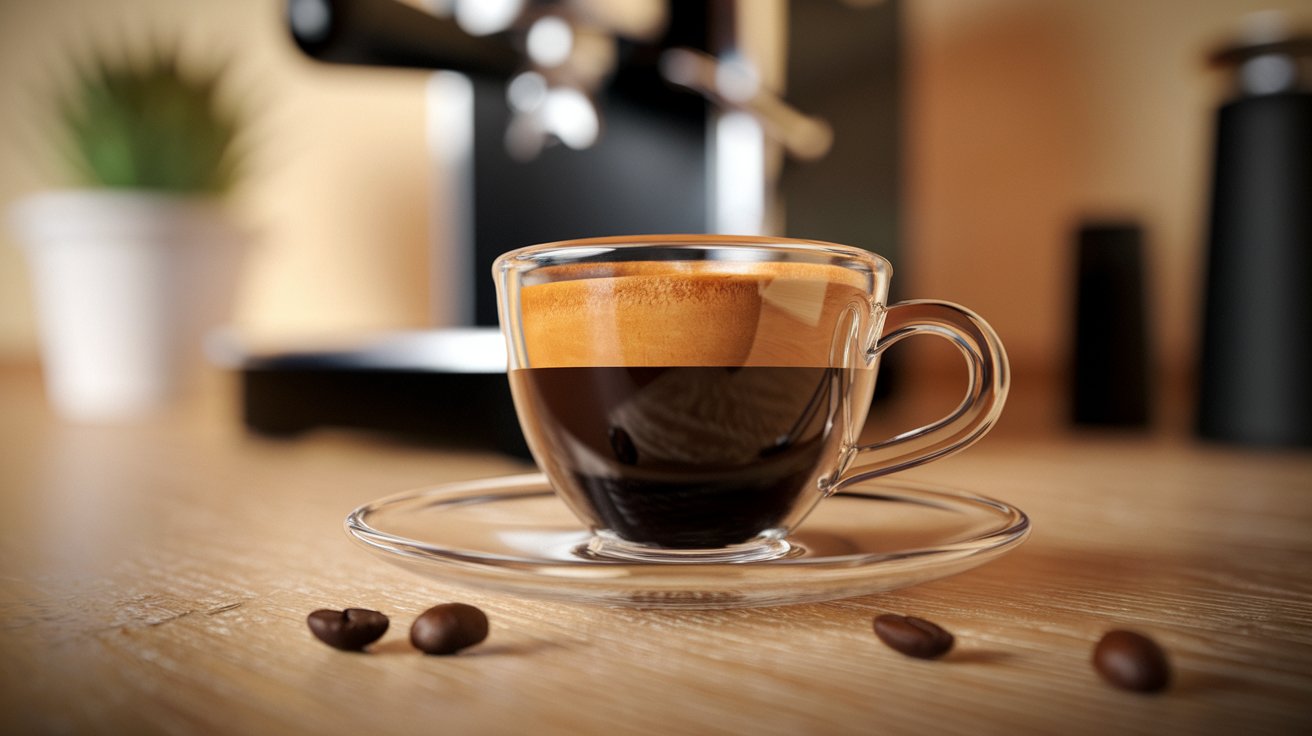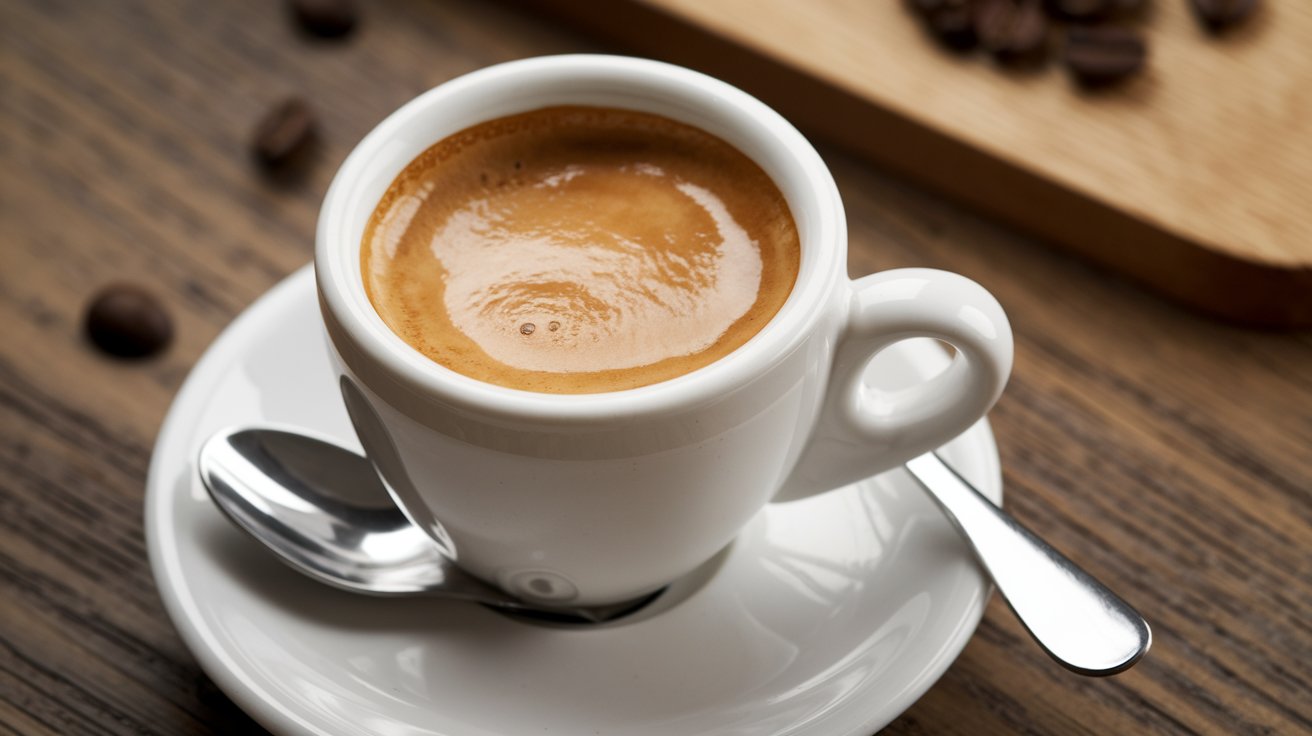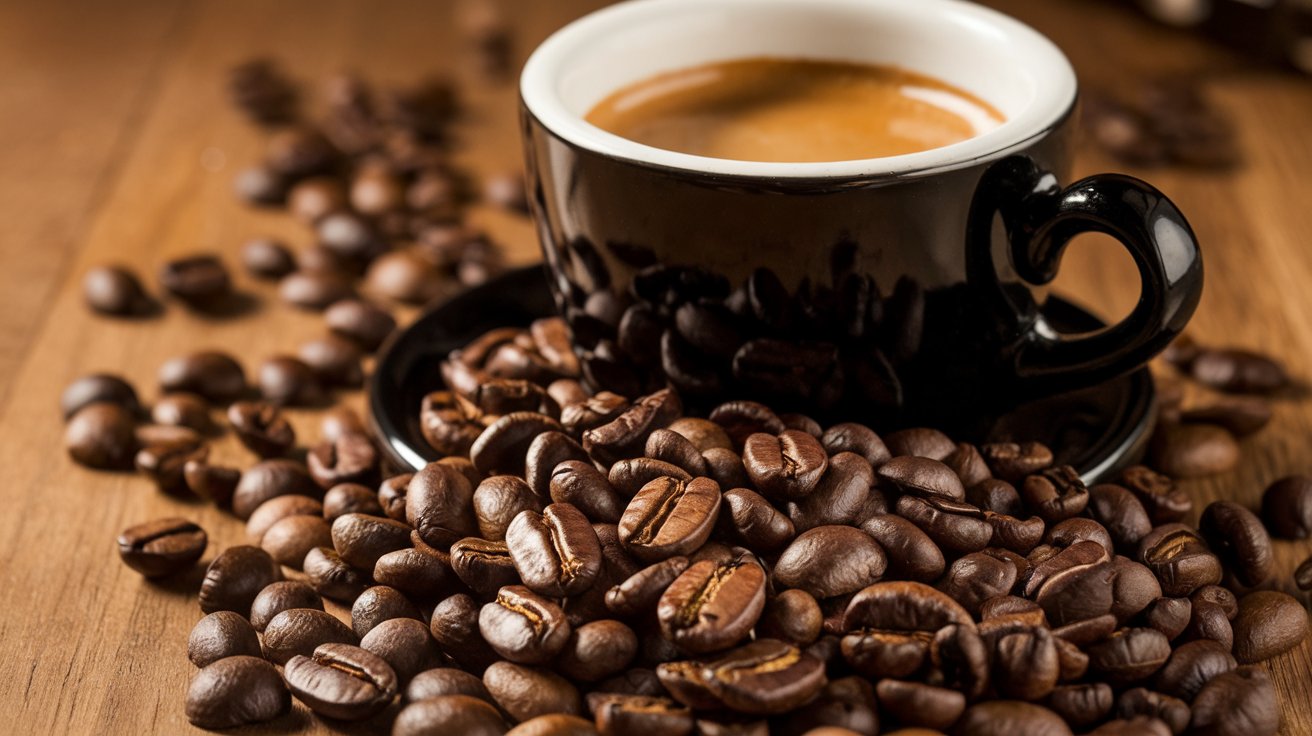
The distinction between espresso beans and coffee beans confuses many coffee enthusiasts in the United States. The truth is that espresso beans are not a different species of coffee plant, but rather regular coffee beans roasted and prepared specifically for espresso brewing. The primary differences lie in roast level, grind size, and brewing method. This comprehensive guide examines the roasting processes, caffeine content, flavor profiles, and brewing techniques to help you understand what sets espresso beans apart from standard coffee beans.
Understanding Coffee Beans: The Foundation
All coffee beans originate from the same two primary species: Coffea arabica and Coffea robusta. In 2026, approximately 60% of coffee consumed in the United States comes from arabica beans, prized for their smooth, complex flavor profiles with subtle acidity. Robusta beans contain higher caffeine levels, typically 2.2% to 2.7% compared to arabica’s 1.2% to 1.5%, and deliver a stronger, more bitter taste with earthy undertones. These beans grow in tropical regions across Central and South America, Africa, and Southeast Asia.
The coffee bean itself is the seed of the coffee cherry, processed through either wet or dry methods to remove the fruit layers. After processing, green coffee beans undergo sorting and grading based on size, density, and defect count. The United States imports over 27 million bags of coffee annually as of 2026, with specialty coffee representing a growing 45% market share. Understanding that all espresso and regular coffee starts with these same raw beans is crucial to demystifying the espresso versus coffee debate.
What Defines Espresso Beans
The term espresso beans refers to coffee beans roasted darker and longer specifically for espresso machine extraction. This darker roast level, typically ranging from Full City to Italian roast on the roasting spectrum, develops oils on the bean surface that contribute to espresso’s characteristic crema and bold flavor. Roasters in the United States increasingly use arabica beans or arabica-robusta blends for espresso roasts, with single-origin espresso beans gaining 32% popularity growth in specialty cafes throughout 2025-2026.
Espresso beans undergo roasting at temperatures between 440°F and 480°F for 12 to 15 minutes, longer than medium roast coffee beans. This extended roasting process caramelizes sugars within the bean, reduces acidity, and creates the rich, intense flavor profile associated with espresso. The darker roast also makes beans more brittle and easier to grind to the fine consistency required for espresso extraction. Many roasters label their espresso beans with specific blend ratios, origin information, and roast dates to help consumers achieve optimal results within 2 to 4 weeks of roasting.
Key Differences Between Espresso and Coffee Beans
While fundamentally the same product before roasting, espresso beans and coffee beans diverge significantly during the roasting process. These differences impact flavor extraction, brewing requirements, and the final cup characteristics that coffee drinkers experience.
Roast Level and Color
Coffee beans labeled for drip brewing typically receive a medium roast classification, reaching internal temperatures of 410°F to 430°F. These beans maintain a medium brown color without surface oils, preserving the origin characteristics and inherent acidity of the coffee. Medium roasts allow subtle flavor notes like fruit, floral, or chocolate undertones to shine through. In contrast, espresso beans endure higher temperatures and longer roasting times, resulting in a dark brown to nearly black appearance with visible oil sheen. This darker roast minimizes origin-specific flavors while emphasizing roast-developed characteristics like caramel, chocolate, and toasted notes.
The Agtron scale measures roast color numerically, with lower numbers indicating darker roasts. Medium roast coffee beans typically score 50 to 60 on this scale, while espresso roasts register between 30 and 45. This measurable difference affects solubility during brewing, with darker roasted espresso beans releasing compounds more readily under the high-pressure extraction method. United States specialty roasters in 2026 increasingly offer transparency about roast levels, providing consumers with precise information to match beans with their preferred brewing method.
Grind Size Requirements
The grind size for espresso beans must be extremely fine, resembling table salt or fine sand, to create sufficient resistance for proper espresso extraction. This fine grind allows the pressurized water in espresso machines, operating at 9 bars of pressure, to extract flavors in the optimal 25 to 30 second timeframe. The particle size for espresso grinding ranges from 200 to 400 microns, requiring burr grinders with precision adjustment capabilities. Regular coffee beans used for drip brewing need a medium grind consistency similar to coarse sand, with particle sizes between 500 and 800 microns.
Grinding espresso beans too coarse results in under-extraction, producing sour, weak shots with thin crema, while grinding too fine causes over-extraction and bitter, astringent flavors. The grind size directly impacts extraction efficiency and flavor balance. In 2026, advanced home espresso grinders with stepped or stepless adjustment allow enthusiasts to dial in the perfect grind for their specific beans and machines. Drip coffee’s coarser grind prevents over-extraction during the longer 4 to 6 minute brewing cycle, maintaining balanced flavor without excessive bitterness.
Flavor Profile Characteristics
Espresso beans produce concentrated, bold, and intense flavor profiles with reduced acidity compared to lighter roasted coffee beans. The dark roasting process develops flavors of dark chocolate, caramel, toasted nuts, and sometimes smoky or charred notes depending on roast degree. The high-pressure espresso brewing method extracts these flavors rapidly, creating a thick, syrupy beverage with complex layering. The crema layer, containing emulsified oils and carbon dioxide, adds textural richness and aromatic intensity that defines the classic espresso experience.
Regular coffee beans, especially those roasted to medium levels, showcase brighter acidity and origin-specific flavor notes. Depending on growing region and processing method, medium roast coffee can express flavors ranging from berry and citrus to floral, wine-like, or tea-like characteristics. The slower drip brewing extraction at lower pressure allows more nuanced flavors to emerge without the concentrated intensity of espresso. According to 2026 consumer surveys, 58% of United States coffee drinkers prefer the balanced complexity of medium roast for daily consumption, while 34% favor the bold intensity of espresso-style beverages.
Caffeine Content: Espresso vs Coffee Beans
A common misconception suggests that espresso beans contain more caffeine than regular coffee beans, but the reality involves understanding serving sizes and extraction methods. By weight, darker roasted espresso beans actually contain slightly less caffeine than lighter roasted beans because the extended roasting process breaks down some caffeine molecules. However, the concentrated brewing method and typical consumption patterns create different caffeine delivery profiles.
A standard 1-ounce espresso shot contains approximately 63 to 75 milligrams of caffeine, while an 8-ounce cup of drip coffee contains 95 to 165 milligrams depending on brew strength and bean origin. This means drip coffee delivers more total caffeine per typical serving, despite espresso’s more concentrated flavor. The confusion arises when comparing caffeine by volume: per ounce, espresso contains roughly 63 mg compared to drip coffee’s 12 to 20 mg per ounce. In 2026, the average United States coffee consumer ingests approximately 240 mg of caffeine daily from coffee, typically through multiple servings throughout the day.
The extraction efficiency of espresso brewing pulls caffeine rapidly from finely ground beans under high pressure, achieving 85% to 92% extraction in 25 to 30 seconds. Drip brewing extracts caffeine more gradually, achieving 75% to 85% efficiency over several minutes. You can use regular coffee beans to make espresso, and the caffeine content will remain similar based on the bean origin and roast level rather than the label designation. Understanding these nuances helps consumers make informed choices about their caffeine intake based on brewing method and serving size rather than bean labeling alone.
Can You Use Coffee Beans for Espresso
Many coffee enthusiasts wonder whether they can use regular coffee beans in their espresso machines, and the answer is absolutely yes, with some important considerations. Since espresso beans and coffee beans originate from identical sources before roasting, any coffee bean can technically produce espresso when ground appropriately and extracted under pressure. However, the roast level significantly impacts the flavor profile and crema production in the final espresso shot.
Using medium roast coffee beans for espresso creates a brighter, more acidic shot with fruity or floral notes that some specialty coffee enthusiasts prefer. This approach highlights origin characteristics and terroir, producing what the specialty coffee community calls a lighter espresso or filter-style espresso. The crema may be lighter in color and less persistent compared to traditional dark roast espresso. In 2026, approximately 23% of specialty cafes in the United States offer lighter roasted espresso options to showcase single-origin beans, responding to consumer demand for diverse flavor experiences.
The main challenge when using regular coffee beans for espresso involves dialing in the grind size and extraction parameters. Lighter roasts require finer grinding and potentially different brew ratios to achieve proper extraction. The less developed cell structure in medium roast beans can make them harder to extract fully, sometimes requiring higher brewing temperatures between 200°F and 205°F compared to the standard 195°F to 200°F for dark roasts. Experimentation with grind adjustment, dose weight, and extraction time allows you to successfully pull espresso shots from any coffee bean, though the flavor profile will differ from traditional espresso expectations.
Choosing the Right Beans for Your Brewing Method
Selecting between espresso beans and coffee beans ultimately depends on your preferred brewing method and desired flavor profile. This decision impacts not just taste, but also the overall coffee experience, from grinding and preparation to final cup satisfaction.
Best Beans for Espresso Machines
For traditional espresso machines, dark roasted beans labeled specifically for espresso deliver the most consistent and satisfying results. These beans produce the characteristic crema, rich body, and bold flavor that define espresso beverages. Look for beans roasted within the past 2 to 4 weeks, as freshly roasted coffee degasses carbon dioxide essential for crema formation. Popular espresso blends in the United States typically combine 70% to 80% arabica beans with 20% to 30% robusta, creating enhanced crema and caffeine content while maintaining smooth flavor.
Single-origin espresso beans have gained significant traction in 2026, with Ethiopian, Colombian, and Brazilian beans leading specialty espresso offerings. These showcase unique regional characteristics even through darker roasting. When purchasing espresso beans, verify the roast date, origin information, and recommended brewing parameters. Many specialty roasters provide specific guidance for dose weight, typically 18 to 20 grams for double shots, and ideal extraction times. Investing in high-quality espresso beans enhances shot consistency and reduces variables when dialing in your espresso machine.
Optimal Beans for Drip and Pour Over
Drip coffee makers and pour over methods perform best with medium roast coffee beans that preserve acidity and origin characteristics. These brewing methods allow longer extraction times and showcase subtle flavor notes that darker roasts mask. Light to medium roasts score between 55 and 70 on the Agtron scale, maintaining the bean’s inherent qualities while developing pleasant sweetness and body. The slower extraction process complements medium roast complexity, producing balanced cups with clean finish.
For pour over brewing, single-origin coffee beans from regions like Kenya, Ethiopia, Costa Rica, or Guatemala express distinctive terroir through the precise extraction control this method provides. The recommended coffee-to-water ratio of 1:15 to 1:17 extracts optimal flavors without bitterness. In 2026, United States consumers increasingly appreciate the clarity and brightness that medium roasts offer through manual brewing methods. When selecting coffee beans for drip brewing, consider your water quality, temperature control, and desired flavor intensity to match bean characteristics with your equipment capabilities.
Beans for French Press and Cold Brew
French press coffee benefits from medium to medium-dark roast beans that produce full body without overwhelming bitterness during the 4-minute immersion brewing process. The coarse grind size and longer contact time extract oils and flavors differently than drip methods, creating a heavier mouthfeel. Beans with chocolate, nut, or caramel notes work particularly well, as the French press brewing amplifies body and richness while filtering out only the largest particles.
Cold brew coffee requires a different approach, with many enthusiasts preferring darker roasted coffee beans similar to espresso roasts for their lower acidity and smooth, sweet flavor profile. The extended 12 to 24 hour steeping time at room temperature or refrigerated conditions extracts flavors gradually without heat. This method produces 67% less acidity than hot brewing, making darker roasts ideal for the smooth, chocolatey cold brew concentrate popular throughout United States coffee shops. Using a 1:4 to 1:8 coffee-to-water ratio creates concentrate that dilutes with water or milk, offering versatility in serving options.
The 15-15-15 Coffee Rule Explained
The 15-15-15 coffee rule represents a guideline for optimal coffee freshness and quality that applies to both espresso and regular coffee beans. This rule suggests waiting 15 hours after roasting before brewing, consuming coffee within 15 days of the roast date for peak flavor, and finishing opened bags within 15 days of opening. While not scientifically rigid, this framework helps consumers maximize their coffee bean investment and flavor experience.
The first 15-hour waiting period allows freshly roasted beans to degas excess carbon dioxide that can interfere with proper extraction. This degassing is especially important for espresso, where excess gas causes channeling and inconsistent extraction. The 15-day peak freshness window represents when coffee flavors remain most vibrant before staleness sets in. After roasting, oxidation gradually degrades flavor compounds, with noticeable decline beginning around day 14 to 21 depending on storage conditions. The final 15-day consumption guideline after opening acknowledges that exposure to oxygen accelerates staleness, even with proper storage.
In 2026, coffee experts refine this rule based on roast level and storage technology. Darker espresso roasts remain flavorful for 21 to 28 days due to their lower moisture content and more stable compound structure. Lighter roasts show more dramatic flavor changes and benefit from consumption within 10 to 14 days of roasting. Proper storage in airtight containers away from light, heat, and moisture extends freshness. Many United States specialty roasters now use nitrogen-flushed packaging with one-way valves, extending shelf life to 3 to 6 months before opening while maintaining reasonable freshness for home consumers.
How Many Espresso Beans Equal a Cup of Coffee
Comparing espresso beans to a cup of coffee involves understanding both weight measurements and caffeine equivalency. A standard double espresso shot uses 18 to 20 grams of ground espresso beans and produces approximately 2 ounces of liquid containing 120 to 150 milligrams of caffeine. A typical 8-ounce cup of drip coffee uses 12 to 15 grams of ground coffee beans and delivers 95 to 165 milligrams of caffeine depending on brew strength and bean origin.
From a caffeine perspective, one 8-ounce cup of drip coffee roughly equals two double espresso shots or 36 to 40 grams of espresso beans. However, the volume difference is substantial: 8 ounces of drip coffee versus 2 to 4 ounces of espresso. This explains why espresso feels more intense despite similar or slightly lower total caffeine. The concentration factor makes espresso approximately 4 times stronger per ounce than drip coffee, affecting both flavor intensity and caffeine delivery rate.
When considering whole espresso beans consumed as snacks, which gained popularity in 2026 with chocolate-covered varieties, each bean contains approximately 6 to 12 milligrams of caffeine depending on size and roast level. This means you would need to eat approximately 8 to 14 espresso beans to equal one espresso shot, or 16 to 28 beans to match an 8-ounce cup of coffee. However, eating whole coffee beans delivers caffeine differently than brewed coffee, with potentially stronger effects due to consuming the entire bean including fiber and oils normally filtered out during brewing. Most nutrition experts recommend limiting whole bean consumption to 20 to 30 beans daily to avoid excessive caffeine intake or digestive discomfort.
Popular Espresso Bean Varieties in the United States
The United States espresso market in 2026 features diverse bean offerings from specialty roasters and commercial brands. Italian-style espresso blends remain popular, typically combining Brazilian, Colombian, and Central American beans roasted to dark levels for traditional flavor profiles. These blends emphasize chocolate and caramel notes with low acidity, creating the foundation for milk-based drinks like lattes and cappuccinos. Major brands like Illy, Lavazza, and Peet’s Coffee dominate the commercial espresso segment with consistent blend formulations.
Specialty roasters increasingly offer single-origin espresso beans that challenge traditional espresso conventions. Ethiopian beans produce fruit-forward espresso with berry and floral notes, while Colombian beans deliver balanced sweetness with chocolate undertones. Brazilian natural process beans create heavy body with nutty, sweet flavors ideal for straight espresso consumption. The specialty espresso segment grew 28% in 2025, reflecting consumer interest in diverse flavor experiences beyond traditional Italian espresso profiles.
Organic and sustainably sourced espresso beans represent another growing category, with Fair Trade and Rainforest Alliance certified options becoming standard offerings at quality roasters. These beans often command premium prices between $16 and $24 per pound compared to $10 to $14 for conventional espresso beans. Direct trade relationships between roasters and coffee farmers ensure quality control and ethical sourcing, appealing to socially conscious consumers. In 2026, approximately 41% of specialty espresso purchases in the United States include sustainability certifications, demonstrating the market’s commitment to ethical coffee sourcing alongside quality considerations.
Storage and Freshness for Coffee and Espresso Beans
Proper storage significantly impacts both coffee bean and espresso bean quality, with freshness degradation beginning immediately after roasting. Oxygen exposure causes oxidation of flavor compounds, moisture introduces staleness, light accelerates chemical breakdown, and heat speeds all degradation processes. The ideal storage solution addresses all four factors simultaneously to preserve bean quality for maximum duration.
Store both coffee and espresso beans in airtight containers made from opaque materials like ceramic, stainless steel, or UV-protected glass. Keep containers in cool, dark locations away from heat sources, with temperatures between 50°F and 70°F optimal for preservation. Never store beans in the refrigerator or freezer unless using specialized techniques, as condensation introduces moisture that damages flavor. The one-way valve bags that many roasters use provide adequate storage before opening, allowing carbon dioxide escape while preventing oxygen entry.
After opening, consume espresso beans within 10 to 14 days for optimal flavor, as their darker roast makes them more porous and susceptible to staleness. Medium roast coffee beans maintain quality slightly longer, remaining acceptable for 14 to 21 days after opening with proper storage. In 2026, vacuum-sealed storage containers with manual pumps extend freshness by removing oxygen, adding 5 to 7 days to the useful life of opened beans. Some coffee enthusiasts portion beans into small containers, opening only what they’ll use within a week, while keeping the remainder sealed to minimize repeated oxygen exposure.
For maximum freshness, purchase beans in quantities matching your consumption rate rather than bulk buying. A single person drinking one espresso daily needs approximately 140 to 180 grams of beans weekly, suggesting 250-gram bags provide optimal freshness windows. Families or heavy coffee consumers benefit from slightly larger purchases of 500 grams to 1 kilogram, consumed within 3 to 4 weeks. Many United States specialty roasters offer subscription services delivering freshly roasted beans on customized schedules, ensuring consistent access to peak-freshness coffee without requiring large storage quantities.
Related video about espresso beans vs coffee beans
This video complements the article information with a practical visual demonstration.
Frequently Asked Questions
Can I use coffee beans for my espresso machine?
Yes, you can absolutely use regular coffee beans in your espresso machine. Since espresso beans and coffee beans come from the same plants before roasting, any coffee bean works for espresso when ground to the appropriate fine consistency. However, using medium roast coffee beans instead of dark roasted espresso beans produces a brighter, more acidic shot with different flavor characteristics. You may need to adjust your grind size, brewing temperature, and extraction time to achieve optimal results. The espresso will lack some traditional characteristics like thick crema and bold chocolate notes, but many specialty coffee enthusiasts prefer the complex, origin-forward flavors that lighter roasted beans provide. Experiment with your specific beans to find grind and extraction parameters that produce balanced, enjoyable espresso shots.
Can you drink espresso beans like coffee?
Espresso beans can be consumed whole, though they provide a different experience than brewed coffee. Eating whole espresso beans delivers caffeine along with fiber, oils, and compounds normally filtered during brewing. Each espresso bean contains approximately 6 to 12 milligrams of caffeine, meaning you would need 8 to 14 beans to equal one espresso shot. Chocolate-covered espresso beans have become increasingly popular in 2026 as energy-boosting snacks. However, consuming whole beans can cause digestive discomfort, stomach upset, or jitteriness if eaten in large quantities due to concentrated caffeine and the fibrous bean structure. Most nutrition experts recommend limiting consumption to 20 to 30 whole beans daily. The flavor is intensely concentrated, bitter, and oily compared to brewed espresso, which extracts soluble compounds while leaving grounds behind.
What is the 15-15-15 coffee rule?
The 15-15-15 coffee rule provides guidelines for optimal coffee freshness and consumption timing for both regular coffee and espresso beans. The first 15 refers to waiting 15 hours after roasting before brewing, allowing beans to degas excess carbon dioxide that interferes with proper extraction. The second 15 suggests consuming coffee within 15 days of the roast date when flavors remain most vibrant before oxidation causes noticeable staleness. The final 15 recommends finishing opened bags within 15 days of opening, as oxygen exposure accelerates flavor degradation. While not scientifically rigid, this framework helps consumers maximize bean quality. In 2026, coffee experts refine this guideline based on roast level, with darker espresso roasts remaining flavorable for 21 to 28 days and lighter roasts showing optimal quality within 10 to 14 days of roasting when stored properly.
How many espresso beans equal a cup of coffee in caffeine content?
From a caffeine equivalency perspective, a standard 8-ounce cup of drip coffee contains 95 to 165 milligrams of caffeine, roughly equal to two double espresso shots or 36 to 40 grams of ground espresso beans. However, the comparison becomes more complex when considering whole beans consumed as snacks. Each whole espresso bean contains approximately 6 to 12 milligrams of caffeine depending on bean size and roast level. This means eating 16 to 28 whole espresso beans would provide similar caffeine content to one 8-ounce cup of coffee. The delivery mechanism differs significantly though, as eating whole beans provides caffeine along with all the bean’s fiber and oils, potentially creating stronger or different effects than brewed coffee. The concentration factor makes espresso approximately 4 times stronger per ounce than drip coffee, which explains why espresso feels more intense despite similar total caffeine in typical servings.
Are espresso beans stronger than regular coffee beans?
Espresso beans are not inherently stronger than regular coffee beans, as both originate from identical coffee plants before roasting. The perceived strength difference comes from roast level and brewing method rather than the beans themselves. Darker roasted espresso beans develop more intense, bold flavors with lower acidity compared to medium roasted coffee beans, creating the impression of strength. However, darker roasting actually reduces caffeine content slightly, as extended heat exposure breaks down some caffeine molecules. The espresso brewing method extracts concentrated flavors under high pressure in 25 to 30 seconds, producing an intense 1 to 2 ounce serving. By volume, espresso contains roughly 63 milligrams of caffeine per ounce compared to drip coffee’s 12 to 20 milligrams per ounce, making espresso more concentrated. Yet a typical 8-ounce cup of drip coffee delivers more total caffeine than a single or double espresso shot.
What are the best espresso beans to buy in 2026?
The best espresso beans in 2026 depend on your flavor preferences and brewing style, but several categories lead the United States market. For traditional Italian-style espresso, blends from Illy, Lavazza, and Peet’s Coffee provide consistent dark roast profiles with chocolate and caramel notes ideal for milk-based drinks. Specialty single-origin options from roasters like Blue Bottle, Intelligentsia, and Counter Culture showcase unique regional characteristics, with Ethiopian beans offering fruit-forward profiles and Brazilian beans delivering nutty sweetness. Look for beans roasted within 2 to 4 weeks with clear roast dates on packaging. Popular choices include Colombian Supremo for balanced sweetness, Sumatra Mandheling for earthy body, and Guatemala Antigua for chocolate complexity. Organic and Fair Trade certified options from Equal Exchange and Cafe Altura appeal to sustainability-focused consumers. The specialty espresso segment recommends investing in freshly roasted beans from local roasters when possible, as freshness significantly impacts espresso quality more than brand recognition.
| Key Aspect | Espresso Beans | Regular Coffee Beans |
|---|---|---|
| Roast Level | Dark roast (440-480°F, 12-15 minutes) | Medium roast (410-430°F, 10-12 minutes) |
| Bean Appearance | Dark brown to black with visible oils | Medium brown without surface oils |
| Grind Size | Fine (200-400 microns, table salt) | Medium (500-800 microns, coarse sand) |
| Caffeine per Ounce | ~63 mg per 1 oz shot | ~12-20 mg per oz (95-165 mg per 8 oz cup) |
| Flavor Profile | Bold, intense, chocolate, caramel, low acidity | Balanced, bright, fruity, floral, higher acidity |
| Brewing Method | High pressure (9 bars), 25-30 seconds | Drip/immersion, 4-6 minutes |
| Freshness Window | 10-14 days after opening for peak flavor | 14-21 days after opening for optimal taste |
| Best For | Espresso machines, moka pots, milk drinks | Drip brewers, pour over, French press |