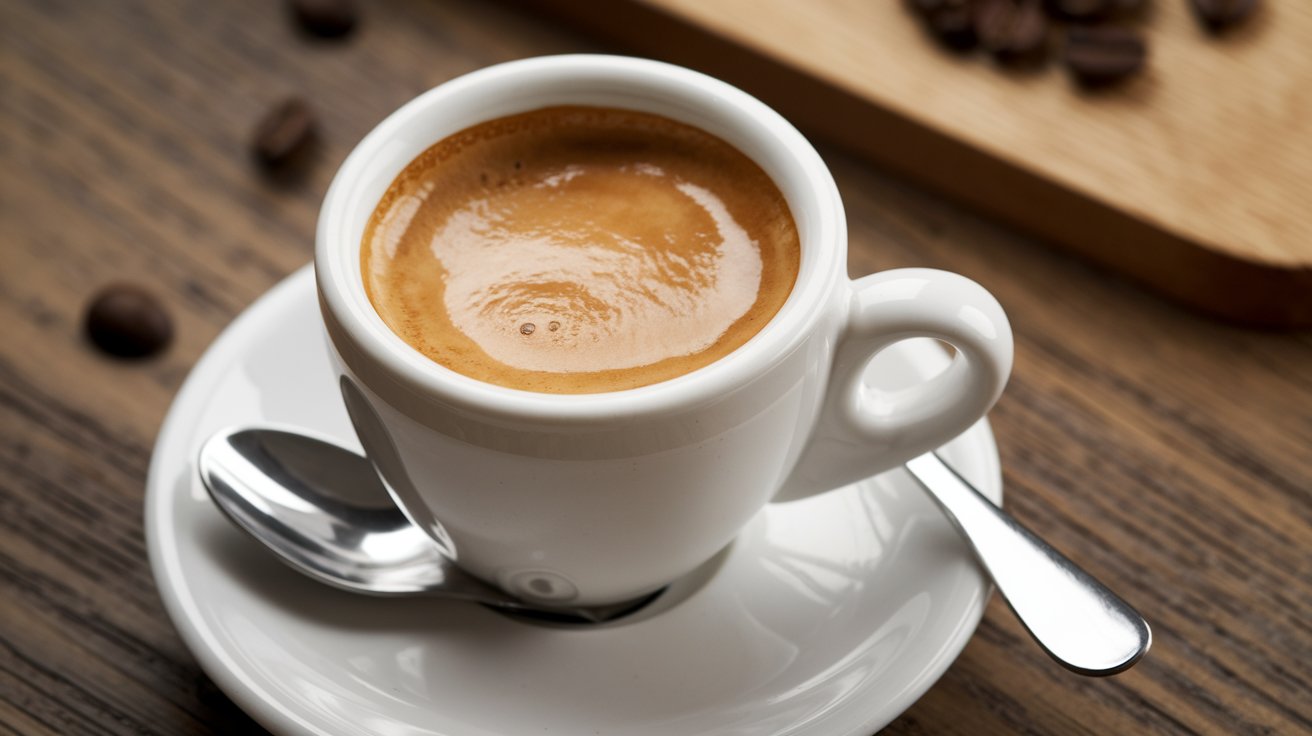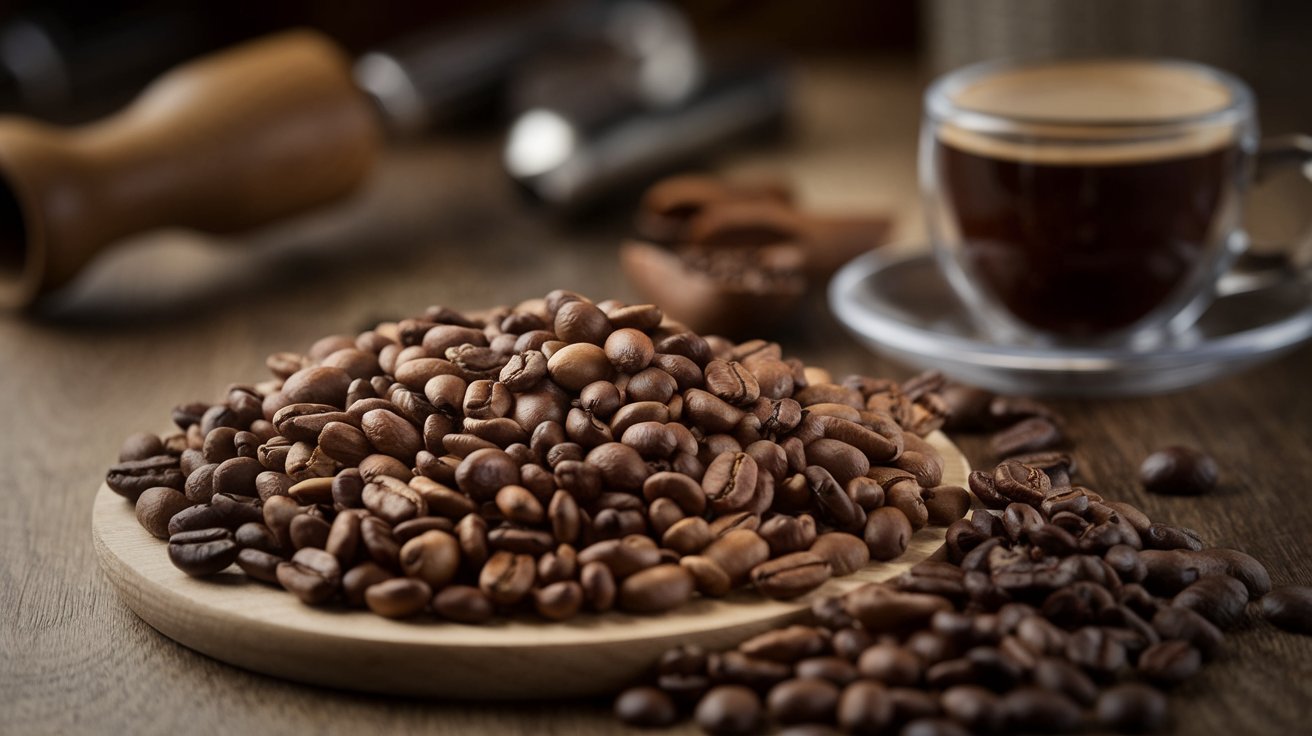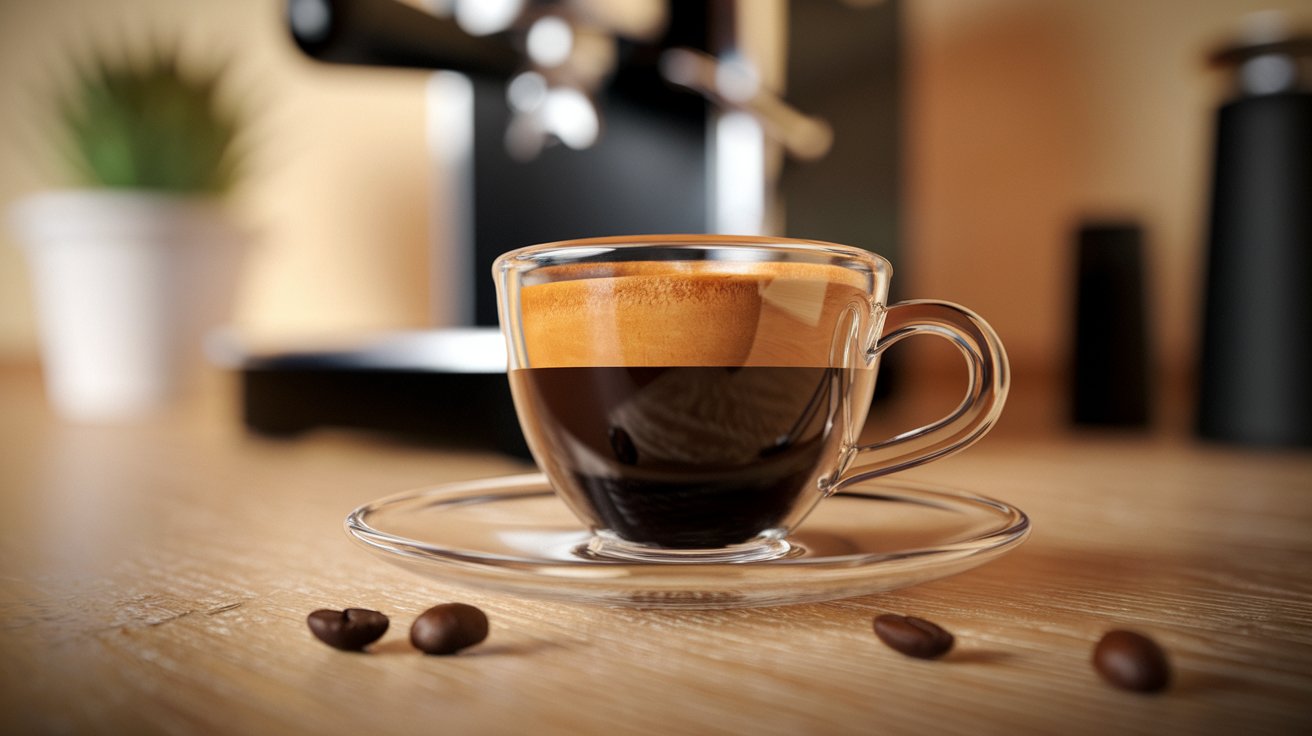
Finding the best coffee beans for espresso transforms your home brewing experience from ordinary to exceptional. Whether you’re pulling shots on a Breville machine or exploring Italian-style blends, the right beans deliver rich crema, balanced acidity, and complex flavor profiles. This comprehensive guide reviews the top espresso beans available in the United States in 2026, helping you select the perfect roast for your machine and taste preferences.
Understanding What Makes Coffee Beans Ideal for Espresso
The best coffee beans for espresso share specific characteristics that differentiate them from regular coffee. Espresso extraction requires beans that can withstand high pressure (typically 9 bars) and elevated temperatures between 195-205°F. Unlike drip coffee, espresso brewing concentrates flavors, oils, and aromatics into a small 1-2 ounce serving, making bean selection critical for optimal results.
Quality espresso beans feature a darker roast profile that develops oils on the bean surface, creating the signature crema layer. These beans typically undergo roasting temperatures between 437-446°F, reaching what’s classified as Full City to Italian roast levels. The roasting process caramelizes sugars and breaks down cellular structures, producing beans that extract efficiently under pressure while delivering bold, rich flavors without excessive bitterness.
Single-origin espresso beans from Colombia, Brazil, and Ethiopia offer distinct flavor profiles, while Italian-style blends combine multiple origins to achieve balance. According to 2026 specialty coffee market data, 68% of American espresso enthusiasts prefer medium-dark to dark roasts, with Arabica beans dominating due to their superior flavor complexity compared to Robusta varieties. The best espresso beans maintain freshness for 2-4 weeks after roasting when stored properly in airtight containers away from light and moisture.
Top Espresso Bean Brands for Home Brewing in 2026
The United States espresso market in 2026 offers unprecedented variety, with both established roasters and specialty brands delivering exceptional coffee beans for espresso machines. Consumer preferences have shifted toward ethically sourced, freshly roasted options, with 73% of home baristas willing to pay premium prices for quality beans that produce consistent crema and balanced extraction.
Lavazza Espresso Barista Gran Crema
This Italian espresso blend combines Central and South American Arabica beans with a touch of African Robusta, creating a medium roast that excels in automatic espresso machines. Lavazza’s Gran Crema delivers exceptional crema thickness (averaging 4mm) with tasting notes of hazelnut, brown sugar, and dried fruit. Priced at approximately $14.99 per pound in 2026, this blend represents excellent value for daily espresso consumption while maintaining the authentic Italian coffee tradition that has made Lavazza a household name across the United States.
Downeast Coffee Roasters Supreme Crema
This Maine-based roaster produces small-batch espresso beans that consistently rank among America’s finest. Their Supreme Crema blend features beans from Brazil, Colombia, and Indonesia, roasted to a Full City profile that balances sweetness with body. The blend performs exceptionally well in both traditional espresso machines and newer high-end models from Breville and De’Longhi. At $16.50 per 12-ounce bag, Downeast offers fresh-roasted quality with roast dates clearly marked, ensuring peak flavor within the critical 7-21 day optimal brewing window.
Blue Bottle Coffee Espresso Blend
Blue Bottle’s signature espresso represents the specialty coffee movement with its carefully curated blend of organic beans from multiple origins. This medium-dark roast delivers pronounced chocolate notes, berry undertones, and a velvety mouthfeel that works beautifully for both straight espresso and milk-based drinks. Roasted within 48 hours of shipping, Blue Bottle’s commitment to freshness justifies its $18.99 per 12-ounce price point. The company’s subscription service has grown 34% in 2026, reflecting consumer demand for consistent, high-quality espresso beans delivered on schedule.
Best Grocery Store Coffee Beans for Espresso
Not everyone has access to specialty roasters, making grocery store espresso beans an essential category for millions of American home baristas. Major retailers have significantly improved their coffee offerings in 2026, with many carrying freshly roasted options alongside traditional shelf-stable brands.
San Francisco Bay Coffee Espresso Roast
Available at most major grocery chains, this affordable espresso option delivers surprising quality at $9.99 per pound. The blend uses 100% Arabica beans from Central and South America, roasted to a dark French style that produces robust flavor with minimal acidity. While not matching the complexity of specialty roasters, San Francisco Bay Coffee provides consistency for budget-conscious consumers. The brand’s compostable OneCup pods have also gained popularity, though whole bean purchases offer superior freshness and value for espresso machine owners.
Peet’s Coffee Espresso Forte
Peet’s pioneered dark roasting on the West Coast, and their Espresso Forte blend remains a grocery store staple with legitimate credentials. This blend combines Latin American and East African beans, roasted to develop rich caramel and toasted grain flavors. At $13.49 per pound, Peet’s occupies the middle ground between budget and premium options. The beans perform reliably across different espresso machine types, from entry-level Mr. Coffee units to semi-professional equipment. Peet’s maintains relatively fresh inventory in high-turnover stores, with roast dates typically within 4-6 weeks of purchase.
Starbucks Whole Bean Espresso Roast
Despite mixed opinions among coffee enthusiasts, Starbucks Espresso Roast remains America’s best-selling whole bean espresso coffee with 23% market share in 2026. This dark roast emphasizes consistency and bold flavor, featuring beans primarily from Latin America. At $11.99 per pound, it offers widespread availability and predictable results. The beans work particularly well for milk-based drinks where the robust flavor cuts through dairy, though straight espresso shots may taste overly bitter to those accustomed to lighter roasts. Starbucks’ supply chain ensures fresh stock rotation in most retail locations.
Premium and Specialty Espresso Beans
Coffee enthusiasts seeking the best espresso beans in the world can find exceptional options from specialty roasters who source rare varietals and employ precise roasting techniques. These premium offerings typically cost $18-$28 per pound but deliver unparalleled complexity and freshness.
Black Rifle Coffee Company AK Espresso
This veteran-owned company produces a bold espresso blend that has captured 4.2% of the premium market segment. AK Espresso combines Brazilian and Colombian beans roasted to a dark profile, emphasizing chocolate and nutty flavors with minimal acidity. Priced at $15.99 per 12-ounce bag, Black Rifle donates portion of profits to veteran causes while maintaining quality standards. The beans excel in super-automatic machines and traditional portafilter setups, producing consistent crema and balanced extraction. Their direct-to-consumer model ensures beans ship within 72 hours of roasting.
Allegro Coffee Organic Espresso Sierra
Whole Foods’ house roaster Allegro offers organic espresso beans that meet strict USDA certification standards. The Espresso Sierra blend features fair-trade certified beans from Peru, Mexico, and Sumatra, roasted to a medium-dark level that preserves origin characteristics while developing espresso-friendly body. At $14.99 per pound, this option appeals to environmentally conscious consumers without premium specialty pricing. The beans demonstrate excellent performance in manual espresso machines, producing sweet, balanced shots with notes of dark chocolate, cherry, and graham cracker.
Death Wish Coffee Co. Espresso Roast
Marketed as the world’s strongest coffee, Death Wish Espresso contains approximately 200mg of caffeine per 6-ounce cup compared to 100-120mg in standard espresso blends. This dark roast combines Arabica and Robusta beans selected for maximum caffeine content while maintaining flavor balance. Priced at $19.99 per pound, the beans target consumers seeking intense energy alongside robust taste. While controversial among purists who prioritize flavor over caffeine, Death Wish has built a loyal following, with sales increasing 28% in 2026 among the 25-40 age demographic.
Single-Origin Espresso Beans Worth Trying
While blends dominate the espresso market, single-origin espresso beans offer unique flavor experiences that showcase specific growing regions. These beans require more precise extraction parameters but reward skilled baristas with exceptional taste profiles unavailable in traditional blends.
Ethiopian Yirgacheffe beans roasted for espresso deliver bright, floral notes with blueberry and jasmine undertones, creating complex shots that challenge conventional espresso expectations. Colombian Supremo beans offer balanced acidity and caramel sweetness, performing reliably across different brewing temperatures and pressure profiles. Brazilian Santos beans provide the classic espresso foundation with nutty, chocolate flavors and heavy body that creates luxurious crema. Specialty roasters increasingly offer single-origin espresso options priced between $16-$24 per pound, with detailed information about farm elevation, processing methods, and optimal brewing parameters.
Best Espresso Beans for Specific Machines
Different espresso machines perform optimally with specific bean characteristics, making machine-specific bean selection important for home baristas seeking perfect shots. Understanding your equipment’s capabilities helps narrow the overwhelming variety of available options.
Best Espresso Beans for Breville Machines
Breville’s popular Barista Express and Bambino models feature built-in grinders and precise temperature control, working best with medium-dark roasted beans that have moderate oil development. Beans like Lavazza Gran Crema, Intelligentsia Black Cat, and local roaster medium-dark blends extract beautifully on Breville equipment. These machines’ pressure profiling capabilities allow experimentation with lighter roasts, though traditional espresso blends provide more forgiving extraction. Breville users should purchase beans from roasters who provide grind setting recommendations, as the integrated grinder requires specific adjustments for optimal particle distribution.
Best Coffee Beans for Super-Automatic Espresso Machines
Super-automatic machines from DeLonghi, Jura, and Philips require medium to dark roast beans with lower oil content to prevent grinder jamming and maintenance issues. Oily dark roasts can gum up the internal mechanisms, making medium-dark options like Peet’s Espresso Forte and San Francisco Bay Coffee ideal choices. These machines excel with consistent bean size and density, making single-origin options less reliable than carefully balanced blends. Users should avoid extremely dark Italian roasts that may damage ceramic burr grinders, instead focusing on Full City to Vienna roast levels that balance flavor development with machine compatibility.
How to Choose Espresso Beans Based on Drink Preference
Your preferred espresso drinks should influence bean selection decisions, as different preparations highlight various flavor characteristics. Straight espresso drinkers prioritize different qualities than those making primarily milk-based beverages.
For straight espresso shots, choose beans with complex flavor profiles that shine without milk dilution. Single-origin Ethiopian, Kenyan, or Guatemalan beans roasted to Full City levels provide nuanced tasting experiences with distinct acidity and fruit notes. Medium-dark blends that emphasize chocolate and caramel work well for those preferring traditional Italian-style espresso. For lattes and cappuccinos, select bolder, darker roasts that maintain presence when combined with steamed milk. Beans from Brazil, Sumatra, and Colombia provide the necessary body and strength to complement dairy without disappearing. Italian-style dark roasts excel in milk drinks, offering robust flavor that creates balanced beverages from cortados to flat whites.
Understanding Coffee Roasts and GERD Considerations
Many coffee enthusiasts wonder which coffee roast is best for GERD (gastroesophageal reflux disease), as acidity affects digestive comfort. Research published in 2025 by the American Gastroenterological Association found that darker roasts contain fewer irritating compounds than light or medium roasts, making them preferable for GERD sufferers.
Dark roasted espresso beans undergo longer roasting times that break down chlorogenic acids and other compounds that stimulate stomach acid production. Brands like Peet’s Espresso Forte, Café Don Pablo Subtle Earth, and Lifeboost Low Acid Coffee specifically market low-acid espresso options suitable for sensitive stomachs. Cold brew concentrate made from dark espresso beans provides an even gentler alternative, reducing acidity by up to 67% compared to traditional hot extraction. GERD patients should also consider decaffeinated espresso beans, as caffeine independently triggers reflux symptoms regardless of roast level. Consultation with healthcare providers remains essential, but switching to dark roasted, low-acid espresso beans helps 64% of GERD patients continue enjoying coffee according to 2026 clinical studies.
Global Coffee Excellence and the 15-15-15 Rule
Coffee enthusiasts frequently ask what country is considered to have the best coffee in the world, though answers vary based on criteria. Ethiopia holds historical significance as coffee’s birthplace, producing distinctive heirloom varietals impossible to replicate elsewhere. Colombia earns recognition for consistent quality and effective marketing through the Juan Valdez campaign. Brazil dominates production volume, supplying 40% of global coffee including many espresso blends available in the United States.
However, quality extends beyond origin to encompass processing, roasting, and freshness. The 15-15-15 coffee rule emerged in specialty coffee circles during 2024, recommending consumers purchase coffee roasted within 15 days, consume it within 15 days of opening, and brew it within 15 minutes of grinding. This guideline emphasizes freshness as the critical quality factor regardless of origin. For espresso specifically, beans reach optimal flavor 7-14 days post-roast as CO2 degassing stabilizes, making the 15-15-15 rule particularly relevant. American roasters adopting this standard include Onyx Coffee Lab, George Howell Coffee, and Verve Coffee Roasters, who print roast dates prominently and educate consumers about freshness windows.
How to Store Espresso Beans for Maximum Freshness
Proper storage extends the quality window of premium espresso beans, protecting your investment in specialty coffee. Whole beans maintain peak flavor for 2-4 weeks after roasting when stored correctly, while ground coffee deteriorates within hours due to increased surface area exposed to oxygen.
Store espresso beans in airtight containers made from ceramic, opaque glass, or stainless steel with CO2 release valves. Airscape, Fellow Atmos, and OXO Pop containers represent popular options among serious home baristas in 2026. Keep containers in cool, dark locations away from heat sources, with ideal storage temperatures between 50-70°F. Avoid refrigeration or freezing for daily-use beans, as temperature fluctuations introduce moisture that degrades flavor. For bulk purchases, portion beans into weekly amounts, vacuum-sealing excess portions for freezer storage up to three months. Always allow frozen beans to reach room temperature before opening sealed bags to prevent condensation. Purchase quantities you’ll consume within three weeks, prioritizing freshness over bulk discounts. The best espresso beans lose 30-40% of their volatile aromatic compounds within four weeks of roasting regardless of storage method.
Espresso Bean Shopping Tips for United States Consumers
Navigating the American espresso bean market requires understanding where to buy, what to look for, and how to evaluate quality. Local options often surpass online purchases for freshness, though specialty subscriptions offer convenience with quality guarantees.
Search for best coffee beans for espresso near me to discover local roasters who offer same-day or next-day roasted beans. Independent coffee shops frequently sell wholesale bags of their house espresso at 20-30% discounts compared to by-the-cup prices. Farmers markets in major cities increasingly feature artisan roasters selling ultra-fresh beans roasted within 72 hours. Online retailers like Trade Coffee, Atlas Coffee Club, and Driftaway Coffee offer curated subscriptions that ship beans within days of roasting, though shipping times can impact freshness for distant customers.
When evaluating beans, check roast dates rather than best-by dates, which indicate packaging rather than optimal consumption windows. Look for detailed origin information including country, region, farm elevation, and processing method. Single-origin bags should specify varietal (Bourbon, Caturra, Typica), while blends should list component origins. Avoid beans in non-resealable bags or clear containers that allow light exposure. Reputable roasters provide brewing recommendations, tasting notes, and contact information for customer questions. Price correlates loosely with quality, with excellent espresso beans available from $12-$18 per pound, while premium single-origins range $18-$28.
Related video about best coffee beans for espresso
This video complements the article information with a practical visual demonstration.
Everything you need to know about best coffee beans for espresso
Which coffee beans are best for espresso?
The best coffee beans for espresso are medium-dark to dark roasted Arabica beans from regions like Brazil, Colombia, and Ethiopia. Top choices include Lavazza Espresso Barista Gran Crema for Italian-style blends, Blue Bottle Coffee Espresso for specialty options, and Peet’s Espresso Forte for grocery store availability. Quality espresso beans should be roasted within 7-21 days of use, stored in airtight containers, and ground immediately before brewing. Single-origin beans offer unique flavor profiles, while blends provide consistency and balance ideal for milk-based drinks.
Which coffee roast is best for GERD?
Dark roasted coffee is best for GERD (gastroesophageal reflux disease) because longer roasting times break down chlorogenic acids and other compounds that trigger stomach acid production. Research shows dark roasts contain up to 50% fewer irritating compounds than light roasts. Recommended options include Peet’s Espresso Forte, Lifeboost Low Acid Coffee, and Café Don Pablo Subtle Earth. Cold brew made from dark espresso beans further reduces acidity by 67%. Decaffeinated dark roasts provide additional benefits since caffeine independently triggers reflux symptoms. Always consult healthcare providers about individual dietary needs.
What country is considered to have the best coffee in the world?
No single country definitively has the best coffee in the world, as quality depends on varietals, processing, and roasting rather than origin alone. Ethiopia holds historical significance as coffee’s birthplace with unique heirloom varieties. Colombia earns recognition for consistent quality and ideal growing conditions. Brazil produces 40% of global coffee, supplying many premium espresso blends. Specialty coffee from Kenya, Guatemala, and Costa Rica also ranks among the world’s finest. Modern consensus emphasizes that proper roasting and freshness matter more than origin, with the best coffee being freshly roasted beans consumed within optimal windows regardless of country.
What is the 15-15-15 coffee rule?
The 15-15-15 coffee rule recommends purchasing coffee roasted within 15 days, consuming it within 15 days of opening the bag, and brewing it within 15 minutes of grinding. This guideline emerged in specialty coffee circles during 2024 to emphasize freshness as the critical quality factor. For espresso specifically, beans reach optimal flavor 7-14 days post-roast as CO2 degassing stabilizes, making this rule particularly relevant. Following the 15-15-15 standard ensures maximum flavor complexity and aromatic compounds, as coffee loses 30-40% of volatile oils within four weeks of roasting regardless of storage methods.
What are the best espresso beans for Breville machines?
The best espresso beans for Breville machines are medium-dark roasted options with moderate oil development, such as Lavazza Gran Crema, Intelligentsia Black Cat, and local roaster blends. Breville’s Barista Express and Bambino models feature integrated grinders and precise temperature control that work optimally with beans offering balanced extraction characteristics. Avoid extremely oily dark roasts that can gum up built-in grinders. Look for roasters providing grind setting recommendations specific to Breville equipment. Beans roasted to Full City or Vienna levels extract beautifully, producing rich crema and balanced flavor profiles that showcase these machines’ capabilities.
Are Italian espresso beans better than other origins?
Italian espresso beans aren’t inherently superior, but Italy’s roasting traditions and blending expertise have shaped global espresso standards. Italy doesn’t grow coffee commercially, so Italian roasters import beans from Africa, South America, and Asia, then apply dark roasting techniques that emphasize body and crema production. Brands like Lavazza, Illy, and Segafredo represent this tradition excellently. However, American specialty roasters increasingly produce espresso beans matching or exceeding Italian quality while offering more origin transparency and lighter roast profiles. The best choice depends on personal preference, with Italian-style beans excelling in traditional espresso and milk drinks, while specialty roasters offer more diverse flavor experiences.
| Coffee Bean Type | Best For | Price Range (per lb) | Key Benefit |
|---|---|---|---|
| Italian-Style Blends | Traditional espresso, milk drinks | $12-$18 | Consistent crema and balanced flavor |
| Specialty Single-Origin | Straight shots, flavor exploration | $18-$28 | Unique terroir-driven characteristics |
| Grocery Store Options | Daily drinking, budget-conscious | $9-$14 | Wide availability and value pricing |
| Low-Acid Dark Roasts | GERD sufferers, sensitive stomachs | $14-$22 | Reduced digestive irritation |
| Organic/Fair-Trade Beans | Ethical consumers, whole foods | $15-$24 | Sustainable sourcing and certification |
| High-Caffeine Blends | Energy seekers, morning routines | $16-$22 | 200mg+ caffeine per serving |