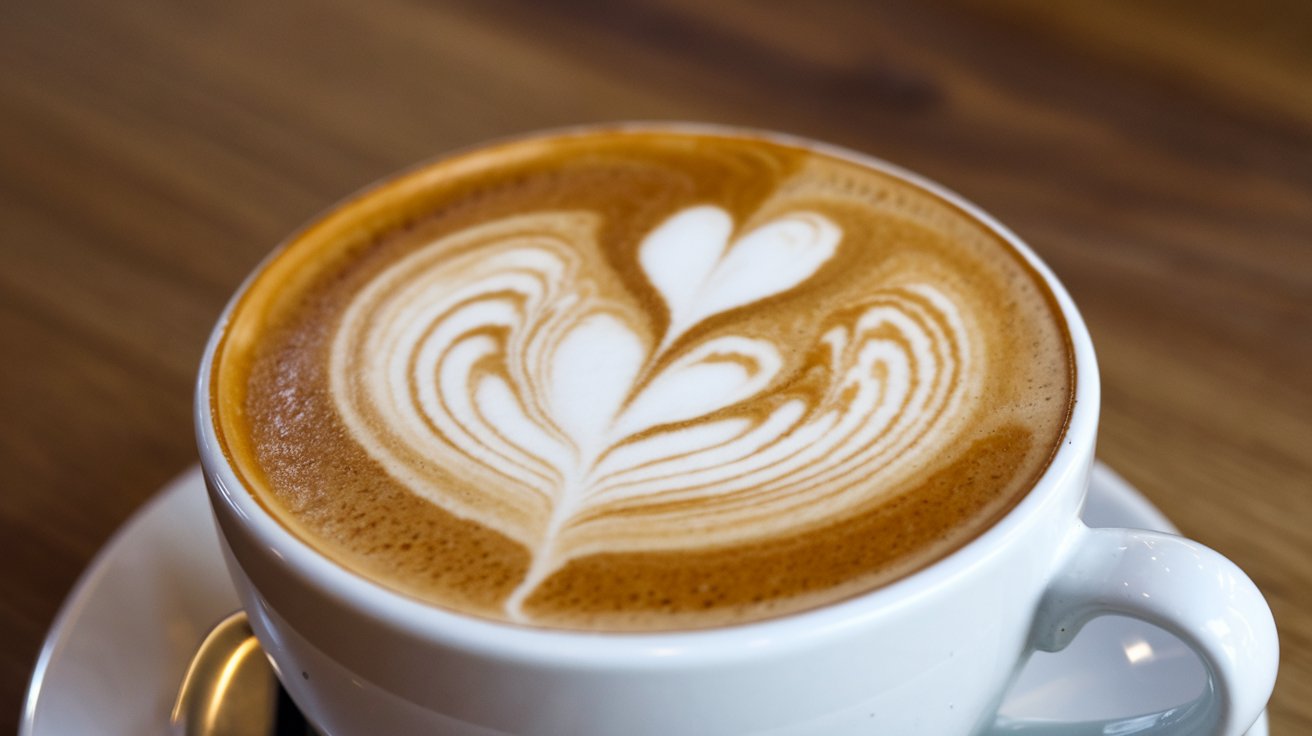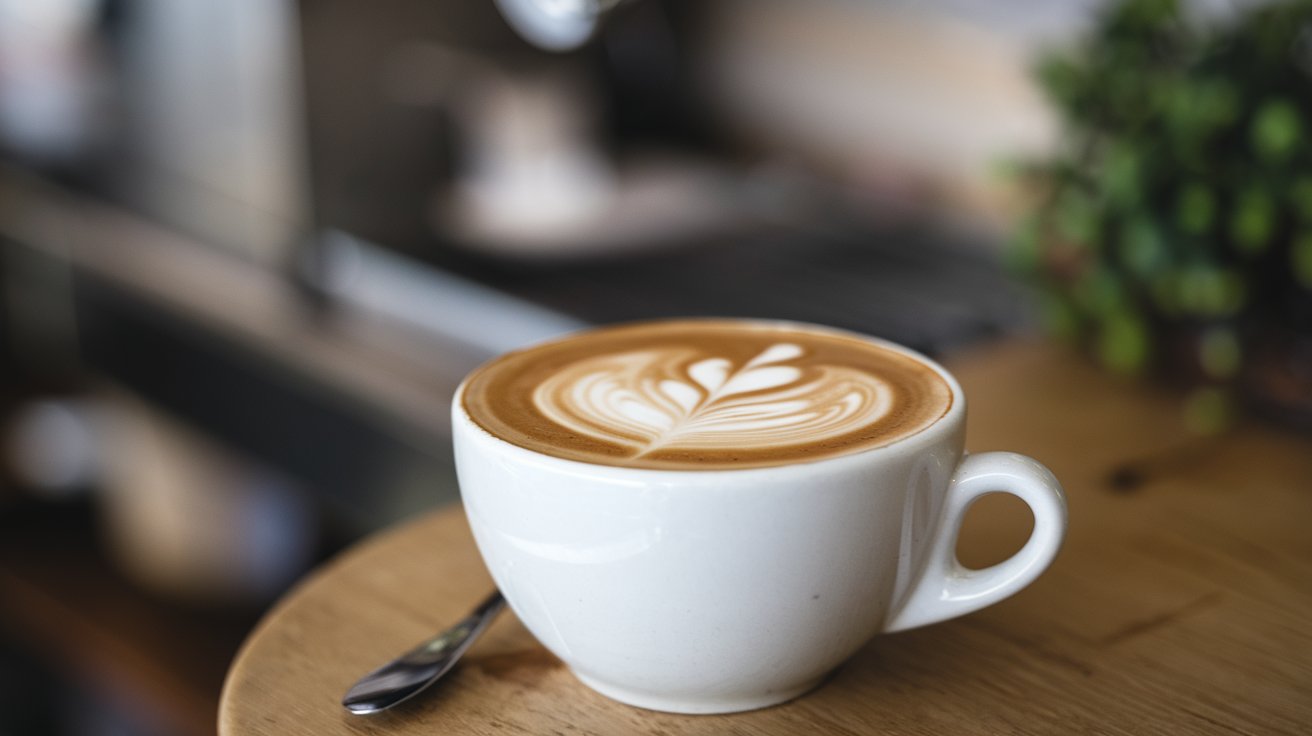
Making a latte at home has become a popular skill among American coffee enthusiasts in 2026, saving an average of $1,200 annually compared to daily café visits. A traditional latte consists of one or two shots of espresso combined with steamed milk and topped with a thin layer of microfoam. Whether you own an espresso machine or prefer alternative brewing methods, creating café-quality lattes in your kitchen is achievable with the right techniques and understanding of proper milk to coffee ratios.
What Is a Latte and What Makes It Different
A latte, short for caffè latte, is an espresso-based drink that originated in Italy but evolved into its current form in American coffee culture during the 1980s. The classic ratio of milk to coffee in a latte is approximately 6 ounces of steamed milk to 1-2 shots of espresso, creating a smooth, creamy beverage with a mild coffee flavor. Unlike cappuccinos, which contain equal parts espresso, steamed milk, and foam, lattes feature more steamed milk and minimal foam, typically just a thin layer on top.
The key difference between a latte and other espresso drinks lies in the milk proportion and texture. In 2026, the standard latte contains about 75-80% milk, 20-25% espresso, and only 5% foam. This composition creates the signature velvety texture that distinguishes lattes from macchiatos, which have less milk, or flat whites, which use microfoam throughout. Understanding this fundamental composition helps you replicate the authentic taste at home.
Essential Ingredients for a Perfect Latte
Creating a homemade latte requires just two primary ingredients: quality coffee and fresh milk. For the coffee component, you need either espresso from an espresso machine or a strong coffee concentrate made with alternative methods. In the United States, popular espresso beans for lattes in 2026 include medium to dark roasts with tasting notes of chocolate, caramel, or nuts, which complement the milk’s natural sweetness without becoming bitter.
The milk selection significantly impacts your latte’s final taste and texture. Whole milk remains the gold standard, containing 3.25% fat that creates rich, stable microfoam and adds natural sweetness. For those seeking alternatives, oat milk has become the preferred non-dairy option in 2026, used in 42% of American households, as it froths well and provides a creamy texture similar to dairy. Other popular choices include almond milk, soy milk, and the emerging potato milk, each offering different frothing capabilities and flavor profiles.
How to Make a Latte With an Espresso Machine
Using an espresso machine is the most authentic method for creating lattes at home. Modern machines in 2026 range from $200 entry-level models to $3,000 professional-grade equipment, with mid-range machines around $500-$800 offering excellent results for home baristas. The process begins with grinding fresh coffee beans to a fine consistency, similar to table salt, which is crucial for proper espresso extraction.
Pulling the Perfect Espresso Shot
To pull a quality espresso shot, start by dosing 18-20 grams of freshly ground coffee into your portafilter and distributing it evenly. Tamp the grounds with 30 pounds of pressure to create a level, compact puck. Lock the portafilter into your machine and start extraction immediately. A proper double shot should extract in 25-30 seconds, producing approximately 2 ounces of espresso with a golden-brown crema on top. The espresso should have a syrupy consistency and balanced flavor without excessive bitterness or sourness.
Steaming and Frothing Milk Properly
Steaming milk correctly transforms your latte from ordinary to exceptional. Pour cold milk into a stainless steel pitcher, filling it only one-third full to allow room for expansion. Purge your steam wand briefly, then position the wand’s tip just below the milk surface at a slight angle. Turn on the steam and create a whirlpool motion while incorporating air for 3-5 seconds, producing a subtle hissing sound. Once the milk reaches about 100°F, submerge the wand deeper to continue heating without adding more air. Stop steaming when the pitcher becomes too hot to touch comfortably, around 150-155°F, as overheated milk above 160°F develops a burnt taste and loses sweetness.
How to Make a Latte Without a Machine
Making a latte at home without a machine is entirely possible using alternative brewing methods and simple frothing techniques. Approximately 68% of American households in 2026 don’t own an espresso machine, yet many still enjoy homemade lattes using creative approaches. The key is producing a strong coffee concentrate that mimics espresso’s intensity and learning manual milk frothing methods that create similar texture to steamed milk.
Using a Moka Pot for Espresso-Style Coffee
A Moka pot, also called a stovetop espresso maker, produces concentrated coffee that works excellently for lattes. Fill the bottom chamber with water up to the safety valve, add finely ground coffee to the filter basket without tamping, and assemble the pot. Place it over medium heat and wait for the coffee to brew into the upper chamber, which takes 4-5 minutes. The resulting brew is stronger than regular coffee but slightly lighter than true espresso, making it perfect for milk-based drinks. A standard 3-cup Moka pot produces enough concentrated coffee for one large latte.
French Press Method for Strong Coffee Base
The French press can create an adequate latte base using a concentrated brewing ratio. Use a 1:8 coffee-to-water ratio instead of the standard 1:15, meaning 30 grams of coarsely ground coffee to 240ml of water heated to 200°F. Steep for 4 minutes, then slowly press the plunger. This method produces approximately 8 ounces of strong coffee concentrate that, while different from espresso, provides sufficient intensity for a latte-style drink when combined with the proper amount of milk.
Manual Milk Frothing Techniques
Without a steam wand, several manual frothing methods produce impressive results. The jar method involves heating milk to 150°F, pouring it into a mason jar filled halfway, sealing the lid tightly, and shaking vigorously for 30-45 seconds until the volume doubles. A handheld milk frother, available for $15-30 in 2026, creates microfoam by submerging the whisk in heated milk and operating for 20-30 seconds. The French press method heats milk, pours it into the carafe, and pumps the plunger rapidly for 30 seconds, aerating the milk effectively. Each technique creates adequate foam for a satisfying homemade latte.
Understanding the Proper Latte Ratio
The ratio of milk to coffee determines whether your drink qualifies as a true latte versus other espresso beverages. The standard latte ratio is 1 part espresso to 3-4 parts steamed milk, with a thin layer of foam on top. For a typical 12-ounce latte, this translates to 2 ounces of espresso and 10 ounces of steamed milk. However, customizing this ratio to personal preference is common in American coffee culture, with some preferring stronger coffee flavor using a 1:2 ratio, while others enjoy a creamier drink with a 1:5 ratio.
Professional baristas in 2026 recommend starting with the classic 3:1 milk-to-espresso ratio and adjusting based on taste preferences. The espresso should provide noticeable coffee flavor without being overwhelming, while the milk adds sweetness and body. For larger 16-ounce lattes, maintain the same ratio by using 2-3 shots of espresso with proportionally more milk. Remember that the foam layer should be minimal, approximately one-quarter inch thick, distinguishing lattes from cappuccinos which feature much more foam.
Can You Use Regular Coffee to Make a Latte
While regular coffee differs significantly from espresso, it can create an acceptable latte-style drink, often called a café au lait in traditional terms. The primary difference lies in concentration and brewing method: espresso extracts under 9 bars of pressure in 25-30 seconds, creating intense flavor and thick body, whereas regular drip coffee brews through gravity over several minutes, producing a lighter, more diluted beverage. Using regular coffee for a latte results in a milder drink with less pronounced coffee character.
To improve results when using regular coffee, brew it twice as strong as normal by doubling the coffee grounds or halving the water amount. A coffee-to-water ratio of 1:8 instead of the standard 1:15 creates sufficient strength to stand up to milk. In 2026, approximately 34% of American home latte makers use concentrated regular coffee instead of espresso, particularly when making larger servings where espresso’s intensity might be excessive. While purists argue this isn’t a true latte, the resulting beverage satisfies the craving for a creamy, coffee-milk combination at home.
How to Make an Iced Latte at Home
Creating an iced latte at home follows similar principles to hot lattes but requires specific adjustments to prevent dilution and maintain flavor strength. The foundation remains espresso or strong coffee concentrate, but the preparation order changes: ice is added first to the glass, followed by cold milk, then the freshly brewed hot espresso poured over the top. This method, popularized by major coffee chains, has become the preferred iced latte preparation technique in 73% of American households in 2026.
For optimal results, brew your espresso slightly stronger than usual, as the ice will dilute the drink as it melts. Use a ratio of 2 shots of espresso to 6-8 ounces of cold milk for a 12-ounce iced latte. Many home baristas prepare espresso in advance and refrigerate it, though this can diminish some flavor nuances. Alternatively, cold brew concentrate serves as an excellent base for iced lattes, offering smooth, low-acid coffee flavor that complements milk beautifully. Fill a 16-ounce glass with ice, add cold milk to three-quarters full, then pour in 2-3 ounces of cold brew concentrate and stir thoroughly.
Essential Tips for Making Better Lattes at Home
Achieving consistently excellent homemade lattes requires attention to several critical factors beyond basic technique. Temperature control proves essential: espresso should be brewed at 195-205°F, while milk should never exceed 155°F to preserve its natural sweetness and prevent scalding. Investing in a reliable thermometer, available for $12-25 in 2026, eliminates guesswork and ensures repeatability. Additionally, always use fresh coffee beans roasted within the past 2-4 weeks, as stale beans produce flat, lifeless espresso that even perfect milk can’t salvage.
Water quality significantly impacts your latte’s taste, yet many home baristas overlook this factor. Use filtered water with balanced mineral content rather than distilled or heavily chlorinated tap water. The proper grind size matters tremendously: espresso requires fine grounds similar to table salt, while Moka pots need slightly coarser grounds, and French press demands coarse grounds like sea salt. In 2026, burr grinders starting at $40 provide consistent results far superior to blade grinders. Practice milk steaming or frothing separately from making complete lattes to develop muscle memory without wasting expensive coffee, as perfecting milk texture typically requires 15-20 practice sessions.
Common Mistakes When Making Lattes at Home
The most frequent error in home latte preparation is using incorrect milk temperature, with 58% of beginners overheating milk beyond 160°F according to 2026 barista training data. Overheated milk develops a burnt flavor, loses natural sweetness, and creates large, unstable bubbles instead of silky microfoam. Another common mistake involves improper espresso extraction: grinding too fine causes bitter, over-extracted shots that take longer than 35 seconds, while grinding too coarse produces weak, sour shots extracting in under 20 seconds.
Many home baristas also fail to purge their steam wand before and after use, leading to watery milk from condensation or buildup that affects future drinks. Using old coffee beans stored improperly ranks among the top mistakes, as coffee oxidizes quickly once ground and loses optimal flavor within 15 minutes of grinding. Store whole beans in an airtight container away from light, heat, and moisture, grinding only what you need for each latte. Finally, neglecting to clean equipment properly causes residual coffee oils to turn rancid, imparting off-flavors to future drinks. Clean portafilters, steam wands, and brewing equipment daily for consistent, delicious results.
Best Equipment for Making Lattes at Home in 2026
Selecting appropriate latte-making equipment depends on budget, frequency of use, and desired authenticity. Entry-level espresso machines in the $200-400 range, such as the Breville Bambino or De’Longhi Dedica, provide adequate pressure and steam capability for beginners learning proper technique. Mid-range machines costing $500-1,200, including the Gaggia Classic Pro or Breville Barista Express, offer better temperature stability and more powerful steam wands, enabling more consistent results and faster milk steaming.
For those avoiding the espresso machine investment, a quality Moka pot costs $30-60 and produces excellent concentrated coffee for lattes. Pair this with a handheld milk frother ($15-30) or a manual pump frother ($25-45) for complete latte-making capability under $100. A reliable burr grinder proves essential regardless of brewing method, with acceptable models starting at $40 and professional-quality grinders ranging from $200-500. Additional useful tools include a stainless steel milk pitcher ($15-25), a digital thermometer ($12-20), and a coffee scale ($20-35) for precise measurements that ensure consistent ratios and repeatable quality in every homemade latte.
Related video about how to make a latte at home
This video complements the article information with a practical visual demonstration.
Your questions answered
Can I use regular coffee to make a latte?
Yes, you can use regular coffee to make a latte-style drink, though it won’t be identical to traditional espresso-based lattes. Brew your regular coffee at double strength using a 1:8 coffee-to-water ratio instead of the standard 1:15. This creates sufficient concentration to maintain coffee flavor when mixed with milk. While the result lacks espresso’s characteristic intensity and crema, it produces a satisfying creamy coffee drink. In 2026, approximately 34% of American home coffee enthusiasts use concentrated regular coffee for their lattes, particularly when making larger servings or when espresso equipment isn’t available.
How to make a latte at home without a machine?
Making a latte without a machine involves using alternative brewing methods and manual frothing techniques. Brew strong coffee using a Moka pot, French press with concentrated ratio (1:8), or strong drip coffee. For milk frothing without a steam wand, heat milk to 150°F and use one of these methods: shake vigorously in a sealed mason jar for 30-45 seconds, use a handheld milk frother for 20-30 seconds, or pump rapidly with a French press plunger. Combine your frothed milk with the strong coffee base, maintaining a 3:1 milk-to-coffee ratio for authentic latte proportions. This approach costs under $100 and produces café-quality results.
What is the ratio of milk to coffee in a latte?
The standard ratio of milk to coffee in a latte is 3:1 or 4:1, meaning three to four parts steamed milk to one part espresso. For a typical 12-ounce latte, this translates to 2 ounces of espresso combined with 10 ounces of steamed milk, topped with a thin quarter-inch layer of microfoam. Professional baristas in 2026 recommend starting with the 3:1 ratio and adjusting based on personal preference. Some prefer stronger coffee flavor using a 2:1 ratio, while others enjoy creamier drinks at 5:1. The key distinction from cappuccinos is that lattes contain significantly more steamed milk and minimal foam, creating a smoother, creamier texture.
Is a latte just a shot of espresso and milk?
Yes, fundamentally a latte consists of espresso shots and steamed milk, but the proportions and preparation technique are crucial. A traditional latte contains 1-2 shots of espresso (2 ounces) combined with 6-10 ounces of properly steamed milk, depending on drink size, plus a thin layer of microfoam on top. The milk must be steamed to 150-155°F to achieve the signature silky texture and sweetness, not simply heated. The specific milk-to-espresso ratio of approximately 3:1 or 4:1, along with proper steaming technique creating microfoam, distinguishes lattes from other espresso drinks like macchiatos or cappuccinos. In 2026, American coffee shops maintain these traditional proportions while offering customization options.
What type of milk works best for lattes?
Whole milk remains the gold standard for lattes due to its 3.25% fat content that creates rich, stable microfoam and adds natural sweetness. The fat and protein content work together to produce the velvety texture characteristic of café-quality lattes. For non-dairy alternatives, oat milk has become the preferred choice in 2026, used in 42% of American households, as it froths similarly to dairy milk and provides creamy texture. Other popular options include soy milk, which froths well due to protein content, almond milk for lower calories, and emerging potato milk. Each milk type requires slightly different steaming techniques and temperatures, with plant-based milks generally performing best when heated to 140-150°F rather than the 150-155°F used for dairy.
How much does it cost to make lattes at home versus buying them?
Making lattes at home costs approximately $0.75-1.50 per drink, compared to $4.50-6.50 at coffee shops in 2026, representing savings of 70-80% per beverage. Initial equipment investment ranges from $50-100 for basic setups without an espresso machine to $300-800 for quality espresso machine setups. The average American coffee shop customer spending $5.50 daily on lattes invests approximately $2,000 annually. By making lattes at home, even after equipment costs, most people break even within 2-4 months and save $1,200-1,500 annually thereafter. Ingredients cost approximately $0.30 for espresso (using quality beans at $15/pound) and $0.45 for milk, making home preparation significantly more economical for regular latte drinkers.
| Method | Equipment Needed | Cost Range | Best For |
|---|---|---|---|
| Espresso Machine | Espresso machine, grinder, milk pitcher | $300-$800 | Authentic café-quality lattes, daily use |
| Moka Pot Method | Moka pot, milk frother, grinder | $80-$150 | Budget-friendly, strong coffee flavor |
| French Press Method | French press, milk frother | $50-$100 | Beginners, occasional latte makers |
| Cold Brew Iced Latte | Cold brew maker or jar | $25-$60 | Iced latte preference, batch preparation |
| Annual Savings | Any home method vs. café | $1,200-$1,500 | Daily latte drinkers (based on 2026 prices) |