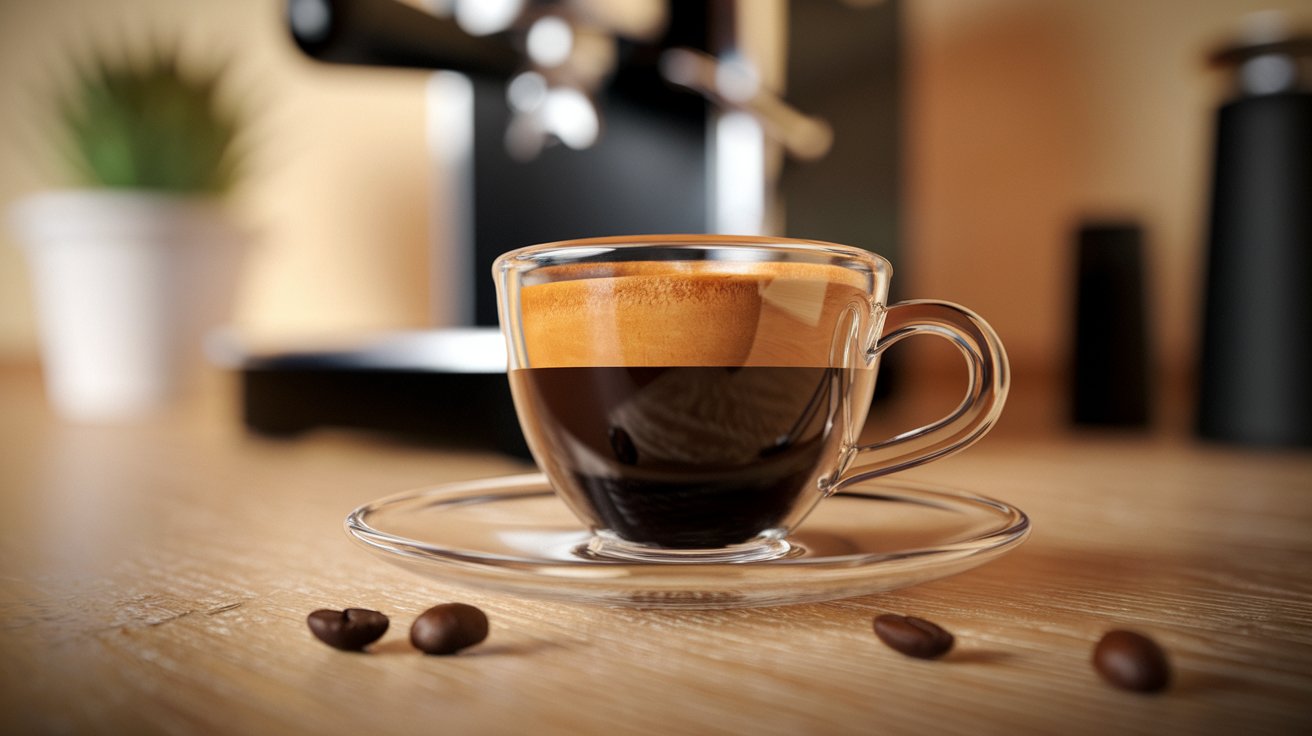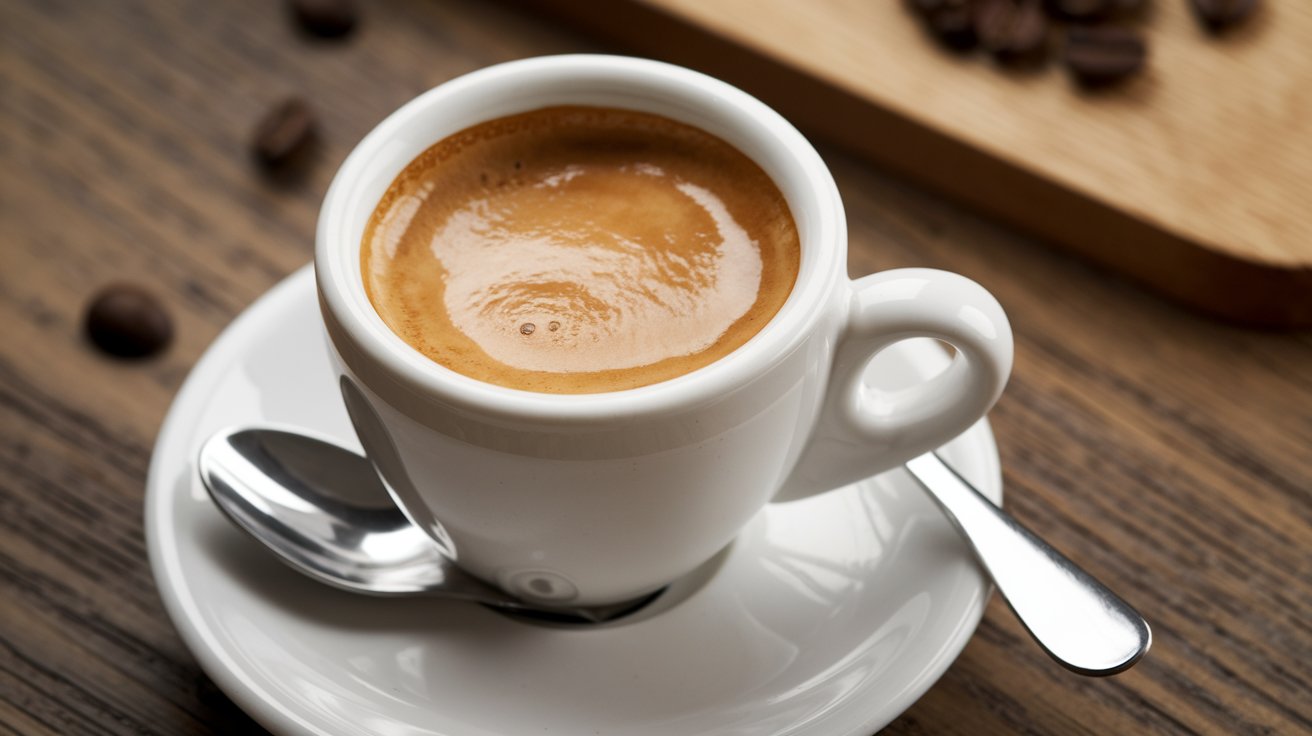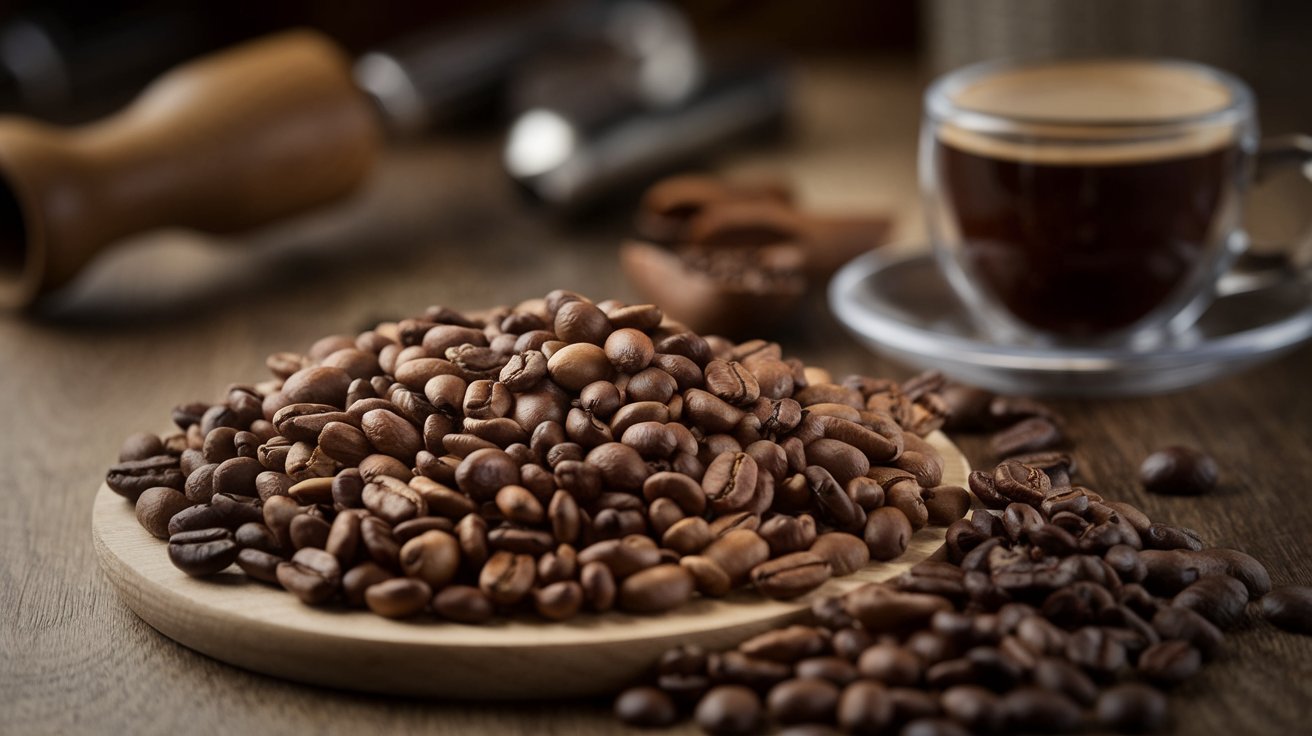
The truth is that espresso beans and coffee beans are the same coffee plant seeds, but the difference lies in how they are roasted, ground, and brewed. Understanding these distinctions helps you select the right beans for your preferred brewing method and taste preferences. In 2026, the United States coffee market has grown to over $88 billion, with specialty espresso consumption increasing by 12% annually as consumers become more educated about bean selection and brewing techniques.
What Are Espresso Beans and Coffee Beans?
Both espresso beans and coffee beans come from the same Coffea plant species, primarily Arabica and Robusta varieties. The fundamental difference is not the bean itself, but rather the roasting process, grind size, and intended brewing method. Coffee beans is a general term referring to seeds harvested from coffee cherries that can be roasted to various levels and used for multiple brewing methods like drip, pour-over, French press, or cold brew. Meanwhile, espresso beans are typically roasted darker and longer to develop oils on the surface and create the bold, concentrated flavor profile ideal for espresso extraction.
In the United States market as of 2026, approximately 64% of specialty coffee roasters now offer dedicated espresso roast profiles alongside their standard coffee roasts. This distinction has become more pronounced as consumers have grown more sophisticated in their coffee preferences. The roasting temperature for espresso beans typically reaches 464-482°F during the second crack phase, while standard medium roast coffee beans are often pulled at 426-446°F. This temperature difference creates the characteristic darker appearance and oilier surface of espresso beans compared to lighter coffee roasts commonly used in drip brewing.
Roast Level Differences: The Primary Distinction
Roast level represents the most significant difference between beans marketed for espresso versus regular coffee brewing. Espresso beans undergo a darker roasting process that develops caramelized sugars, reduces acidity, and brings oils to the bean surface. This creates the rich, bold flavor and thick crema characteristic of quality espresso shots. The extended roasting time breaks down more chlorogenic acids, resulting in lower perceived acidity and a fuller body that stands up well to the high-pressure extraction method used in espresso machines.
Standard coffee beans for drip brewing are often roasted to light or medium levels to preserve origin characteristics and brighter acidity. Light roasts maintain more of the bean’s natural flavors, including fruity, floral, or tea-like notes that would be overwhelmed in espresso preparation. Medium roasts offer balanced sweetness and acidity, making them versatile for various brewing methods. According to 2026 data from the Specialty Coffee Association, 58% of American coffee drinkers prefer medium roast for home brewing, while 73% of espresso bar customers choose drinks made with dark roast espresso beans. This preference reflects how roast level directly impacts the final cup’s taste profile and consumer expectations.
Can I Use Coffee Beans for My Espresso?
You can absolutely use any coffee beans in an espresso machine, though the results will vary significantly based on roast level and bean characteristics. Many specialty coffee enthusiasts in 2026 experiment with light and medium roast single-origin beans in their espresso machines to highlight unique flavor profiles and terroir characteristics. However, these lighter roasts require precise extraction parameters and often produce brighter, more acidic shots that differ from traditional espresso expectations. The key is adjusting your grind size, extraction time, and temperature to accommodate the bean’s roast level and density.
Using standard medium roast coffee beans in an espresso machine can yield excellent results if you fine-tune your technique. The grind must be significantly finer than drip coffee—resembling table salt or slightly finer—to create proper resistance for the 9 bars of pressure in espresso extraction. Most home baristas in the United States report that dedicated espresso roasts produce more consistent results with less trial and error, particularly when dialing in new beans. If you choose to use lighter roasted coffee beans, expect a shot time of 20-30 seconds that produces a thinner crema and more pronounced acidity, which works beautifully in milk-based drinks where those bright notes can shine through the dairy.
Espresso Beans vs Coffee Beans: Caffeine Content Comparison
The caffeine content difference between espresso beans and regular coffee beans is primarily determined by serving size rather than the beans themselves. By weight, darker roasted espresso beans contain slightly less caffeine than lighter roasted coffee beans because the extended roasting process breaks down some caffeine molecules. However, a typical espresso shot uses more ground coffee per ounce of water than drip coffee, resulting in a more concentrated beverage. A standard 1-ounce espresso shot contains approximately 63-65 milligrams of caffeine, while an 8-ounce cup of drip coffee contains 95-165 milligrams depending on brew strength and bean variety.
When comparing identical bean varieties at different roast levels, light roast coffee beans retain about 5-10% more caffeine than dark roast espresso beans due to less degradation during roasting. Robusta beans, which are sometimes blended into espresso roasts for added body and crema, contain nearly double the caffeine of Arabica beans—approximately 2.2-2.7% caffeine by weight compared to Arabica’s 1.2-1.5%. In 2026, the average American consumes 284 milligrams of caffeine daily from coffee, with espresso-based drinks accounting for 38% of that intake. If you drink espresso beans whole as a snack, consuming just 10 chocolate-covered espresso beans delivers roughly 60-80 milligrams of caffeine, equivalent to one espresso shot.
Grind Size Requirements for Different Beans
Grind size represents a critical factor that determines extraction quality regardless of whether you use espresso beans or regular coffee beans. Espresso preparation requires an extremely fine grind—similar to powdered sugar or table salt—to create sufficient resistance against the 9 bars of pressure pushing hot water through the coffee puck. This fine grind exposes maximum surface area for the 25-30 second extraction window typical of espresso brewing. The particle size for espresso typically ranges from 200-400 microns, allowing proper extraction of flavors, oils, and soluble compounds that create the characteristic thick body and persistent crema.
Regular coffee beans used in drip, pour-over, or French press methods require medium to coarse grinds ranging from 500-1,000 microns for optimal extraction during their longer brew times. A drip coffee maker performs best with a medium grind resembling granulated sugar, while French press requires a coarse grind similar to sea salt to prevent sediment from passing through the metal filter. According to barista training standards updated in 2026, grind consistency matters more than grind size for achieving repeatable results. Burr grinders, which cost between $200-$800 for quality home models, produce uniform particle sizes that extract evenly, while blade grinders create inconsistent particles leading to simultaneous over-extraction and under-extraction in the same cup.
Taste Profile and Flavor Differences
The taste profile of espresso differs dramatically from regular brewed coffee due to roast level, extraction method, and concentration. Espresso beans roasted to dark levels develop deep caramelization, chocolate notes, nutty undertones, and reduced acidity that create the bold, intense flavor espresso drinkers expect. The high-pressure extraction pulls oils, colloids, and dissolved solids into the cup at concentrations 8-10 times higher than drip coffee, resulting in a syrupy body and lingering finish. Specialty espresso roasters in 2026 have increasingly focused on developing roast profiles that balance sweetness with complexity, avoiding the burnt or ashy notes that plagued darker roasts in previous decades.
Regular coffee beans at lighter roast levels preserve more origin-specific characteristics including fruity acidity, floral aromatics, and tea-like clarity that showcase where the coffee was grown. Ethiopian coffees might exhibit blueberry and jasmine notes, while Colombian beans often present caramel sweetness and citrus brightness. These subtle flavors emerge beautifully in brewing methods with lower extraction pressures and longer contact times. When tasted side-by-side, espresso delivers intensity and concentration while drip coffee offers clarity and complexity. The United States specialty coffee market in 2026 shows that 42% of consumers appreciate both profiles for different occasions—espresso for morning energy and social café experiences, while lighter roast pour-overs are preferred for afternoon enjoyment and flavor exploration.
Are Espresso Beans Stronger Than Coffee Beans?
The term stronger requires clarification because it can refer to caffeine content, flavor intensity, or concentration. Espresso beans themselves are not inherently stronger than coffee beans since they originate from the same plant species. However, the darker roasting process creates more pronounced roasted flavors, reduced acidity, and a bolder taste that many people perceive as stronger. When brewed as espresso using high-pressure extraction, these beans produce a concentrated beverage with intense flavor that contains more dissolved solids per ounce than any other coffee brewing method, reaching concentrations of 8-12% compared to drip coffee’s 1.2-1.5%.
In terms of caffeine strength per serving, regular drip coffee actually contains more total caffeine than a single espresso shot—approximately 95-165mg per 8-ounce cup versus 63-65mg per 1-ounce shot. However, espresso delivers higher caffeine concentration per ounce, making it feel more potent and providing a quicker energy boost. The perception of strength also relates to mouthfeel and body, where espresso’s thick, syrupy texture created by emulsified oils and suspended particles creates a more substantial sensory experience than filtered coffee. Consumer surveys from 2026 indicate that 67% of Americans associate espresso with stronger coffee primarily due to flavor intensity rather than actual caffeine content, demonstrating how sensory perception influences our understanding of coffee strength.
Best Espresso Beans for Home Brewing
Selecting the best espresso beans for home use depends on your taste preferences, brewing equipment, and desired flavor profile. In 2026, the American specialty coffee market offers unprecedented variety, with small-batch roasters providing detailed roast dates, origin information, and flavor notes. For traditional espresso drinks like cappuccinos and lattes, look for medium-dark to dark roast blends that combine beans from multiple origins to create balanced sweetness, chocolate notes, and low acidity. Popular blends often mix Brazilian beans for nutty sweetness, Colombian for balance, and a small percentage of Robusta for enhanced crema and body.
Single-origin espresso beans have gained significant popularity, with 72% of specialty coffee shops offering at least one single-origin espresso option in 2026. Ethiopian natural process beans create fruity, wine-like espresso shots with berry notes, while washed Colombian beans produce clean, caramel-forward shots with bright acidity. For home brewers, freshness matters tremendously—purchase beans roasted within the past 2-4 weeks and use them within 3-4 weeks of the roast date for peak flavor. Store beans in an airtight container away from light, heat, and moisture. Top-rated espresso beans in the United States market include offerings from Intelligentsia, Counter Culture, Stumptown, and numerous regional roasters who ship fresh beans directly to consumers within 24-48 hours of roasting.
How Many Espresso Beans Equal a Cup of Coffee?
Calculating how many espresso beans equal a cup of coffee requires understanding both bean count and caffeine equivalency. A standard double espresso shot uses approximately 18-20 grams of ground espresso beans, which translates to roughly 75-90 whole beans depending on bean size and density. This double shot contains about 126-130 milligrams of caffeine. An 8-ounce cup of drip coffee typically uses 10-15 grams of ground coffee (40-60 whole beans) but contains 95-165 milligrams of caffeine due to the longer extraction time and larger water volume.
For caffeine equivalency, consuming approximately 10-12 chocolate-covered espresso beans provides similar caffeine to one espresso shot, while 15-20 plain roasted espresso beans eaten whole would equal a shot’s caffeine content. However, eating whole beans results in slower caffeine absorption through digestion compared to drinking brewed espresso, which enters your bloodstream rapidly. If comparing by serving volume, three to four espresso shots (3-4 ounces total) provide comparable caffeine to one 8-ounce cup of medium-strength drip coffee. The 2026 dietary guidelines suggest limiting caffeine intake to 400 milligrams daily for healthy adults, equivalent to approximately six espresso shots or four 8-ounce cups of coffee. Individual tolerance varies significantly based on metabolism, body weight, and caffeine sensitivity.
What Is the 15-15-15 Coffee Rule?
The 15-15-15 coffee rule represents a guideline some coffee enthusiasts follow for optimal espresso extraction, though it is not a universally accepted standard. This rule suggests using 15 grams of ground espresso beans to extract 15 milliliters of espresso in 15 seconds. However, most modern specialty coffee professionals in 2026 consider this formula overly simplistic and outdated. Contemporary espresso standards typically call for 18-20 grams of coffee to produce a double shot of 36-40 grams output weight in 25-30 seconds, following a 1:2 ratio of coffee to liquid espresso.
More relevant is understanding extraction ratios rather than adhering to specific numbers. A ristretto shot uses a 1:1.5 ratio (18g coffee to 27g output), producing an intense, sweet, syrupy espresso with minimal bitterness. A normale or standard shot follows a 1:2 ratio (18g to 36g), balancing sweetness, body, and complexity. A lungo uses a 1:3 ratio (18g to 54g), creating a longer, more diluted shot with increased extraction that can introduce bitterness if not carefully managed. The Specialty Coffee Association’s 2026 standards emphasize that proper extraction depends on grind size, water temperature, pressure, and bean characteristics rather than following rigid time-based rules. Professional baristas adjust these variables based on each coffee’s unique properties to achieve balanced sweetness, appropriate acidity, and clean finish in every shot.
Can You Drink Espresso Beans Like Coffee?
While you can consume espresso beans whole as a snack, they provide a different experience than drinking brewed coffee or espresso. Eating whole roasted espresso beans delivers concentrated coffee flavor along with dietary fiber from the bean itself, which slows caffeine absorption compared to drinking brewed coffee. Many people enjoy chocolate-covered espresso beans as an energizing treat that combines caffeine with sweetness. A typical serving of 10-15 chocolate-covered beans contains 60-100 milligrams of caffeine depending on coverage thickness and bean size.
The practice of eating whole coffee beans has historical precedent—Ethiopian legend suggests coffee was first discovered when goats became energized after eating coffee cherries and beans. In 2026, several companies market roasted espresso beans as healthy snacks, emphasizing their antioxidant content and sustained energy release. However, consuming whole beans presents some considerations: the fibrous structure can be difficult to digest for some individuals, the intense flavor may be overwhelming without chocolate coating, and the concentrated caffeine content makes it easy to overconsume. Nutritionists recommend limiting whole bean consumption to 20-30 beans daily (approximately 150-200mg caffeine) to avoid digestive discomfort and excessive caffeine intake. For those interested in this consumption method, start with small quantities to assess tolerance and choose high-quality, freshly roasted beans for the best flavor experience.
Price Differences Between Espresso and Coffee Beans
The price difference between espresso beans and regular coffee beans varies by brand, origin, and quality level, but espresso-specific roasts often command slightly higher prices. In the 2026 United States market, specialty espresso beans typically cost between $16-$24 per pound from quality roasters, while standard coffee beans range from $12-$20 per pound. This premium reflects the additional labor and expertise required to develop espresso roast profiles that balance sweetness, body, and reduced acidity while avoiding burnt flavors common in poorly executed dark roasts.
Single-origin espresso beans and competition-grade blends can exceed $30-$45 per pound, particularly for rare varieties or direct-trade relationships that ensure farmer sustainability. However, regular specialty coffee beans at light or medium roast levels often carry similar price points when sourced from the same origins and quality standards. The real cost factor is freshness—beans purchased from local roasters who roast to order provide superior flavor compared to supermarket options that may be months old. For home espresso brewing, expect to spend $18-$22 per pound for excellent results, with each pound producing approximately 50-55 double shots depending on your dose size. This translates to roughly $0.33-$0.40 per double shot, significantly less expensive than café espresso drinks that average $4.50-$6.50 in United States metropolitan areas during 2026.
Related video about espresso beans vs coffee beans
This video complements the article information with a practical visual demonstration.
Key Questions and Answers
Can I use regular coffee beans in an espresso machine?
Yes, you can use regular coffee beans in an espresso machine with excellent results if you adjust your grind size and extraction parameters appropriately. Many specialty coffee enthusiasts prefer using lighter roasted single-origin beans in their espresso machines to highlight unique flavor characteristics. The key is grinding significantly finer than drip coffee and dialing in your extraction time to 25-30 seconds for a balanced shot. While dedicated espresso roasts provide more consistent results with less experimentation, medium roast coffee beans work beautifully for espresso when properly prepared, often producing brighter, more complex shots than traditional dark roasts.
Are espresso beans healthier than regular coffee beans?
Espresso beans and regular coffee beans offer similar health benefits since they come from the same plant species and contain comparable antioxidants, minerals, and beneficial compounds. The roasting level affects antioxidant content—darker espresso roasts have slightly lower chlorogenic acid levels but develop different antioxidant compounds through Maillard reactions during extended roasting. Both provide polyphenols, vitamins B2 and B3, and magnesium. The health impact depends more on consumption method and quantity rather than bean type. A single espresso shot contains fewer calories than an 8-ounce cup of black drip coffee simply due to volume, but adding milk and sugar to espresso-based drinks can significantly increase caloric intake compared to black coffee.
How long do espresso beans stay fresh after opening?
Espresso beans maintain peak freshness for 2-4 weeks after roasting when stored properly in an airtight container away from light, heat, and moisture. After opening a bag, the beans begin degassing CO2 and oxidizing, which gradually diminishes flavor complexity and aroma. For optimal results, purchase smaller quantities more frequently rather than buying in bulk. Most specialty roasters recommend using espresso beans within 3-4 weeks of the roast date, though beans remain acceptable for brewing up to 8 weeks if stored correctly. Freezing espresso beans in airtight portions can extend their usability to 2-3 months, but requires proper thawing before grinding to prevent moisture condensation that damages flavor. The oils on darker espresso roasts make them slightly more susceptible to rancidity than lighter roasts.
What is the best grind size for espresso beans?
The best grind size for espresso resembles fine table salt or powdered sugar, typically ranging from 200-400 microns in particle size. This fine grind creates appropriate resistance against the 9 bars of pressure in espresso machines, allowing proper extraction during the 25-30 second brewing window. If your espresso extracts too quickly (under 20 seconds), grind finer to increase resistance. If extraction takes longer than 35 seconds or chokes the machine, grind slightly coarser. The ideal grind produces a balanced shot with sweet flavors, medium body, and persistent crema. Grind size must be adjusted whenever you change beans, as different roast levels and origins have varying densities. Investing in a quality burr grinder with stepless or fine adjustment capabilities is essential for dialing in espresso, as blade grinders cannot achieve the consistency required for repeatable results.
Do chocolate covered espresso beans have more caffeine than brewed coffee?
Chocolate covered espresso beans contain concentrated caffeine per piece, but typically deliver less total caffeine than a full cup of brewed coffee when consumed in normal serving sizes. Each chocolate covered bean contains approximately 6-12 milligrams of caffeine depending on bean size and chocolate thickness. A typical snack portion of 10-15 beans provides 60-100 milligrams of caffeine, comparable to one espresso shot but less than an 8-ounce cup of drip coffee which contains 95-165 milligrams. However, because whole beans are digested rather than brewed, the caffeine absorbs more slowly into your bloodstream, providing sustained energy rather than the rapid boost from drinking coffee. The dark chocolate coating adds additional compounds like theobromine that contribute to the energizing effect.
Why does espresso taste different from regular coffee?
Espresso tastes different from regular coffee due to three primary factors: roast level, extraction method, and concentration. Espresso beans are typically roasted darker, developing caramelized sugars, chocolate notes, and reduced acidity compared to lighter roasted coffee beans. The high-pressure extraction method (9 bars) pulls oils, colloids, and dissolved solids into the cup at concentrations 8-10 times higher than drip coffee, creating espresso’s characteristic thick body and intense flavor. The 25-30 second extraction time emphasizes different flavor compounds than the 4-5 minute brewing time of drip coffee. Additionally, espresso’s smaller serving size (1-2 ounces versus 8-12 ounces) means you experience concentrated flavors without dilution. These combined factors create espresso’s bold, syrupy character with persistent finish, while regular drip coffee offers lighter body, brighter acidity, and more subtle flavor complexity.
| Comparison Aspect | Espresso Beans | Regular Coffee Beans |
|---|---|---|
| Roast Level | Dark roast (464-482°F), oily surface | Light to medium roast (400-446°F) |
| Grind Size | Very fine (200-400 microns) | Medium to coarse (500-1,000 microns) |
| Caffeine Per Serving | 63-65mg per 1oz shot | 95-165mg per 8oz cup |
| Flavor Profile | Bold, chocolate, low acidity, intense | Bright, fruity, higher acidity, complex |
| Brewing Method | High-pressure extraction (9 bars) | Drip, pour-over, French press |
| Price Range (2026) | $16-$24 per pound | $12-$20 per pound |
| Best For | Lattes, cappuccinos, straight espresso shots | Drip coffee, pour-over, cold brew |
| Extraction Time | 25-30 seconds | 4-5 minutes |