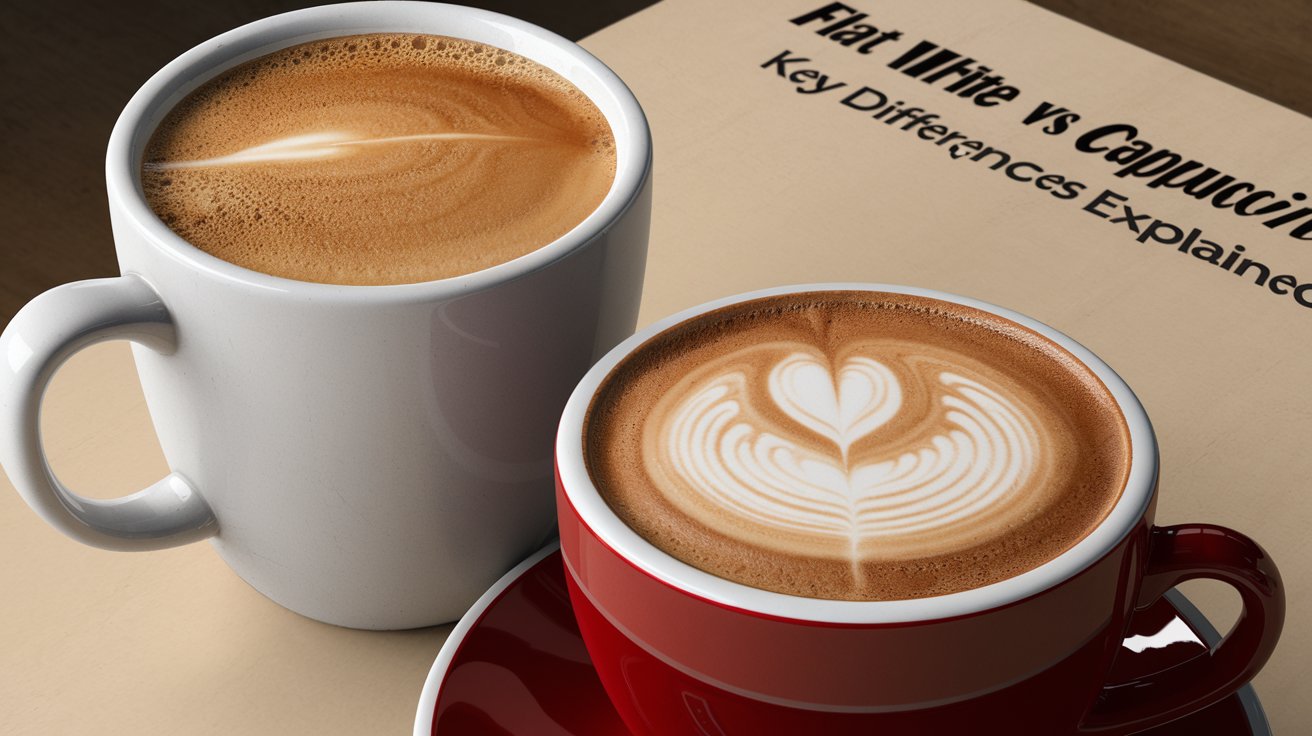
The debate between flat white and cappuccino continues to intrigue coffee enthusiasts across the United States in 2026. While both espresso-based drinks feature steamed milk, their differences lie in milk texture, ratios, and serving size. A flat white contains microfoam and a higher coffee-to-milk ratio, delivering a stronger espresso flavor, while a cappuccino balances equal parts espresso, steamed milk, and thick foam. Understanding these distinctions helps you choose the perfect beverage for your taste preferences.
What Is a Flat White?
The flat white originated in the 1980s, with both Australia and New Zealand claiming its invention. This espresso-based drink has gained massive popularity in American coffee culture since 2015, when major chains like Starbucks introduced it nationwide. A flat white combines a double shot of espresso with velvety microfoam milk, creating a smooth, creamy texture without the thick foam layer found in other drinks.
In 2026, specialty coffee shops across the United States serve flat whites in 5-6 ounce cups, emphasizing the strong espresso flavor balanced with just enough milk. The microfoam is steamed to approximately 140-150°F, creating tiny, barely visible bubbles that integrate seamlessly with the espresso. This technique produces a glossy, paint-like texture that baristas use to create intricate latte art patterns, making the flat white both visually appealing and delicious.
What Is a Cappuccino?
The cappuccino has Italian origins dating back to the early 1900s, named after Capuchin friars whose brown robes resembled the drink’s color. This classic espresso beverage follows a traditional formula: one-third espresso, one-third steamed milk, and one-third thick foam. In the United States market, cappuccinos are typically served in 6-ounce cups, though some establishments offer larger 8-ounce versions to meet consumer demand.
The defining characteristic of a cappuccino is its substantial foam layer, which sits atop the drink like a fluffy cloud. Baristas steam milk to approximately 150-155°F, incorporating more air to create larger bubbles and a thicker consistency. This foam acts as an insulator, keeping the espresso warm while adding a light, airy mouthfeel. Traditional Italian cappuccinos are consumed primarily in the morning, though American coffee culture has embraced them throughout the day in 2026.
Key Differences Between Flat White and Cappuccino
Understanding the differences between flat white and cappuccino requires examining five critical aspects that define each beverage. These distinctions affect taste, texture, strength, appearance, and overall drinking experience, helping you make an informed choice based on your preferences.
Milk Texture and Foam Consistency
The most significant difference lies in the milk texture. A flat white uses microfoam with bubbles so small they’re nearly invisible, creating a velvety, silky texture that integrates completely with the espresso. The foam layer measures only 0.25 inches thick, barely distinguishable from the liquid beneath. This microfoam technique requires precise steaming at 140-150°F, allowing milk proteins to create a smooth, glossy consistency perfect for detailed latte art.
Conversely, a cappuccino features thick, dry foam with larger, visible bubbles that create a substantial 0.5-1 inch layer atop the drink. This foam has a lighter, airier consistency that you can literally spoon off the top. The increased air incorporation during steaming at 150-155°F produces a foam that’s distinctly separate from the liquid milk below, giving cappuccinos their characteristic layered appearance and texture.
Milk-to-Espresso Ratio Comparison
The milk-to-espresso ratio dramatically affects each drink’s strength and flavor profile. A flat white typically uses a double shot of espresso (approximately 2 ounces) combined with 3-4 ounces of microfoam milk, creating a ratio of roughly 1:1.5 to 1:2. This higher coffee concentration allows the espresso flavor to dominate, with milk serving primarily to add smoothness and slight sweetness rather than diluting the coffee.
A cappuccino follows the classic 1:1:1 ratio, combining 1-2 ounces of espresso with equal parts steamed milk and foam. When using a double shot, the total milk-to-espresso ratio reaches approximately 1:2, but the substantial foam layer means less liquid milk contacts your palate initially. This creates a different flavor experience where the foam moderates the espresso intensity, delivering a more balanced, less intense coffee taste compared to the flat white.
Serving Size and Volume
Standard serving sizes differ significantly between these beverages in United States coffee shops. A traditional flat white is served in a 5-6 ounce cup, maintaining the integrity of the milk-to-espresso ratio and ensuring a strong coffee experience. Some American chains offer 8-12 ounce versions marketed as flat whites, though purists argue these larger sizes dilute the authentic character of the drink.
Cappuccinos traditionally come in 6-ounce portions, perfectly balancing the espresso-milk-foam trinity. However, the American market in 2026 commonly offers 8-ounce and even 12-ounce cappuccinos to satisfy consumers who prefer larger beverages. These supersized versions technically become lattes by traditional Italian standards, as maintaining the proper foam ratio becomes challenging in larger cups.
Coffee Strength and Flavor Intensity
When comparing coffee strength, the flat white delivers a more intense espresso experience. The minimal milk volume and absence of thick foam allow the espresso’s complex flavors—ranging from chocolate and caramel to fruity or nutty notes—to shine through prominently. With a higher coffee-to-milk ratio, you experience approximately 40-50% espresso flavor intensity, making it ideal for those who appreciate bold coffee taste.
Cappuccinos offer a mellower coffee strength, with the substantial foam layer and balanced milk ratio softening the espresso’s intensity. The thick foam acts as a buffer, delivering approximately 30-35% espresso flavor intensity in each sip. This makes cappuccinos more approachable for those who find straight espresso too strong but still want a genuine coffee taste rather than the milk-forward profile of a latte.
Visual Appearance and Presentation
The visual differences between these drinks are immediately apparent. A flat white presents a smooth, glossy surface with minimal foam visibility, often showcasing intricate latte art patterns like rosettas, hearts, or tulips. The microfoam’s silky texture allows baristas to create detailed designs that remain stable for several minutes, making flat whites Instagram-worthy favorites in 2026.
A cappuccino displays a distinctive thick foam cap that rises above the cup’s rim, often dusted with cocoa powder or cinnamon in American coffee shops. The foam’s dry texture doesn’t support detailed latte art as effectively, though skilled baristas can create simple patterns. The layered appearance—visible when served in glass cups—shows distinct separation between espresso, milk, and foam, creating an aesthetically traditional presentation.
Flat White vs Cappuccino: Calorie and Nutritional Comparison
Calorie content varies based on serving size and milk type. A standard 6-ounce flat white made with whole milk contains approximately 110-120 calories, with 6 grams of fat and 9 grams of carbohydrates. The smaller serving size and reduced milk volume make it a relatively lower-calorie option compared to larger milk-based espresso drinks.
A traditional 6-ounce cappuccino with whole milk contains approximately 90-100 calories, slightly fewer than a flat white due to the foam’s air content displacing some liquid milk. The cappuccino provides 5 grams of fat and 8 grams of carbohydrates. Both drinks offer similar protein content at 5-6 grams per serving. Switching to 2% milk reduces calories by approximately 15-20, while almond or oat milk alternatives can further decrease caloric intake to 60-80 calories per serving in 2026.
Which Is Stronger: Flat White or Cappuccino?
The flat white is definitively stronger than a cappuccino in terms of coffee flavor intensity. Using the same double espresso shot, the flat white’s lower milk volume creates a more concentrated coffee experience. The microfoam integrates seamlessly with espresso rather than sitting atop it, meaning every sip delivers consistent coffee strength throughout the drink.
A cappuccino’s strength perception varies throughout consumption. Initial sips through the thick foam layer taste milder, as foam moderates the espresso’s intensity. As you progress through the drink, encountering more liquid espresso, the strength increases. The equal parts ratio mathematically dilutes the espresso more than a flat white, resulting in approximately 20-25% less perceived coffee strength overall.
Both drinks contain identical caffeine content when made with the same espresso shots—typically 136-170mg from a double shot in 2026. The strength difference refers to flavor intensity and coffee taste prominence, not actual caffeine levels. If you seek maximum caffeine with minimal milk, the flat white provides a stronger sensory experience without additional caffeine.
Health Considerations: Which Is Healthier?
Determining which drink is healthier depends on individual dietary goals and nutritional priorities. From a caloric standpoint, a traditional cappuccino edges slightly ahead with 10-20 fewer calories than a flat white when both use whole milk and standard serving sizes. The foam’s air content displaces actual milk volume, reducing fat and calorie intake while maintaining beverage volume.
For those monitoring saturated fat intake, cappuccinos again offer a marginal advantage with approximately 1 gram less fat per serving. However, the difference becomes negligible when using low-fat or plant-based milk alternatives. Both drinks provide similar amounts of protein and calcium, supporting bone health and muscle function. The antioxidant content from espresso remains identical in both beverages, offering the same potential benefits for reducing inflammation and supporting cardiovascular health.
Neither drink contains added sugars when ordered plain, making both relatively healthy choices compared to flavored lattes or mochas. The American Heart Association recommends limiting added sugars and saturated fats, which both drinks respect in their traditional forms. For optimal health benefits in 2026, choose 2% or plant-based milk, avoid added syrups or sweeteners, and consider your overall daily caloric intake when selecting between these espresso beverages.
Flat White vs Cappuccino vs Other Espresso Drinks
Understanding how these drinks compare to other espresso beverages provides complete context for making informed coffee choices. The espresso drink spectrum ranges from intense to milk-forward, with flat whites and cappuccinos occupying the middle ground between straight espresso and milk-heavy lattes.
Comparison with Latte
A latte contains significantly more milk than either a flat white or cappuccino, typically using 6-8 ounces of steamed milk with a double espresso shot. This creates a creamier, sweeter drink with reduced coffee intensity. Lattes have minimal foam—just a thin 0.25-inch layer—similar to flat whites but with much higher milk volume. In 2026, lattes remain the most popular espresso drink in the United States, accounting for approximately 35% of specialty coffee sales.
While a flat white delivers strong espresso flavor despite containing milk, a latte prioritizes creamy sweetness over coffee intensity. Calorie-wise, an 8-ounce latte contains 150-190 calories with whole milk, substantially more than both flat whites and cappuccinos. For those who find cappuccinos too strong but flat whites too intense, lattes offer the perfect compromise.
Comparison with Cortado and Macchiato
A cortado uses equal parts espresso and steamed milk (typically 2 ounces each), creating an even stronger coffee experience than a flat white. With virtually no foam and a 1:1 ratio, cortados deliver maximum espresso flavor with just enough milk to cut acidity. This Spanish-origin drink has gained popularity in American specialty coffee shops since 2020, appealing to espresso purists who want slight milk mellowing.
A macchiato (specifically espresso macchiato, not the sweetened versions at chain stores) consists of espresso with just a dollop of foam, making it the strongest milk-containing espresso drink. Traditional macchiatos contain approximately 85-90% espresso, compared to flat whites at 40-50%. Meanwhile, latte macchiatos reverse the ratio, layering espresso into steamed milk for a milder, milk-forward beverage that resembles a latte more than a traditional macchiato.
How to Order Each Drink Correctly in 2026
Ordering a proper flat white requires clarity, as American coffee shops sometimes blur distinctions between espresso drinks. Specify that you want microfoam milk with minimal foam layer, and confirm the serving size—traditional 5-6 ounces or Americanized larger sizes. Request a double ristretto shot if you prefer the authentic Australian/New Zealand style, which uses slightly less water for a sweeter, less bitter espresso extraction.
When ordering a cappuccino, ask for traditional proportions if you want the authentic experience, as many American establishments over-milk their cappuccinos. Specify whether you prefer it dry (more foam, less liquid milk), wet (less foam, more liquid milk), or bone dry (almost all foam). Request the appropriate size—6 ounces for traditional or 8 ounces for American standard—and clarify whether you want any cocoa or cinnamon topping.
Both drinks benefit from specifying your milk preference: whole milk for richness, 2% for moderate creaminess, oat milk for plant-based sweetness, or almond milk for lower calories. In 2026, approximately 40% of American coffee consumers choose alternative milks, with oat milk leading plant-based options for espresso drinks due to its superior steaming properties and natural sweetness.
Best Times and Situations for Each Drink
The flat white excels as a morning beverage when you need strong coffee flavor without excessive volume. Its concentrated espresso taste provides an effective caffeine delivery system for starting your day, while the smaller serving size prevents overconsumption. The smooth microfoam makes it ideal for leisurely sipping while working or reading, as the consistent texture remains pleasant throughout consumption.
Cappuccinos traditionally function as morning drinks in Italian culture, consumed alongside breakfast pastries before 11 AM. The substantial foam and balanced flavor complement sweet breakfast items without overwhelming them. In American coffee culture, cappuccinos work well as afternoon pick-me-ups when you want coffee flavor without the full intensity of straight espresso or the heaviness of a large latte.
For post-meal situations, flat whites provide a cleaner finish due to lower milk volume, making them excellent after-dinner drinks that don’t feel overly filling. Cappuccinos, with their foamy texture and balanced sweetness, pair beautifully with desserts, particularly chocolate-based treats or biscotti. In social settings, both drinks facilitate conversation better than larger beverages, as their moderate sizes encourage appropriate pacing rather than rushed consumption.
Making Flat White and Cappuccino at Home
Creating an authentic flat white at home requires an espresso machine with a steam wand capable of producing microfoam. Pull a double shot of espresso using 18-20 grams of finely ground coffee, extracting 2 ounces in 25-30 seconds. Steam 3-4 ounces of cold whole milk to 140-150°F, positioning the wand just below the surface initially to create a gentle whirlpool that incorporates tiny air bubbles. The result should be glossy, paint-like milk without visible foam separation.
Making a proper cappuccino follows similar espresso extraction but requires different milk steaming technique. Use the same double shot, but steam 3-4 ounces of milk to 150-155°F while introducing more air during the initial steaming phase. Keep the wand tip slightly higher in the milk to create larger bubbles and substantial foam. Allow the foam to settle for 10-15 seconds, then pour to create distinct layers of espresso, steamed milk, and thick foam cap.
Without an espresso machine, alternatives exist though results differ from authentic versions. Moka pot coffee provides strong concentrated brew, while handheld milk frothers or French presses create foam. For flat white approximations, heat milk to 140°F and froth minimally for 5-10 seconds. For cappuccino-style drinks, froth more aggressively for 20-30 seconds to create substantial foam. While these methods won’t replicate café quality, they produce enjoyable home versions at a fraction of the cost.
Related video about flat white vs cappuccino
This video complements the article information with a practical visual demonstration.
Questions & Answers
Is a flat white stronger than a cappuccino?
Yes, a flat white is stronger than a cappuccino in terms of coffee flavor intensity. Both drinks typically use the same double espresso shot, but the flat white contains less milk (3-4 ounces versus 4-5 ounces) and uses microfoam that integrates with espresso rather than sitting atop it. This creates a more concentrated coffee experience with approximately 40-50% espresso flavor intensity compared to the cappuccino’s 30-35%. However, both contain identical caffeine content when made with the same espresso shots, typically 136-170mg. The strength difference refers to taste prominence, not actual caffeine levels.
Which coffee drink has the least milk?
Among milk-containing espresso drinks, the macchiato has the least milk, containing just a small dollop of foam on top of espresso. Following that, a cortado uses equal parts espresso and milk (typically 2 ounces each), then the flat white with 3-4 ounces of microfoam milk. Cappuccinos contain 4-5 ounces of milk and foam combined, while lattes have the most milk at 6-8 ounces or more. If you want strong coffee flavor with minimal milk dilution, order a macchiato or cortado rather than a flat white or cappuccino. The less milk a drink contains, the more intense the espresso flavor becomes.
Which is healthier: a latte or a cappuccino?
A cappuccino is healthier than a latte from a caloric and nutritional standpoint. A 6-ounce cappuccino made with whole milk contains approximately 90-100 calories and 5 grams of fat, while an 8-ounce latte contains 150-190 calories and 8-10 grams of fat. The cappuccino’s substantial foam layer displaces liquid milk, reducing actual dairy consumption while maintaining beverage volume. Both drinks provide similar protein and calcium benefits from milk, and identical antioxidants from espresso. For the healthiest option, choose a cappuccino with 2% or plant-based milk, avoid added syrups, and stick to traditional 6-ounce serving sizes rather than supersized American portions.
Can I make a flat white with regular coffee instead of espresso?
While you can create a flat white-style drink with strong regular coffee, it won’t be an authentic flat white, which by definition requires espresso. Espresso’s concentrated flavor, crema, and specific extraction method are essential to the drink’s character. If you don’t have an espresso machine, use a Moka pot to brew concentrated coffee (approximately 2 ounces), then combine it with 3-4 ounces of microfoam milk steamed to 140-150°F. Alternatively, brew very strong coffee using a 1:10 coffee-to-water ratio, use 2-3 ounces, and combine with steamed microfoam milk. The result will resemble a flat white in structure but lack the authentic espresso flavor that defines the beverage.
What milk works best for flat whites and cappuccinos?
Whole milk works best for both flat whites and cappuccinos due to its optimal fat and protein content for creating stable foam. The 3.5% fat content provides richness and helps create silky microfoam for flat whites and substantial foam for cappuccinos. For plant-based alternatives in 2026, oat milk performs exceptionally well due to added stabilizers and natural sugars that support foam creation. Barista-edition oat milk contains 3-4% fat, closely mimicking whole dairy milk’s steaming properties. Almond milk works but produces less stable foam, while soy milk can create good foam but sometimes curdles in espresso. For best results, choose whole dairy milk or barista-edition oat milk, and always use cold milk straight from the refrigerator.
Why is my homemade cappuccino foam disappearing quickly?
Cappuccino foam disappears quickly due to improper milk steaming technique or wrong milk temperature. For stable foam, start with cold whole milk (38-40°F) and steam to exactly 150-155°F—higher temperatures break down milk proteins, causing foam collapse. Position the steam wand tip just below the milk surface initially, introducing air for 3-5 seconds to create bubbles, then submerge deeper to heat and texture the milk. Over-aerating creates large, unstable bubbles that pop quickly, while under-aerating produces insufficient foam. Using old milk or milk previously heated also affects foam stability. Fresh, cold whole milk with proper steaming technique creates cappuccino foam that lasts 5-10 minutes without significant collapse.
| Characteristic | Flat White | Cappuccino |
|---|---|---|
| Milk Texture | Velvety microfoam, silky smooth | Thick, airy foam with larger bubbles |
| Serving Size | 5-6 ounces (traditional) | 6 ounces (traditional) |
| Milk-to-Espresso Ratio | 1:1.5 to 1:2 (higher coffee) | 1:2 (equal parts espresso, milk, foam) |
| Coffee Strength | Stronger, 40-50% espresso intensity | Moderate, 30-35% espresso intensity |
| Calories (whole milk) | 110-120 calories | 90-100 calories |
| Foam Layer Thickness | 0.25 inches (minimal) | 0.5-1 inch (substantial) |
| Best For | Strong coffee lovers, morning boost | Balanced flavor, breakfast pairing |
| Caffeine Content | 136-170mg (double shot) | 136-170mg (double shot) |