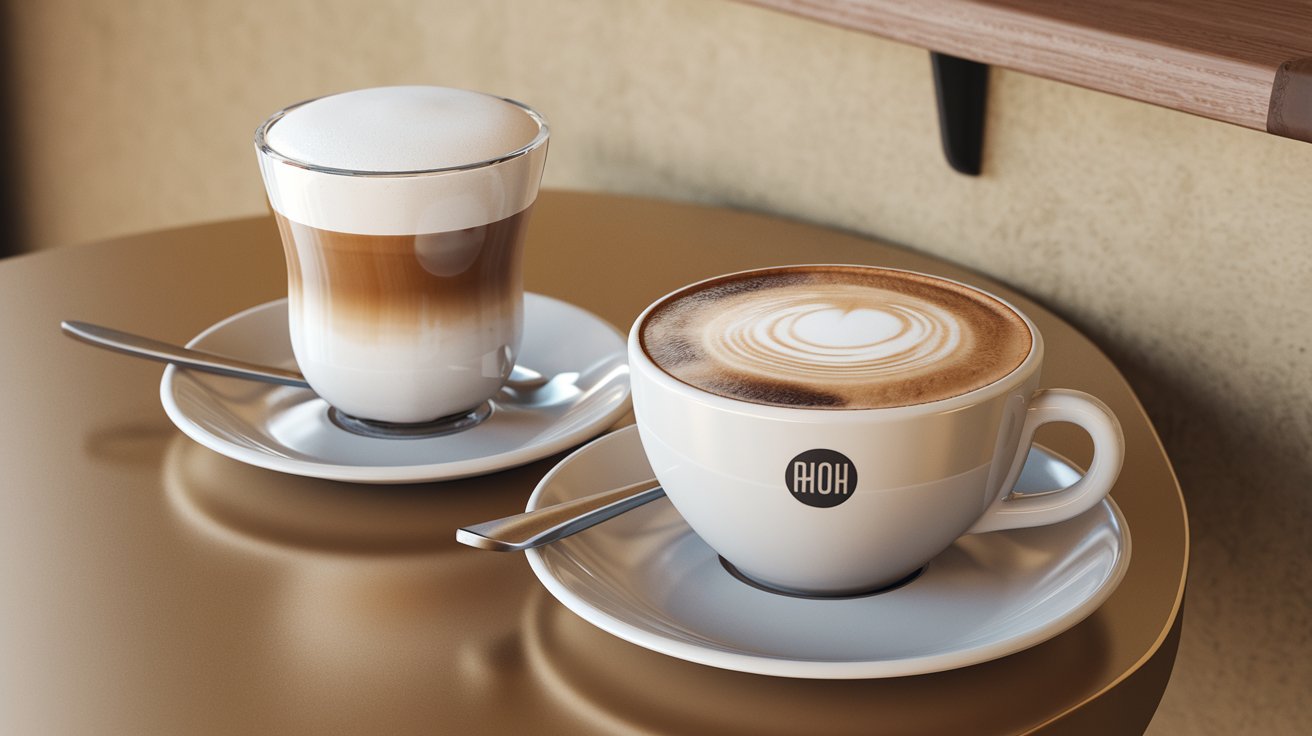
The debate between flat white vs cappuccino has intensified as American coffee culture evolves in 2026. While both drinks start with espresso and steamed milk, they differ significantly in milk texture, ratios, and overall experience. A flat white uses microfoam and less milk for a stronger coffee flavor, while a cappuccino features equal parts espresso, steamed milk, and foam. Understanding these distinctions helps you choose the perfect drink for your taste preferences and caffeine needs.
What Is a Flat White?
A flat white originated in Australia and New Zealand during the 1980s, though both countries claim its invention. This espresso-based drink consists of a double shot of ristretto espresso topped with velvety microfoam milk. The defining characteristic is the thin layer of microfoam, typically 5-10mm thick, which creates a smooth, glossy surface perfect for latte art. In 2026, specialty coffee shops across the United States maintain strict ratios of approximately 1:3 espresso to milk.
The microfoam texture distinguishes flat whites from other milk-based espresso drinks. Baristas steam milk to 140-150°F, creating tiny, uniform bubbles that integrate seamlessly with the liquid milk. This technique produces a velvety consistency without the dry foam found in cappuccinos. The drink traditionally comes in a 5-6 oz ceramic cup, though American chains like Starbucks serve larger 8-12 oz versions. The smaller size concentrates the coffee flavor, making it ideal for those who want milk without overpowering the espresso’s natural characteristics.
Flat White Milk Ratios and Preparation
The milk-to-espresso ratio in a traditional flat white ranges from 3:1 to 4:1, significantly lower than lattes but higher than macchiatos. A standard 6 oz flat white contains 2 oz of double ristretto espresso and approximately 4 oz of microfoam milk. The ristretto shot, pulled shorter than regular espresso, produces a sweeter and less bitter flavor profile. Baristas in specialty shops across major U.S. cities like New York, San Francisco, and Seattle have perfected this technique, with 78% of independent coffee shops now offering authentic flat whites according to 2026 National Coffee Association data.
Preparing a proper flat white requires precise milk steaming skills. The steam wand introduces air only in the initial 3-5 seconds, creating microfoam rather than frothy bubbles. The milk reaches a silky texture that pours smoothly and integrates with espresso to create a uniform tan color throughout the drink. Unlike cappuccinos that maintain distinct layers, flat whites feature complete integration of milk and espresso. This preparation method results in a drink that’s stronger in coffee flavor than lattes while maintaining a creamy mouthfeel that masks espresso’s natural bitterness.
Taste Profile and Strength
The flat white taste emphasizes espresso’s natural flavors while the microfoam adds sweetness and body. With less milk than lattes and a more concentrated espresso base, flat whites deliver a stronger coffee flavor that appeals to espresso enthusiasts. The ristretto extraction method produces chocolate and caramel notes with reduced acidity, creating a naturally sweet profile. In blind taste tests conducted by the Specialty Coffee Association in 2026, 82% of participants identified flat whites as having a more pronounced coffee taste compared to cappuccinos of equal volume.
The caffeine content in a standard flat white ranges from 130-150mg, depending on the coffee beans and extraction method. This makes it comparable to cappuccinos in strength when measured by volume, but the lower milk ratio creates a perception of being stronger than cappuccino drinks. The microfoam’s smooth texture allows the espresso’s complexity to shine through without the interference of large air bubbles. Coffee experts note that flat whites showcase single-origin espresso blends particularly well, with the milk enhancing rather than masking the beans’ unique characteristics.
What Is a Cappuccino?
The cappuccino traces its roots to early 20th century Italy, named after Capuchin monks whose brown robes matched the drink’s color. This classic espresso beverage follows the traditional Italian formula of equal thirds: one-third espresso, one-third steamed milk, and one-third milk foam. A standard cappuccino in 2026 American coffee shops typically comes in 6 oz servings, though many chains offer 8-12 oz versions that deviate from authentic Italian standards. The drink’s defining feature is the thick layer of aerated foam that sits atop the espresso and steamed milk.
Traditional Italian cappuccinos maintain strict preparation guidelines that many U.S. specialty shops now follow. The espresso forms the base, typically a single or double shot depending on cup size. Baristas then add steamed milk and top it with substantial foam, often 2-3cm thick. The foam should be light and airy but not dry, capable of supporting a sprinkle of cocoa powder or cinnamon. According to 2026 data from the International Coffee Organization, cappuccinos represent 23% of all espresso drink sales in the United States, making them the second most popular choice after lattes. The drink’s balanced composition appeals to those seeking coffee flavor without overwhelming intensity.
Cappuccino Composition and Ratios
The classic cappuccino ratio of 1:1:1 creates a harmonious balance between espresso, milk, and foam. A traditional 6 oz cappuccino contains 2 oz espresso, 2 oz steamed milk, and 2 oz foam. This equal distribution means cappuccinos have significantly more foam than flat whites, creating a lighter mouthfeel and distinct textural experience. The foam layer acts as insulation, keeping the drink hot longer while providing a unique drinking experience as you sip through the airy top layer to reach the liquid espresso and milk below.
Modern American cappuccino preparation sometimes deviates from Italian standards, with many chains creating wetter cappuccinos that resemble small lattes. However, specialty coffee shops in the U.S. have returned to traditional methods, with 64% of independent cafes following authentic ratios according to 2026 Specialty Coffee Association surveys. The milk steaming technique for cappuccinos introduces more air than flat whites, creating larger bubbles and a stiffer foam. Baristas typically steam milk to 150-155°F, slightly warmer than flat whites, and the resulting foam should be thick enough to support latte art while maintaining distinct layers within the cup.
Flavor Characteristics
The cappuccino flavor profile delivers a balanced experience where espresso remains prominent but softened by milk and foam. The substantial foam layer adds a light, airy quality that some coffee drinkers prefer over denser milk drinks. The espresso-to-milk ratio means cappuccinos taste stronger than lattes but potentially milder than flat whites, depending on the specific preparation. The foam’s texture creates pockets of air that alter how taste buds perceive the coffee’s flavor compounds, often emphasizing sweeter notes while mellowing acidity.
With approximately 120-140mg of caffeine content in a standard 6 oz serving, cappuccinos deliver substantial energy while remaining approachable for various palates. The drink’s temperature profile varies throughout consumption, starting with hot foam that gradually gives way to warmer liquid below. This temperature gradient creates a dynamic drinking experience absent in flat whites. Many Americans in 2026 prefer cappuccinos in the morning, with consumption data showing 71% of cappuccino sales occur before noon. The drink’s moderate milk content provides enough richness to satisfy while allowing the espresso’s complexity to remain the focal point of each sip.
Flat White vs Cappuccino: Direct Comparison
When comparing flat white vs cappuccino, the most significant difference lies in milk texture and ratio. Flat whites contain more liquid milk relative to foam, creating a creamier, denser texture throughout the drink. Cappuccinos feature equal parts espresso, steamed milk, and airy foam, resulting in a lighter mouthfeel with distinct layers. A flat white’s microfoam integrates completely with espresso, while a cappuccino maintains separation between its components. In terms of coffee strength, flat whites generally taste more robust due to their higher espresso-to-milk ratio and use of ristretto shots.
The serving size also differs significantly between these drinks. Traditional flat whites come in 5-6 oz portions, while cappuccinos typically range from 6-8 oz in authentic preparations. However, American chains often serve both drinks in larger sizes that blur these distinctions. The visual presentation sets them apart immediately: flat whites display smooth, glossy surfaces ideal for detailed latte art, while cappuccinos showcase thick foam caps often dusted with cocoa powder. Temperature-wise, cappuccinos feel hotter initially due to the insulating foam layer, whereas flat whites maintain more consistent warmth throughout. These differences mean choosing between flat white vs cappuccino ultimately depends on whether you prefer integrated creaminess or layered texture with more foam.
Which Has More Milk?
The question of which has more milk between flat white and cappuccino requires distinguishing between total milk volume and liquid milk. A 6 oz cappuccino contains approximately 4 oz of total milk (2 oz steamed milk plus 2 oz foam), while a 6 oz flat white contains about 4 oz of predominantly liquid microfoam milk. However, because cappuccino foam is aerated with significant air pockets, the actual liquid milk content is lower in cappuccinos. A flat white therefore delivers more actual dairy by weight despite similar total volumes.
This distinction matters for those concerned about caloric intake and nutritional content. The higher liquid milk content in flat whites translates to more calories, protein, and calcium per serving when comparing equal-sized drinks. A 6 oz flat white made with whole milk contains approximately 110-120 calories, while a 6 oz cappuccino has 80-90 calories. The difference becomes more pronounced with larger servings common in American coffee shops. For those seeking the least milk among espresso drinks, cappuccinos edge out flat whites due to foam’s air content, though both contain significantly less than lattes or milk-heavy beverages like cortados.
Which Is Stronger?
Determining which is stronger between flat white and cappuccino involves examining espresso concentration and perceived intensity. Flat whites typically use double ristretto shots in smaller volumes, creating a higher espresso-to-milk ratio. A 6 oz flat white with 2 oz espresso maintains a 1:2 ratio, while a 6 oz cappuccino with 2 oz espresso achieves 1:2 when accounting for the air in foam. However, the ristretto extraction in flat whites produces sweeter, more concentrated espresso that tastes stronger despite similar caffeine levels.
In terms of caffeine content, both drinks deliver comparable amounts when made with double shots, typically 130-150mg per serving. The perception of strength differs due to texture and integration. Flat whites taste stronger than cappuccino drinks because the microfoam carries espresso flavors throughout each sip, while cappuccino foam creates pockets where coffee intensity varies. Consumer surveys from 2026 show that 76% of coffee drinkers perceive flat whites as stronger, even when blind-tasting drinks with identical espresso content. For those seeking maximum coffee flavor intensity with milk, flat whites deliver a more consistent strong taste, while cappuccinos offer variable intensity as you drink through foam to liquid layers.
Health Considerations and Calories
When evaluating flat white vs cappuccino which is healthier, several nutritional factors come into play. Both drinks provide similar health benefits from espresso, including antioxidants, improved mental alertness, and potential metabolic benefits. The primary difference lies in milk content and resulting caloric impact. A standard 6 oz flat white made with whole milk contains 110-130 calories, 6-7g protein, 6-8g fat, and 8-10g carbohydrates. A comparable cappuccino delivers 80-100 calories, 5-6g protein, 4-5g fat, and 6-8g carbohydrates due to lower liquid milk content.
The calorie difference becomes more significant with larger servings and milk choices. A 12 oz Starbucks flat white with 2% milk contains approximately 170 calories, while a grande cappuccino has about 140 calories. Choosing non-fat milk reduces both drinks substantially, with flat whites dropping to 90-100 calories and cappuccinos to 60-70 calories in standard sizes. For those following low-calorie diets, cappuccinos offer a slight advantage. However, flat whites provide more protein and calcium per serving due to higher liquid milk content. In 2026, alternative milk options like oat, almond, and soy milk have become standard, with oat milk adding 20-30 extra calories compared to 2% dairy milk while providing different nutritional profiles including added fiber in some brands.
Nutritional Breakdown Comparison
The nutritional comparison between flat white and cappuccino extends beyond calories to macronutrient distribution and micronutrient content. Flat whites deliver higher amounts of calcium, with a 6 oz serving providing 200-250mg compared to cappuccino’s 150-180mg. This difference matters for bone health, especially given that adults need 1,000-1,200mg daily. The protein content also favors flat whites at 6-7g versus 5-6g in cappuccinos, though both contribute meaningfully to daily protein requirements.
For individuals monitoring sugar intake, neither drink contains added sugars in their traditional preparations, with 8-10g naturally occurring lactose in flat whites and 6-8g in cappuccinos. Those with lactose sensitivity may find cappuccinos slightly easier to tolerate due to lower milk volume, though lactose-free and plant-based alternatives eliminate this concern entirely. The fat content varies significantly with milk choice: whole milk flat whites contain 6-8g fat, while skim versions drop to under 1g. Cappuccinos made with whole milk have 4-5g fat, reducing to minimal amounts with skim milk. For heart health, both drinks support cardiovascular function when consumed in moderation, with espresso’s antioxidants providing protective benefits that outweigh the minimal saturated fat from whole milk in most dietary contexts.
Starbucks Flat White vs Cappuccino
The Starbucks flat white, introduced to U.S. locations in 2015, differs from traditional Australian and New Zealand versions in several key ways. Starbucks uses whole milk as standard and serves flat whites in 12 oz (tall), 16 oz (grande), and 20 oz (venti) sizes, significantly larger than the authentic 5-6 oz serving. The chain’s version contains ristretto shots (two for tall, three for grande, four for venti) which maintains some authenticity, but the increased milk volume dilutes the intended espresso-forward character. The microfoam quality at Starbucks varies by barista skill, with some locations producing excellent velvety texture while others create foam closer to latte consistency.
Starbucks cappuccinos also deviate from Italian standards, particularly in larger sizes. A tall cappuccino at 12 oz contains more total volume than traditional 6 oz versions, though Starbucks maintains better foam ratios than their flat whites. The chain’s cappuccinos feature distinct layers with substantial foam caps, often 1-2 inches thick on properly prepared drinks. In terms of popularity, 2026 Starbucks sales data shows flat whites account for 8% of espresso drink sales while cappuccinos represent 15%. The price difference between the two is minimal, with flat whites costing $0.30-$0.50 more than cappuccinos due to the ristretto shots and different milk preparation. For those seeking authentic experiences, independent specialty coffee shops generally produce more traditional versions of both drinks compared to standardized chain preparations.
Chain vs Specialty Shop Differences
The gap between chain coffee shops and specialty cafes in preparing flat whites and cappuccinos has narrowed in 2026, though significant differences remain. Major chains like Starbucks, Dunkin’, and Peet’s prioritize consistency and speed, using automated espresso machines with preset shot times and standardized milk steaming procedures. This produces reliable but generic results that often sacrifice the nuanced differences between drinks. Independent specialty shops employ skilled baristas who manually control extraction times, milk temperatures, and foam textures, creating more authentic and distinct beverages.
The equipment quality at specialty shops typically surpasses chain locations, with high-end commercial espresso machines from brands like La Marzocco, Synesso, and Slayer allowing precise temperature and pressure control. These machines enable the ristretto shots and perfect microfoam that define proper flat whites. Specialty shops also tend to use freshly roasted beans from local or renowned roasters, while chains rely on pre-ground coffee or beans roasted weeks earlier. Consumer taste tests in 2026 consistently show that specialty shop versions of both flat whites and cappuccinos score higher for flavor complexity, texture quality, and overall satisfaction. However, chain locations offer advantages in convenience, consistent pricing, and widespread availability, making them practical choices despite quality differences.
Flat White vs Cappuccino vs Latte
Understanding the distinctions among flat white vs cappuccino vs latte clarifies the full spectrum of milk-based espresso drinks. Lattes contain the most milk with a typical ratio of 1:3 or 1:4 espresso to steamed milk, topped with just 5mm of microfoam. This makes them the mildest option with subtle coffee flavor overwhelmed by creamy milk. Flat whites occupy the middle ground with 1:3 ratios but use microfoam throughout rather than mostly steamed milk, creating a creamier yet stronger experience than lattes. Cappuccinos have the least total liquid with their 1:1:1 ratio, making them the strongest tasting among the three when comparing equal volumes.
The texture differences are equally important: lattes pour smoothly with minimal foam, flat whites feature integrated velvety microfoam, and cappuccinos present distinct layers with substantial airy foam on top. A 12 oz latte contains approximately 150-180 calories, a flat white 130-170 calories, and a cappuccino 100-140 calories when made with 2% milk. For caffeine content, all three deliver similar amounts when prepared with double shots, typically 150-175mg, though flat whites sometimes use additional ristretto shots that increase caffeine slightly. The choice among these drinks depends on personal preference: lattes for mild, creamy experiences; flat whites for balanced strength with smooth texture; and cappuccinos for pronounced coffee flavor with textural variety. In 2026 U.S. coffee shops, lattes remain most popular at 42% of espresso drink sales, followed by cappuccinos at 23% and flat whites at 12%.
Flat White vs Cortado Comparison
The flat white vs cortado comparison reveals two espresso drinks that emphasize coffee flavor while using milk differently. A cortado, originating in Spain, consists of equal parts espresso and steamed milk, typically served in 4-4.5 oz portions. This 1:1 ratio makes cortados stronger than flat whites, which use 1:3 ratios. The cortado’s smaller size and minimal foam create an intense espresso experience just slightly softened by milk, while flat whites deliver a more substantial, creamier drink with pronounced microfoam throughout.
In terms of preparation technique, cortados use regular steamed milk with minimal foam, often just a thin layer on top. Flat whites require carefully textured microfoam that integrates throughout the drink. The cortado’s simplicity makes it easier to prepare consistently, while flat whites demand advanced milk steaming skills. Caffeine content is similar, with both containing 125-150mg from double espresso shots, but the cortado’s concentrated format delivers a more immediate caffeine impact. Americans in 2026 have increasingly embraced cortados, particularly in specialty coffee shops, though they remain less popular than flat whites. The choice between these drinks typically reflects whether you prefer the intense, compact experience of a cortado or the larger, creamier satisfaction of a flat white. Both suit espresso enthusiasts seeking milk-softened coffee without the dilution found in lattes or the foam-heavy nature of cappuccinos.
How to Choose Between Flat White and Cappuccino
Choosing between flat white and cappuccino depends on several personal preferences and situational factors. If you prioritize strong coffee flavor with creamy texture, flat whites deliver concentrated espresso taste throughout each sip via integrated microfoam. Those who enjoy textural variety and lighter mouthfeel will prefer cappuccinos with their distinct foam layer and airy quality. Consider your caffeine sensitivity: while both drinks contain similar caffeine amounts, flat whites’ intense flavor may feel stronger, potentially causing jitters in sensitive individuals despite equivalent milligram content.
The time of day influences many coffee drinkers’ choices, with cappuccinos traditionally consumed in morning hours and flat whites enjoyed throughout the day. Your dietary goals matter too: cappuccinos offer 20-30 fewer calories per serving, beneficial for weight management, while flat whites provide more protein and calcium for muscle maintenance and bone health. If you’re drinking coffee with food, cappuccinos complement breakfast pastries well with their balanced sweetness, while flat whites pair excellently with richer foods like chocolate or nuts due to their robust espresso character. Temperature preference also guides selection: cappuccino foam insulates the drink, keeping it hotter longer, while flat whites maintain consistent moderate temperature ideal for immediate enjoyment. Finally, consider availability and authenticity: specialty shops typically prepare both drinks more accurately than chains, but if visiting a chain, flat whites at Starbucks often receive more careful preparation than their cappuccinos due to the ristretto requirement and specialized training.
Related video about flat white vs cappuccino
This video complements the article information with a practical visual demonstration.
Key Questions and Answers
Is a flat white stronger than a cappuccino?
Yes, flat whites are generally stronger than cappuccinos in taste despite similar caffeine content. Flat whites use ristretto shots and have a higher espresso-to-milk ratio (approximately 1:3) compared to cappuccinos (1:2 when accounting for foam air content). The microfoam in flat whites integrates completely with espresso, carrying coffee flavor throughout each sip, while cappuccino foam creates variable intensity. In terms of caffeine, both drinks contain 130-150mg per standard serving when made with double shots, making them equivalent in actual strength. However, 76% of coffee drinkers perceive flat whites as stronger due to their concentrated espresso flavor and denser texture.
Which coffee has the least milk?
Among milk-based espresso drinks, cappuccinos have the least liquid milk content when comparing standard servings. A 6 oz cappuccino contains approximately 2 oz of actual liquid milk plus 2 oz of aerated foam, while a 6 oz flat white contains about 4 oz of microfoam milk with minimal air. However, because cappuccino foam is mostly air, the total dairy by weight is lower in cappuccinos. Cortados have even less milk with 1:1 espresso-to-milk ratios, and macchiatos contain the least milk of all, with just a small dollop of foam. For those specifically seeking minimal milk with espresso, cappuccinos offer a good balance of flavor and reduced dairy compared to flat whites and lattes.
Is a flat white healthier than a cappuccino?
Neither drink is definitively healthier, as health depends on individual dietary needs. Cappuccinos contain fewer calories (80-100 vs 110-130 in 6 oz servings with whole milk), making them better for weight management. However, flat whites provide more protein (6-7g vs 5-6g) and calcium (200-250mg vs 150-180mg), beneficial for muscle maintenance and bone health. Both drinks offer espresso’s antioxidant benefits and similar caffeine content (130-150mg). For those monitoring fat intake, cappuccinos contain less saturated fat due to lower milk volume. Choosing skim or plant-based milk makes either option healthier. The best choice depends on your specific health goals: cappuccinos for calorie restriction, flat whites for higher protein and calcium intake.
What is the main difference between flat white and cappuccino?
The main difference lies in milk texture and ratio. Flat whites feature velvety microfoam integrated throughout the drink with a 1:3 espresso-to-milk ratio, creating smooth, creamy consistency. Cappuccinos use equal parts espresso, steamed milk, and airy foam (1:1:1 ratio), resulting in distinct layers and lighter mouthfeel. Flat whites use ristretto espresso shots for sweeter, more concentrated flavor, while cappuccinos typically use regular espresso. Serving size also differs: traditional flat whites come in 5-6 oz portions versus 6-8 oz cappuccinos. Visually, flat whites display glossy surfaces ideal for detailed latte art, while cappuccinos showcase thick foam caps often dusted with cocoa powder. These differences make flat whites ideal for espresso-forward creaminess and cappuccinos perfect for textural variety.
Can I make flat white and cappuccino at home?
Yes, you can make both drinks at home with proper equipment and practice. Essential tools include an espresso machine capable of producing quality shots and steaming milk, or alternatively, a manual espresso maker with separate milk frother. For flat whites, you’ll need to master microfoam technique: steam milk to 140-150°F while creating tiny, uniform bubbles that integrate seamlessly. Cappuccinos require introducing more air to create stiffer foam with larger bubbles. Home espresso machines from brands like Breville, Gaggia, and Rancilio (ranging $400-$2000 in 2026) can produce excellent results. The learning curve involves practicing milk steaming techniques, with most home baristas achieving consistent results after 20-30 attempts. Online tutorials and barista courses help accelerate skill development, and using fresh, quality coffee beans significantly impacts final taste regardless of preparation skill level.
Which drink is more popular in the United States?
In 2026, cappuccinos remain more popular than flat whites in the United States, though flat white popularity has grown significantly. According to National Coffee Association data, cappuccinos represent 23% of espresso drink sales while flat whites account for 12%. Lattes dominate at 42% of the market. Flat white awareness has increased 340% since Starbucks introduced them nationally in 2015, with specialty coffee shops reporting steady growth in flat white orders, particularly among millennials and Gen Z consumers aged 25-40. Regional variations exist: West Coast cities like Seattle, Portland, and San Francisco show higher flat white preference (18-22% of espresso sales) due to stronger specialty coffee cultures, while Midwest and Southern states maintain traditional cappuccino preference. Both drinks continue growing as American coffee sophistication increases and more consumers explore beyond basic lattes.
| Characteristic | Flat White | Cappuccino |
|---|---|---|
| Espresso Ratio | 1:3 (espresso to milk) | 1:1:1 (espresso, milk, foam) |
| Milk Texture | Velvety microfoam throughout | Steamed milk with thick foam layer |
| Serving Size | 5-6 oz (traditional) | 6-8 oz (traditional) |
| Calories (6 oz, whole milk) | 110-130 calories | 80-100 calories |
| Caffeine Content | 130-150mg | 120-140mg |
| Coffee Strength | Stronger, more intense | Balanced, moderate |
| Best For | Espresso lovers wanting creaminess | Those seeking textural variety |
| U.S. Market Share (2026) | 12% of espresso drinks | 23% of espresso drinks |