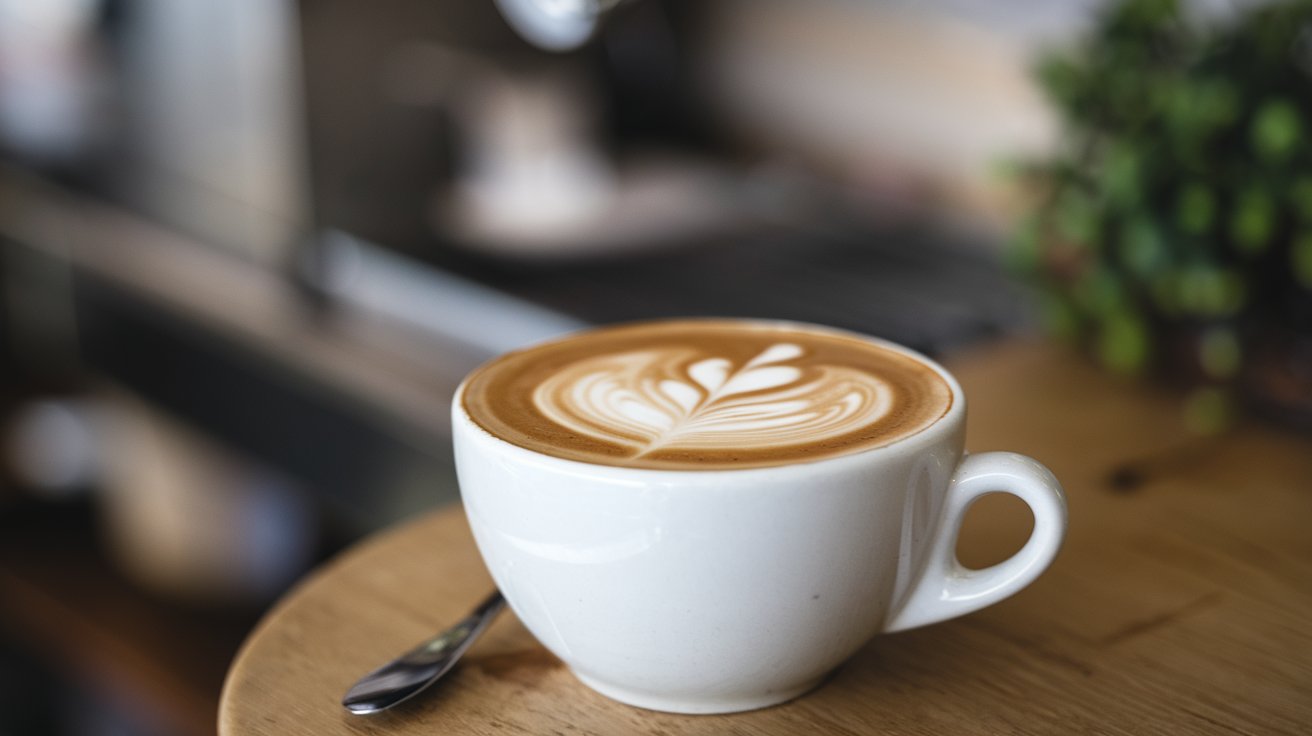
Making a latte at home is easier than you think and costs a fraction of your daily coffee shop visit. With the right technique and basic equipment, you can create café-quality lattes that rival Starbucks for under two dollars per cup. This comprehensive guide covers everything from espresso extraction to milk frothing, whether you have a machine or not. Americans spent over $5.2 billion on lattes in 2025, but you can save thousands annually by mastering this simple skill.
What Is a Latte and What Makes It Different
A latte is an espresso-based drink consisting of one or two shots of espresso combined with steamed milk and topped with a thin layer of microfoam. The traditional ratio of milk to coffee in a latte is approximately 1:3 to 1:5, meaning one part espresso to three to five parts steamed milk. This creates the signature smooth, creamy texture that distinguishes lattes from other coffee drinks. Unlike cappuccinos which have equal parts espresso, steamed milk, and foam, lattes contain much more steamed milk and only a quarter-inch of foam on top.
The word latte comes from the Italian caffè latte, meaning coffee with milk. In the United States, lattes typically contain 8 to 16 ounces of liquid, with a standard 12-ounce latte using a double shot of espresso and approximately 10 ounces of steamed milk. The espresso shot provides roughly 75 milligrams of caffeine, while the milk adds protein, calcium, and a naturally sweet flavor that balances the espresso’s intensity. Understanding this foundation helps you recreate the perfect latte at home.
Essential Ingredients for a Perfect Latte
Creating a delicious latte at home requires just two primary ingredients, but the quality of each significantly impacts your final result. First, you need espresso or strong coffee as your base. Authentic espresso is brewed under 9 bars of pressure, extracting concentrated coffee in 25-30 seconds. However, you can also use strongly brewed coffee from a Moka pot, AeroPress, or French press as an alternative. Select medium to dark roast coffee beans with flavor notes that complement milk, such as chocolate, caramel, or nutty profiles.
Second, you need fresh whole milk or your preferred milk alternative. Whole milk creates the creamiest microfoam due to its fat content, which ranges from 3.25% to 3.5% in the United States. The proteins in dairy milk also help stabilize foam bubbles, creating that velvety texture. For the best results, use milk that is cold before frothing, ideally between 35-40°F. In 2026, oat milk has become the most popular dairy alternative for lattes among American home baristas, as barista-blend versions froth nearly as well as dairy milk. Optional flavor additions include vanilla extract, cocoa powder, flavored syrups, honey, or cinnamon.
How to Make a Latte With an Espresso Machine
An espresso machine is the most authentic way to make lattes at home, and even entry-level machines under three hundred dollars can produce excellent results in 2026. Modern espresso machines designed for home use include models from Breville, De’Longhi, and Gaggia that feature built-in steam wands for milk frothing. The process begins with grinding fresh coffee beans to a fine consistency similar to table salt. You will need approximately 18-20 grams of ground coffee for a double shot of espresso.
Start by preheating your espresso machine for at least 15 minutes to ensure proper temperature stability. Distribute the ground coffee evenly in the portafilter basket and tamp with consistent 30-pound pressure to create a level surface. Lock the portafilter into the group head and immediately start extraction. A proper double shot should yield 1.5 to 2 ounces of espresso in 25-30 seconds, featuring a thick golden crema on top. While the espresso extracts, fill your milk pitcher one-third full with cold milk. Purge the steam wand briefly, then submerge the tip just below the milk surface. Turn on the steam at full power, keeping the tip near the surface for 3-5 seconds to incorporate air, then lower the pitcher to heat the milk to 150-155°F.
Step-by-Step Espresso Machine Latte Process
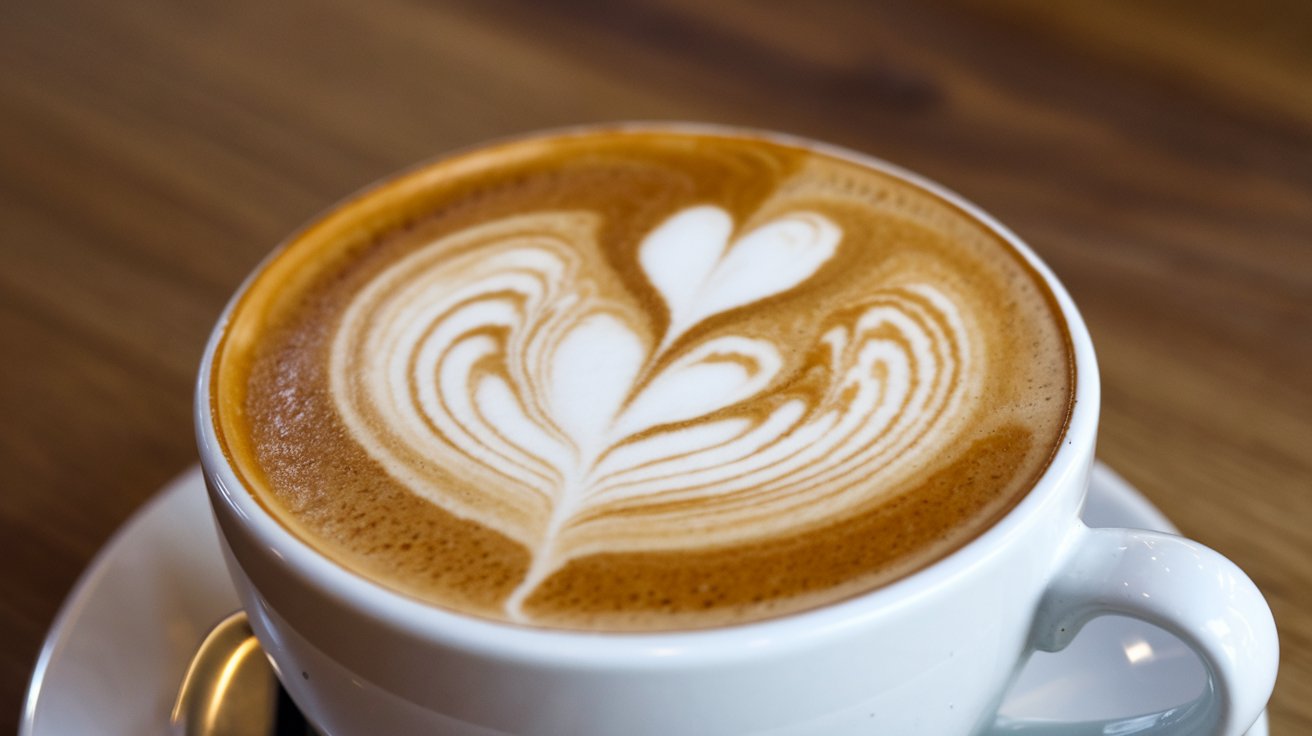
Once your espresso shot is complete, pour it into a prewarmed 10-12 ounce cup. Immediately after steaming, tap the milk pitcher firmly on the counter to break large bubbles, then swirl it gently to integrate the microfoam throughout the liquid. Hold the pitcher at a slight angle and begin pouring from about 2-3 inches above the cup, directing the stream into the center of the espresso. As the cup fills to about two-thirds, lower the pitcher closer to the surface and slow your pour. This technique allows you to create latte art patterns if desired. The entire process from grinding to serving should take no more than three minutes for optimal flavor.
For consistent results, maintain your espresso machine by backflushing weekly and descaling every two to three months depending on water hardness in your area. In 2026, water quality has become recognized as crucial for espresso extraction, with many American home baristas now using filtered or remineralized water to achieve optimal results. Clean the steam wand after every use by purging it and wiping with a damp cloth. This prevents milk buildup that can harbor bacteria and affect your latte quality. With practice, you can achieve café-quality lattes that cost approximately 75 cents per serving compared to six dollars at coffee shops.
Choosing the Right Espresso Machine for Home Lattes
Selecting an appropriate espresso machine for home use depends on your budget, counter space, and desired convenience level. Entry-level machines like the De’Longhi EC155 or Mr. Coffee espresso maker range from 100 to 200 dollars and provide basic functionality with manual steam wands. Mid-range options like the Breville Bambino Plus or Gaggia Classic Pro cost between 300 and 500 dollars and offer improved temperature stability, faster heat-up times, and automatic milk frothing. These machines represent the sweet spot for most American home baristas who want consistent latte quality without professional-level investment.
Premium home espresso machines from brands like Breville, Rancilio, and Profitec range from 700 to 2,000 dollars and feature PID temperature control, programmable shot volumes, and commercial-grade components. In 2026, super-automatic espresso machines have gained popularity in the United States, handling everything from grinding to milk frothing at the touch of a button. However, these machines cost between 1,000 and 3,000 dollars and sacrifice some control over the brewing process. Consider your skill level and willingness to learn manual techniques when choosing your equipment. Even budget machines can produce excellent lattes with proper technique and fresh ingredients.
How to Make a Latte at Home Without a Machine
You can definitely make a delicious latte at home without an espresso machine using alternative brewing methods and creative milk frothing techniques. The key is producing strong, concentrated coffee that can stand up to milk, then creating foamy milk texture without steam power. A Moka pot is the closest machine-free alternative to espresso, using steam pressure to brew intensely concentrated coffee. Fill the bottom chamber with water just below the valve, add finely ground coffee to the filter basket without tamping, and heat on medium until coffee begins flowing into the upper chamber. This produces approximately 2-4 ounces of strong coffee that works perfectly as an espresso substitute.
Other effective brewing methods include the AeroPress, which can create espresso-style coffee using inverted method with fine grounds and a short steep time. French press also works when you use a 1:4 coffee-to-water ratio instead of the standard 1:15 ratio, steeping for four minutes before plunging. For truly equipment-free brewing, instant espresso powder mixed with hot water can serve as a last resort, though flavor quality will be noticeably lower. In 2026, Moka pots remain the most popular machine-free latte method among American home brewers, with quality Italian models available for under 40 dollars. Regardless of your brewing method, use 2-3 tablespoons of coffee grounds to produce enough concentrated coffee for one latte.
Frothing Milk Without a Steam Wand
Creating frothed milk at home without an espresso machine requires alternative tools but can still produce impressive results. The most effective method uses a handheld milk frother, an inexpensive battery-powered device that costs 10 to 20 dollars and creates microfoam in 30-60 seconds. Heat your milk on the stovetop or in the microwave to 150-155°F, then insert the frother just below the surface and blend for 30 seconds until volume doubles and texture becomes creamy. French press frothing works excellently by heating milk, pouring it into the press, and pumping the plunger vigorously for 30-45 seconds to incorporate air.
The jar method is completely free and surprisingly effective for making lattes without a machine. Heat milk to steaming but not boiling, pour into a mason jar filling it halfway, seal the lid tightly, and shake vigorously for 30-60 seconds until foam forms. Remove the lid and microwave for an additional 30 seconds to stabilize the foam. A whisk can also froth milk when heated in a saucepan, though it requires more effort and creates less consistent results. In 2026, manual milk frothers have improved significantly with options featuring multiple whisking heads and rechargeable batteries. Whole milk froths most easily, but barista-blend oat milk has become widely available in American grocery stores and performs nearly as well as dairy milk for home frothing.
Complete No-Machine Latte Recipe
To make a complete latte without a machine, start by brewing 2-4 ounces of concentrated coffee using your chosen method while simultaneously heating 8-10 ounces of milk. For a 12-ounce latte, the ideal ratio is 2 ounces of concentrated coffee to 10 ounces of milk. If using a Moka pot, begin brewing first since it takes 5-7 minutes on medium heat. While coffee brews, heat milk in a small saucepan over medium heat or in the microwave in 30-second intervals, stirring between each heating. Watch carefully to prevent scorching and remove from heat when small bubbles form around the edges, indicating a temperature of approximately 150-155°F.
Immediately froth the heated milk using your preferred method until it doubles in volume and develops a creamy consistency. Pour your concentrated coffee into a preheated 12-ounce mug, then slowly pour the frothed milk over the coffee from about 3 inches high, allowing foam to settle on top naturally. The total process takes about 10 minutes but produces a homemade latte that costs less than one dollar per serving. For flavored varieties, add vanilla extract, caramel syrup, or cocoa powder to the coffee before adding milk. This method works perfectly for daily latte consumption without the investment in expensive equipment.
How to Make an Iced Latte at Home
Making an iced latte at home follows similar principles to hot lattes but requires adjustments to prevent dilution and maintain flavor intensity. The key difference is using cold milk and ice, which means you need slightly stronger coffee to compensate for the dilution that occurs as ice melts. Brew a double shot of espresso or 3-4 ounces of concentrated coffee using your preferred method. If you have time, brew your coffee ahead and chill it in the refrigerator for 15-30 minutes, though this step is optional if you use plenty of ice.
Fill a 16-ounce glass with ice cubes, leaving about an inch at the top. Pour your espresso or concentrated coffee directly over the ice, which immediately begins cooling the coffee and creating the foundation of your iced latte. For the milk component, you can use cold milk directly from the refrigerator without heating or frothing, or create cold foam for a more luxurious texture. To make cold foam, froth cold milk using a handheld frother, French press, or jar method without heating first. The foam will be less stable than hot foam but adds pleasant texture. Pour 10-12 ounces of cold milk over the coffee and ice, then spoon cold foam on top if desired.
Best Practices for Iced Lattes
For the best iced latte experience, consider making coffee ice cubes by freezing leftover coffee in ice trays. These prevent dilution as they melt, maintaining consistent flavor throughout your drink. This technique has become standard practice among American home baristas in 2026. Whole milk remains popular for iced lattes, but oat milk has surged in popularity for cold coffee drinks due to its naturally sweet flavor and creamy consistency when cold. Other excellent options include almond milk, which adds nutty notes, or coconut milk for tropical flavor.
Flavoring options expand considerably for iced lattes, as cold temperatures allow certain flavors to shine. Vanilla syrup, caramel sauce, and chocolate syrup dissolve easily in cold coffee, while seasonal options like pumpkin spice or peppermint can be mixed directly into the espresso before adding ice. For a trendy brown sugar variation popular in 2026, dissolve 1-2 teaspoons of brown sugar in the hot espresso before pouring over ice. Add a pinch of cinnamon for extra depth. The beauty of homemade iced lattes is complete customization of sweetness, milk type, and flavoring to match your exact preferences while spending approximately 1.50 dollars per drink instead of six dollars at coffee shops.
Understanding Coffee to Milk Ratios
The ratio of milk to coffee in a latte fundamentally defines the drink and separates it from other espresso beverages. Traditional Italian lattes use a 1:3 ratio, meaning one part espresso to three parts milk, creating a strong coffee flavor balanced by creamy milk. American-style lattes typically use a 1:4 or 1:5 ratio, resulting in milder, milkier drinks that appeal to the broader United States market. For a standard 12-ounce latte, you would use 2 ounces of espresso and 10 ounces of steamed milk, representing approximately a 1:5 ratio.
Understanding these ratios allows you to customize your latte strength to personal preference. If you prefer stronger coffee flavor, increase your espresso to a triple shot while keeping milk constant, creating roughly a 1:3 ratio. For lighter lattes, reduce to a single shot with standard milk quantity for approximately a 1:8 ratio. The foam layer traditionally accounts for about a quarter-inch on top and is included in the total milk measurement. In 2026, many American home baristas have adopted the practice of weighing ingredients using a kitchen scale, with typical measurements of 40 grams espresso to 200 grams milk for consistent results.
Adjusting Ratios for Different Latte Sizes
Scaling your latte ratios for different cup sizes maintains consistent flavor while accommodating various serving preferences. For an 8-ounce small latte, use a single shot of espresso and approximately 6-7 ounces of milk. A standard 12-ounce latte uses a double shot with 10 ounces of milk. Large 16-ounce lattes work best with a triple shot and 13 ounces of milk to prevent the coffee flavor from becoming too diluted. Extra-large 20-ounce lattes should include a quad shot with 16 ounces of milk.
These proportions assume standard espresso shots of approximately 1 ounce each using 18-20 grams of coffee. If you are using concentrated coffee from a Moka pot or AeroPress instead of true espresso, adjust by using slightly less coffee concentrate since these methods can produce even more concentrated brews. For example, a 12-ounce latte might only need 1.5 ounces of Moka pot coffee with 10.5 ounces of milk. The goal is achieving balanced flavor where neither coffee nor milk overwhelms the other. Track your preferences by noting the exact measurements that produce your ideal latte, then replicate those ratios consistently for perfect results every time you make a latte at home.
Can You Use Regular Coffee to Make a Latte
Yes, you can absolutely use regular coffee to make a latte, though the result will technically be a café au lait rather than a traditional espresso-based latte. The key is brewing stronger coffee than normal to prevent the milk from overwhelming the coffee flavor. Use a brewing ratio of approximately 1:8 coffee to water instead of the standard 1:15 ratio used for regular drip coffee. For example, use 25 grams of ground coffee with 200 grams of water to produce a concentrated brew suitable for mixing with milk.
French press and pour-over methods work particularly well for making latte-style drinks with regular coffee. When using a French press, employ a fine-medium grind and steep for 5-6 minutes instead of the standard 4 minutes to extract more flavor. Drip coffee makers can also work if you use the minimum water amount your machine allows with a full filter of grounds, essentially overloading the machine to create stronger coffee. In 2026, many American households have adopted this approach for everyday lattes, reserving true espresso methods for weekend or special occasions.
Making Lattes with Instant Coffee
Creating a latte with instant coffee is the quickest and most convenient method, though flavor quality does not match fresh-brewed options. Instant espresso powder works better than regular instant coffee for lattes since it provides more concentrated flavor. Dissolve 1-2 teaspoons of instant espresso powder in 2 ounces of hot water, stirring vigorously to ensure complete dissolution. This creates an espresso-style base that mixes well with milk.
Premium instant coffee brands like Mount Hagen, Starbucks VIA, or Café Bustelo instant espresso deliver better results than generic options. Add your sweetener to the instant coffee mixture before adding milk, as this helps everything dissolve completely. Then add 8-10 ounces of heated, frothed milk using any of the frothing methods discussed earlier. While not as complex or flavorful as espresso-based lattes, instant coffee lattes provide acceptable results when you need coffee quickly or lack brewing equipment. This method costs approximately 50 cents per serving and takes less than three minutes from start to finish, making it perfect for busy mornings when time is limited.
Expert Tips for Making Lattes at Home Like Starbucks
Replicating the Starbucks latte experience at home requires understanding the techniques and ingredients commercial coffee shops use. First, Starbucks and similar chains use 2% milk as their standard rather than whole milk, which creates slightly less rich but still creamy lattes. They also steam milk to a precise 155-165°F, slightly hotter than home barista recommendations, which helps the drink maintain warmth longer. Their espresso machines maintain exact 9-bar pressure and 200°F brewing temperature, producing consistent extraction every time.
To match this quality, invest in quality coffee beans specifically roasted for espresso, preferably medium-dark roasts with low acidity. Starbucks uses their signature espresso roast, but you can purchase similar profiles from local roasters or national brands. Store beans in an airtight container away from light and heat, grinding only immediately before brewing. Use filtered water if your tap water has chlorine or mineral tastes, as water quality significantly impacts espresso flavor. Preheat your cups by filling them with hot water while brewing espresso, then discarding the water before adding your latte. This simple step keeps drinks hot longer and improves the overall experience.
Flavoring Your Lattes Like Coffee Shops
Coffee shops use flavored syrups to create their popular latte variations, and you can stock the same products at home. Torani, Monin, and DaVinci brands offer dozens of flavors available online or in grocery stores, with popular options including vanilla, caramel, hazelnut, and seasonal varieties like pumpkin spice. The standard amount is 1-2 pumps or approximately 1-2 tablespoons of syrup per 12-ounce latte, added to the espresso before pouring milk. Sugar-free versions are available for those monitoring sugar intake.
Beyond syrups, you can create homemade latte flavors using extracts, spices, and natural ingredients. Real vanilla extract adds depth at a fraction of syrup cost, using just 1/4 teaspoon per latte. Cocoa powder mixed with a small amount of hot water creates a mocha base. Cinnamon, nutmeg, or cardamom added to coffee grounds before brewing infuses subtle spice notes throughout the drink. In 2026, lavender and rose water have become trendy latte flavorings in the United States, using just 2-3 drops per drink. Honey or maple syrup offer natural sweetness with complex flavor that regular sugar lacks. Experiment with combinations like vanilla-cinnamon or caramel-sea salt to create signature drinks that rival coffee shop offerings.
Perfecting Your Milk Frothing Technique
Achieving professional-quality milk foam requires technique refinement regardless of your equipment. The goal is creating microfoam—tiny, uniform bubbles that create velvety texture rather than large, soapy bubbles. Start with fresh, cold milk directly from the refrigerator, as warmer milk has less time to incorporate air before reaching the target temperature. Fill your frothing pitcher only one-third full to allow room for volume expansion during frothing.
When using a steam wand, position the tip just below the milk surface at a slight angle to create a whirlpool effect. Keep the wand near the surface for only 3-5 seconds while incorporating air, then lower it deeper to continue heating while circulating the foam throughout the milk. Listen for a gentle hissing sound rather than loud screeching, which indicates the wand is positioned correctly. Stop steaming when the pitcher becomes too hot to touch comfortably, typically 150-155°F. After frothing, tap the pitcher firmly on the counter several times to pop large bubbles, then swirl the milk in a circular motion to integrate the foam completely. Properly textured steamed milk should have a glossy, paint-like consistency that allows for latte art and creates a sweet, creamy taste that enhances any latte.
Common Latte Making Mistakes to Avoid
Even experienced home baristas make common latte mistakes that compromise drink quality. The most frequent error is using stale coffee beans, which lose flavor rapidly after roasting. Coffee reaches peak flavor 3-14 days post-roast and declines significantly after 30 days. Purchase beans in small quantities and note the roast date on the bag, avoiding pre-ground coffee whenever possible since it goes stale within hours of grinding. Store beans properly in an airtight container in a cool, dark location—never in the freezer or refrigerator where condensation damages beans.
Another critical mistake is incorrect milk temperature. Overheating milk above 165°F denatures proteins and creates a scalded, unpleasant taste while destroying the sweet flavor milk naturally develops when heated properly. Use a thermometer until you can judge temperature by touch, aiming for 150-155°F consistently. Underheating milk below 140°F fails to develop sweetness and creates cool lattes that are unenjoyable. Poor water quality also sabotages espresso extraction—if your tap water tastes bad plain, it will taste bad in coffee. Use filtered or bottled water when necessary for best results.
Equipment and Technique Errors
Many home baristas struggle with improper espresso extraction, producing shots that are too bitter or too weak. Bitter, over-extracted espresso results from grinding too fine, using too much coffee, or brewing too long, while weak, under-extracted espresso comes from grinding too coarse, using too little coffee, or brewing too quickly. A proper double shot should extract in 25-30 seconds and yield 1.5-2 ounces of liquid. Adjust your grinder incrementally until you achieve this timing, making small changes since grind size dramatically impacts extraction.
Dirty equipment is another common issue that affects latte taste and machine longevity. Espresso machines need regular backflushing, descaling, and group head cleaning to prevent coffee oil buildup and scale accumulation. Steam wands must be purged and wiped after every use to prevent milk residue from blocking steam holes. Clean your grinder monthly to remove old coffee oils that turn rancid and taint fresh beans. For milk frothing pitchers and handheld frothers, wash immediately after use with hot soapy water to prevent milk protein buildup. In 2026, machine maintenance has become easier with widely available cleaning products specifically designed for home espresso equipment, including backflush detergent, descaling solution, and group head brushes.
Related video about how to make a latte at home
This video complements the article information with a practical visual demonstration.
Your questions answered
Can I use regular coffee to make a latte?
Yes, you can use regular coffee to make a latte-style drink, though it will technically be a café au lait rather than a traditional espresso latte. The key is brewing stronger coffee than usual by using a 1:8 coffee-to-water ratio instead of the standard 1:15 ratio. French press, pour-over, or concentrated drip coffee work well. Use approximately 2-3 ounces of strong coffee with 8-10 ounces of steamed milk for a 12-ounce drink. While the flavor profile differs from espresso-based lattes, this method produces an enjoyable and cost-effective coffee drink perfect for daily consumption at home.
How to make a latte at home without a machine?
Making a latte without a machine requires two components: strong coffee and frothed milk. Brew concentrated coffee using a Moka pot, French press, or AeroPress. For milk frothing, use a handheld milk frother, French press method, or jar shaking technique. Heat 8-10 ounces of milk to 150-155°F, then froth using your chosen method until volume doubles. Pour 2 ounces of concentrated coffee into a mug, then add the frothed milk. The entire process takes about 10 minutes and costs less than one dollar per serving, making it an excellent alternative to expensive espresso machines.
What is the ratio of milk to coffee in a latte?
The traditional latte ratio is 1:3 to 1:5, meaning one part espresso to three to five parts milk. For a standard 12-ounce latte, use 2 ounces of espresso with 10 ounces of steamed milk, creating approximately a 1:5 ratio. This produces the signature creamy, smooth texture that defines lattes. You can adjust this ratio based on personal preference—use more espresso for stronger coffee flavor or more milk for a milder drink. The foam layer typically accounts for a quarter-inch on top and is included in the total milk measurement.
Is a latte just a shot of espresso and milk?
Yes, a latte is fundamentally espresso and steamed milk, but the proportions and technique matter significantly. A traditional latte contains one or two shots of espresso combined with steamed milk and topped with a thin layer of microfoam. The milk must be properly steamed to create the signature velvety texture rather than just heated. The ratio is approximately 1:3 to 1:5 espresso to milk, creating a smooth, creamy drink where the espresso flavor balances with the natural sweetness of steamed milk. This differs from simply adding milk to coffee, as proper steaming develops flavors and creates the distinctive latte texture.
How much does it cost to make a latte at home?
Making a latte at home costs approximately 75 cents to 1.50 dollars per serving depending on your ingredients. Using quality coffee beans at 15 dollars per pound yields about 30 espresso shots, costing 50 cents per double shot. Milk adds another 25 cents per 10-ounce serving. Compare this to coffee shop lattes averaging 5-7 dollars in the United States as of 2026, and you save 4-6 dollars per drink. For someone consuming one latte daily, making lattes at home saves approximately 1,500 to 2,000 dollars annually. Even after equipment investment, most home baristas recover costs within 3-6 months.
What is the best milk for making lattes at home?
Whole milk is the best option for lattes due to its 3.25-3.5% fat content and protein structure, which creates the creamiest microfoam and most stable texture. However, in 2026, barista-blend oat milk has become the top dairy alternative for home lattes in the United States, as it froths nearly as well as dairy milk and provides naturally sweet flavor. Other good options include 2% milk for lighter lattes, or alternative milks like almond, soy, or coconut depending on dietary preferences. Always use fresh, cold milk and steam to 150-155°F for optimal flavor and texture regardless of your choice.
| Method | Equipment Needed | Cost Per Latte | Best For |
|---|---|---|---|
| Espresso Machine | Espresso machine with steam wand, grinder | $0.75-$1.00 | Authentic café-quality lattes with minimal effort |
| Moka Pot Method | Moka pot, milk frother or French press | $0.60-$0.85 | Budget-conscious home baristas wanting strong coffee flavor |
| AeroPress Method | AeroPress, handheld frother | $0.70-$0.90 | Travelers and small kitchens needing portable equipment |
| Strong Coffee Method | Any coffee maker, milk frother | $0.50-$0.75 | Daily drinkers wanting quick, easy café au lait style drinks |
| Instant Coffee Method | Instant espresso powder, any milk heating method | $0.40-$0.60 | Maximum convenience when time is extremely limited |