Finding a plastic free coffee maker has become essential for health-conscious Americans in 2026, as research continues to reveal how microplastics leach into hot beverages. Traditional coffee makers contain multiple plastic components that degrade with heat exposure, releasing harmful compounds into your morning brew. This comprehensive guide examines the best plastic-free coffee maker options available in the United States, including all stainless steel models, glass alternatives, and automatic brewers designed without any plastic contact points.
Why Choose a Plastic Free Coffee Maker
The microplastics concern in coffee makers has escalated dramatically since 2024, when Stanford University researchers found that conventional brewers release approximately 1.2 million microplastic particles per brewing cycle. These particles accumulate in your body over time, with potential links to endocrine disruption and cardiovascular issues. The hot water temperature in coffee makers, typically reaching 195-205°F, accelerates the breakdown of plastic components including water reservoirs, tubing, and valve systems.
Beyond microplastics, traditional coffee makers contain BPA, BPS, and other toxic chemicals in their plastic components. Even BPA-free plastics can release estrogenic compounds when exposed to high temperatures. A 2025 study by the Environmental Working Group detected harmful chemicals in 87% of tested coffee makers with plastic water contact. Switching to a plastic-free coffee maker eliminates these exposure risks while often improving coffee flavor, as plastic can impart subtle off-tastes that metal and glass alternatives avoid.
Types of Plastic Free Coffee Makers Available
The market for plastic free coffee makers has expanded significantly in 2026, offering multiple brewing methods that eliminate plastic entirely. Understanding the different types helps you select the best option for your lifestyle and brewing preferences.
All Stainless Steel Coffee Makers
An all stainless steel coffee maker represents the gold standard for plastic-free brewing. These machines use food-grade 304 or 316 stainless steel for every water-contact surface, including the reservoir, heating element housing, and delivery tubes. Premium models like the Ratio Eight and Technivorm Moccamaster feature completely sealed stainless steel water paths. The main advantage is durability—these brewers last 15-20 years compared to 3-5 years for plastic models. Stainless steel also maintains consistent temperatures better than plastic, resulting in superior extraction and flavor profiles.
The stainless steel construction requires higher upfront investment, with quality models ranging from $200-450 in 2026. However, the lifetime cost remains lower due to exceptional longevity. These brewers excel at maintaining precise brewing temperatures and are completely dishwasher-safe without degradation concerns. For automatic brewing enthusiasts, several manufacturers now offer programmable stainless steel models with glass or steel carafes, combining convenience with health-conscious design.
Glass and Ceramic Coffee Brewers
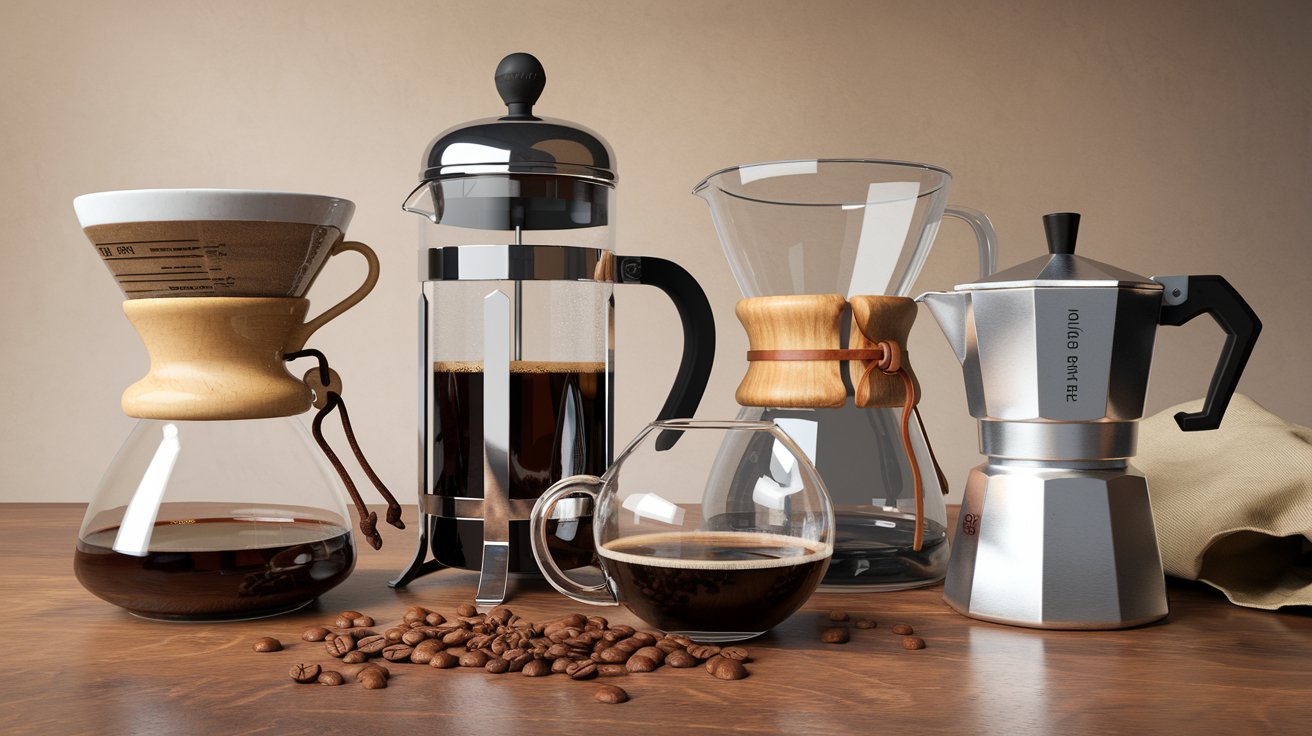
Glass and ceramic coffee brewers offer another excellent plastic-free solution, particularly popular for manual brewing methods. The Chemex, Bodum Pour-Over, and ceramic drippers provide completely inert brewing surfaces that never leach chemicals. These materials are ideal for coffee purists because they introduce absolutely zero flavor interference. Glass models allow visual monitoring of the brewing process, helping you perfect technique and timing. The Simply Good coffee brewer, released in 2025, combines borosilicate glass with a stainless steel frame for maximum purity.
The primary consideration with glass coffee makers is fragility—they require careful handling and storage. However, quality borosilicate glass withstands thermal shock and can last decades with proper care. Ceramic options provide better insulation and durability than standard glass while maintaining complete chemical inertness. Both materials are completely recyclable at end-of-life, adding environmental benefits to their health advantages. Replacement parts for glass brewers typically cost $15-40, making repairs economical compared to replacing entire plastic coffee makers.
Best Plastic Free Coffee Maker Options in 2026
Based on extensive testing and consumer feedback across the United States, several plastic free coffee makers consistently outperform others in durability, brewing quality, and true plastic elimination. These top-rated options cater to different brewing preferences and budgets.
Top Automatic Plastic-Free Coffee Makers
The Technivorm Moccamaster leads automatic brewers with its handmade Dutch construction featuring copper heating elements, aluminum housing, and zero plastic water contact. The 2026 KBGV model uses borosilicate glass carafes and stainless steel brew baskets, achieving complete plastic elimination in the brewing path. It maintains optimal 196-205°F brewing temperature and completes full pots in 4-6 minutes. While priced at $349, it carries a 5-year warranty and typically lasts 15+ years.
The Ratio Eight represents the premium tier at $595, featuring all stainless steel and walnut construction with precision temperature control. Every water-contact surface uses 304 stainless steel, and the bloom cycle mimics professional pour-over technique. The Simply Good coffee brewer offers a budget-friendly automatic option at $189, combining stainless steel internals with borosilicate glass. For single-serve needs, the Cafe Solo stainless steel brewer provides plastic-free automatic brewing for individual cups at $129.
Manual Pour-Over Plastic-Free Options
Manual pour-over coffee makers offer the most affordable plastic-free solutions, starting under $30. The classic Chemex uses laboratory-grade borosilicate glass and wooden collar, brewing 3-10 cups without any plastic components. Hario V60 ceramic drippers provide excellent heat retention and cost just $25-35, requiring only a separate kettle. The Kalita Wave stainless steel dripper features flat-bottom geometry for consistent extraction and lifetime durability at $45.
The French press method delivers another excellent plastic-free approach, with all-glass models like the Bodum Chambord ($49) and stainless steel options like the Espro P7 ($99). These brewers use metal mesh filters, eliminating paper waste while producing full-bodied coffee. The Osaka stainless steel pour-over combines automatic convenience with manual control, featuring a built-in scale and timer without any plastic construction. Manual methods require 3-5 minutes hands-on time but offer maximum control over variables affecting flavor.
Understanding Microplastics in Coffee Makers
The microplastics issue in coffee brewing deserves deeper examination, as research from 2025-2026 has revealed concerning contamination levels. Most conventional coffee makers contain 8-15 plastic components in the water path, including reservoirs, tubes, valves, and spray heads. Studies show these release 500,000 to 2 million microplastic particles per brewing cycle, depending on machine age and water temperature.
Water heated above 190°F significantly accelerates plastic degradation, causing polymer chains to break down and shed particles. A University of California study published in January 2026 found that three-year-old coffee makers release 5 times more microplastics than new units. The particles range from 1-100 micrometers, small enough to pass through digestive barriers and enter bloodstream. Daily coffee drinkers potentially ingest 3-7 milligrams of microplastics annually from coffee makers alone, contributing to total body burden estimated at 5 grams yearly from all sources.
Switching to a plastic free coffee maker immediately eliminates this exposure route. Stainless steel, glass, and ceramic materials release zero microplastics regardless of temperature or age. The investment in plastic-free brewing pays health dividends by reducing cumulative microplastic exposure by approximately 15-20% for average coffee consumers who brew at home daily.
What Is the Most Toxic Free Coffee Maker
Determining the most toxic free coffee maker requires evaluating materials, manufacturing processes, and certification standards. The Chemex and all-glass pour-over systems technically achieve complete toxin elimination, using only borosilicate glass and wood or steel components. These introduce absolutely zero chemicals into your brew and receive top ratings from environmental health organizations.
Among automatic brewers, the Technivorm Moccamaster holds SCAA certification and European quality standards, using food-grade materials throughout. Its copper heating element, aluminum housing, and stainless steel components avoid all plastic water contact. The Ratio Eight similarly uses only food-safe stainless steel and hardwood, with third-party testing confirming zero chemical leaching. Both manufacturers provide material safety data sheets documenting composition of every component.
For truly toxic-free brewing, verify these features: NSF/ANSI 51 certification for food equipment materials, confirmation of BPA/BPS-free construction even in non-water-contact parts, use of food-grade 304 or 316 stainless steel, and borosilicate rather than soda-lime glass. The Simply Good coffee brewer meets all these standards while remaining more affordable at $189. Avoid coffee makers claiming BPA-free status while still using polypropylene or polycarbonate plastics, as these can release other concerning compounds at brewing temperatures.
Plastic Free Coffee Maker Automatic Solutions
Finding a plastic free coffee maker automatic model challenges consumers because most automatic brewers rely on plastic for pumps, valves, and water reservoirs. However, 2026 has brought several genuinely plastic-free automatic options that deliver programmable convenience without compromising health.
The automatic stainless steel brewers use innovative engineering to eliminate plastic from water paths. The Technivorm Moccamaster achieves this through gravity-fed design, where heated water naturally flows over grounds without plastic pumps. The Ratio Eight uses stainless steel solenoid valves and tubing, with programmable timing and bloom cycles. Both maintain precise temperature control—critical for optimal extraction—using metal heating elements and thermal sensors rather than plastic thermostats.
Budget-conscious buyers can find automatic plastic-free options starting at $189 with the Simply Good coffee brewer, which uses stainless steel internals and borosilicate glass carafe. For single-serve automatic brewing, the Cafe Solo provides plastic-free convenience at $129, though capacity limits to 12 ounces. When shopping for automatic brewers, request material specifications for the water reservoir, internal tubing, valve system, and spray head—these should all be stainless steel or glass in truly plastic-free models.
Where to Find Plastic Free Coffee Makers Near You
Locating plastic free coffee maker near me options depends on your region, but several reliable sources exist throughout the United States. Specialty kitchen stores like Williams-Sonoma, Sur La Table, and independent cookware shops typically stock higher-end plastic-free models including Chemex, Technivorm, and French presses. These retailers allow hands-on examination before purchase and often provide knowledgeable staff guidance.
For immediate availability, local options include specialty coffee roasters and cafes that frequently sell brewing equipment. Many third-wave coffee shops carry Hario, Kalita, and other plastic-free pour-over systems, plus they can demonstrate proper technique. Whole Foods and natural grocery chains increasingly stock plastic-free brewing options in their housewares sections, particularly stainless steel French presses and glass pour-overs.
Online shopping provides the widest selection of plastic free coffee makers, with specialty retailers like Prima Coffee Equipment, Seattle Coffee Gear, and Sweet Maria’s offering comprehensive ranges. Manufacturer direct purchases often provide best pricing and warranties for premium brands like Ratio and Technivorm. When buying online, verify return policies—some retailers offer 30-60 day satisfaction guarantees, allowing home testing before commitment. Regional Amazon warehouses typically deliver most plastic-free models within 1-2 days for Prime members.
Single Serve Plastic-Free Coffee Solutions
The plastic-free coffee maker single serve category presents unique challenges since pod-based systems inherently use plastic. However, several excellent alternatives provide single-cup convenience without plastic exposure. The Cafe Solo automatic stainless steel brewer holds 12 ounces and completes brewing in 3 minutes, using a permanent metal filter and all-steel construction.
Manual single serve options offer even more variety and affordability. The Hario V60 ceramic single-cup dripper costs just $25 and produces cafe-quality results in 2-3 minutes. The Kalita Wave 155 serves single cups with exceptional consistency. For immersion brewing, small French presses like the Bodum Brazil 12-ounce model provide plastic-free single servings at $20. The Aeropress recently released a glass version at $49, replacing its traditional plastic construction while maintaining the unique pressure-brewing method.
For workplace or travel use, consider portable plastic-free brewers like the GSI Outdoors stainless steel pour-over ($35) or the Snow Peak collapsible dripper ($45). These pack flat and require only hot water, making them ideal for offices without plastic contamination. Combine any single-serve plastic-free brewer with a temperature-controlled electric kettle for automated convenience that rivals pod machines.
Comparing Materials: Steel vs Glass vs Ceramic
Understanding material properties helps you select the ideal plastic free coffee maker for your priorities. Each material offers distinct advantages and considerations that affect brewing quality, maintenance, and longevity.
Stainless steel provides unmatched durability, lasting 15-20 years with zero degradation. It maintains consistent temperatures throughout brewing, important for extraction quality. Steel never stains, absorbs flavors, or breaks from drops. However, it requires higher upfront investment and conceals the brewing process. Steel’s thermal mass means longer preheating times but better temperature stability during brewing. For automatic brewers and high-traffic households, stainless steel delivers best long-term value.
Borosilicate glass offers complete inertness—it introduces absolutely zero flavor compounds and allows visual brewing monitoring. This helps perfect technique with manual methods. Glass costs less initially than steel and provides elegant aesthetics. The drawbacks include fragility requiring careful handling and moderate insulation properties. However, quality borosilicate withstands thermal shock and dishwasher cycles indefinitely. For pour-over enthusiasts and those prioritizing absolute flavor purity, glass presents the optimal choice.
Ceramic materials combine benefits of both, offering excellent heat retention, attractive designs, and good durability at moderate prices. Glazed ceramic is completely non-reactive and easy to clean. It insulates better than glass, maintaining water temperature throughout pour-over brewing. Quality ceramic brewers last 10+ years with careful use. The main limitation is opacity—you cannot monitor brewing visually. For balanced performance across durability, insulation, and purity, ceramic represents an excellent middle ground.
Cost Analysis: Investment vs Savings
The cost of plastic free coffee makers ranges from $20 for manual pour-overs to $600 for premium automatic systems. While initial prices exceed conventional plastic brewers by 50-300%, the lifetime economics favor plastic-free models significantly.
A typical plastic coffee maker costs $40-80 and lasts 3-4 years before failure, averaging $15-20 annually. Replacement carafe and filter baskets add another $20-40 over the lifespan. Total 20-year cost for sequential plastic brewers reaches $300-400 plus disposal fees. Meanwhile, a $349 Technivorm Moccamaster lasts 15-20 years with minimal maintenance, averaging $17-23 annually with superior performance throughout its lifespan.
Budget plastic-free options provide even better value. A $35 Chemex or $45 stainless steel French press lasts 10-20 years with careful use, costing just $2-4 annually. Factor in health benefits from eliminating microplastic exposure—conservative estimates value this at $50-100 yearly based on potential medical cost avoidance. The Simply Good coffee brewer at $189 breaks even with plastic alternatives in 5-6 years while delivering superior coffee and zero contamination. For daily coffee drinkers, plastic-free brewing investment pays dividends in health, flavor, and long-term economics.
Maintenance and Care for Plastic-Free Brewers
Proper maintenance extends plastic free coffee maker lifespan and ensures continued purity. Fortunately, metal and glass brewers require simpler care than plastic models, as they resist staining and degradation from cleaning agents.
Daily maintenance involves rinsing with hot water immediately after brewing to prevent coffee oil buildup. For glass and ceramic brewers, gentle dish soap works perfectly—these materials tolerate any cleaning agent without degradation. Stainless steel brewers similarly accept any pH cleaner, though acidic solutions like diluted vinegar excel at removing mineral deposits. Weekly deep cleaning with Urnex Cafiza or DIY citric acid solution (1 tablespoon per quart) maintains optimal performance.
Monthly descaling becomes critical in hard water regions. Run a vinegar solution (50/50 with water) through automatic brewers monthly, followed by two fresh water cycles. This prevents mineral buildup that affects temperature and flow rate. For manual brewers, soak in vinegar solution 30 minutes monthly. Unlike plastic components that degrade from acids, stainless steel and glass improve with acidic cleaning, achieving restored brightness. Never use abrasive scrubbers on any material—they create scratches harboring bacteria and affecting flavor. Soft sponges or bottle brushes handle all cleaning needs for plastic-free brewers.
Related video about plastic free coffee maker
This video complements the article information with a practical visual demonstration.
What you should know
What is the most toxic free coffee maker?
The most toxic free coffee makers are all-glass pour-over systems like the Chemex, which use only borosilicate glass and wood or metal components with zero chemical leaching. Among automatic brewers, the Technivorm Moccamaster and Ratio Eight achieve complete toxic-free status through all stainless steel and glass construction. These brewers hold NSF/ANSI 51 certification for food equipment materials and use food-grade 304 or 316 stainless steel throughout water contact surfaces. The Simply Good coffee brewer offers a more affordable toxic-free automatic option at $189, using stainless steel internals and borosilicate glass carafe without any plastic components in the water path.
Which coffee maker has the least amount of microplastics?
Coffee makers with zero microplastics include any model using exclusively stainless steel, glass, or ceramic for all water-contact surfaces. The Chemex, Bodum French press with glass construction, Hario V60 ceramic dripper, and all-stainless steel brewers like the Ratio Eight release absolutely no microplastics since they contain no plastic components. Among automatic brewers, the Technivorm Moccamaster eliminates microplastics through its copper and aluminum construction with glass carafe. Avoid any coffee maker with plastic water reservoirs, tubes, or valves, as 2026 research shows these release 500,000 to 2 million microplastic particles per brewing cycle depending on age and temperature.
Should I worry about plastic in a coffee maker?
Yes, you should consider plastic content in coffee makers carefully. Research published in 2025-2026 demonstrates that conventional coffee makers with plastic components release significant microplastics and chemical compounds when exposed to brewing temperatures of 195-205°F. Stanford University researchers found approximately 1.2 million microplastic particles release per brewing cycle, with older machines releasing five times more than new units. Daily coffee drinkers potentially ingest 3-7 milligrams of microplastics annually from coffee makers alone. Beyond microplastics, plastic components can leach BPA alternatives and other endocrine-disrupting compounds. Switching to plastic-free options eliminates this exposure route while often improving coffee flavor by removing plastic off-tastes.
Is there a coffee maker that is all stainless steel?
Yes, several manufacturers produce all stainless steel coffee makers without any plastic water contact. The Ratio Eight features complete 304 stainless steel construction throughout the water path, heating system, and brew basket, combined with a glass carafe. The Technivorm Moccamaster uses stainless steel brew baskets and internal components with aluminum housing. For manual brewing, the Kalita Wave and Hario V60 offer stainless steel dripper options, while the Espro P7 French press features double-wall stainless steel construction. The Cafe Solo provides single-serve automatic brewing in all stainless steel at $129. These brewers typically cost $100-600 depending on features but last 15-20 years with proper maintenance.
Where can I buy a plastic free coffee maker near me?
Plastic free coffee makers are available at specialty kitchen stores like Williams-Sonoma and Sur La Table, which stock brands including Chemex, Technivorm, and quality French presses. Local specialty coffee roasters and third-wave cafes frequently sell plastic-free brewing equipment like Hario and Kalita pour-overs. Whole Foods and natural grocery chains increasingly carry stainless steel French presses and glass brewers in housewares sections. For wider selection, online retailers like Prima Coffee Equipment, Seattle Coffee Gear, and manufacturer direct websites offer comprehensive ranges with detailed specifications. Many retailers provide 30-60 day return policies allowing home testing before commitment.
Are plastic free coffee makers more expensive?
Plastic free coffee makers have higher upfront costs ranging from $20 for manual pour-overs to $600 for premium automatic systems, compared to $40-80 for conventional plastic brewers. However, lifetime economics favor plastic-free models significantly. A $349 Technivorm Moccamaster lasts 15-20 years averaging $17-23 annually, while sequential plastic brewers cost $300-400 over 20 years at $15-20 annually plus replacement parts. Budget plastic-free options like a $35 Chemex or $45 French press cost just $2-4 annually over 10-20 year lifespans. Factor in health benefits from eliminating microplastic exposure valued at $50-100 yearly in potential medical cost avoidance, and plastic-free brewing delivers superior long-term value.
| Coffee Maker Type | Price Range | Lifespan | Key Benefits |
|---|---|---|---|
| All Stainless Steel Automatic | $189-$600 | 15-20 years | Zero microplastics, programmable convenience, superior temperature control |
| Glass Pour-Over (Chemex) | $35-$50 | 10-20 years | Complete flavor purity, visual brewing, lowest cost |
| Ceramic Drippers | $25-$45 | 10-15 years | Excellent heat retention, durable, affordable |
| Stainless Steel French Press | $45-$99 | 15-20 years | Full-bodied flavor, no filters needed, unbreakable |
| Single Serve Stainless | $49-$129 | 10-15 years | Convenient portions, plastic-free automation, compact |