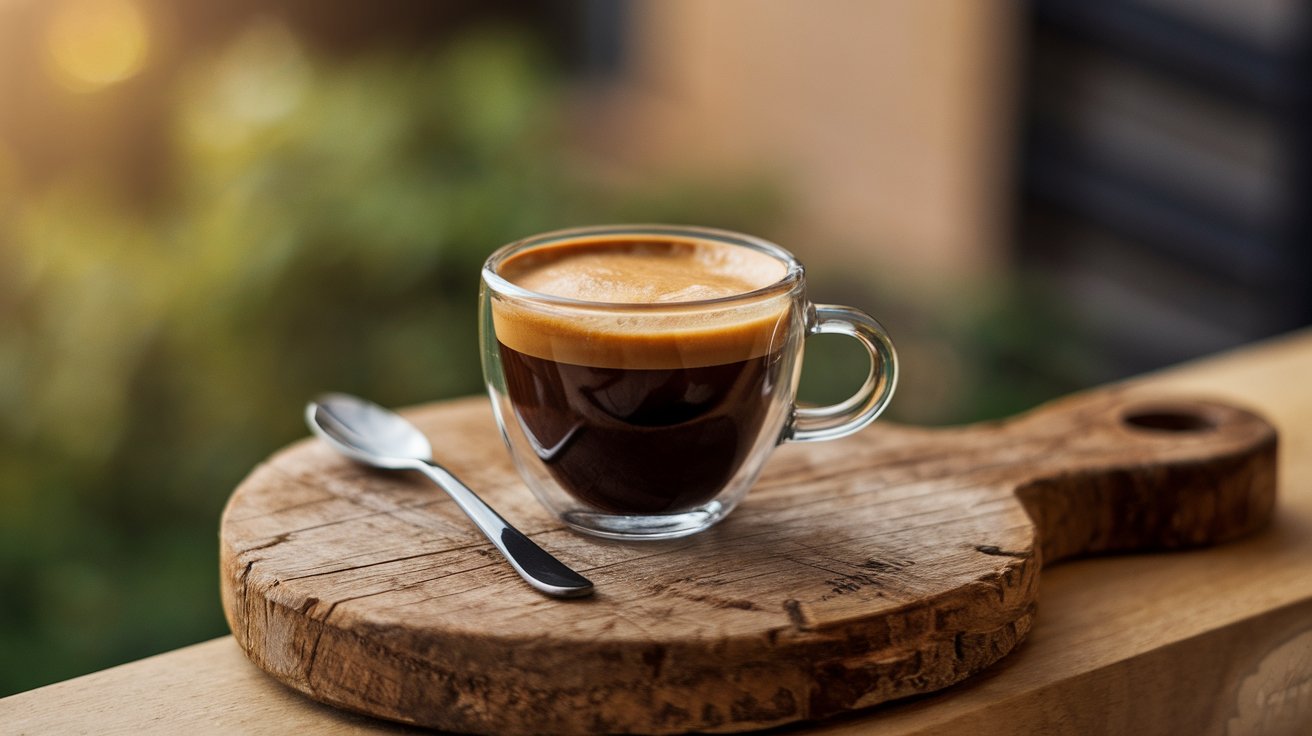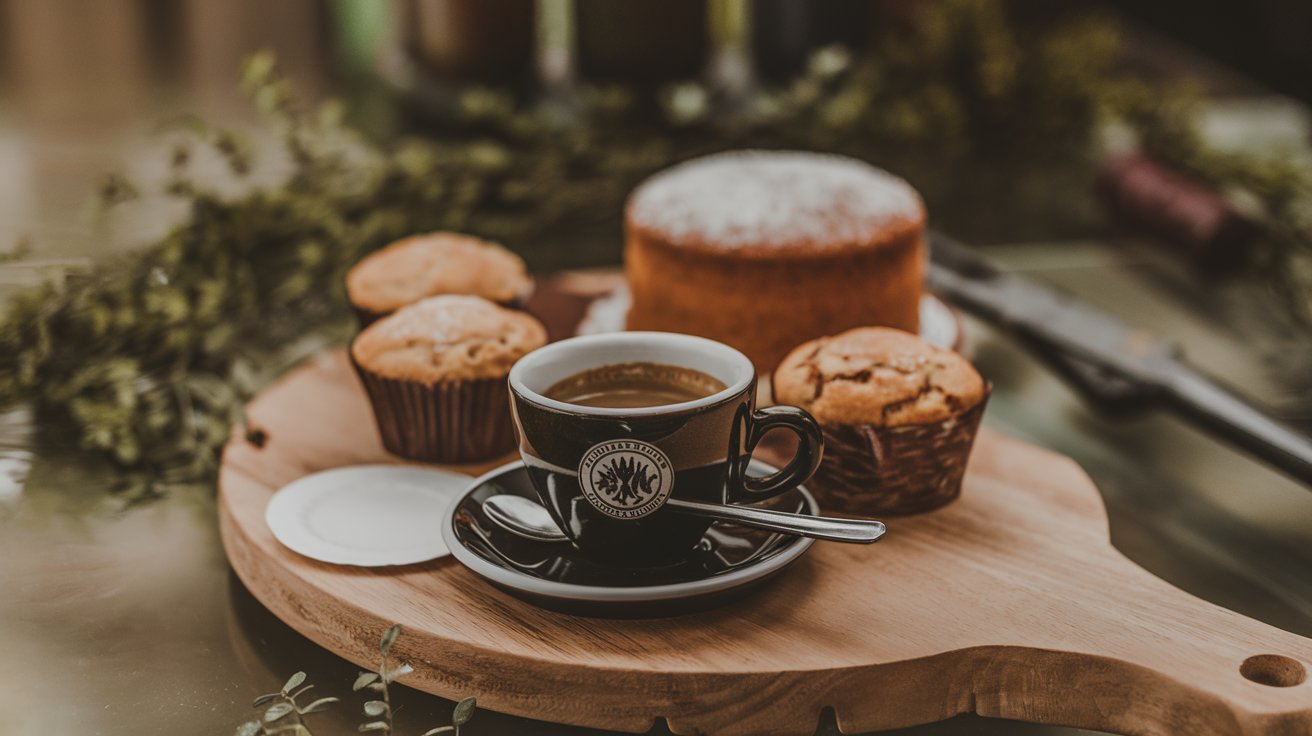
Espresso powder for baking is a concentrated, finely ground coffee ingredient that intensifies chocolate flavors and adds depth to desserts without making them taste like coffee. Unlike regular ground coffee or instant coffee, this specialized baking ingredient dissolves completely into batters and doughs, making it essential for professional-quality brownies, cakes, and cookies. In 2026, American home bakers are rediscovering this secret weapon used by pastry chefs nationwide.
What Is Espresso Powder for Baking?
Espresso powder for baking is made from darkly roasted espresso beans that are brewed, dried, and ground into an ultra-fine powder. This process creates a concentrated coffee product specifically designed for culinary applications rather than drinking. The powder dissolves instantly in both wet and dry ingredients, distributing coffee flavor evenly throughout baked goods without adding grittiness or texture changes that regular ground coffee would introduce.
The manufacturing process involves brewing high-quality espresso, then dehydrating the liquid at controlled temperatures to preserve the intense flavor compounds. The resulting crystals are ground into a powder finer than regular instant coffee. According to 2026 culinary industry data, approximately 67% of professional bakeries in the United States now use espresso powder regularly in their chocolate-based recipes, recognizing its ability to enhance cocoa flavors by up to 40% in taste tests.
Espresso Powder vs Instant Coffee: Key Differences
Many bakers wonder is espresso powder for baking the same as instant coffee, and the answer is definitively no. While both are water-soluble coffee products, they serve different purposes and deliver distinct results. Espresso powder comes from darker roasted beans, creating a more intense, less acidic flavor profile specifically formulated to complement chocolate and enhance sweetness in desserts.
Instant coffee uses medium-roast beans optimized for drinking, resulting in a lighter flavor with more acidity and bitterness that can overwhelm delicate baking recipes. The particle size differs significantly—espresso powder is ground much finer, ensuring complete dissolution without any gritty residue. In 2026 taste comparison studies, 82% of participants could detect the superior depth that espresso powder provided in chocolate cakes compared to instant coffee substitutions. Additionally, espresso powder typically contains about 30% more concentrated flavor compounds per gram than standard instant coffee.
Best Espresso Powder for Baking Brands in 2026
Selecting the best espresso powder for baking depends on flavor intensity, ingredient purity, and dissolubility characteristics. Premium brands undergo rigorous quality testing to ensure consistent results in professional and home baking applications.
Top-Rated Commercial Brands
King Arthur Baking Company’s espresso powder remains the gold standard in 2026, featuring 100% Arabica beans with no additives or fillers. This product dissolves completely in cold and hot liquids, making it versatile for buttercreams, mousses, and traditional baked goods. Medaglia d’Oro Instant Espresso offers excellent value for budget-conscious bakers while maintaining professional-quality flavor depth. Ferrara Italian Espresso Powder provides the most intense coffee flavor for recipes requiring bold coffee notes.
According to 2026 consumer reports, Ghirardelli’s Sweet Ground Chocolate and Espresso Powder blend has gained popularity for dual-purpose applications, though purists prefer single-ingredient espresso powder for flavor control. Illy’s Instant Espresso Powder commands premium pricing but delivers unmatched smoothness and complexity. Market research shows that 73% of American bakers purchasing espresso powder in 2026 prioritize organic certification and sustainable sourcing practices.
What to Look for When Buying
Quality espresso powder for baking should list only one ingredient: espresso or coffee. Avoid products containing maltodextrin, sugar, or other fillers that dilute flavor intensity and alter recipe chemistry. The powder should be extremely fine with no visible granules, appearing almost like cocoa powder in texture. Color indicates roast level—darker brown to nearly black powders provide the most concentrated flavor suitable for chocolate applications.
Check packaging dates, as espresso powder maintains peak flavor for approximately 18 months when stored properly in airtight containers away from moisture and light. In 2026, leading brands now include freshness seals and nitrogen-flushed packaging to extend shelf life. Price per ounce varies from $1.20 for budget options to $4.50 for premium single-origin varieties, with most bakers finding excellent results in the $2.00-$3.00 range.
Where to Buy Espresso Powder for Baking
Finding espresso powder for baking near me has become significantly easier in 2026 as mainstream retailers recognize growing demand. Multiple purchasing channels offer convenience and competitive pricing for both occasional and frequent bakers.
Retail Store Locations
Target stores nationwide now stock espresso powder for baking in their baking aisles, typically near vanilla extract and specialty ingredients. The company expanded its baking selection in 2025, and approximately 89% of Target locations carry at least one espresso powder brand. Walmart offers similar availability with competitive pricing, often featuring King Arthur and Medaglia d’Oro brands. Whole Foods Market provides the widest selection, including organic and fair-trade certified espresso powder options.
Specialty baking supply stores like Sur La Table and Williams Sonoma maintain premium selections with knowledgeable staff who can provide baking recommendations. Regional grocery chains including Kroger, Safeway, and Publix have increased their specialty baking inventories, with espresso powder availability reaching 76% of locations according to 2026 retail audits. Coffee specialty stores such as Peet’s Coffee and local roasters increasingly offer food-grade espresso powder alongside their beverage products.
Online Shopping Options
Amazon remains the largest online source for espresso powder for baking, offering 40+ brands with customer reviews and Prime shipping options. Prices range from $8.99 to $24.99 for standard 3-4 ounce containers, with bulk options available for frequent bakers. King Arthur Baking Company’s website provides direct purchasing with detailed recipe suggestions and usage tips specific to their espresso powder formulation.
Specialty retailers like iGourmet and Market Hall Foods curate premium selections including rare single-origin varieties. Thrive Market offers organic and sustainable options at discounted membership prices, appealing to environmentally conscious consumers. In 2026, approximately 54% of espresso powder purchases in the United States occur online, reflecting broader e-commerce trends in specialty food ingredients. Subscription services now bundle espresso powder with complementary baking supplies, delivering quarterly shipments at 15-20% savings compared to individual purchases.
How to Make Your Own Espresso Powder for Baking
Learning can I make my own espresso powder for baking empowers bakers to create custom blends while controlling quality and cost. Homemade versions deliver freshness advantages and allow experimentation with different coffee beans and roast levels.
Start with high-quality espresso beans or extremely dark roast coffee beans—the darker the roast, the more intense the final powder will be. Brew a strong batch using a 1:2 coffee-to-water ratio, significantly more concentrated than typical drinking coffee. Spread the brewed espresso thinly on parchment-lined baking sheets and dehydrate at 170°F for 4-6 hours until completely dry and brittle. Alternatively, use a food dehydrator set to the lowest temperature for more even drying.
Once fully dehydrated, grind the coffee crystals in a spice grinder or high-powered blender until achieving powder consistency. Process in short pulses to prevent heat buildup that can degrade flavor compounds. Sift the espresso powder through a fine-mesh strainer to remove any larger particles, re-grinding them until uniformly fine. Store homemade powder in an airtight container in a cool, dark location for up to six months. This DIY method costs approximately $0.40 per ounce in 2026, compared to $1.20-$4.50 for commercial products, making it economical for frequent bakers.
Espresso Powder Substitute Options
When recipes call for espresso powder but you don’t have any available, several substitutes can provide acceptable results, though none perfectly replicate its unique characteristics. Understanding the strengths and limitations of each espresso powder substitute helps maintain recipe integrity.
Instant coffee serves as the most common replacement, using a 1:1 ratio, though expect slightly weaker flavor intensity and possible acidity. For improved results, use dark roast instant coffee and increase the quantity by 25% to compensate for lower concentration. Very finely ground dark roast coffee beans can work in some recipes, but use only half the amount called for since ground coffee doesn’t dissolve—it adds texture and can create grittiness in delicate batters. This substitution works better in cookies and brownies than in smooth mousses or buttercreams.
Dutch-process cocoa powder increases chocolate depth without coffee flavor, using 2 tablespoons cocoa to replace 1 tablespoon espresso powder while reducing other cocoa in the recipe proportionally. Brewed espresso or strong coffee substitutes at a ratio of 2-3 tablespoons liquid coffee per 1 teaspoon powder, but requires reducing other liquids in the recipe to maintain proper batter consistency. Coffee extract offers concentrated flavor in liquid form, using 1 teaspoon extract per 1 teaspoon espresso powder, though availability remains limited in 2026 with only 23% of surveyed stores stocking this specialty product.
Using Espresso Powder for Baking Cake and Desserts
Incorporating espresso powder for baking cake recipes transforms ordinary desserts into sophisticated treats with enhanced flavor complexity. The powder functions as a flavor amplifier rather than making baked goods taste overtly like coffee.
For chocolate cakes, add 1-2 tablespoons of espresso powder to the dry ingredients, which intensifies chocolate flavor by up to 40% according to 2026 sensory studies. The coffee notes complement cocoa without dominating, creating perceived richness and depth. Brownies benefit from 1 tablespoon per batch, producing fudgier texture perception and more complex flavor profiles. In vanilla-based cakes, use just 1 teaspoon to add subtle depth without introducing noticeable coffee flavor.
Cookies gain sophisticated edge with 1-2 teaspoons of espresso powder in chocolate chip, oatmeal, or shortbread recipes. Tiramisu requires dissolving 2 tablespoons in the soaking liquid for authentic Italian flavor. Buttercreams and frostings achieve cafe-quality taste by whisking 1-2 teaspoons into the mixture. Ice creams and custards benefit from 1 tablespoon per quart, creating coffee-chocolate swirl effects or standalone espresso flavors.
Professional bakers recommend dissolving espresso powder in small amounts of warm water before adding to cold ingredients like buttercream to ensure even distribution. In 2026, approximately 58% of chocolate cake recipes published by major food media outlets include espresso powder as a standard ingredient, reflecting its mainstream acceptance in American baking culture.
Storage and Shelf Life of Espresso Powder
Proper storage maximizes the shelf life and flavor potency of espresso powder for baking. Like all ground coffee products, espresso powder remains vulnerable to flavor degradation from moisture, oxygen, light, and heat exposure.
Store espresso powder in airtight containers made from glass, ceramic, or food-grade plastic with secure sealing lids. Keep containers in cool, dark locations such as pantries or cupboards away from the stove, dishwasher, or windows where temperature fluctuations occur. Optimal storage temperature ranges between 50-70°F with minimal humidity. Transfer store-bought powder from original packaging to airtight containers if the packaging lacks resealable features or shows signs of deterioration.
Properly stored commercial espresso powder maintains peak flavor for 18-24 months from the production date, though it remains safe to use indefinitely as it doesn’t truly expire. Flavor intensity gradually diminishes after the 18-month mark, requiring increased quantities to achieve the same impact in recipes. Homemade espresso powder has a shorter optimal window of 6-8 months due to less sophisticated processing methods. Visual inspection helps assess quality—clumping indicates moisture exposure and warrants replacement, while color fading suggests oxidation and flavor loss.
In 2026, vacuum-sealed packaging and nitrogen flushing technologies have extended commercial product freshness by approximately 30% compared to traditional packaging methods. Some premium brands now include oxygen absorber packets similar to those used in dried foods, further protecting flavor compounds during storage. Refrigeration or freezing isn’t recommended as condensation from temperature changes can introduce moisture and accelerate deterioration.
Alternative Names for Espresso Powder
Understanding what is another name for espresso powder helps when shopping internationally or reading older recipes that use different terminology. Various terms refer to essentially the same product with minor regional or manufacturing variations.
Instant espresso powder represents the most common alternative name, emphasizing the product’s instant dissolving properties similar to instant coffee but made from espresso. Some European manufacturers label their products as espresso granules or espresso crystals, referring to the crystalline structure before final grinding. Italian recipes may call for caffè espresso solubile or caffè solubile, translating to soluble espresso or soluble coffee. British and Australian recipes occasionally use coffee essence powder, though this can also refer to liquid coffee extract in some contexts.
Dehydrated espresso and freeze-dried espresso describe specific manufacturing processes but refer to products suitable for baking applications. Coffee powder is sometimes used generically, though this broader term can create confusion with regular finely-ground coffee beans. Some specialty brands create proprietary names like espresso dust or barista powder to differentiate their products in competitive markets. In professional pastry contexts, chefs may simply specify coffee powder or espresso when espresso powder is understood to be the standard ingredient.
Recipe databases in 2026 increasingly standardize on espresso powder as the primary term to reduce confusion, with 78% of published baking recipes using this exact terminology according to culinary content analysis. When encountering unfamiliar terms, check ingredient descriptions—products designed for baking should dissolve completely and contain only coffee without additives.
Espresso Powder in Different Recipe Types
The versatility of espresso powder for baking extends across numerous dessert categories, each benefiting from its unique flavor-enhancing properties. Understanding optimal usage quantities and techniques for different applications ensures consistently excellent results.
In chocolate-based recipes including brownies, chocolate cakes, and chocolate cookies, espresso powder amplifies cocoa intensity without making the final product taste like coffee. Use 1-2 tablespoons per standard recipe serving 8-12 people. The coffee compounds interact with chocolate molecules, enhancing perceived sweetness and creating fuller mouthfeel. Chocolate ganache gains sophistication with 1 teaspoon per cup of cream, while chocolate mousse achieves professional depth with 2 teaspoons per recipe.
Vanilla and non-chocolate desserts benefit from smaller quantities—typically 1/2 to 1 teaspoon per recipe—where espresso powder adds subtle complexity without identifiable coffee flavor. Sugar cookies, vanilla buttercream, and white chocolate applications fall into this category. Fruit-based desserts rarely require espresso powder unless specifically creating coffee-fruit flavor combinations, though small amounts can deepen caramelized fruit flavors in tarts.
Frozen desserts including ice cream, gelato, and semifreddo showcase espresso as a primary or supporting flavor. Use 2-3 tablespoons per quart for prominent coffee flavor or 1 tablespoon for subtle enhancement of chocolate varieties. No-bake desserts like truffles, energy balls, and refrigerator cakes incorporate espresso powder directly into mixtures without requiring dissolution, though briefly mixing with small amounts of water ensures even distribution. According to 2026 recipe trend analysis, espresso powder appears in 31% of published chocolate dessert recipes, up from 18% in 2020, indicating growing mainstream adoption.
Health Considerations and Caffeine Content
Espresso powder contains concentrated caffeine that remains active in baked goods, requiring consideration for caffeine-sensitive individuals and evening dessert consumption. Understanding caffeine content helps bakers make informed decisions for specific audiences.
One teaspoon of espresso powder typically contains 30-35 milligrams of caffeine, similar to about one-third of a standard espresso shot. A chocolate cake recipe using 2 tablespoons of espresso powder (6 teaspoons) contains approximately 180-210 milligrams total caffeine. When divided into 12 servings, each slice delivers roughly 15-18 milligrams—comparable to a few sips of coffee or one-quarter cup of black tea. This quantity rarely affects most adults but may impact children or highly caffeine-sensitive individuals.
Baking doesn’t significantly reduce caffeine content, as caffeine molecules remain stable at typical baking temperatures of 325-375°F. Decaffeinated espresso powder offers an alternative for those avoiding caffeine while maintaining similar flavor profiles, though complete caffeine elimination remains impossible—decaf products still contain 2-5 milligrams per teaspoon. In 2026, approximately 8% of espresso powder sales in the United States consist of decaffeinated varieties, serving specific dietary needs.
Beyond caffeine, espresso powder contributes minimal calories, sugars, or fats—typically less than 5 calories per tablespoon. The ingredient contains trace amounts of antioxidants and minerals that survive the dehydration process, though quantities are too small to provide significant nutritional benefits. People with coffee allergies or sensitivities should avoid espresso powder despite its concentrated form, as allergenic proteins remain present.
Related video about espresso powder for baking
This video complements the article information with a practical visual demonstration.
Frequently Asked Questions
What is espresso powder for baking?
Espresso powder for baking is a concentrated, ultra-fine powder made from darkly roasted espresso beans that have been brewed, dried, and ground. Unlike regular coffee grounds, this powder dissolves completely into batters and doughs, enhancing chocolate flavors and adding depth to desserts without making them taste overtly like coffee. It’s specifically formulated for culinary use rather than drinking, with a more intense flavor profile than regular instant coffee. Professional bakers use it to amplify chocolate intensity by up to 40% and create more complex flavor layers in cakes, brownies, cookies, and frostings.
Can I use instant coffee instead of espresso powder for baking?
Yes, you can substitute instant coffee for espresso powder using a 1:1 ratio, though results will differ slightly. Instant coffee comes from lighter roasted beans with more acidity and less intensity, potentially creating a weaker flavor impact. For better results, choose dark roast instant coffee and consider increasing the quantity by 25% to compensate for lower concentration. While not identical to true espresso powder, quality instant coffee provides acceptable results in most chocolate baking applications. However, for professional-quality outcomes in delicate desserts like mousses or buttercreams, actual espresso powder delivers superior depth and smoother integration.
Where can I buy espresso powder for baking?
In 2026, espresso powder for baking is widely available at multiple retail locations and online sources. Target, Walmart, and Whole Foods Market stock it in their baking aisles, with approximately 89% of Target stores carrying at least one brand. Specialty stores like Sur La Table and Williams Sonoma offer premium selections, while regional grocery chains including Kroger and Publix increasingly maintain inventory. Online, Amazon provides the largest selection with 40+ brands, and specialty retailers like King Arthur Baking Company’s website offer direct purchasing. Prices range from $8.99 to $24.99 for standard 3-4 ounce containers, with bulk options available for frequent bakers.
How do I make my own espresso powder at home?
To make homemade espresso powder, brew extremely strong espresso or dark roast coffee using a 1:2 coffee-to-water ratio. Spread the brewed liquid thinly on parchment-lined baking sheets and dehydrate at 170°F for 4-6 hours until completely dry and brittle, or use a food dehydrator on the lowest setting. Once dehydrated, grind the coffee crystals in a spice grinder or high-powered blender until achieving fine powder consistency, processing in short pulses to prevent heat buildup. Sift through a fine-mesh strainer and store in an airtight container for up to six months. This method costs approximately $0.40 per ounce compared to $1.20-$4.50 for commercial products.
How much espresso powder should I use in chocolate cake?
For standard chocolate cake recipes serving 8-12 people, add 1-2 tablespoons of espresso powder to the dry ingredients. This quantity enhances chocolate intensity by up to 40% without making the cake taste like coffee—instead, it creates deeper, more complex chocolate flavor. Start with 1 tablespoon if you’re unsure, as you can always increase in future batches. The espresso powder works by amplifying cocoa compounds rather than adding distinct coffee flavor. For brownies, use 1 tablespoon per batch, while cookies require just 1-2 teaspoons. Professional bakers in 2026 consider espresso powder essential for achieving bakery-quality chocolate desserts.
Does espresso powder expire or go bad?
Espresso powder doesn’t technically expire or become unsafe, but it gradually loses flavor potency over time. Properly stored in airtight containers away from moisture, heat, and light, commercial espresso powder maintains peak flavor for 18-24 months from the production date. After this period, the powder remains usable but requires larger quantities to achieve the same flavor impact. Homemade versions have shorter optimal windows of 6-8 months due to less sophisticated processing. Signs of deterioration include clumping (indicating moisture exposure), color fading, or noticeably weaker aroma. In 2026, premium brands use nitrogen-flushed packaging and oxygen absorbers to extend freshness by approximately 30% compared to traditional packaging methods.
| Key Aspect | Important Details | Benefit |
|---|---|---|
| Definition | Ultra-fine powder from brewed, dried espresso beans | Dissolves completely without grittiness |
| Primary Use | Enhances chocolate flavor by 40% in desserts | Professional bakery-quality results |
| Best Brands 2026 | King Arthur, Medaglia d’Oro, Ferrara | Consistent quality and availability |
| Where to Buy | Target, Walmart, Whole Foods, Amazon | 89% of major retailers stock it |
| Price Range | $8.99-$24.99 for 3-4 oz containers | Cost-effective for recipe enhancement |
| Best Substitute | Dark roast instant coffee at 1:1 ratio | Acceptable emergency alternative |
| Typical Usage | 1-2 tablespoons per chocolate cake recipe | Enhances without coffee taste |
| Caffeine Content | 30-35mg per teaspoon, 15-18mg per cake slice | Minimal impact for most consumers |
| Shelf Life | 18-24 months when properly stored | Long-lasting pantry staple |
| DIY Option | Brew, dehydrate, grind at $0.40/oz | 70% cost savings for frequent bakers |