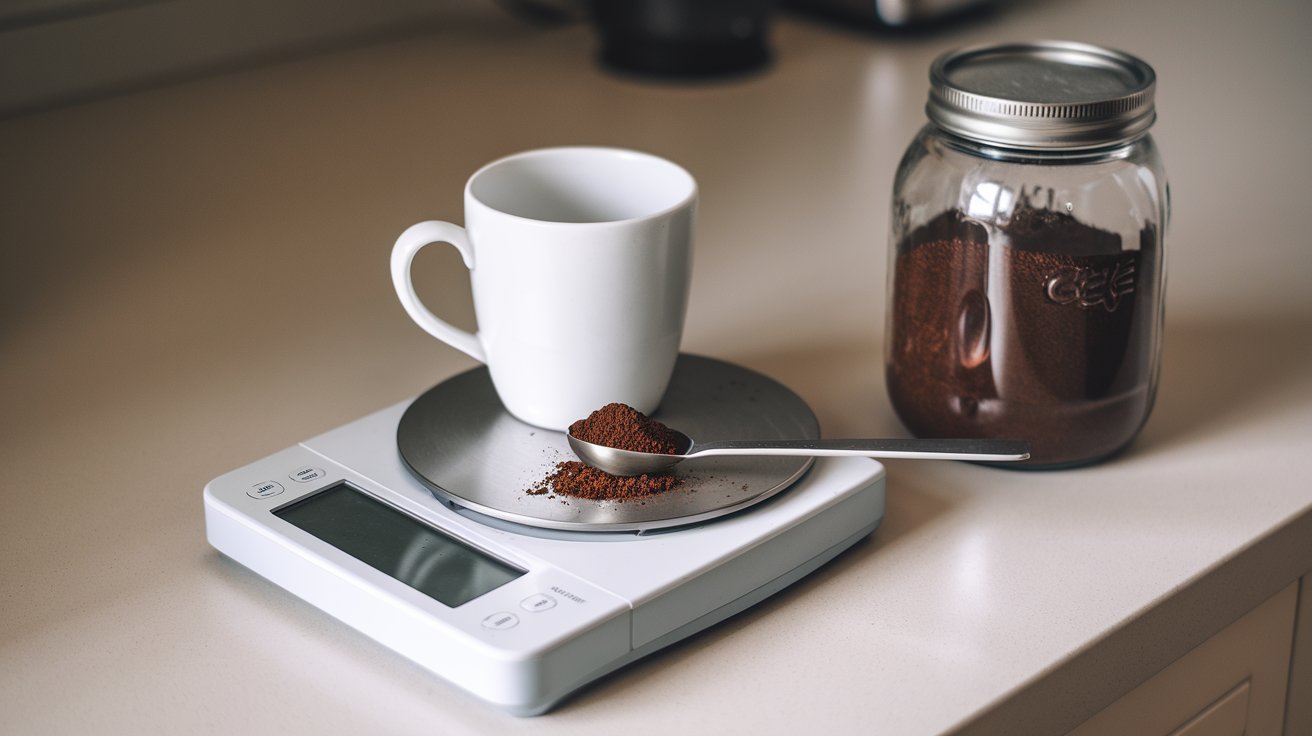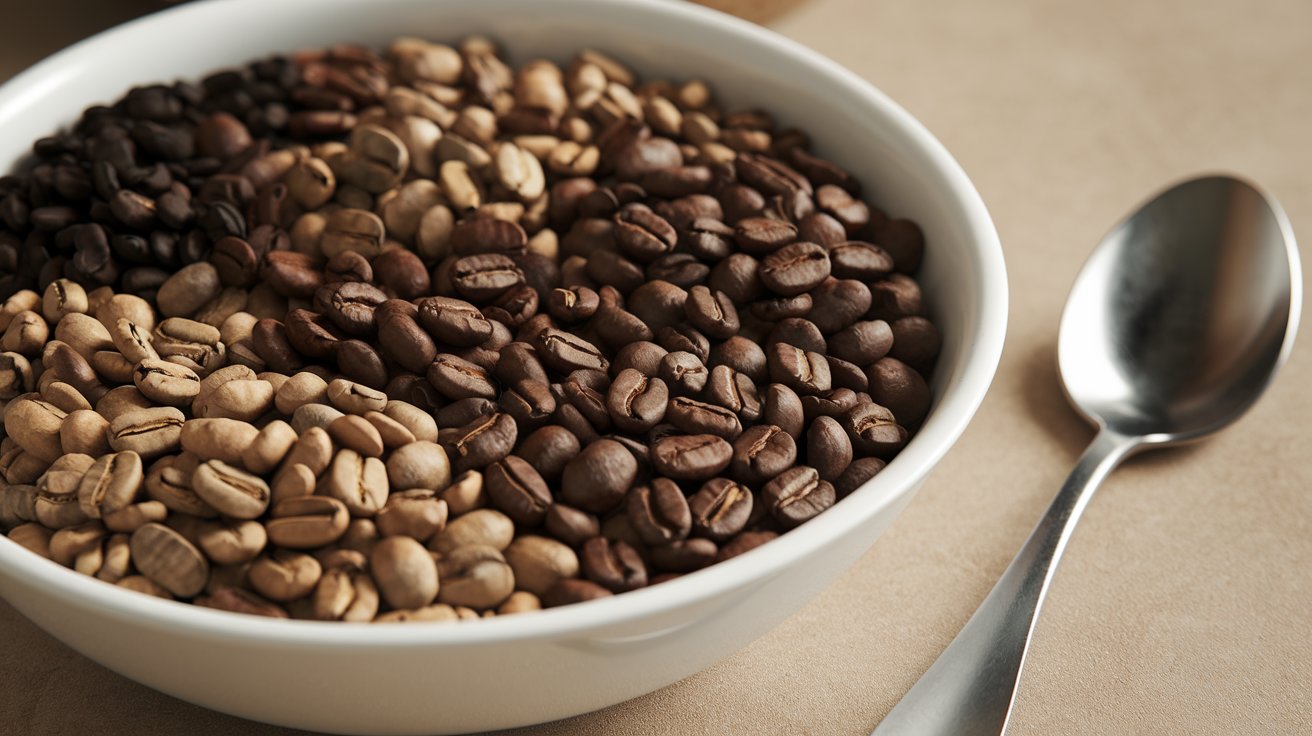
The perfect cup of coffee starts with the right ratio of ground coffee to water. In 2026, coffee enthusiasts across the United States follow the Golden Ratio of 1:17, which translates to approximately 2 tablespoons of ground coffee per 6 ounces of water. This comprehensive guide reveals precise measurements for every brewing method, from drip coffee makers to French press, ensuring you achieve consistent, flavorful results every single time you brew.
The Golden Coffee-to-Water Ratio Explained
The Golden Ratio for coffee brewing established by the Specialty Coffee Association recommends 55 grams of coffee per liter of water, or approximately 1:17 ratio. For practical home brewing in 2026, this translates to 2 tablespoons of ground coffee for every 6 ounces (180ml) of water. This standard has remained consistent because it produces a balanced extraction that highlights both the coffee’s flavor complexity and pleasant strength without bitterness.
Understanding this ratio is crucial because coffee brewing is fundamentally about extraction. When you use too little coffee, you create weak, under-extracted brew that tastes sour and hollow. Conversely, too much coffee results in over-extraction, producing bitter, harsh flavors. The 1:17 ratio provides the optimal extraction window where approximately 18-22% of the coffee’s soluble compounds dissolve into your water, creating what professionals call a balanced cup.
Most Americans measure their coffee in tablespoons and cups rather than grams, which is why understanding both metric and imperial measurements matters. One standard coffee scoop holds approximately 2 tablespoons or 10-12 grams of ground coffee. When your coffee maker references a cup, it typically means 6 ounces, not the standard 8-ounce measuring cup, which frequently causes confusion and incorrect ratios.
Standard Coffee Measurements for Common Brew Sizes
Different brewing quantities require proportional adjustments to maintain flavor consistency. The following measurements apply to standard drip coffee makers, which remain the most popular brewing method in 72% of American households as of 2026 data.
Single Cup to 4 Cup Measurements
For a single 6-ounce cup, use 2 tablespoons (10-12 grams) of ground coffee. When brewing 2 cups (12 ounces total), you’ll need 4 tablespoons or approximately 20-24 grams. For 4 cups (24 ounces), measure out 8 tablespoons or roughly 40-48 grams of ground coffee. These smaller batch sizes are ideal for morning individual servings or when entertaining one or two guests.
The precision becomes especially important with smaller brew quantities because measurement errors represent a larger percentage of the total. Being off by one tablespoon in a single cup drastically affects flavor, whereas the same error in a 12-cup pot has minimal impact. This is why digital kitchen scales have become increasingly popular among American coffee drinkers, with sales increasing 34% between 2023 and 2026.
Large Batch Brewing: 8 to 12 Cups
Brewing 8 cups of coffee (48 ounces) requires 16 tablespoons, which equals 1 cup of ground coffee or approximately 80-96 grams. For the popular 12-cup pot (72 ounces), you’ll need 24 tablespoons or 1.5 cups of ground coffee, totaling around 120-144 grams. These larger batches are common in office environments and family gatherings throughout the United States.
When brewing large quantities, water temperature consistency becomes more critical. Most modern drip coffee makers in 2026 maintain water temperatures between 195-205°F, which is optimal for extraction. However, older machines may struggle to maintain this temperature across larger brew volumes, potentially requiring slight increases in coffee quantity to compensate for under-extraction in later portions of the brewing cycle.
Brewing Method-Specific Coffee Ratios
Different brewing methods extract coffee compounds at varying rates due to contact time, water temperature, and filtration differences. Adjusting your coffee-to-water ratio based on your specific brewing method ensures optimal flavor extraction every time.
French Press Coffee Measurements
French press brewing requires a slightly higher coffee-to-water ratio than drip methods because of the coarser grind and immersion brewing process. Use 2.5 tablespoons (12-15 grams) of coarsely ground coffee per 6 ounces of water, or approximately 1:15 ratio. For a standard 32-ounce French press, this translates to roughly 60-75 grams or about 13 tablespoons of ground coffee.
The coarse grind size is absolutely critical for French press brewing. Finer grinds pass through the metal mesh filter, creating sediment in your cup and causing over-extraction due to increased surface area. The four-minute steep time at 200°F water temperature allows for complete extraction with the proper coarse grind, producing a full-bodied cup with rich mouthfeel that French press enthusiasts prefer.
Pour Over and Drip Coffee Maker Ratios
Pour over methods like Chemex, V60, and Kalita Wave work excellently with the standard Golden Ratio of 2 tablespoons per 6 ounces. However, many specialty coffee enthusiasts prefer a slightly stronger 1:16 ratio, using approximately 2.25 tablespoons per 6 ounces. Standard automatic drip coffee makers perform best with the traditional 2 tablespoons per cup measurement, which accounts for the faster water flow and paper filtration.
The advantage of pour over brewing lies in temperature and extraction control. By manually controlling water flow, you can adjust extraction on the fly. If your coffee tastes weak despite correct measurements, try a slightly finer grind or slower pour rate. Conversely, if bitterness occurs, coarsen your grind or speed up your pour to reduce extraction time and intensity.
Espresso-Based Drinks
Espresso uses dramatically different ratios due to high pressure extraction and concentrated output. A standard single espresso shot requires 7-9 grams of finely ground coffee to produce 1 ounce of espresso. A double shot (doppio) uses 14-18 grams for 2 ounces. When making Americanos, add 4-6 ounces of hot water to each espresso shot, effectively creating a 1:6-1:8 coffee-to-water ratio that produces flavor intensity similar to very strong drip coffee.
Modern espresso machines in American homes have become increasingly sophisticated by 2026, with built-in grinders and programmable shot volumes becoming standard features. The key difference from other brewing methods is the 9 bars of pressure and 25-30 second extraction time, which pulls different flavor compounds than longer, lower-pressure methods like drip or French press brewing.
Coffee Scoop Measurements and Conversions
Understanding coffee scoop measurements eliminates confusion when following recipes or product instructions. A standard coffee scoop holds 2 level tablespoons, but variations exist across different manufacturers and styles.
Standard Scoop vs Tablespoon Measurements
One level coffee scoop equals 2 tablespoons or approximately 10-12 grams of ground coffee, depending on grind size and coffee density. However, pre-2020 coffee scoops often held only 1 tablespoon, causing ongoing confusion. Modern scoops manufactured after 2022 standardized at 2 tablespoons, aligning with Specialty Coffee Association recommendations. Always verify your scoop’s capacity by measuring against standard measuring spoons to ensure accuracy.
Grind size significantly affects volumetric measurements because coarser grinds contain more air space between particles. A 2-tablespoon scoop of coarse French press grind might weigh 9 grams, while the same volume of fine espresso grind could weigh 13 grams. This is why professional baristas and serious home brewers always measure coffee by weight rather than volume for consistent results.
Converting Between Grams and Tablespoons
Accurate conversion between metric and imperial measurements ensures consistency when following various recipes. One tablespoon of medium-ground coffee weighs approximately 5-6 grams. Therefore, 10 grams equals roughly 2 tablespoons, 20 grams equals 4 tablespoons, and 30 grams equals 6 tablespoons. For precise brewing, especially with expensive specialty coffees, investing in a digital scale that measures in 0.1-gram increments provides the accuracy needed for perfect replication.
The density variation across different coffee origins and roast levels affects these conversions. Light roasted coffees are denser and heavier per volume than dark roasts, which lose more moisture and mass during roasting. Ethiopian light roast might measure 6 grams per tablespoon, while French roast could measure only 4.5 grams per tablespoon despite identical volume, explaining why weight measurements prove more reliable than volume.
Adjusting Coffee Strength to Personal Preference
The standard ratios provide an excellent starting point, but personal taste preferences should ultimately guide your measurements. Approximately 43% of American coffee drinkers in 2026 prefer stronger coffee than the Golden Ratio produces, while 28% prefer lighter brews.
To create stronger coffee, increase ground coffee by 10-20% while maintaining the same water volume. Instead of 2 tablespoons per 6 ounces, try 2.25-2.5 tablespoons. For lighter coffee, reduce to 1.5-1.75 tablespoons per 6 ounces. Make adjustments gradually in 0.25 tablespoon increments to identify your ideal ratio without overshooting and wasting coffee.
Remember that strength and extraction are different concepts. Strong coffee means more coffee per water volume, while proper extraction means pulling the right flavor compounds. You can have weak but over-extracted coffee (bitter and thin) or strong but under-extracted coffee (sour and intense). Always maintain proper grind size and brew time while adjusting ratios to avoid conflating these separate variables.
Common Coffee Measurement Mistakes to Avoid
Even experienced coffee makers fall victim to measurement errors that compromise their brew quality. Understanding these common mistakes helps you achieve consistency and avoid wasted coffee and disappointing results.
Confusing Cup Sizes and Coffee Maker Markings
The most frequent error involves misunderstanding cup measurements on coffee maker water reservoirs. Coffee industry standard cups equal 6 ounces, but American measuring cups equal 8 ounces. When your coffee maker’s reservoir says 12 cups, it means 72 ounces, not 96 ounces. Using 8-ounce measurements with 6-ounce coffee maker markings results in excessively strong or weak coffee depending on which measurement you follow.
Additionally, many people fill their drinking mugs to 12-16 ounces but measure coffee for a 6-ounce cup, creating weak, disappointing brews. A standard American coffee mug holds 12-14 ounces, requiring 4-5 tablespoons of ground coffee, not the 2 tablespoons listed in most basic instructions. Always measure your actual mug capacity and calculate coffee accordingly for proper strength.
Using Incorrect Grind Size for Brewing Method
Grind size dramatically impacts extraction rate and required coffee quantity. Using fine espresso grind in a drip coffee maker causes over-extraction and can clog filters, while coarse French press grind in espresso machines produces weak, under-extracted shots. Each brewing method requires specific grind sizes: coarse for French press and cold brew, medium for drip coffee makers, medium-fine for pour over, and fine for espresso.
When grind size doesn’t match brewing method, adjusting coffee quantity won’t fix the fundamental extraction problem. Proper grind size ensures that water flows through coffee grounds at the correct rate for complete extraction. Many American households now own burr grinders with multiple settings, making it easy to match grind size to brewing method. These grinders represented 58% of home grinder sales in 2026, up from 31% in 2020.
Measuring Coffee Before or After Grinding
Whether you measure whole beans or ground coffee makes a significant difference in final brew strength. Whole beans are denser and compact better, so measuring before grinding typically yields more coffee by weight. For consistency, always measure coffee after grinding when following volumetric recipes, or switch to weight-based measurements that remain accurate regardless of when you measure.
This issue particularly affects blade grinder users because blade grinders produce inconsistent particle sizes. The combination of large chunks and fine powder creates unpredictable density in your measurement scoop. Burr grinders produce uniform particle sizes, making volumetric measurements more reliable, though weighing ground coffee remains the gold standard for precision regardless of grinder type.
Water Quality and Temperature Impact on Coffee Ratios
The perfect coffee-to-water ratio means nothing if your water quality compromises extraction. Water comprises 98-99% of brewed coffee, making its mineral content, purity, and temperature absolutely critical to final taste.
Ideal brewing water contains 150-250 parts per million total dissolved solids with balanced calcium and magnesium content. Very soft water under-extracts coffee because it lacks minerals that facilitate flavor compound dissolution, while very hard water over-extracts and adds unpleasant mineral flavors. Many American cities have water hardness exceeding 300 ppm, which is why 34% of serious coffee enthusiasts now use filtered or bottled water specifically for coffee brewing.
Water temperature between 195-205°F provides optimal extraction. Lower temperatures under-extract, producing sour, weak coffee even with correct ratios. Higher temperatures over-extract, creating bitter, astringent flavors. Most quality coffee makers maintain this range automatically, but pour over and French press brewers should use a thermometer or temperature-controlled kettle to ensure consistency. Bringing water to a full boil then letting it rest 30-45 seconds typically achieves the ideal brewing temperature.
Using Kitchen Scales for Perfect Coffee Measurements
Professional baristas and specialty coffee enthusiasts unanimously recommend weighing coffee rather than using volumetric measurements for ultimate consistency and repeatability. Digital kitchen scales eliminate variables like grind size density, settling, and scoop technique that affect tablespoon measurements.
A quality coffee scale should measure in 0.1-gram increments and include a timer function for monitoring brew time simultaneously. Models with built-in rechargeable batteries and water-resistant surfaces have become standard in 2026, with quality options available from $25-$75. The investment pays for itself within months by eliminating wasted coffee from incorrect measurements and failed brews.
To use a scale effectively, place your empty brewing vessel on the scale and tare it to zero. Add ground coffee to your target weight (typically 60 grams per liter of water), then tare again. Start your timer and pour water to your target brew weight, which equals your desired coffee output. For example, brewing 500 grams (500ml) of coffee requires approximately 30 grams of ground coffee. This method ensures perfect replication every time you brew.
Specialty Coffee Brewing Calculator Formulas
Understanding the mathematics behind coffee ratios allows you to calculate perfect measurements for any brew size or strength preference. The basic formula divides total water weight by your desired ratio number to determine coffee weight.
For the standard 1:17 ratio, divide your target water weight in grams by 17. For example, 850 grams of water divided by 17 equals 50 grams of coffee. For stronger 1:15 ratio, divide by 15. For lighter 1:18 ratio, divide by 18. This formula works universally across all brewing methods and batch sizes, providing a reliable calculation regardless of whether you’re making a single cup or a full pot.
Converting between ounces and grams requires knowing that 1 fluid ounce equals approximately 30 grams. A 6-ounce cup equals 180 grams of water, requiring 10.6 grams of coffee at 1:17 ratio, which rounds to the standard 2 tablespoons. For a 12-ounce mug (360 grams), you’d need 21.2 grams of coffee, or approximately 4 tablespoons. These conversions explain why standard American measurements align reasonably well with the Golden Ratio despite using different unit systems.
Related video about how much ground coffee per cup
This video complements the article information with a practical visual demonstration.
Key Questions and Answers
How much coffee ground for 1 cup of coffee?
For one standard 6-ounce cup of coffee, use 2 tablespoons (10-12 grams) of ground coffee. If you’re filling a typical 12-ounce American coffee mug, double this to 4 tablespoons or approximately 20-24 grams. This follows the Golden Ratio of 1:17 coffee-to-water, producing a balanced, flavorful cup. Adjust by 0.25 tablespoon increments to match your personal strength preference. Always measure water accurately since coffee maker cup markings indicate 6-ounce cups, not standard 8-ounce measuring cups.
How many tablespoons of coffee do you use for 4 cups?
For 4 cups of coffee (24 ounces total), use 8 tablespoons of ground coffee, which equals approximately 40-48 grams or 4 standard coffee scoops. This maintains the optimal 1:17 coffee-to-water ratio recommended by coffee professionals. If you prefer stronger coffee, increase to 9-10 tablespoons. For lighter coffee, decrease to 6-7 tablespoons. Remember that coffee maker cup measurements typically refer to 6-ounce cups, so 4 cups equals 24 ounces of brewed coffee, not 32 ounces.
How much ground coffee do I use for 8 cups of water?
For 8 cups (48 ounces) of water, use 16 tablespoons of ground coffee, which equals 1 cup or approximately 80-96 grams. This follows the standard Golden Ratio and produces consistently good coffee in most drip coffee makers. If brewing in an older coffee maker that doesn’t maintain optimal temperature, consider increasing to 17-18 tablespoons to compensate for slight under-extraction. For French press brewing with this water volume, increase to 18 tablespoons due to the immersion brewing method and coarser grind requirement.
Is a coffee scoop 1 or 2 tablespoons?
A standard modern coffee scoop holds 2 tablespoons, equaling approximately 10-12 grams of ground coffee. However, older coffee scoops manufactured before 2020 often held only 1 tablespoon, creating ongoing confusion. Coffee scoops included with coffee makers after 2022 standardized at the 2-tablespoon capacity following Specialty Coffee Association recommendations. To verify your scoop’s capacity, measure it against standard measuring tablespoons or weigh the contents on a kitchen scale. The 2-tablespoon standard provides the correct amount for one 6-ounce cup of coffee.
How does grind size affect coffee measurements?
Grind size significantly impacts volumetric measurements because coarser grinds contain more air space between particles, making them lighter per volume. A tablespoon of coarse French press grind weighs 4-5 grams, while the same volume of fine espresso grind weighs 6-7 grams. This 40-50% density difference explains why measuring coffee by weight produces more consistent results than volume measurements. Each brewing method requires specific grind sizes: coarse for French press, medium for drip coffee, medium-fine for pour over, and fine for espresso. Using incorrect grind size for your brewing method creates extraction problems that adjusting coffee quantity cannot fix.
Can I use the same ratio for cold brew coffee?
Cold brew requires a much higher coffee-to-water ratio than hot brewing methods because cold water extracts flavor compounds much more slowly and less completely. Use a 1:5 to 1:8 ratio for cold brew concentrate, meaning 4-6 tablespoons per 6 ounces of water. This produces a strong concentrate that you dilute with water, milk, or ice before drinking. For ready-to-drink cold brew, use approximately 3 tablespoons per 6 ounces. The 12-24 hour steeping time at room temperature or refrigerated extracts different flavor compounds than hot brewing, creating a smoother, less acidic final product that has become increasingly popular among American coffee drinkers.
| Brew Size | Ground Coffee Amount | Key Consideration |
|---|---|---|
| 1 cup (6 oz) | 2 tablespoons (10-12g) | Perfect for single servings |
| 4 cups (24 oz) | 8 tablespoons (40-48g) | Standard morning pot |
| 8 cups (48 oz) | 16 tablespoons (80-96g) | Family or office brewing |
| 12 cups (72 oz) | 24 tablespoons (120-144g) | Large gatherings |
| French Press | 2.5 tablespoons per 6 oz | Requires coarse grind |
| Espresso Shot | 7-9g per 1 oz shot | Fine grind, high pressure |