The golden ratio for ground coffee per cup is 1 to 2 tablespoons (approximately 10-15 grams) for every 6 ounces of water, according to the Specialty Coffee Association of America. However, achieving the perfect brew requires understanding how much coffee to use based on your brewing method, grind size, and personal taste preferences. This comprehensive guide provides precise measurements for every popular brewing method in 2026, helping you eliminate guesswork and brew consistently excellent coffee at home.
Standard Coffee to Water Ratios Explained
The universally accepted coffee ratio recommended by coffee experts in 2026 is 1:15 to 1:18, meaning one gram of coffee for every 15-18 grams (or milliliters) of water. For many coffee drinkers in the United States, this translates to approximately 2 tablespoons of ground coffee per 6-ounce cup. Understanding this fundamental ratio is essential because it serves as your baseline for adjusting strength according to personal preference.
When measuring coffee grounds, precision matters significantly more than most people realize. A standard coffee cup in America is typically 8 ounces, but the coffee industry standard measurement is actually 6 ounces. This discrepancy often leads to confusion when determining how much ground coffee you should use. For an 8-ounce cup, increase your measurement to approximately 2.5 tablespoons or 12-14 grams of ground coffee to maintain proper extraction and flavor balance.
Measuring Ground Coffee: Grams vs Tablespoons
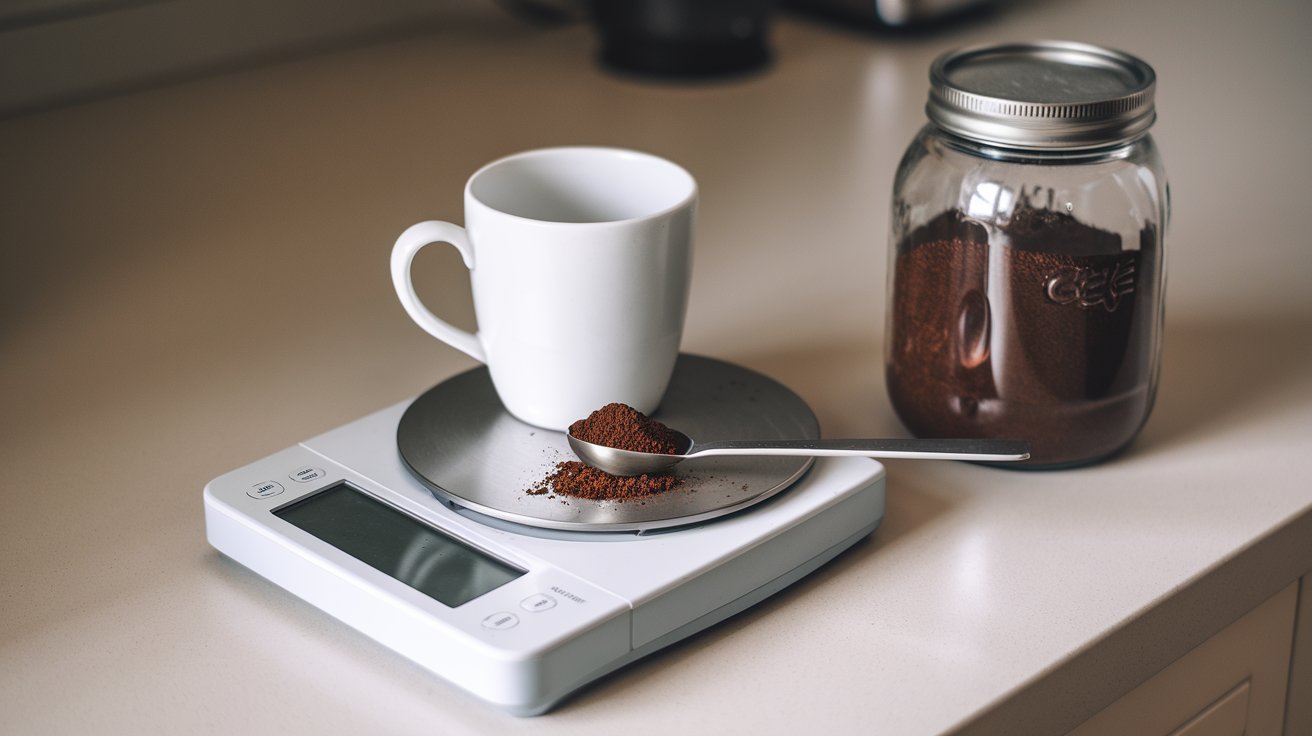
Professional baristas and coffee enthusiasts universally prefer measuring coffee in grams because it provides the most accurate and repeatable results. Digital kitchen scales have become incredibly affordable in 2026, with reliable models available for under $15 across the United States. One tablespoon of ground coffee typically weighs between 5-7 grams depending on grind size and coffee bean density, which creates significant variability when using volume measurements alone.
For those without a scale, understanding tablespoon measurements remains practical for everyday brewing. A level tablespoon of medium-ground coffee weighs approximately 5-6 grams, while a heaping tablespoon contains 7-8 grams. Most coffee scoops provided with coffee makers hold 2 tablespoons, equaling roughly 10-12 grams. When using tablespoons to measure your coffee, consistency in your scooping technique matters tremendously for achieving repeatable results across multiple brewing sessions.
How Much Ground Coffee for Different Cup Quantities
Scaling your coffee measurements for multiple cups requires simple multiplication while maintaining proper ratios. Understanding these calculations helps you brew everything from a single cup to a full 12-cup pot without sacrificing quality or wasting precious coffee beans.
How Much Coffee Grounds for 4 Cups
For brewing 4 cups of coffee (using standard 6-ounce cups), you need approximately 8 tablespoons or 40-50 grams of ground coffee. If using 8-ounce mugs, increase this to 10 tablespoons or 50-60 grams to maintain optimal strength. Most automatic drip coffee makers in the United States have measurement lines indicating 4 cups, which typically holds 24 ounces of water. Match this with 8-10 tablespoons of medium-ground coffee for a balanced, flavorful brew that satisfies multiple drinkers or provides you with refills throughout your morning routine.
How Much Ground Coffee for 12 Cups
When brewing a full 12-cup pot, you need 24 tablespoons (approximately 120-150 grams) of ground coffee. This large quantity is perfect for gatherings, offices, or households with multiple coffee drinkers. Most 12-cup coffee makers in 2026 feature advanced brewing technology that maintains consistent temperature throughout the extraction process, making proper measurement even more critical. Using too little coffee for this quantity results in weak, under-extracted brew, while excessive amounts create bitter, over-extracted coffee that wastes your premium beans.
Single Cup and 8 Cup Measurements
For a single 6-ounce cup of coffee, use 2 tablespoons or 10-12 grams of ground coffee. When brewing 8 cups, you need approximately 16 tablespoons or 80-100 grams. These measurements assume medium grind coffee and standard drip brewing methods. Single-serve brewing with methods like pour-over or AeroPress may require slight adjustments based on extraction time and water temperature, with many coffee enthusiasts preferring slightly higher ratios (1:15 instead of 1:17) for concentrated flavor in smaller quantities.
Coffee Measurements by Brewing Method
Different brewing methods require adjusted coffee ratios because extraction efficiency varies dramatically based on contact time, water temperature, and filtration method. Understanding these method-specific requirements elevates your coffee from merely acceptable to exceptional.
How Many Tablespoons of Coffee Per Cup for Drip
Standard drip coffee makers perform best with 1.5 to 2 tablespoons of ground coffee per 6-ounce cup. The automatic drip method, used by over 45% of American households in 2026, provides moderate extraction with brew times between 4-6 minutes. For optimal results with drip brewing, use medium-grind coffee that resembles coarse sand. Most modern drip machines maintain water temperature between 195-205°F, the ideal range for proper extraction. If your drip coffee tastes weak, increase to 2.5 tablespoons per cup rather than extending brew time, which can lead to over-extraction and bitterness.
How Much Ground Coffee Per Cup French Press
French press brewing requires a coarser grind and typically uses more coffee than drip methods, approximately 2 to 2.5 tablespoons (12-15 grams) per 6-ounce cup. The immersion brewing process of a French press allows complete saturation of coffee grounds, extracting more oils and sediment that contribute to the characteristically bold, full-bodied flavor. For a standard 32-ounce French press (serving 4-5 cups), use 55-65 grams or roughly 8-10 tablespoons of coarse-ground coffee. Steep for exactly 4 minutes before pressing to achieve balanced extraction without excessive bitterness from over-steeping.
Espresso and Cold Brew Measurements
Espresso requires dramatically different ratios, typically using 18-20 grams of finely-ground coffee for a double shot (2 ounces of liquid). Cold brew concentrate demands the highest coffee-to-water ratio, using 1:4 or 1:5 (one cup of coarse-ground coffee for every 4-5 cups of cold water). After steeping 12-24 hours, this concentrate is diluted with water or milk before drinking. The cold brew method has surged in popularity across the United States, with consumption increasing 26% from 2023 to 2026, making understanding proper ratios essential for home brewers seeking to replicate café-quality results.
Understanding Coffee Scoop Measurements
The question is a coffee scoop 1 or 2 tablespoons confuses many coffee drinkers because scoop sizes vary significantly by manufacturer. Standard coffee scoops sold in the United States in 2026 typically hold 2 tablespoons or approximately 10 grams of ground coffee. However, scoops included with coffee makers often hold only 1 tablespoon (5-6 grams), while specialty coffee equipment may include larger scoops holding up to 3 tablespoons.
To eliminate confusion, measure your specific coffee scoop capacity once using either a kitchen scale or measuring spoons. Mark the scoop with permanent marker or note the measurement in your coffee journal. Many experienced home baristas in 2026 abandon scoops entirely in favor of digital scales, which provide precision measurements regardless of grind size, bean density, or settling. This one-time $15 investment dramatically improves consistency and allows you to replicate exceptional brews perfectly every time.
Ground Coffee to Whole Bean Conversion
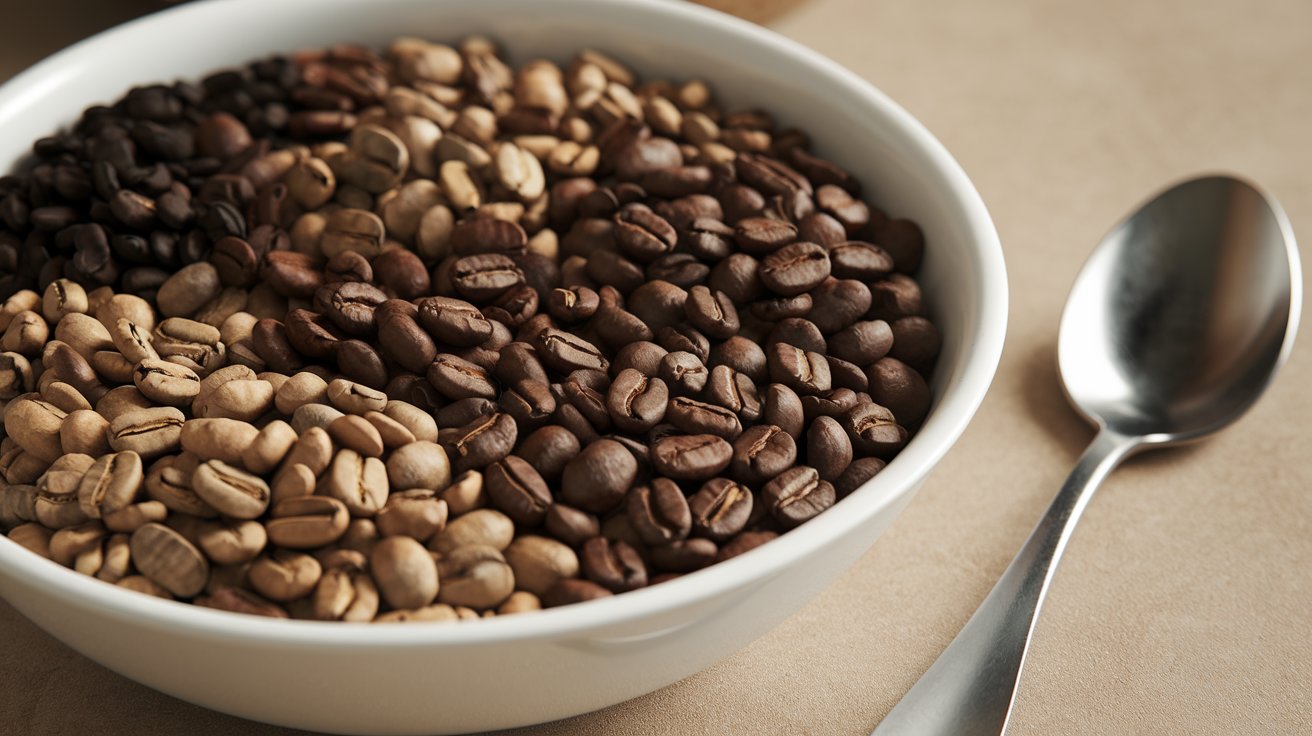
When measuring whole coffee beans versus pre-ground coffee, weight remains constant but volume changes after grinding. If a recipe calls for 2 tablespoons of ground coffee, you need approximately 2 tablespoons of whole beans by volume, but measuring by weight (10-12 grams) ensures accuracy regardless of form. Grinding coffee immediately before brewing, a practice adopted by 38% of American coffee enthusiasts in 2026, preserves volatile aromatic compounds and oils that dissipate within 30 minutes of grinding.
The grind size you select impacts how much coffee grounds fit in a given volume measurement. Fine espresso grind packs more densely than coarse French press grind, meaning one tablespoon of fine grind contains more coffee by weight than one tablespoon of coarse grind. This density difference explains why volume measurements lack the precision of weight measurements, and why professional coffee recipes always specify grams rather than tablespoons or cups.
Adjusting Coffee Strength to Personal Preference
The standard ratios provide an excellent starting point, but personal preference ultimately determines how much coffee you use per cup. If you find your coffee too weak using the 1:17 ratio, strengthen it by moving to 1:15 (more coffee, same water). Conversely, if the brew tastes too strong or bitter, dilute the ratio to 1:18. Keep detailed notes when adjusting, changing only one variable at a time to identify exactly what produces your ideal cup.
Regional preferences across the United States show interesting patterns, with surveys in 2026 revealing that Northeastern states prefer stronger coffee (averaging 1:15 ratios) while Western states lean toward lighter brews (1:17 to 1:18 ratios). Your individual taste may align with these trends or differ completely. Experiment with coffee strength by adjusting in small increments of 1-2 grams (approximately half a tablespoon) rather than making dramatic changes that swing from too weak to too strong without finding your sweet spot.
Common Coffee Measuring Mistakes to Avoid
The most frequent error when measuring ground coffee involves using inconsistent scooping techniques. Loosely filled tablespoons contain significantly less coffee than packed or heaping measurements, creating variation between supposedly identical brews. Always level off your measuring spoons with a straight edge for consistency, or better yet, switch to weighing your coffee for absolute precision regardless of technique variation.
Another common mistake involves ignoring the difference between coffee maker cup markings and actual cup sizes. When your coffee maker indicates 12 cups, it means twelve 6-ounce servings (72 ounces total), not twelve 8-ounce cups. Using the wrong interpretation causes you to add either too little coffee (resulting in weak brew) or too much (wasting coffee and potentially causing overflow). Always verify what your specific machine considers one cup by checking the manual or measuring the total carafe capacity and dividing by the cup number indicated on the water reservoir.
Tools for Accurate Coffee Measurement
Investing in proper measuring tools dramatically improves your coffee brewing consistency. A basic digital kitchen scale with 0.1-gram precision costs $12-20 in 2026 and eliminates all volume measurement ambiguity. Look for scales with tare function, allowing you to zero out the weight of your container and measure only the coffee. Many coffee-specific scales include built-in timers, helping you track both dose and extraction time simultaneously for pour-over and other manual brewing methods.
For those preferring volume measurements, stainless steel measuring spoons provide better accuracy than plastic versions, which often deviate from standard measurements by 5-10%. Coffee-specific measuring spoons marked in both tablespoons and grams help you understand the weight equivalents of your volume measurements. A coffee calculator app on your smartphone can compute precise ratios, with popular 2026 options including Bean Gauge, Coffee Ratio Calculator, and BrewTimer, all offering free versions with ratio calculators, timers, and brew logging features.
Water Quality and Temperature Impact
Even perfect coffee measurements cannot compensate for poor water quality or incorrect temperature. Water comprises 98-99% of your finished coffee, making its quality paramount to the final result. The Specialty Coffee Association recommends water with 150 parts per million total dissolved solids and neutral pH between 6.5-7.5. Many American municipal water systems in 2026 feature chlorine levels that negatively impact coffee flavor, making filtered water essential for optimal results in approximately 60% of U.S. locations.
Water temperature must stay between 195-205°F (90-96°C) during extraction for proper dissolution of coffee solubles. Temperature below this range causes under-extraction and sour, weak coffee regardless of how much ground coffee per cup you use. Temperature above 205°F extracts excessive bitter compounds, producing harsh, astringent brews. Most quality coffee makers maintain this temperature automatically, but manual brewing methods require a temperature-controlled kettle or allowing boiled water to rest 30-45 seconds before pouring.
Coffee Storage and Freshness Considerations
Proper measurement matters little if your coffee grounds have lost freshness and flavor. Ground coffee begins losing aromatic compounds immediately after grinding, with approximately 60% of volatile aromatics dissipating within 30 minutes of grinding. Store whole beans in an airtight, opaque container at room temperature, away from light, heat, and moisture. Contrary to popular belief, refrigerating or freezing coffee damages flavor by introducing moisture and absorbing odors from surrounding foods.
Purchase coffee beans in quantities you will consume within 2-3 weeks of the roast date for optimal freshness. The specialty coffee movement in 2026 has made finding locally roasted, clearly dated coffee increasingly accessible across the United States, with over 4,200 craft roasters now operating nationwide. Pre-ground coffee, while convenient, should be consumed within one week of opening for acceptable flavor. If you must buy pre-ground, choose the grind size matching your brewing method and transfer it immediately to an airtight container after opening the original packaging.
Related video about how much ground coffee per cup
This video complements the article information with a practical visual demonstration.
Essential Q&A about how much ground coffee per cup
How much coffee ground for 1 cup of coffee?
For one 6-ounce cup of coffee, use 2 tablespoons or 10-12 grams of ground coffee. If brewing an 8-ounce cup, increase to 2.5 tablespoons or 13-15 grams. This ratio follows the Specialty Coffee Association standard of 1:15 to 1:18 coffee-to-water ratio, providing balanced extraction and flavor. Adjust slightly stronger or weaker based on personal preference, but start with these measurements for consistently good results with standard drip brewing methods.
How many tablespoons of coffee do you use for 4 cups?
For 4 cups of coffee, use 8 tablespoons of ground coffee if measuring by standard 6-ounce cups, or 10 tablespoons for 8-ounce mugs. This equals approximately 40-60 grams depending on cup size and desired strength. Most drip coffee makers mark 4 cups as 24 ounces total capacity. Using proper ratios prevents weak, under-extracted coffee while avoiding waste from using excessive amounts that create overly strong, bitter brews.
How much ground coffee do I use for 8 cups of water?
For 8 cups of water, use 16 tablespoons (approximately 80-100 grams) of ground coffee. This assumes standard 6-ounce coffee cups, totaling 48 ounces of water. Most 8-cup coffee makers in the United States hold between 40-48 ounces in their carafes. This measurement provides the standard 1:17 ratio preferred by most coffee drinkers, creating balanced flavor without weakness or excessive bitterness. Adjust by 1-2 tablespoons based on whether you prefer slightly stronger or lighter coffee.
Is a coffee scoop 1 or 2 tablespoons?
Standard coffee scoops sold separately typically hold 2 tablespoons or approximately 10 grams of ground coffee. However, scoops included with coffee makers often measure only 1 tablespoon (5-6 grams). This inconsistency causes confusion and brewing problems. Measure your specific scoop once using measuring spoons or a kitchen scale, then mark it permanently. Many coffee experts in 2026 recommend abandoning scoops entirely in favor of digital scales that provide precise measurements regardless of grind size or scoop variation.
Does grind size affect how much coffee I need?
Grind size affects coffee density but not the amount needed by weight. One tablespoon of fine espresso grind weighs more than one tablespoon of coarse French press grind because fine particles pack more densely. This explains why weight measurements (grams) provide better consistency than volume (tablespoons). Regardless of grind size, use 10-12 grams per 6-ounce cup, but adjust grind size to match your brewing method: coarse for French press, medium for drip, and fine for espresso.
Should I adjust measurements for dark vs light roast coffee?
Yes, dark roasts are less dense than light roasts due to longer roasting times that create more porous bean structure. A tablespoon of dark roast weighs approximately 10-15% less than the same volume of light roast. When measuring by volume, you may need slightly more dark roast to achieve equivalent strength. This inconsistency disappears when measuring by weight (grams), which is why professional baristas and serious home brewers in 2026 universally prefer scales over volume measurements for achieving consistency across different roast levels.
| Brewing Method | Coffee Per 6oz Cup | Grind Size | Brew Time |
|---|---|---|---|
| Drip Coffee Maker | 1.5-2 tbsp (10-12g) | Medium | 4-6 minutes |
| French Press | 2-2.5 tbsp (12-15g) | Coarse | 4 minutes |
| Pour Over | 2 tbsp (11-13g) | Medium-Fine | 2-3 minutes |
| Cold Brew Concentrate | 4-5 tbsp (25-30g) | Coarse | 12-24 hours |
| AeroPress | 2-2.5 tbsp (14-17g) | Fine-Medium | 1-2 minutes |