Learning how to grind coffee beans properly transforms your daily brew from ordinary to exceptional. Whether you own a dedicated coffee grinder or need alternative methods, the grinding process directly impacts flavor extraction, aroma, and overall coffee quality. This comprehensive guide covers professional techniques, optimal grind sizes for different brewing methods, and practical solutions for grinding coffee beans at home in 2026.
Why Coffee Bean Grind Size Matters for Perfect Brewing
The grind size of coffee beans determines extraction speed and flavor balance in your cup. When you grind coffee beans too fine for your brewing method, over-extraction creates bitter, harsh flavors. Conversely, grinding coffee beans too coarse results in weak, sour coffee from under-extraction. The surface area exposed during grinding controls how quickly water dissolves soluble compounds, making grind consistency the foundation of quality coffee brewing in 2026.
Different brewing methods require specific grind sizes for optimal performance. Espresso machines need ultra-fine grinds similar to table salt for 25-30 second extraction times. Pour-over methods work best with medium grinds resembling sea salt texture. French press coffee requires coarse grinds like breadcrumbs to prevent sediment passing through the mesh filter. Understanding these relationships helps you achieve consistent results regardless of your equipment or preferred coffee preparation style.
How to Grind Coffee Beans with a Burr Grinder
Burr grinders represent the gold standard for grinding coffee beans because they crush beans between two revolving abrasive surfaces, creating uniform particle sizes. Modern burr grinders in 2026 feature ceramic or stainless steel burrs with stepless adjustment wheels for precise grind control. To use a burr grinder properly, measure your desired coffee quantity, select the appropriate grind setting for your brewing method, and pulse gently rather than running continuously to prevent heat buildup that degrades flavor compounds.
Professional baristas recommend grinding coffee beans immediately before brewing to preserve volatile aromatic oils and carbon dioxide trapped inside roasted beans. Burr grinders maintain temperature control better than blade models, producing consistent particle distribution across fine, medium, and coarse settings. Clean your burr grinder weekly by running rice or grinder cleaning tablets through the mechanism, removing accumulated oils that turn rancid and contaminate fresh coffee flavors with stale, unpleasant notes.
How to Grind Coffee Beans with a Blade Grinder
Blade grinders offer an affordable option for grinding coffee beans at home, though they produce less consistent particle sizes than burr models. These devices use spinning blades similar to food processors, chopping beans rather than crushing them uniformly. To achieve better results with blade grinders, pulse in short bursts rather than continuous operation, shake the grinder between pulses to redistribute beans, and grind smaller batches for more even particle distribution throughout the chamber.
The pulse technique for blade grinders involves five-second bursts followed by brief rests to prevent overheating. Tilt and shake the grinder gently between pulses to move larger particles toward the blades while allowing finer grounds to settle. Expect approximately 20-30 pulses for medium grind suitable for drip coffee makers. Blade grinders work acceptably for basic brewing methods but struggle with espresso’s ultra-fine requirements or French press coarse consistency demands in typical home settings.
How to Grind Coffee Beans Without a Grinder
When you need to grind coffee beans without a dedicated grinder, several household tools provide workable alternatives. A blender, food processor, mortar and pestle, rolling pin, or even a hammer can break down whole beans into usable grounds. Each method requires different techniques and produces varying particle consistency, but all enable fresh coffee preparation when conventional grinding equipment remains unavailable during travel, power outages, or before purchasing proper grinding tools.
Using a Blender to Grind Coffee Beans
Blenders function similarly to blade grinders for grinding coffee beans in emergency situations. Add beans to the blender jar in small batches of two to three tablespoons maximum, select the grinder or pulse setting if available, and operate in short three-to-five second bursts. Tilt the blender between pulses to redistribute beans toward the blades, preventing uneven grinding where some particles remain whole while others turn to powder. High-powered blenders like Vitamix models handle this task more effectively than basic models with lower wattage motors.
The blender grinding technique requires patience and attention to prevent overheating coffee oils. Process beans for approximately 30 seconds total across multiple pulses for medium grind consistency suitable for drip coffee makers. Clean the blender immediately after grinding to prevent coffee oils from adhering to plastic surfaces and transferring flavors to future smoothies or other blended preparations you make in the same container.
Using a Food Processor to Grind Coffee Beans
Food processors with sharp blades provide another alternative method for grinding coffee beans when proper equipment is unavailable. Add whole beans to the processor bowl, secure the lid firmly, and pulse in controlled bursts rather than continuous operation. The wider bowl design compared to blenders allows better particle movement, though you still need to shake and redistribute beans between pulses for acceptable consistency across all grounds in the batch.
Achieve medium-coarse grinds with food processors by pulsing 20-25 times over approximately 30-45 seconds total processing time. Food processors excel at producing coarser grinds suitable for French press or cold brew methods but struggle with espresso’s fine powder requirements. The larger blade diameter creates more turbulence than coffee grinders, resulting in less uniform particle sizes that affect extraction consistency during brewing.
Using Manual Methods: Mortar and Pestle or Rolling Pin
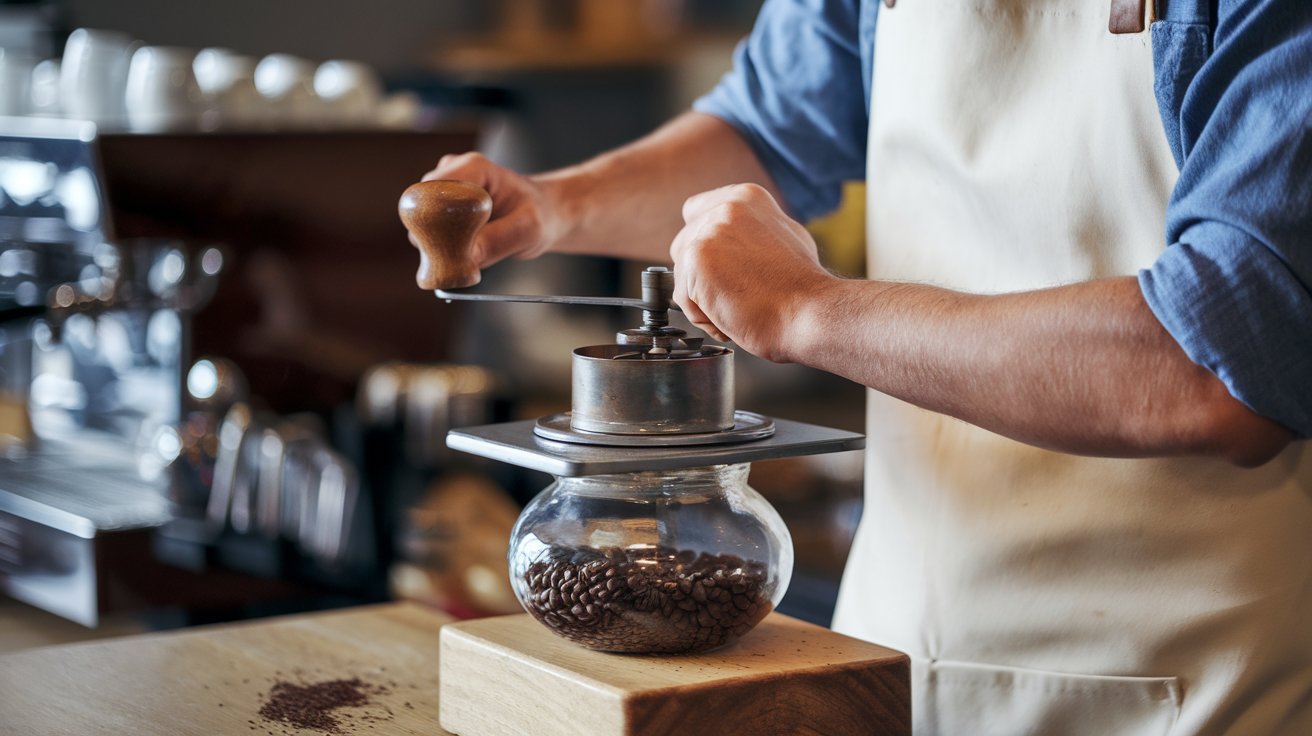
Manual grinding with a mortar and pestle offers maximum control over coffee bean particle size through traditional crushing and grinding motions. Place a small quantity of beans in the mortar, cover with your hand to prevent beans from jumping out, and use firm downward pressure combined with circular grinding motions to break down whole beans progressively. This labor-intensive method produces excellent consistency for small batches and works particularly well for Turkish coffee requiring ultra-fine powder grinds.
A rolling pin technique for grinding coffee beans involves placing beans in a sturdy freezer bag, removing excess air, and crushing beans with firm, even pressure using rolling and pressing motions. This method creates coarse to medium grinds suitable for French press or pour-over brewing. Place the sealed bag on a cutting board or solid surface, use a heavy rolling pin, and apply consistent pressure while rolling to achieve uniform particle breakdown across your desired coffee quantity.
Using a Hammer to Grind Coffee Beans
The hammer method for grinding coffee beans provides a primitive but effective solution when absolutely no other tools are available. Place whole beans in a thick freezer bag or between two sheets of parchment paper inside a towel to contain particles and prevent mess. Use controlled strikes with a meat tenderizer, regular hammer, or rolling pin to crush beans gradually. This technique requires patience and produces inconsistent particle sizes, making it suitable only for coarse grinding needs like French press brewing.
Apply gentle, even strikes across the bean surface rather than aggressive pounding that creates excessive fines and dust. Work in small batches of one to two tablespoons at a time for better control over final grind consistency. The hammer method takes significantly longer than any motorized option and delivers the least consistent results, but it enables coffee preparation when traveling, camping, or facing equipment failures at home.
Optimal Grind Sizes for Different Brewing Methods
Matching grind size to your brewing method determines extraction efficiency and final coffee flavor quality. Each preparation technique requires specific particle sizes to control water contact time and extraction rates. Understanding these relationships helps you adjust grinding settings appropriately regardless of whether you use burr grinders, blade grinders, or alternative grinding methods available in your kitchen.
How to Grind Coffee Beans for Drip Coffee Makers
Drip coffee makers require medium grind consistency resembling granulated sugar or sea salt texture. This particle size allows water to flow through coffee grounds at optimal rates during the four-to-six minute brewing cycle typical of automatic drip machines. Grind too fine and water pools in the filter basket, creating over-extracted bitter coffee. Grind too coarse and water rushes through too quickly, producing weak, under-extracted brew lacking body and flavor complexity.
Set burr grinders to medium settings between 8-10 on most models when grinding coffee beans for drip machines. For blade grinders, pulse approximately 20-25 times until grounds resemble coarse sand consistency. The 2026 standard coffee-to-water ratio for drip brewing remains 1:17, meaning one gram of coffee per 17 grams of water, typically translating to two tablespoons of ground coffee per six ounces of water for home brewing calculations.
How to Grind Coffee Beans for Espresso
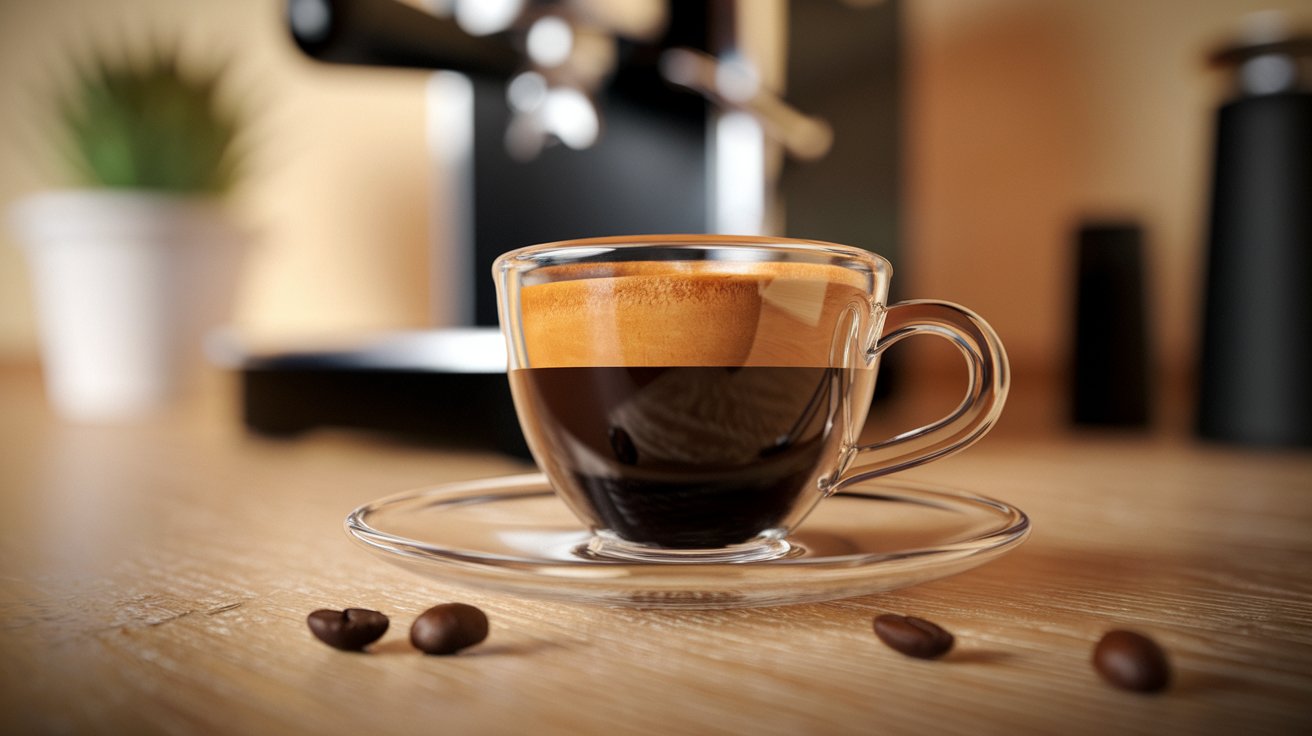
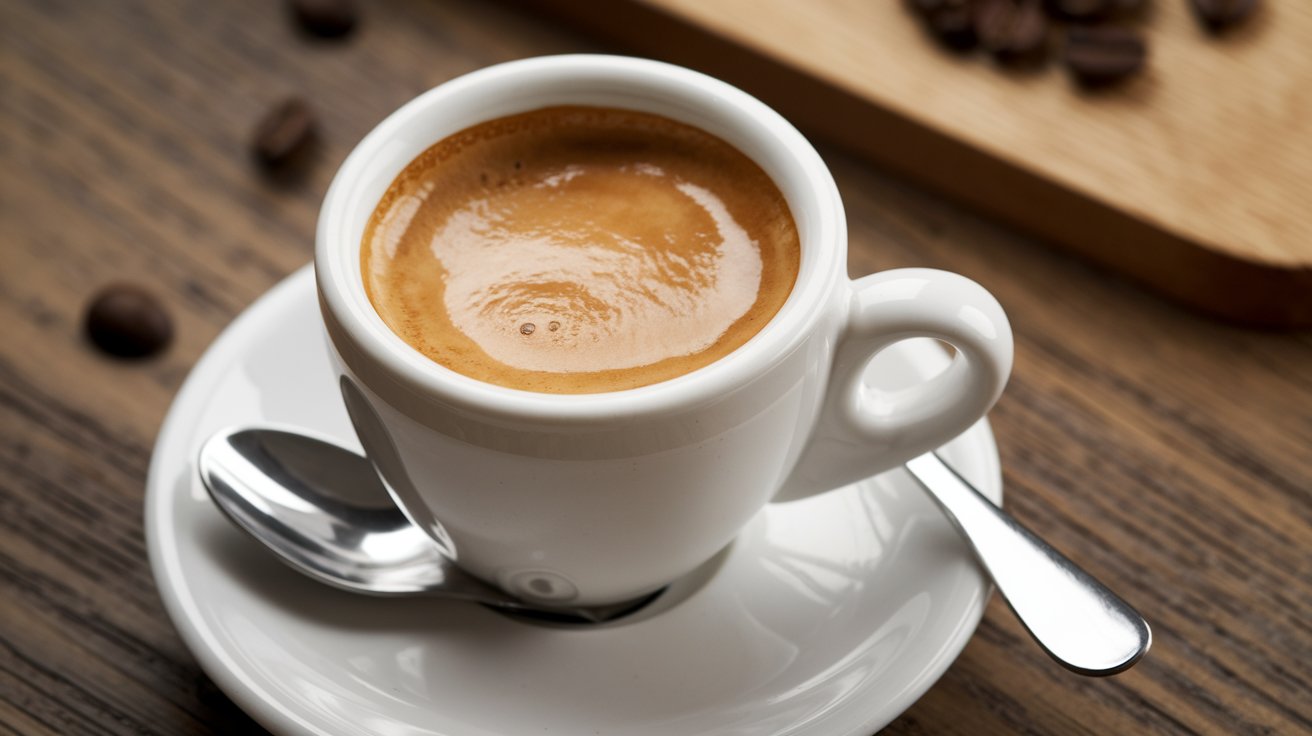
Espresso preparation demands ultra-fine coffee grounds resembling powdered sugar or table salt texture to create proper resistance during high-pressure extraction. The grinding process for espresso requires precision because small particle size variations dramatically affect extraction time and flavor balance. Target 25-30 second extraction times for double shots, adjusting grind finer if water flows too quickly or coarser if extraction exceeds 35 seconds and tastes bitter.
Professional baristas in 2026 emphasize that espresso grind quality matters more than any other brewing method because nine bars of pressure during extraction magnifies inconsistencies in particle distribution. Blade grinders cannot achieve the uniformity required for quality espresso shots. Invest in dedicated burr grinders with stepless adjustment capability or specialized espresso grinders featuring micrometric settings that allow tiny incremental changes to dial in perfect extractions for specific coffee beans and roast profiles.
How to Grind Coffee Beans for French Press
French press brewing requires coarse coffee grinds resembling breadcrumbs or kosher salt crystals to prevent sediment from passing through the metal mesh filter. This larger particle size also controls extraction during the four-minute steeping process typical of French press preparation. Grinding too fine creates muddy coffee with excessive sediment and bitter over-extracted flavors that overwhelm the clean, full-bodied characteristics French press coffee should deliver.
Set burr grinders to coarse settings around 14-16 when grinding coffee beans for French press methods. The goal is uniform large particles that allow water to circulate freely during steeping while maintaining enough surface area for proper flavor extraction. Use a coffee-to-water ratio of 1:15 for French press, approximately two tablespoons of coarsely ground coffee per six ounces of water, and maintain water temperature between 195-205 degrees Fahrenheit throughout the brewing process.
Common Mistakes When Grinding Coffee Beans
Even experienced home baristas make critical errors when grinding coffee beans that compromise final brew quality. Understanding these common mistakes helps you avoid flavor degradation, inconsistent extraction, and equipment damage that wastes money on premium coffee beans. The most frequent grinding errors include advance preparation, improper storage, incorrect grind size selection, and neglecting equipment maintenance that accumulates rancid oils over time.
The biggest mistake when grinding coffee involves preparing grounds hours or days before brewing. Coffee begins losing aromatic compounds within 15 minutes of grinding as increased surface area accelerates oxidation and degassing. Pre-ground coffee loses approximately 60 percent of aromatic complexity within the first hour after grinding according to 2026 coffee chemistry research. Always grind immediately before brewing, measure beans rather than grounds for consistency, and never store ground coffee in conditions exposed to air, light, heat, or moisture.
The 15-15-15 Coffee Rule Explained
The 15-15-15 coffee rule represents a guideline for optimal coffee freshness at three critical stages: roasting, grinding, and brewing. According to this principle, coffee tastes best within 15 days of roasting, within 15 minutes of grinding, and within 15 minutes of brewing. While not absolute science, this framework emphasizes how quickly coffee degrades after each processing stage and helps home brewers prioritize freshness for maximum flavor quality in their daily cups.
Modern coffee experts in 2026 modify this rule slightly, extending the post-roast window to 30 days for light to medium roasts stored properly in airtight containers away from light and heat. However, the 15-minute grinding and brewing windows remain accurate for preserving volatile aromatic compounds and achieving peak flavor complexity. Some specialty roasters now include roast dates on packaging specifically to help consumers calculate optimal consumption windows and experience coffee at its freshest state possible.
Best Coffee Grinders for Home Use in 2026
Selecting the right coffee grinder for home use depends on your budget, brewing methods, and frequency of coffee consumption. Entry-level burr grinders start around 40-60 dollars and provide significant improvement over blade models for daily drip coffee preparation. Mid-range grinders between 100-300 dollars offer broader grind range, better consistency, and durability for households brewing multiple cups daily across various preparation methods including pour-over and French press.
Premium home espresso grinders range from 400-800 dollars and feature professional-grade burr sets, stepless adjustment, and particle consistency rivaling commercial equipment found in specialty coffee shops. Popular 2026 models include the Baratza Virtuoso Plus for versatility, Fellow Ode for filter coffee excellence, and Niche Zero for single-dose espresso grinding. Consider grind adjustment range, hopper capacity, noise levels, and cleaning accessibility when comparing models to match your specific brewing needs and kitchen environment.
How to Clean and Maintain Your Coffee Grinder
Regular coffee grinder maintenance prevents rancid oil buildup that contaminates fresh beans with stale, unpleasant flavors. Clean burr grinders weekly by removing the hopper and burrs, brushing away residue with a dedicated grinder brush, and wiping surfaces with dry cloths. Monthly deep cleaning involves running specialized grinder cleaning tablets or uncooked white rice through the mechanism to absorb accumulated oils from burr surfaces and grinding chambers.
Blade grinders require immediate cleaning after each use because ground coffee particles stick to blades and chamber walls more aggressively than in burr models. Unplug the grinder, wipe the blade and interior with a damp cloth, and dry thoroughly before reassembling. Never immerse electric grinders in water or use wet cleaning methods on electrical components. Replace burrs every two to three years depending on usage frequency, as dull burrs create excessive fines and heat that degrade coffee quality even with perfect grinding technique.
Tips for Grinding Coffee Beans Consistently
Achieving consistent coffee grinding results requires attention to bean quantity, grinder settings, and technique regardless of equipment type. Measure whole beans by weight rather than volume for precision, as bean density varies significantly between roast levels and origins. Use a digital scale accurate to 0.1 grams, maintain consistent water ratios, and record successful settings for different brewing methods to replicate excellent results reliably across multiple brewing sessions.
Temperature control during grinding helps preserve volatile aromatic compounds that define coffee flavor complexity. Avoid grinding large batches that generate excessive heat through friction between beans and grinding surfaces. Pulse blade grinders rather than running continuously, allow burr grinders to rest between batches when preparing coffee for multiple people, and store whole beans in cool, dark locations away from heat sources that accelerate staling before you even begin the grinding process.
Related video about how to grind coffee beans
This video complements the article information with a practical visual demonstration.
What you should know
How can I grind my coffee beans at home without expensive equipment?
You can grind coffee beans at home using a blender, food processor, mortar and pestle, rolling pin, or even a hammer as alternatives to dedicated grinders. For blenders and food processors, pulse in short bursts of three to five seconds, shaking between pulses to redistribute beans. Manual methods like mortar and pestle provide excellent control for small batches, while rolling pins work well for coarse grinds when beans are placed in sturdy freezer bags. Each method produces varying consistency levels, with manual techniques offering better control but requiring more physical effort than motorized alternatives.
What is the 15-15-15 coffee rule and why does it matter?
The 15-15-15 coffee rule states that coffee tastes best within 15 days of roasting, within 15 minutes of grinding, and within 15 minutes of brewing. This guideline emphasizes how quickly coffee degrades at each processing stage due to oxidation and volatile compound loss. While modern experts extend the post-roast window to 30 days for properly stored beans, the 15-minute grinding window remains critical because ground coffee loses approximately 60 percent of aromatic complexity within the first hour after grinding. Following this rule helps you maximize flavor quality by prioritizing freshness throughout your coffee preparation process.
What are the most common mistakes when grinding coffee beans?
The most common mistakes when grinding coffee beans include preparing grounds in advance rather than immediately before brewing, using incorrect grind sizes for specific brewing methods, neglecting grinder cleaning that allows rancid oils to accumulate, and grinding beans at high speeds that generate excessive heat. Other frequent errors include inconsistent bean measurements, storing ground coffee improperly, and using blade grinders for espresso preparation where particle uniformity critically affects extraction. Avoiding these mistakes requires grinding fresh for each brew, matching grind size to your brewing method, cleaning equipment weekly, and investing in appropriate grinding tools for your preferred coffee preparation style.
How fine should I grind coffee beans for different brewing methods?
Espresso requires ultra-fine grinds resembling powdered sugar or table salt for high-pressure extraction. Drip coffee makers need medium grinds similar to granulated sugar or sea salt texture for four-to-six minute brewing cycles. Pour-over methods work best with medium-fine grinds slightly coarser than drip coffee. French press requires coarse grinds resembling breadcrumbs or kosher salt to prevent sediment passing through mesh filters during four-minute steeping. Cold brew uses extra-coarse grinds for 12-24 hour immersion brewing. Matching grind size to brewing method controls extraction rate, water contact time, and final flavor balance in your cup.
Is a burr grinder worth the investment compared to blade grinders?
Burr grinders provide significantly better value than blade grinders for anyone serious about coffee quality, producing uniform particle sizes that enable consistent extraction and superior flavor. While burr grinders cost more initially, ranging from 40 dollars for entry models to 800 dollars for premium espresso grinders, they deliver precise grind control, adjustable settings for multiple brewing methods, and longer lifespan than blade alternatives. Blade grinders cost 15-30 dollars but create inconsistent particle distribution, generate excessive heat, and cannot achieve the uniformity required for espresso preparation. The investment in a quality burr grinder pays dividends through improved daily coffee quality and equipment durability over years of use.
How long do coffee beans stay fresh after grinding?
Coffee beans begin losing aromatic compounds within 15 minutes of grinding as increased surface area accelerates oxidation and carbon dioxide release. Ground coffee loses approximately 60 percent of aromatic complexity within the first hour and continues degrading rapidly over subsequent hours and days. For maximum flavor quality, grind coffee beans immediately before brewing rather than preparing grounds in advance. If you must store ground coffee, use airtight containers in cool, dark locations and consume within 24-48 hours maximum. Whole beans maintain quality for two to four weeks after roasting when stored properly, making it far better to grind fresh for each brewing session than to pre-grind coffee in bulk quantities.
| Grinding Method | Best For | Consistency Level |
|---|---|---|
| Burr Grinder | All brewing methods, especially espresso | Excellent uniform particles |
| Blade Grinder | Drip coffee, basic brewing needs | Moderate with pulse technique |
| Blender | Emergency grinding, medium grinds | Fair with careful pulsing |
| Food Processor | French press, cold brew | Fair for coarse grinds |
| Mortar & Pestle | Turkish coffee, small batches | Excellent with skill |
| Rolling Pin/Hammer | French press, camping situations | Poor but functional |