Pour over coffee creates a clean, flavorful cup by manually controlling water flow over freshly ground beans. This brewing method produces exceptional coffee when you understand the proper ratio, grind size, and pouring technique. Whether you’re a beginner or looking to refine your skills, this comprehensive guide covers everything from basic equipment to advanced techniques for making pour over coffee at home in 2026.
What You Need to Make Pour Over Coffee
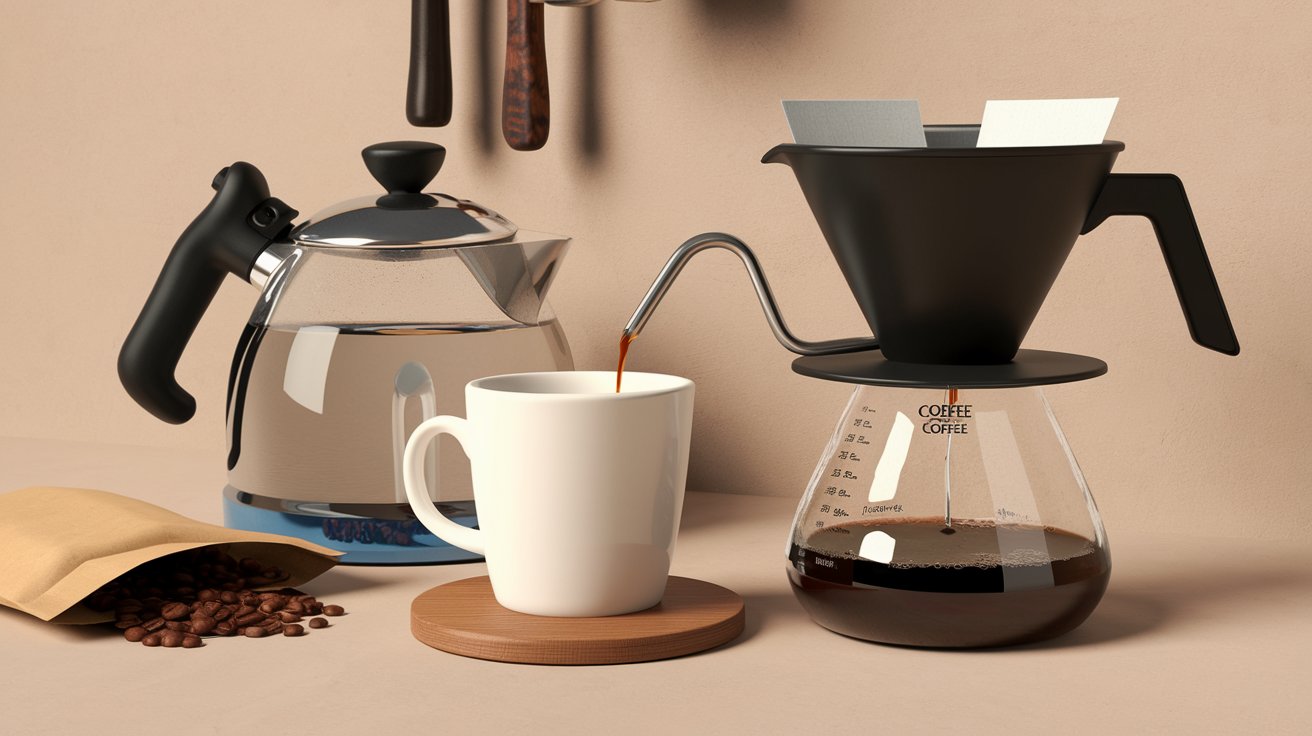
Creating excellent pour over coffee requires specific equipment and quality ingredients. The basic setup includes a pour over dripper, paper or metal filter, fresh coffee beans, a grinder, kettle, and optionally a scale for precision. In 2026, approximately 34% of American coffee enthusiasts use pour over methods at home, with the market growing 12% annually according to the Specialty Coffee Association. The initial investment ranges from $30 for basic equipment to $200 for premium setups with gooseneck kettles and digital scales.
The quality of your coffee beans significantly impacts the final result. Choose freshly roasted beans within 2-4 weeks of roasting date, preferably from single-origin sources. Medium roast coffee works exceptionally well for pour over brewing, highlighting nuanced flavors without overwhelming bitterness. Store beans in an airtight container away from light and heat to preserve freshness for optimal extraction.
Essential Equipment for Pour Over Coffee
Your pour over dripper forms the foundation of this brewing method. Popular options include the Hario V60, Chemex, Kalita Wave, and Melitta cone, each producing slightly different flavor profiles. The V60 offers maximum control with its large opening and spiral ribs, while the Kalita Wave provides more consistent extraction with its flat bottom and three drainage holes. Ceramic drippers maintain temperature better than plastic versions, though both work effectively for beginners.
A gooseneck kettle provides essential control over water flow and pouring precision. Electric gooseneck kettles with temperature control, priced between $50-$150 in 2026, allow you to heat water to the optimal 195-205°F range. For pour over coffee without a scale, you can estimate measurements, but a digital scale accurate to 0.1 grams ensures repeatable results. Quality burr grinders produce uniform particle size, crucial for even extraction and balanced flavor in your cup.
Choosing the Right Coffee Filter
Paper filters remain the most popular choice for pour over coffee, producing clean cups with bright acidity. Bleached white filters require no rinsing for taste, while natural brown filters need pre-wetting to remove papery flavors. In 2026, compostable and sustainably sourced filters dominate the market, with brands offering bamboo and hemp alternatives. Paper filters cost approximately $0.10-$0.25 per use depending on size and quality.
Metal filters provide a reusable, eco-friendly option for making pour over coffee with a metal filter. These permanent filters allow more oils and fine particles through, creating fuller body and richer mouthfeel compared to paper. Stainless steel mesh filters require thorough cleaning after each use but eliminate ongoing costs. Some coffee enthusiasts prefer cloth filters, which offer characteristics between paper and metal, though they require more maintenance and replacement every 3-6 months with regular use.
The Perfect Pour Over Coffee Ratio
The standard coffee to water ratio for pour over is 1:16, meaning 1 gram of coffee for every 16 grams of water. This ratio produces a balanced, medium-strength cup that highlights flavor complexity without overwhelming bitterness. For a typical 12-ounce serving, use 21 grams of coffee with 336 grams of water. Adjusting this ratio allows customization: use 1:15 for stronger coffee or 1:17 for a lighter, more delicate cup. In 2026, precision brewing has become standard among American coffee enthusiasts, with 68% using scales for consistent results.
Understanding how many scoops of coffee translates to grams helps when brewing without a scale. One standard coffee scoop holds approximately 10 grams of medium-ground coffee, though this varies by grind size and scoop design. For pour over coffee for one person, two level scoops (20 grams) with 320 grams of water produces an excellent 11-ounce cup. Consistency matters more than perfection when starting out, so measure your preferred strength and replicate those proportions until you develop intuition for adjustments.
Step-by-Step Pour Over Coffee Instructions
Begin by heating filtered water to 195-205°F, the optimal temperature range for extracting desirable compounds without bitterness. While water heats, weigh 21 grams of whole bean coffee for a 12-ounce cup. Grind beans to medium-coarse consistency, similar to sea salt texture. The grind size significantly affects extraction time and flavor: too fine causes over-extraction and bitterness, while too coarse results in weak, sour coffee. Place your paper filter in the dripper and rinse with hot water to remove papery taste and preheat the vessel.
Discard rinse water, add ground coffee to the filter, and create a small well in the center. Start your timer and begin the bloom phase by pouring 40-50 grams of water over the grounds, ensuring all coffee is saturated. The bloom releases carbon dioxide and takes 30-45 seconds. After blooming, pour water in slow, steady circular motions from center outward, maintaining consistent water level. Complete your pour by 2:30-3:00 minutes for optimal extraction. Total brew time should reach 3:00-4:00 minutes for balanced flavor using this pour over method.
The Bloom Phase Explained
The bloom represents the most critical phase in making pour over coffee, where carbon dioxide escapes from freshly roasted beans. Pour twice the coffee weight in water (42 grams water for 21 grams coffee) in gentle circular motions, ensuring complete saturation. Fresh coffee produces visible bubbling and expansion during bloom, while stale coffee shows minimal activity. This 30-45 second phase prepares grounds for even extraction by degassing, allowing water to access coffee solubles more effectively in subsequent pours.
Proper blooming technique directly impacts final cup quality by preventing channeling, where water finds easy paths through grounds instead of extracting evenly. Stir grounds gently with a spoon after initial water addition if needed to ensure no dry pockets remain. The bloom phase accounts for approximately 15% of total brew time but influences 40% of final flavor development. In 2026 research, properly bloomed pour over coffee showed 23% improvement in extraction uniformity compared to skipping this essential step.
Mastering the Pour Technique
After blooming, execute the main pour in 3-4 intervals, adding 80-100 grams of water each time. Pour in steady spiral motions starting from center and moving outward to within half-inch of filter edge, then spiraling back to center. Maintain water level 1-2 inches from rim throughout brewing. Consistent pour rate ensures even extraction, with total water addition (after bloom) taking 2-2.5 minutes. Avoid pouring directly on filter or creating turbulence that disturbs the coffee bed.
The final drawdown phase, when water drains through grounds after your last pour, should complete by 3:30-4:00 total brew time. A flat, even coffee bed indicates proper technique, while sloped or uneven beds suggest inconsistent pouring. Advanced practitioners adjust pour speed and height based on visual cues: if water drains too quickly, pour more slowly or lower your kettle; if drainage stalls, pour faster or raise your gooseneck kettle slightly. Temperature maintenance matters throughout brewing, so work efficiently to prevent significant heat loss.
Pour Over Coffee for Beginners: Common Mistakes
New pour over coffee enthusiasts frequently use water that’s too hot or too cold, dramatically affecting extraction. Water above 205°F extracts excessive bitterness, while temperatures below 195°F produce sour, under-extracted coffee. Without a temperature-controlled kettle, boil water then wait 30-45 seconds before pouring to reach the optimal range. Another common error involves incorrect grind size: using regular coffee ground for drip machines often works, but pre-ground coffee typically sits too fine for pour over, causing over-extraction and bitter flavors.
Pouring too quickly represents the most frequent beginner mistake in pour over brewing. Rushing the process by adding all water at once prevents proper extraction and creates channeling. The opposite problem, pouring too slowly, allows coffee bed temperature to drop significantly, resulting in uneven extraction. Practice consistent pour rate using 3-4 intervals over 2-3 minutes. Many beginners also neglect filter rinsing, allowing papery flavors to contaminate their coffee. Always rinse paper filters with at least 100 grams of hot water before adding grounds.
Troubleshooting Weak or Bitter Coffee
Weak, watery pour over coffee indicates under-extraction from several possible causes. Coarse grind size, insufficient brew time, or low water temperature prevent adequate flavor extraction. Adjust one variable at a time: first try a slightly finer grind, then increase water temperature if needed, and finally extend total brew time by pouring more slowly. Using the correct coffee ratio also matters—weak coffee often results from too much water for the amount of grounds used.
Bitter, harsh coffee signals over-extraction or poor quality beans. If your coffee tastes bitter, first evaluate bean freshness and roast quality. Assuming quality beans, adjust grind coarser, lower water temperature, or shorten brew time. Over-extraction also occurs when agitating grounds too vigorously or allowing brew time to exceed 4:30 minutes. Bitterness combined with sourness suggests uneven extraction: focus on improving pour technique for better consistency. The 2026 standard recommends tracking your adjustments to identify patterns and achieve repeatable results.
Making Pour Over Coffee Without a Scale
While scales provide precision, you can make excellent pour over coffee without a scale using volumetric measurements and visual cues. Use two level tablespoons (approximately 20 grams) of ground coffee per 10-11 ounces of water. Fill your kettle to a marked line or measure water in a liquid measuring cup before heating. The bloom should use approximately 3 tablespoons of water, enough to saturate all grounds. Time each phase carefully: 30-45 seconds for bloom, then complete pouring by 3 minutes.
Develop consistency by using the same coffee scoop, grinder setting, and measuring cup each time. Mark your favorite water line on the kettle with tape for quick reference. Visual indicators help without scales: proper bloom creates 1-1.5 inches of expansion, and water level during pouring should stay 1-2 inches below rim. Many successful home brewers achieve excellent results without scales by establishing and maintaining consistent routines. However, purchasing an inexpensive digital scale (starting at $15 in 2026) dramatically improves consistency and allows easy experimentation with different ratios.
Advanced Pour Over Techniques
Advanced pour over coffee brewing incorporates pulse pouring, where you add water in 5-7 smaller increments rather than 3-4 larger pours. This technique provides greater control over extraction and works particularly well with light roast beans requiring extended contact time. Each pulse adds 40-60 grams of water, allowing brief drainage between additions. Pulse pouring extends total brew time to 4-5 minutes while maintaining optimal temperature, producing complex flavor profiles with enhanced sweetness and clarity.
The Rao method, developed by coffee expert Scott Rao, emphasizes aggressive agitation during bloom followed by minimal disturbance during main pours. After blooming with a gentle stir, pour continuously in tight circles, maintaining water level without aggressive spiraling. This approach reduces channeling and improves extraction uniformity. Another advanced technique involves adjusting water temperature throughout brewing: start slightly hotter (203-205°F) for bloom, then lower to 195-198°F for main pours. Temperature stepping extracts different compounds at optimal rates, producing multidimensional cups that highlight coffee bean complexity.
Experimenting with Different Coffee Origins
Different coffee origins respond uniquely to pour over brewing, requiring slight technique adjustments. Ethiopian coffees with bright, fruity notes benefit from slightly coarser grinds and lower temperatures (195-200°F) to preserve delicate flavors. Colombian and Central American coffees, offering balanced profiles, work excellently with standard techniques. Indonesian coffees with earthy, full-bodied characteristics prefer finer grinds and higher temperatures (200-205°F) for complete extraction of heavier compounds.
Light roast coffees generally require finer grinds and slightly higher temperatures compared to dark roasts when using pour over methods. The lighter development allows denser bean structure, requiring more aggressive extraction. Conversely, dark roasts extract easily and taste best with coarser grinds and lower temperatures to avoid bitter over-extraction. In 2026, approximately 47% of American specialty coffee consumers prefer light to medium roasts for pour over brewing, according to National Coffee Association data. Experiment with different origins and roast levels using your established baseline technique, then make small adjustments to optimize each coffee’s unique characteristics.
Water Quality and Composition
Water comprises 98% of pour over coffee, making quality crucial for optimal flavor. Municipal tap water in many US cities contains chlorine, minerals, and contaminants that negatively impact taste. Use filtered water or bottled spring water with balanced mineral content for best results. The Specialty Coffee Association recommends water with 150 parts per million total dissolved solids, including calcium and magnesium for proper extraction and sodium for balanced flavor enhancement.
Distilled or reverse osmosis water lacks minerals necessary for extracting coffee solubles effectively, producing flat, lifeless cups. If using RO water, add mineral packets designed for coffee brewing, available from specialty retailers for approximately $15-25 in 2026. Hard water with excessive minerals creates scale buildup in kettles and alters extraction chemistry. Test your water using inexpensive TDS meters (total dissolved solids) to ensure optimal composition. The ideal water pH ranges from 6.5-7.5, slightly acidic to neutral, supporting proper extraction without introducing off-flavors to your carefully brewed pour over coffee.
Making Pour Over Coffee With Different Filters
Switching between filter types dramatically changes pour over coffee characteristics while using identical beans and techniques. Paper filters create clean cups with bright acidity and tea-like clarity by trapping oils and fine particles. White bleached filters from quality manufacturers require minimal rinsing, while natural brown filters need thorough pre-wetting to avoid papery tastes. Thicker filters like those used with Chemex produce even cleaner cups but require coarser grinds and extended brew times due to slower flow rates.
Metal filters allow coffee oils and fine particles through, producing fuller body and richer mouthfeel similar to French press but with more clarity. These permanent filters work best with slightly coarser grinds to prevent sediment over-accumulation in your cup. Clean metal filters thoroughly after each use with hot water and brush, deep cleaning weekly with coffee-specific detergent to prevent oil buildup. Making pour over coffee with metal filter reduces waste and operational costs while offering distinct flavor profiles preferred by those enjoying fuller-bodied coffee with more texture.
Using Cloth Filters for Pour Over
Cloth filters represent a middle ground between paper and metal, producing coffee with moderate body and good clarity. These reusable filters made from cotton or hemp require initial boiling before first use and thorough rinsing after each brewing session. Store cloth filters in water in the refrigerator between uses, changing water daily to prevent mold and off-flavors. Cloth filters typically last 3-6 months with proper care, costing $8-15 each in 2026, making them economically viable for daily brewers.
The main advantage of cloth filters involves their ability to retain desirable oils while filtering fine particles that create muddiness. This produces pour over coffee with sweet, smooth characteristics and pleasant mouthfeel. However, cloth filters demand more maintenance than alternatives and gradually accumulate oils that affect flavor. Deep clean weekly by boiling in fresh water for 10 minutes, replacing when fabric shows significant staining or develops persistent odors. Despite maintenance requirements, many coffee enthusiasts prefer cloth filters for their unique contribution to flavor profile and sustainable, low-waste brewing approach.
Making Pour Over Coffee Without Filter
While unconventional, you can make pour over coffee without filter using alternative materials in emergency situations. A clean kitchen towel, paper towel, or cheesecloth can substitute for proper filters, though results vary significantly. Dampen and fold paper towels 2-3 times for adequate strength, ensuring no tears exist before adding grounds. Kitchen towels work better than paper towels but must be unbleached and free from fabric softener or detergent residues that contaminate coffee flavor.
The cowboy method involves adding coarse grounds directly to hot water, allowing steeping for 4 minutes, then carefully pouring to leave sediment behind. While not traditional pour over coffee, this filterless approach produces drinkable results when proper equipment is unavailable. Add 2 tablespoons cold water after brewing to help settle grounds before pouring. Alternatively, create a makeshift filter by poking small holes in aluminum foil, though this method produces inconsistent results. These emergency techniques help in a pinch, but investing in proper filters ensures consistent quality and flavor. Paper filters cost mere pennies per use, making them worthwhile for regular pour over brewing.
Selecting the Best Pour Over Coffee Maker
The ideal pour over coffee maker depends on your priorities: ease of use, flavor control, capacity, and aesthetics. The Hario V60 offers maximum control with its large drainage hole and spiral ribs, making it the choice for enthusiasts who enjoy experimenting with technique. Available in ceramic, glass, plastic, and metal, V60 brewers range from $8-40 in 2026. The cone shape requires more skill but rewards proper technique with exceptional clarity and complexity.
Chemex brewers combine functionality with iconic hourglass design, using thick proprietary filters that produce remarkably clean coffee. These glass vessels serve as attractive carafes for serving, available in 3-10 cup sizes ($40-60). Kalita Wave brewers feature flat bottoms with three drainage holes, promoting even extraction with more forgiving technique requirements. The Wave’s design reduces channeling, making it ideal for pour over coffee for beginners. Other options include the Clever Dripper combining immersion and pour over characteristics, and traditional Melitta cone drippers offering simplicity and consistent results at budget-friendly prices.
Electric Pour Over Coffee Makers
Automatic pour over coffee makers replicate manual techniques with programmed precision, offering consistency without hands-on involvement. The Ratio Eight and Breville Precision Brewer, priced $400-600 in 2026, feature precise temperature control, programmed bloom phases, and pulsed pouring that mimics expert technique. These machines suit busy households wanting specialty coffee quality without morning complexity. However, they eliminate the meditative, hands-on aspect many enthusiasts enjoy about manual brewing.
Mid-range automatic brewers from Bonavita and Technivorm ($200-350) offer Specialty Coffee Association certification, ensuring optimal brewing parameters. These machines provide excellent value for households brewing multiple cups daily. When selecting electric pour over coffee makers, prioritize temperature stability, even water distribution, and appropriate brew basket design. Quality automatic brewers produce coffee rivaling manual methods, though they limit experimentation and technique refinement. The 2026 trend shows 28% of American pour over drinkers use automatic machines for weekday convenience while maintaining manual equipment for weekend brewing enjoyment.
Health Benefits and Considerations
Pour over coffee offers health advantages beyond the caffeine boost. Studies throughout 2024-2026 confirm that moderate coffee consumption (3-5 cups daily) associates with reduced risks of type 2 diabetes, Parkinson’s disease, and certain cancers. Pour over coffee contains higher antioxidant levels compared to other brewing methods due to optimal extraction temperatures and contact time. These antioxidants, including chlorogenic acid and caffeic acid, combat cellular damage and inflammation when consumed as part of balanced diets.
The anti-inflammatory properties of coffee come from polyphenols and hydrocinnamic acids extracted during brewing. To maximize anti-inflammatory benefits, choose light to medium roast beans, as darker roasts degrade beneficial compounds. Paper filters remove cafestol and kahweol, compounds that can raise LDL cholesterol in susceptible individuals, making filtered pour over coffee heart-healthier than unfiltered methods like French press. However, metal filters allow these compounds through, potentially affecting cholesterol levels with heavy consumption. Moderate intake of properly brewed pour over coffee contributes positively to overall health for most individuals.
Related video about how to make pour over coffee
This video complements the article information with a practical visual demonstration.
Essential Q&A about how to make pour over coffee
What is the ratio for pour over coffee?
The standard pour over coffee ratio is 1:16, meaning 1 gram of coffee for every 16 grams of water. For a typical 12-ounce cup, use 21 grams of coffee with 336 grams of water. This ratio produces balanced, medium-strength coffee that highlights flavor complexity. You can adjust to 1:15 for stronger coffee or 1:17 for lighter brew according to personal preference. Using a digital scale ensures consistency and allows easy experimentation with different ratios.
How many scoops of coffee do you use for a pour over?
Use approximately 2 level tablespoons or scoops of ground coffee for a 10-12 ounce cup of pour over coffee. One standard coffee scoop holds about 10 grams of medium-ground coffee, so two scoops provide the recommended 20-21 grams. For multiple cups, add one scoop per additional 6 ounces of water. Keep in mind that scoop sizes vary, so establishing consistency with your specific equipment matters more than exact measurements when brewing without a scale.
Can I use regular coffee for pour over?
Yes, you can use regular coffee for pour over, though freshly ground beans produce superior results. Pre-ground supermarket coffee works if ground to medium-coarse consistency similar to sea salt. However, ground coffee loses flavor rapidly after opening, so use within one week and store in an airtight container. For best results, purchase whole bean coffee and grind immediately before brewing. Medium roast coffee works exceptionally well for pour over, highlighting nuanced flavors without overwhelming bitterness.
How do you make pour over coffee without a scale?
To make pour over coffee without a scale, use two level tablespoons of ground coffee per 10-11 ounces of water. Measure water in a liquid measuring cup before heating, or mark your preferred level on your kettle. For the bloom phase, use approximately 3 tablespoons of water to saturate grounds. Time each phase carefully: 30-45 seconds for bloom, then complete pouring by 3 minutes with total brew time reaching 3:30-4:00 minutes. Consistency with measurements and timing produces excellent results even without precise gram measurements.
What is the best pour over coffee maker for beginners?
The Kalita Wave represents the best pour over coffee maker for beginners due to its forgiving flat-bottom design with three drainage holes that promote even extraction. The Wave reduces common beginner mistakes like channeling and uneven saturation. Alternatively, the Melitta cone dripper offers simplicity and consistent results at budget-friendly prices under $10. Both options produce excellent coffee while you develop proper technique. As skills improve, you can progress to the Hario V60 for greater control and experimentation with advanced pouring techniques.
How long should pour over coffee take?
Total pour over coffee brew time should take 3:00-4:00 minutes from first water contact to final drip. This includes a 30-45 second bloom phase, followed by 2:00-2:30 minutes of pouring in 3-4 intervals, and concluding with a drawdown phase. If brewing completes faster than 3 minutes, your grind is likely too coarse; if it exceeds 4:30 minutes, the grind is probably too fine. Consistent timing with proper technique ensures optimal extraction and balanced flavor in every cup.
| Brewing Aspect | Optimal Parameters | Impact on Flavor |
|---|---|---|
| Coffee Ratio | 1:16 (21g coffee to 336g water) | Balanced strength with clarity |
| Water Temperature | 195-205°F | Optimal extraction without bitterness |
| Grind Size | Medium-coarse (sea salt texture) | Even extraction and proper flow rate |
| Bloom Time | 30-45 seconds | Degassing for uniform extraction |
| Total Brew Time | 3:00-4:00 minutes | Complete flavor development |
| Bean Freshness | 2-4 weeks from roasting | Maximum flavor complexity |