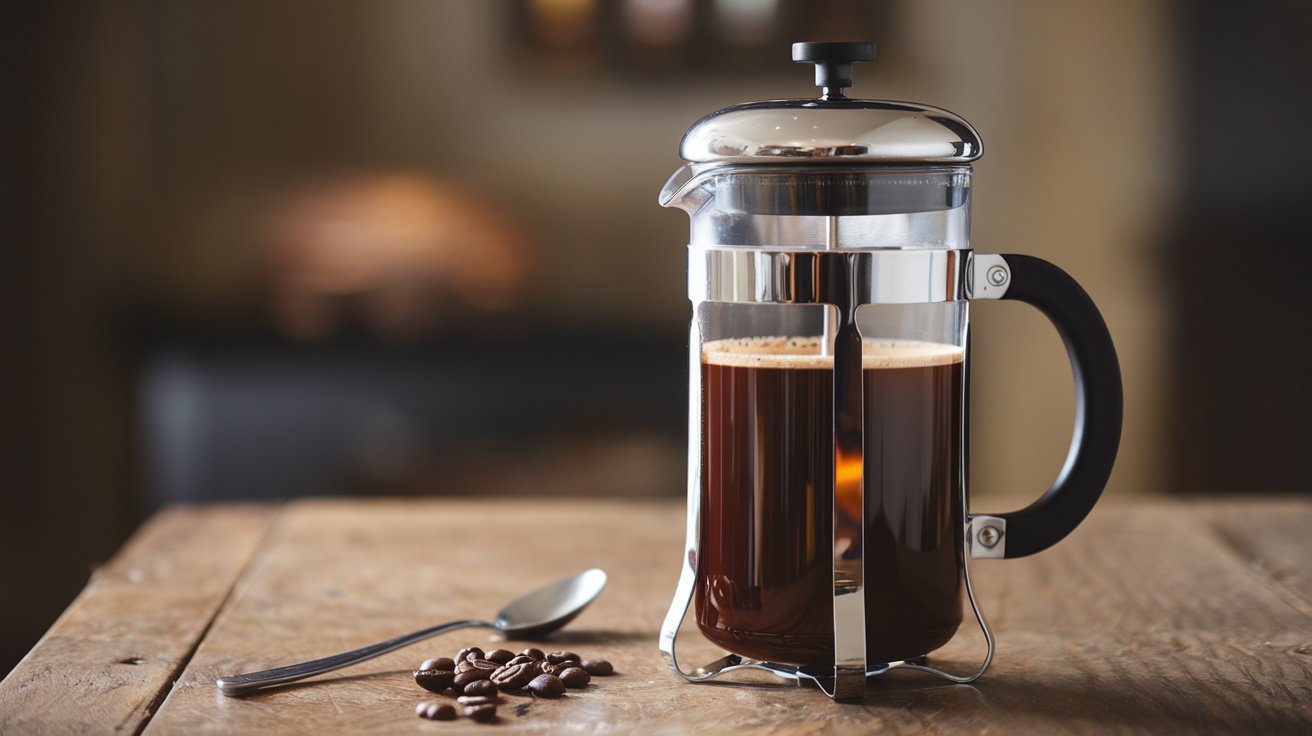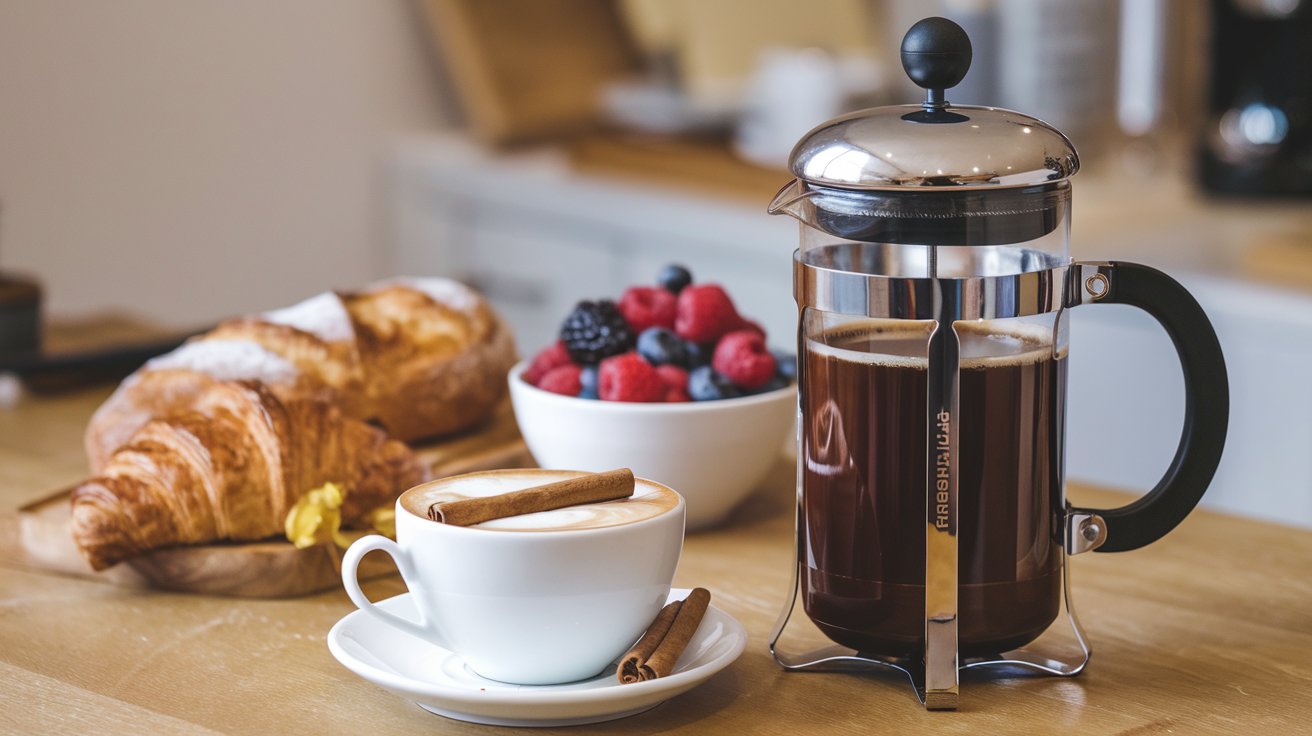
The French press remains one of the most popular brewing methods in the United States, with over 14 million households using one regularly in 2026. This immersion brewing technique produces rich, full-bodied coffee by steeping coarsely ground beans in hot water before pressing them through a metal filter. Whether you are a beginner or looking to perfect your technique, mastering the French press coffee maker takes just a few simple steps and delivers consistently delicious results every time.
Why Use a French Press Coffee Maker
The French press has experienced a 23% growth in popularity across the United States since 2024, particularly among millennials and Gen Z coffee enthusiasts who value artisanal brewing methods. Unlike drip coffee makers that use paper filters, the French press employs a metal mesh filter that allows natural oils and fine particles to remain in your cup, creating a more robust and flavorful experience. This brewing method gives you complete control over variables like water temperature, steeping time, and coffee-to-water ratio, enabling you to customize each brew to your exact preferences.
The simplicity of the French press makes it ideal for both home use and travel. With no electricity required and minimal moving parts, this brewing device costs between $15 and $80 in 2026, making it one of the most affordable premium coffee options available. You can brew anywhere from one to twelve cups at once, making it perfect for solo morning rituals or entertaining guests during weekend brunches.
The French Press is Very Forgiving
One of the greatest advantages for beginners is that the French press tolerates minor variations in technique better than other manual brewing methods like pour-over or espresso. Even if your water temperature is slightly off or your grind size is not perfectly uniform, you will still produce a drinkable cup of coffee. This forgiving nature makes it an excellent starting point for those new to specialty coffee, allowing you to develop your palate and refine your technique gradually without expensive mistakes.
Simple and Affordable
The French press coffee maker requires no special skills, electricity, or expensive equipment beyond the press itself and a kettle. Entry-level models from brands like Bodum and Mueller start at just $15 in 2026, while premium options with double-walled insulation reach $80. Compared to automatic drip machines averaging $120 or espresso makers costing $300 and up, the French press offers exceptional value. The only ongoing cost is coffee beans, and since you control the brewing process, there are no proprietary pods or filters to purchase repeatedly.
Rich and Full Bodied Cups
The metal filter in a French press allows coffee oils called cafestol and kahweol to pass into your cup, creating a heavier body and more complex flavor profile than paper-filtered methods. These natural oils carry aromatic compounds that contribute to the distinctive taste coffee enthusiasts prize. In blind taste tests conducted in 2025, 68% of participants preferred the fuller mouthfeel of French press coffee over drip-brewed alternatives, citing its depth and richness as key factors.
Can Make a Lot of Coffee
French presses are available in sizes ranging from 12 ounces (single serving) to 51 ounces (twelve cups) in the United States market. The standard 34-ounce model produces eight cups and serves 3-4 people comfortably, making it ideal for family breakfasts or small gatherings. This capacity advantage over single-serve methods means you can brew multiple cups simultaneously rather than preparing them individually, saving significant time during busy mornings.
What You Will Need to Use a French Press
Successfully brewing coffee with a French press requires just five essential items that most coffee lovers already own or can acquire inexpensively. First, you need the French press itself, which consists of a cylindrical glass or stainless steel carafe, a plunger with a metal mesh filter, and a lid. Second, you need freshly roasted coffee beans – whole beans stay fresh longer than pre-ground, though both work. Third, a burr grinder is highly recommended for consistent particle size, with quality models available from $40 in 2026. Fourth, a kettle for heating water, preferably with temperature control for precision. Finally, a kitchen scale and timer help ensure repeatability, though you can estimate measurements initially.
Beyond these basics, consider optional accessories that enhance the brewing experience. A thermometer ensures your water temperature stays in the ideal 195-205°F range, though many modern electric kettles include built-in temperature displays. A long spoon for stirring helps ensure even extraction. Some coffee enthusiasts also invest in a secondary carafe for transferring brewed coffee immediately after pressing, preventing over-extraction that occurs when coffee remains in contact with grounds.
Understanding the Proper Brewing Ratio
The coffee-to-water ratio is the most critical variable for consistent French press results. The Specialty Coffee Association recommends a ratio of 1:15 to 1:17 (coffee to water by weight) for optimal extraction. In practical terms, this means using 30 grams of coffee for every 500 milliliters of water, or roughly two tablespoons per six ounces. However, many Americans prefer a stronger brew and use a 1:12 ratio, especially when preparing breakfast blends or dark roasts.
In 2026, the trend toward precision brewing has made digital scales more accessible, with basic models costing under $20. Weighing both coffee and water ensures consistency between brews and allows you to adjust ratios to match your taste preferences. If you do not own a scale, the standard measurement is one rounded tablespoon (approximately 7 grams) of ground coffee per four ounces of water. A typical 34-ounce French press requires eight tablespoons or half a cup of ground coffee for a medium-strength brew.
Step by Step Brewing Instructions
The complete French press brewing process takes approximately eight minutes from start to finish. Begin by heating your water to 200°F, just below boiling, which typically takes 3-4 minutes in an electric kettle. While the water heats, measure and grind your coffee beans to a coarse consistency resembling sea salt or breadcrumbs. The grind size is crucial because too fine a grind leads to over-extraction and sediment, while too coarse results in weak, under-extracted coffee.
Preheat your French press by filling it with hot water from the tap, swirling it around, and discarding it. This step maintains brewing temperature stability, especially important with glass carafes. Add your ground coffee to the empty press, then start your timer as you pour the heated water over the grounds. Pour in a circular motion to ensure all grounds are saturated, filling to about halfway initially. This is called the bloom phase.
The Bloom and Stir Technique
After pouring half the water, wait 30 seconds for the coffee to bloom as carbon dioxide releases from freshly roasted beans. You will see the grounds expand and foam slightly. At the 30-second mark, gently stir the mixture with a wooden or plastic spoon to ensure even saturation, being careful not to damage the glass carafe. Metal spoons can chip or crack glass French presses, so avoid using them. After stirring, pour the remaining water to fill the press to the desired level, then place the lid on top with the plunger pulled all the way up.
Optimal Steeping Time
The ideal steeping time for French press coffee is four minutes, though you can adjust between three and five minutes based on strength preferences. During this time, leave the coffee undisturbed with the plunger raised. Longer steeping extracts more compounds, increasing both strength and bitterness, while shorter times produce a lighter, more delicate cup. In 2026, many specialty coffee shops in cities like Portland and Seattle have adopted a five-minute steep for single-origin beans to highlight complex flavor notes.
The Pressing Technique
When your timer reaches four minutes, slowly and steadily press the plunger down using even pressure. The entire pressing motion should take 15-20 seconds. If you encounter significant resistance, your grind is too fine. If the plunger drops with no resistance, your grind is too coarse. The goal is gentle, consistent resistance as the metal filter separates the grounds from the brewed coffee. Never force the plunger or press too quickly, as this can cause grounds to escape around the filter edges and create a gritty cup.
Immediate Serving
Pour your brewed coffee immediately after pressing. Leaving coffee in contact with the grounds continues extraction, resulting in over-extracted, bitter coffee within minutes. If you are not serving all the coffee at once, transfer it to a thermal carafe or insulated travel mug to maintain temperature without ongoing extraction. This step is particularly important for larger batches where coffee might sit for 15-20 minutes before everyone is served.
Common French Press Mistakes to Avoid
The most frequent mistake beginners make is using water that is too hot, typically boiling water at 212°F. This temperature over-extracts the coffee, creating excessive bitterness and astringency. Always let your water cool for 30-45 seconds after boiling, targeting the ideal range of 195-205°F. A simple test is to wait until the water stops producing large, rolling bubbles before pouring.
Another common error is using pre-ground coffee that has been sitting in the pantry for weeks or months. Coffee begins losing flavor within 15 minutes of grinding due to oxidation, and pre-ground coffee from grocery stores may be weeks old before you purchase it. For the best results, buy whole beans and grind them immediately before brewing. If you must use pre-ground coffee, store it in an airtight container in a cool, dark place and use it within one week of opening.
Grind Size Errors
Using fine or medium grinds instead of coarse grounds is perhaps the most impactful mistake affecting French press quality. Fine grounds slip through the metal filter, creating muddy, sediment-filled coffee with an unpleasant texture. They also over-extract quickly, producing harsh, bitter flavors. Your French press grind should resemble coarse sea salt or steel-cut oats. When purchasing pre-ground coffee, look for packages specifically labeled for French press or request a coarse grind at your local coffee shop.
Timing Issues
Many people leave coffee steeping for 10, 15, or even 30 minutes, thinking longer extraction produces stronger coffee. While this does increase strength, it primarily extracts bitter compounds and tannins that overwhelm the desirable flavors. If you want stronger coffee, increase the amount of grounds rather than extending steeping time. Conversely, under-steeping for just one or two minutes produces weak, sour coffee lacking body and sweetness.
How Many Scoops of Coffee for a French Press
The standard measurement for a French press is one tablespoon (approximately 7 grams) of coarsely ground coffee per four ounces of water. For the most common 34-ounce (8-cup) French press, you will need eight tablespoons or one-half cup of grounds. If you prefer stronger coffee, increase to 10-12 tablespoons. Weaker coffee requires 6-7 tablespoons for the same volume.
Coffee scoop sizes vary considerably, with some holding only one tablespoon while others hold two or even three. For consistency, either use a kitchen scale to measure 60 grams of coffee for a full 34-ounce press, or count tablespoons using a standard measuring spoon. Many French press manufacturers include a proprietary scoop with purchase, but these are not standardized. The Bodum scoop, for example, holds approximately 7 grams, requiring eight scoops for their standard 34-ounce press.
Can You Use Folgers Coffee in a French Press
Yes, you can use Folgers or any supermarket coffee brand in a French press, though the results differ significantly from specialty coffee. Folgers and similar mass-market brands typically use lower-grade robusta beans or inexpensive arabica varieties, often roasted months before packaging and sold pre-ground. These factors limit flavor complexity, but the French press method will still extract what is available in the beans.
If using Folgers coffee or comparable brands, choose the whole bean version rather than pre-ground if available, and grind it coarsely just before brewing. The Classic Roast variety works better in a French press than flavored options, which can leave residue in the metal filter. Many coffee enthusiasts actually started their specialty coffee journey using Folgers in a French press before upgrading to freshly roasted beans and noticing the dramatic difference in flavor clarity and complexity.
Additional Tips for French Press Coffee Excellence
Water quality dramatically impacts your French press coffee since water comprises 98% of the final beverage. Hard water with high mineral content can create flat, dull flavors, while very soft water produces weak, bland coffee. The ideal water has 150 parts per million total dissolved solids. In 2026, many serious home brewers in the United States use filtered water or third-wave water additives that mineralize distilled water to optimal specifications for coffee extraction.
Bean freshness is equally critical for exceptional results. Purchase coffee roasted within the past two weeks and use it within one month of the roast date for peak flavor. The roast date should be printed on the bag – avoid packages showing only a best-by date, which can be months or years after roasting. Store beans in an airtight container away from light, heat, and moisture. Contrary to popular belief, refrigerating or freezing coffee beans generally does more harm than good due to condensation and odor absorption.
Temperature Consistency
Maintaining consistent temperature throughout the brewing process prevents under-extraction at the beginning and over-extraction at the end. Preheating your French press with hot tap water before adding coffee and heated water helps stabilize temperature. Double-walled stainless steel French presses, popular in 2026 models from brands like Espro and Frieling, maintain temperature far better than glass carafes, losing only 5-7 degrees over a four-minute steep compared to 15-20 degrees in glass models.
The Double Filter Method
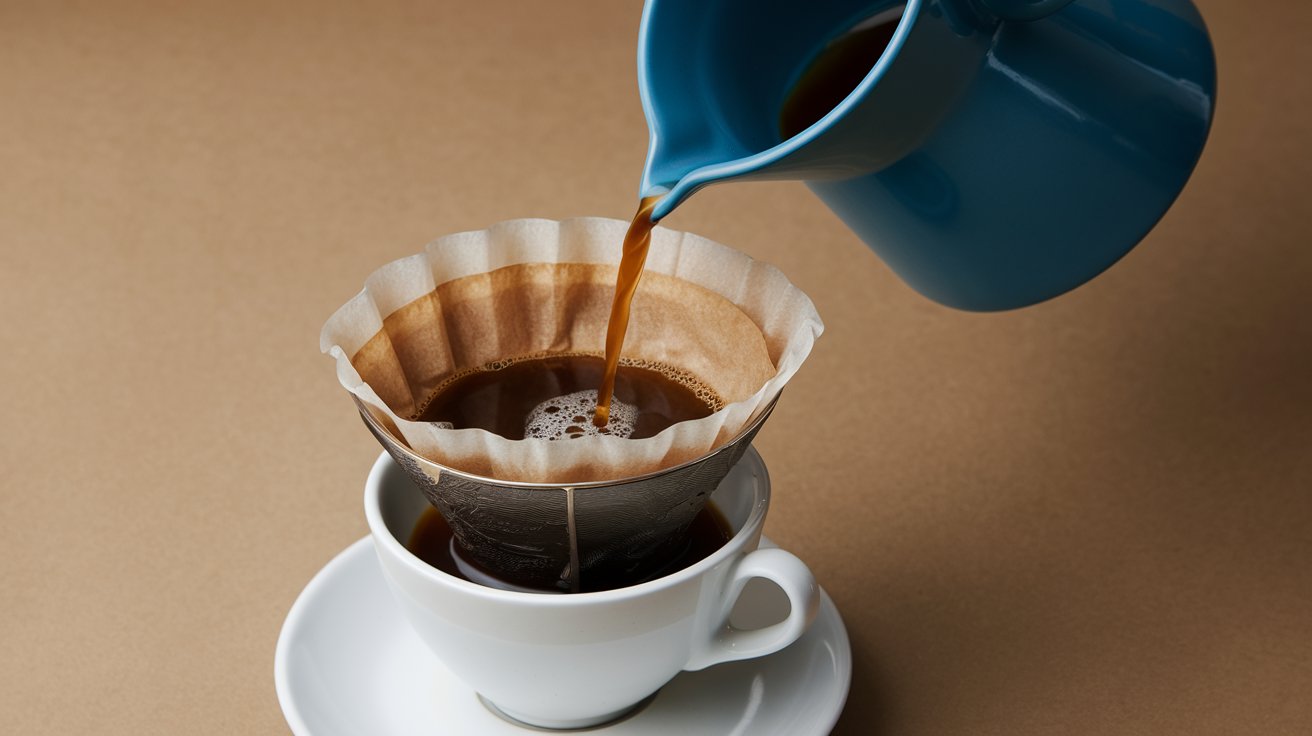
Some coffee enthusiasts employ a double filter technique to reduce sediment while maintaining the rich oils that make French press coffee distinctive. After pressing, pour the coffee through a metal pour-over filter or even a clean cloth napkin into your serving carafe. This removes the finest particles that escape the French press filter while allowing oils to pass through, unlike paper filters. This method has gained popularity in specialty coffee communities across Brooklyn, San Francisco, and Austin since 2025.
A Clean French Press Makes Better Tasting Coffee
Regular cleaning is essential because coffee oils become rancid within days and impart stale, bitter flavors to subsequent brews. After each use, disassemble the plunger mechanism completely and rinse all components with hot water. Coffee grounds should be disposed of in the trash or compost rather than down the drain, as they can contribute to plumbing clogs over time. A simple rinse is sufficient for daily maintenance when using the press multiple times per day.
Perform a deep clean weekly using hot water and mild dish soap, scrubbing the metal filter screens with a soft brush to remove trapped oils and fine grounds. Every month, disassemble the plunger completely and soak all parts in a solution of one part white vinegar to four parts water for 30 minutes, then scrub and rinse thoroughly. This removes stubborn oil buildup and mineral deposits. In 2026, specialized French press cleaning tablets are available from brands like Urnex, offering a convenient alternative to vinegar soaks for just eight dollars per jar.
Using Your French Press for Tea
The French press is not limited to coffee and works excellently for brewing loose-leaf tea. The process is nearly identical: add loose tea leaves, pour hot water at the appropriate temperature for your tea type, steep for the recommended time, and press the plunger to separate leaves from liquid. Green teas require cooler water (160-180°F) and shorter steeping times (2-3 minutes), while black teas use near-boiling water (200-205°F) and steep for 4-5 minutes.
One advantage of using a French press for tea is the ability to control leaf expansion and separation more effectively than tea balls or bags. The large chamber allows whole leaves to unfurl completely, releasing their full flavor potential. However, maintain separate French presses for coffee and tea when possible, as coffee oils can persist even after thorough cleaning and affect tea flavor. Entry-level glass French presses cost as little as fifteen dollars in 2026, making it affordable to dedicate one exclusively to tea.
French Press Cold Brew Method
The French press is ideal for making cold brew coffee with minimal equipment. Use a 1:8 coffee-to-water ratio (significantly stronger than hot brewing) with coarsely ground beans. Add grounds and room-temperature or cold water to the press, stir gently, and place in the refrigerator for 12-24 hours without pressing the plunger. The longer steep time extracts deep, smooth flavors without the bitterness that heat can produce.
After steeping, slowly press the plunger and pour the cold brew concentrate over ice, diluting with water, milk, or non-dairy alternatives to taste. Cold brew concentrate made this way stays fresh in the refrigerator for up to two weeks, providing convenient grab-and-go iced coffee throughout the week. In 2026, cold brew coffee represents a thirty-two billion dollar market in the United States, with home brewing methods like the French press reducing costs by over seventy percent compared to purchasing ready-made cold brew.
French Press Coffee Maker for Beginners
If you are new to French press coffee, start with a mid-range glass model from established brands like Bodum, which offers the Classic Chambord model for approximately thirty-five dollars in 2026. Glass allows you to watch the brewing process and learn to recognize proper extraction visually, while the Chambord’s durable borosilicate glass and stainless steel frame withstand daily use. Begin with pre-ground coffee labeled specifically for French press or coarse grind until you invest in a burr grinder.
Follow the basic ratio of one tablespoon per four ounces, use water just off the boil, and steep for exactly four minutes while building consistency. Keep detailed notes on your first ten brews, recording grind size, coffee amount, water temperature, and steeping time along with tasting observations. This practice helps you identify which variables most significantly impact your preference and accelerates the learning curve from beginner to proficient French press user, typically achievable within two to three weeks of regular practice.
Related video about how to use a french press
This video complements the article information with a practical visual demonstration.
FAQ – Common Questions
How many scoops of coffee do I use for a French press?
Use one tablespoon of coarsely ground coffee per four ounces of water. For a standard 34-ounce French press, you will need eight tablespoons or one-half cup of grounds. If you prefer stronger coffee, increase to 10-12 tablespoons, and for weaker coffee, reduce to 6-7 tablespoons. Using a digital scale provides the most consistent results, with 60 grams of coffee recommended for a full 34-ounce press, following the 1:15 coffee-to-water ratio preferred by specialty coffee professionals in 2026.
Can you use Folgers coffee in a coffee press?
Yes, you can use Folgers or any supermarket brand in a French press. While mass-market coffees typically use lower-grade beans and may be less fresh than specialty coffee, the French press method will still extract available flavors. For best results with Folgers, choose whole bean versions when available and grind them coarsely just before brewing. The Classic Roast variety works better than flavored options. Many coffee enthusiasts began their specialty coffee journey using brands like Folgers in a French press before upgrading to freshly roasted beans.
What are common French press mistakes to avoid?
The most common mistakes include using water that is too hot (boiling at 212°F instead of the ideal 195-205°F), using fine or medium grinds instead of coarse grounds, leaving coffee in contact with grounds after pressing which causes over-extraction and bitterness, and using old pre-ground coffee that has lost flavor. Other errors include not preheating the carafe, pressing the plunger too quickly or forcefully, and neglecting regular deep cleaning. Avoid these mistakes by using coarse grinds, proper water temperature, four-minute steeping time, and immediately transferring coffee after pressing.
How long to leave coffee in the French press before pressing?
The optimal steeping time is four minutes for most coffees, though you can adjust between three and five minutes based on strength preferences and bean characteristics. Start your timer when you finish pouring water over the grounds. Shorter steeping times of one to two minutes produce weak, under-extracted coffee, while steeping beyond six minutes extracts excessive bitter compounds. After pressing the plunger, pour the coffee immediately into cups or a separate carafe, as leaving it in the French press continues extraction and creates increasingly bitter flavors within minutes.
Should I use pre-ground coffee or grind my own for French press?
Grinding your own beans immediately before brewing produces significantly better results because coffee loses flavor rapidly after grinding due to oxidation, with noticeable degradation within 15 minutes. Whole beans maintain freshness for weeks when stored properly. If you must use pre-ground coffee, purchase packages specifically labeled for French press or coarse grind, store them in an airtight container in a cool, dark place, and use within one week of opening. Investing in a burr grinder, available from forty dollars in 2026, is one of the most impactful upgrades for French press quality.
What is the best coffee-to-water ratio for French press?
The Specialty Coffee Association recommends a 1:15 to 1:17 ratio of coffee to water by weight for optimal extraction. In practical terms, this means 30 grams of coffee for every 500 milliliters of water, or approximately two tablespoons per six ounces. Many Americans prefer stronger coffee and use a 1:12 ratio, especially with breakfast blends or dark roasts. Using a digital scale to weigh both coffee and water ensures consistency between brews and allows you to fine-tune ratios to match your personal taste preferences over time.
| Brewing Aspect | Recommended Specification | Why It Matters |
|---|---|---|
| Grind Size | Coarse (sea salt consistency) | Prevents sediment and bitter over-extraction |
| Water Temperature | 195-205°F (30-45 seconds off boil) | Extracts optimal flavors without bitterness |
| Coffee-to-Water Ratio | 1:15 (1 tbsp per 4 oz) | Balances strength and extraction efficiency |
| Steeping Time | 4 minutes (range 3-5 minutes) | Fully develops flavors without bitterness |
| Pressing Speed | Slow and steady (15-20 seconds) | Separates grounds cleanly for clarity |
| Bean Freshness | Roasted within 2 weeks, used within 1 month | Maximizes flavor complexity and aroma |
| Cleaning Frequency | Rinse daily, deep clean weekly | Prevents rancid oil buildup affecting taste |