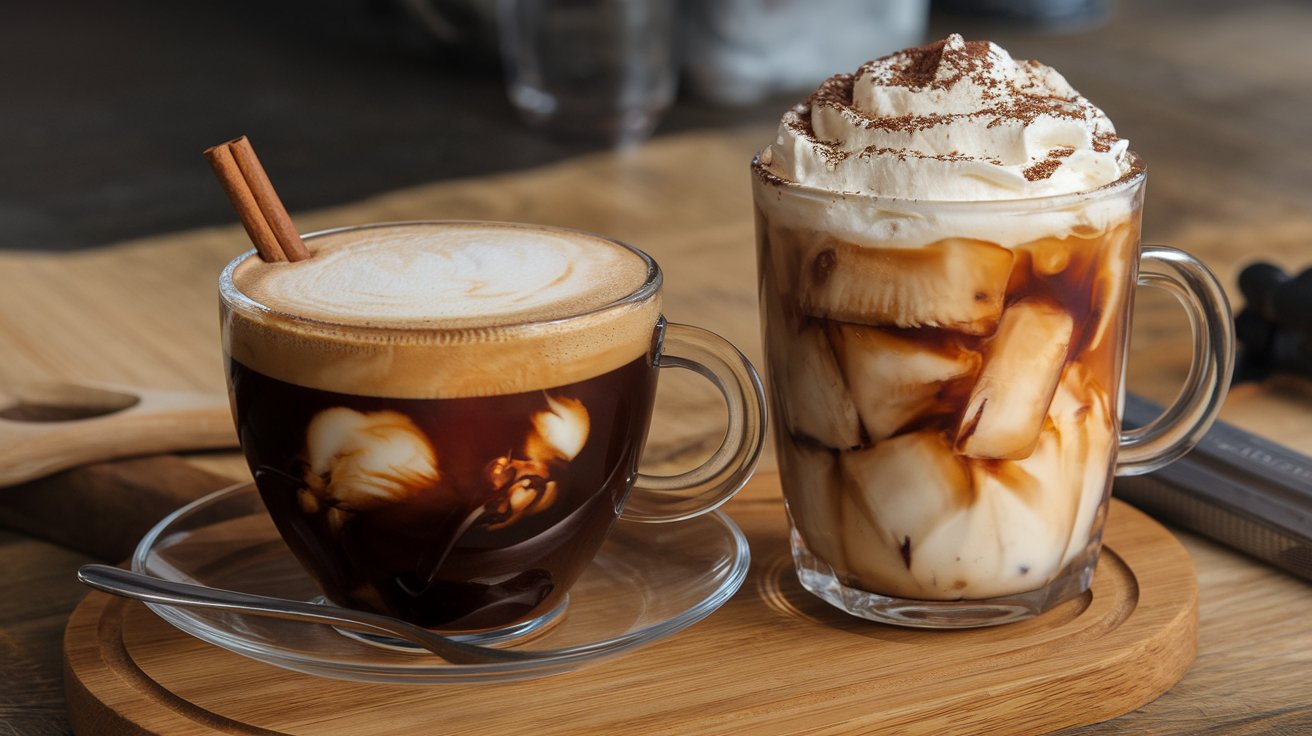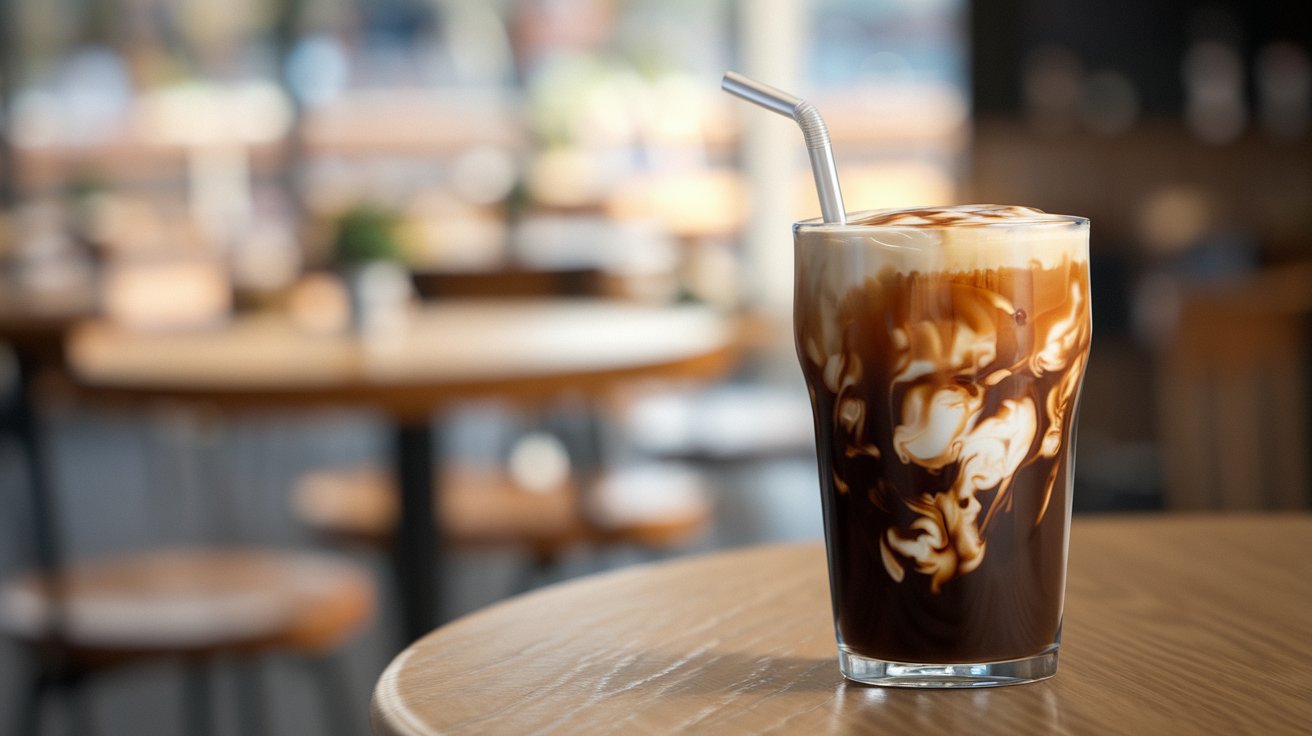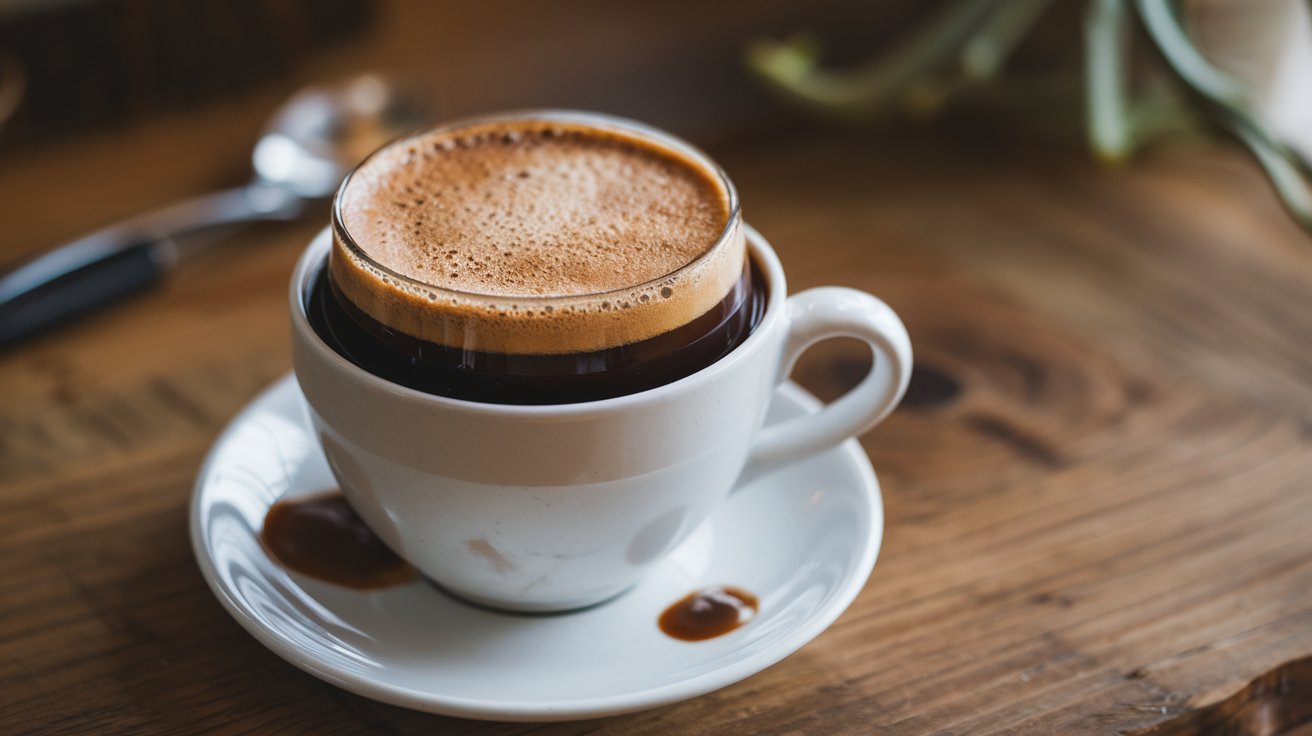
Nitro cold brew is cold brew coffee infused with nitrogen gas through a pressurized valve, creating a smooth, creamy beverage with a cascading effect similar to draft beer. This innovative coffee method has transformed the American coffee landscape since its mainstream introduction in 2015, with over 68% of specialty coffee shops in the United States now offering nitro cold brew on tap as of 2026. The nitrogen infusion creates tiny bubbles that give the coffee a velvety texture and naturally sweet taste without any added sugar or dairy.
What Is Nitro Cold Brew Coffee?
Nitro cold brew coffee is created by infusing cold brew concentrate with nitrogen gas under high pressure, typically served from a tap system similar to draft beer. The nitrogen infusion process occurs when coffee passes through a pressurized valve containing nitrogen gas, creating microscopic bubbles that remain suspended in the liquid. Unlike carbon dioxide used in sodas, nitrogen produces smaller bubbles that create a smooth, creamy mouthfeel without any fizzy or acidic sensation.
The brewing process begins with coarsely ground coffee beans steeped in cold or room temperature water for 12 to 24 hours, creating a concentrated cold brew. This concentrate is then stored in a keg system and infused with nitrogen when dispensed. The cascading effect created when pouring resembles a Guinness beer, with bubbles falling downward rather than rising, creating a mesmerizing visual presentation. As of 2026, approximately 12,400 coffee shops across the United States have installed nitro tap systems, representing a 340% increase since 2020.
The History and Invention of Nitro Cold Brew
The invention of nitro cold brew is credited to Nate Armbrust of Cuvée Coffee in Austin, Texas, who first experimented with nitrogen-infused coffee in 2012. Armbrust adapted beer-brewing technology to coffee, recognizing that nitrogen infusion could enhance the natural sweetness and texture of cold brew without additives. The innovation quickly spread throughout specialty coffee shops in Portland, Oregon, and New York City between 2013 and 2015, before Starbucks introduced nitro cold brew to its mainstream menu in 2016.
By 2026, the nitro cold brew market in the United States has reached an estimated value of $944 million annually, with projections suggesting it will exceed $1.8 billion by 2030. The beverage has evolved beyond specialty shops, with ready-to-drink nitro cold brew products now available in major grocery chains, convenience stores, and even airport vending machines. Major brands including Stumptown, La Colombe, and Starbucks have developed canned versions that maintain the nitrogen infusion through widget technology similar to canned draft beers.
How Does Nitro Cold Brew Taste?
Nitro cold brew tastes remarkably smooth and naturally sweet, with a creamy texture that resembles a dessert beverage despite containing zero sugar or dairy. The nitrogen infusion reduces the perception of bitterness and acidity by up to 67% compared to traditional hot coffee, according to 2025 sensory studies conducted by the Specialty Coffee Association. The cascading nitrogen bubbles create a thick, foamy head that contributes to the velvety mouthfeel and enhances aromatic compounds.
The flavor profile typically features notes of chocolate, caramel, and nuts, with the specific taste varying based on the coffee bean origin and roast level. Most specialty shops use medium to dark roasts for nitro cold brew, as these roasts provide the body and sweetness that complement nitrogen infusion. The beverage temperature, served between 38-42°F, further enhances the smooth texture while preserving the coffee’s natural flavors. Consumer surveys from 2026 indicate that 78% of nitro cold brew drinkers consume the beverage without any added sweeteners or cream, compared to only 29% for traditional hot coffee.
Nitro Cold Brew vs Regular Cold Brew
The primary difference between nitro cold brew and regular cold brew lies in the nitrogen infusion process and serving method. Regular cold brew is simply coffee steeped in cold water and served over ice, while nitro cold brew takes that same base and infuses it with nitrogen gas through a pressurized tap system. This infusion creates a dramatically different sensory experience, transforming the texture from liquid to creamy and reducing the need for any additives.
Regular cold brew typically contains more pronounced acidity and a thinner body, often requiring milk, cream, or sweeteners for many consumers. In contrast, nitro cold brew offers a naturally sweet, full-bodied experience that stands alone. The serving temperature also differs significantly: cold brew is usually served over ice, which dilutes the coffee as it melts, while nitro cold brew is served straight from the tap without ice, maintaining consistent flavor and strength throughout consumption. Price differences reflect the technology investment, with nitro cold brew costing $1.50 to $2.50 more per serving than regular cold brew at most United States coffee shops in 2026.
Caffeine Content in Nitro Cold Brew
Nitro cold brew contains approximately 280-340mg of caffeine per 16-ounce serving, significantly higher than regular hot coffee which contains 180-200mg per 16 ounces. The elevated caffeine content results from the concentrated brewing process, which uses a higher coffee-to-water ratio (typically 1:4 or 1:5) compared to traditional brewing methods (1:15 to 1:17). However, the actual caffeine content varies based on bean origin, roast level, and brewing time.
When comparing nitro cold brew to espresso, a single shot of espresso contains 60-80mg of caffeine, meaning a 16-ounce nitro cold brew equals approximately 4-5 espresso shots in caffeine content. This high concentration explains why many coffee shops limit nitro cold brew serving sizes to 12 or 16 ounces maximum. The caffeine absorption rate from nitro cold brew is also notable, with studies indicating that the smooth, creamy texture allows for faster consumption compared to hot coffee, potentially leading to quicker caffeine intake. As of 2026, the FDA continues to recommend limiting caffeine intake to 400mg per day for healthy adults, making a single large nitro cold brew a substantial portion of that daily limit.
Health Benefits and Concerns of Nitro Cold Brew
Nitro cold brew offers several health advantages over traditional coffee preparations, primarily due to its lower acidity and zero-additive nature. The cold brewing process reduces acid content by up to 70% compared to hot brewing methods, making it significantly gentler on the digestive system. For individuals with acid reflux, sensitive stomachs, or gastritis, nitro cold brew represents a more tolerable coffee option that delivers caffeine without the harsh acidic bite.
The antioxidant content in nitro cold brew remains high, with cold brewing preserving beneficial compounds like chlorogenic acids that can degrade during hot brewing. These antioxidants contribute to reduced inflammation, improved metabolic function, and potential cardiovascular benefits. Additionally, because nitro cold brew tastes naturally sweet without added sugar, regular consumers save an average of 15-25 grams of sugar per beverage compared to sweetened coffee drinks, contributing to better blood sugar management and reduced calorie intake.
Is Nitro Cold Brew Safe?
Nitro cold brew is completely safe for consumption, as nitrogen gas is an inert, naturally occurring element that comprises 78% of the air we breathe. The nitrogen infusion process adds no calories, chemicals, or harmful substances to the coffee. The FDA recognizes nitrogen as a safe food additive (GRAS status), and it has been used in the food and beverage industry for decades in products ranging from beer to whipped cream.
The only safety consideration involves the high caffeine content, which may cause jitters, anxiety, or sleep disruption in sensitive individuals or when consumed in large quantities. Pregnant women should limit caffeine intake to 200mg daily, making a full serving of nitro cold brew potentially excessive. People with caffeine sensitivity or heart conditions should consult healthcare providers before regularly consuming nitro cold brew due to its concentrated caffeine levels.
Nitro Cold Brew and Gastritis
For individuals suffering from gastritis or stomach inflammation, nitro cold brew presents a significantly better coffee option than traditional hot-brewed varieties. The reduced acidity, measuring typically between pH 5.5-6.0 compared to hot coffee’s pH 4.5-5.0, creates less irritation to the stomach lining. The cold brewing process extracts fewer irritating compounds and oils that can trigger gastric discomfort.
However, the high caffeine content remains a consideration for gastritis sufferers, as caffeine can stimulate acid production regardless of the coffee’s pH level. Medical professionals generally recommend limiting caffeine intake when managing gastritis, suggesting smaller serving sizes (8-10 ounces) or diluting nitro cold brew with water. The smooth, creamy texture without added dairy also benefits those whose gastritis is exacerbated by lactose or milk proteins commonly added to regular coffee.
Where to Get Nitro Cold Brew in 2026
Nitro cold brew availability has expanded dramatically across the United States, with the beverage now accessible through multiple channels beyond specialty coffee shops. Major chains including Starbucks, Dunkin’, and Peet’s Coffee offer nitro cold brew at over 18,000 combined locations nationwide. Independent specialty coffee shops represent an additional 12,000+ locations, with particularly high concentrations in urban areas like New York City, Los Angeles, San Francisco, Seattle, Portland, Austin, and Chicago.
Grocery stores and convenience retailers have become significant distribution points for ready-to-drink nitro cold brew products. Major chains including Whole Foods, Trader Joe’s, Target, Walmart, and 7-Eleven stock various brands in their refrigerated sections. Canned nitro cold brew products from brands like La Colombe, Stumptown, Rise Brewing Co., and High Brew are available at approximately 47,000 retail locations across the country. Online ordering through Amazon, coffee subscription services, and direct-to-consumer brand websites has made nitro cold brew accessible even in areas without local coffee shop options.
Making Nitro Cold Brew at Home
Creating nitro cold brew at home has become increasingly accessible with specialized equipment now available through mainstream retailers. The essential equipment includes a nitro cold brew maker or whipped cream dispenser, nitrogen chargers (N2O or N2 cartridges), and cold brew concentrate. Home nitro systems range from $50-60 handheld whipper models to $200-300 countertop keg systems that replicate commercial tap experiences.
The process begins with making cold brew concentrate by steeping coarsely ground coffee (1 cup) in cold water (4 cups) for 12-18 hours at room temperature or in the refrigerator. After straining through a fine-mesh filter or cheesecloth, the concentrate is ready for nitrogen infusion. For whipped cream dispenser methods, pour cold brew into the container, charge with one nitrogen cartridge, shake vigorously for 30 seconds, and immediately dispense. Home nitro cold brew preparation costs approximately $0.80-1.20 per serving compared to $4.50-6.50 at coffee shops, representing significant savings for regular consumers.
Best Equipment for Home Nitro Cold Brew
Top-rated home nitro systems in 2026 include the NitroPress by Brew Perfect ($199), GrowlerWerks uKeg Nitro ($249), and budget-friendly iSi Whipped Cream Dispenser with nitrogen chargers ($60-80). The NitroPress offers the most authentic experience, using a pressurized keg system with a tap handle that produces cafe-quality results. It holds 64 ounces and maintains nitrogen infusion for up to two weeks in the refrigerator.
For those seeking a more affordable entry point, the whipped cream dispenser method provides surprisingly good results at a fraction of the cost. The key difference lies in nitrogen cartridge type: food-grade nitrogen (N2) produces better results than nitrous oxide (N2O), though both work adequately. The Royal Nitro Cold Brew Coffee Maker at $89 represents a middle-ground option, offering a 1-liter capacity and included nitrogen chargers, making it ideal for households with 2-3 regular nitro cold brew drinkers.
Best Coffee Beans for Nitro Cold Brew
Optimal coffee beans for nitro cold brew are medium to dark roasts with chocolate, caramel, or nutty flavor profiles that complement the creamy nitrogen texture. Popular origins include Brazilian, Colombian, and Sumatran beans, which provide the body and natural sweetness that shine in cold brewing. The roast level significantly impacts the final taste, with darker roasts producing richer, less acidic results that most consumers prefer in nitro preparations.
Specialty roasters like Stumptown Hair Bender, Counter Culture Big Trouble, and Blue Bottle Giant Steps are specifically formulated for cold brew applications and work excellently for nitro preparation. The grind size must be coarse, resembling raw sugar or French press consistency, to prevent over-extraction during the extended steeping period. Single-origin coffees from Ethiopia or Kenya, while excellent for hot brewing, often produce overly bright or fruity flavors that clash with nitrogen’s creamy texture, making them less ideal for nitro cold brew despite their quality.
Creative Nitro Cold Brew Recipes and Variations
Nitro cold brew serves as an excellent base for creative coffee beverages that leverage its naturally sweet, creamy character. Popular variations include the Nitro Float, combining nitro cold brew with vanilla ice cream for a dessert-style beverage, and the Nitro Latte, adding a splash of oat milk or almond milk to create an even creamier texture. The Vanilla Sweet Cream Nitro, popularized by Starbucks, adds a layer of house-made vanilla sweet cream that cascades through the dark coffee, creating a visually stunning and deliciously balanced drink.
Seasonal nitro variations have gained popularity in 2026, with coffee shops offering Pumpkin Spice Nitro in fall, Peppermint Nitro during winter holidays, and Lavender Honey Nitro in spring. The Nitro Cold Brew Cocktail category has emerged as a growing trend, with bars and restaurants incorporating nitro cold brew into alcoholic beverages like the Espresso Martini, Irish Nitro Coffee with whiskey, and Nitro Coffee Old Fashioned. Home bartenders can create simple versions by adding one ounce of bourbon, rum, or coffee liqueur to eight ounces of nitro cold brew, served over a large ice sphere.
Nitro Cold Brew with Flavor Additions
Adding flavored syrups to nitro cold brew remains controversial among coffee purists, but popular consumer preferences show that 43% of nitro cold brew drinkers occasionally add flavor enhancements. The most popular additions include vanilla, caramel, and hazelnut syrups, typically using half the amount required for regular coffee due to nitro’s natural sweetness. Sugar-free flavor options using monk fruit or stevia-based sweeteners have become increasingly popular among health-conscious consumers seeking flavor without added calories.
Natural flavor infusions during the cold brewing process offer an alternative to syrups, with vanilla beans, cinnamon sticks, or cacao nibs added to the brewing container. These additions create subtle flavor enhancements without sweetness, maintaining the craft coffee experience while adding complexity. The Nitro Cascade with Honey involves dissolving a small amount of honey (1-2 teaspoons) in the cold brew before nitrogen infusion, creating a naturally sweetened beverage that highlights the coffee’s inherent flavors while adding gentle sweetness.
Nitro Cold Brew for Cooking and Baking
Nitro cold brew serves as an excellent ingredient in various culinary applications beyond drinking, particularly in desserts and sauces. The concentrated coffee flavor and smooth texture work beautifully in coffee-flavored ice cream, panna cotta, and tiramisu, providing intense coffee taste without the bitterness of espresso. When using nitro cold brew in recipes, reduce liquid measurements by 15-20% compared to regular coffee due to its concentrated nature.
Savory applications include coffee-rubbed steaks and barbecue sauces, where nitro cold brew’s smooth, rich flavor enhances meat preparations without overwhelming other spices. The beverage also works excellently in chocolate-based desserts like brownies, chocolate cake, and chocolate mousse, where coffee enhances chocolate’s complexity. When baking with nitro cold brew, let it go flat for 2-3 hours to release excess nitrogen, or the bubbles can affect the texture of delicate baked goods. A quarter cup of nitro cold brew added to brownie batter intensifies chocolate flavor by approximately 35% according to taste tests conducted by culinary institutes in 2025.
The Science Behind Nitro Cold Brew
The nitrogen infusion science in nitro cold brew involves forcing nitrogen gas through coffee under pressure of 30-40 PSI, creating microbubbles measuring 0.1-0.3 millimeters in diameter. These tiny bubbles are significantly smaller than carbon dioxide bubbles found in carbonated beverages, which typically measure 1-2 millimeters. The smaller bubble size creates a dense, stable foam that persists throughout consumption rather than dissipating quickly like soda bubbles.
Nitrogen’s chemical properties make it ideal for coffee infusion because it is largely insoluble in liquid at normal pressure and temperature, meaning it doesn’t alter the coffee’s pH or chemical composition. Unlike carbon dioxide, which creates carbonic acid and adds tartness, nitrogen remains inert, preserving the coffee’s natural flavor profile while adding textural enhancement. The cascading effect occurs due to nitrogen’s lower density than coffee, but the small bubble size creates enough drag to fall downward initially before rising. This phenomenon, identical to what occurs in Guinness beer, creates the mesmerizing visual presentation that has become nitro cold brew’s signature characteristic.
Nitro Cold Brew Business Opportunities
The nitro cold brew market presents significant opportunities for coffee shop owners, food trucks, and beverage entrepreneurs in 2026. Initial equipment investment for a commercial nitro system ranges from $2,000-5,000, including a keg system, nitrogen tank, regulator, and tap handle. The profit margin on nitro cold brew typically exceeds 85%, with cost per serving around $0.70-1.00 and retail prices of $5.00-7.00 for a 12-16 ounce serving, making it one of the most profitable menu items.
Mobile nitro cold brew operations have emerged as a growing segment, with food trucks and cart vendors specializing exclusively in nitro beverages. The compact equipment requirements and high-profit margins make nitro cold brew ideal for farmers markets, festivals, and corporate events. Wholesale opportunities have expanded as restaurants, hotels, and office buildings install tap systems, creating demand for cold brew concentrate suppliers. The ready-to-drink canned nitro cold brew market has grown to $340 million annually in the United States, with established brands and new entrants competing for retail shelf space. Co-packing facilities now offer production services for entrepreneurs looking to launch their own branded nitro cold brew products without major capital investment.
Related video about what is nitro cold brew
This video complements the article information with a practical visual demonstration.
Questions & Answers
What’s the point of a nitro cold brew?
The point of nitro cold brew is to create a naturally smooth, creamy coffee experience without any added sugar or dairy. The nitrogen infusion reduces bitterness and acidity by up to 67% while adding a velvety texture that makes the coffee taste almost dessert-like. This allows coffee drinkers to enjoy a premium beverage that’s naturally sweet and full-bodied without any additives. The visual presentation with its cascading effect also creates an engaging sensory experience that enhances the overall coffee ritual.
Is nitro cold brew stronger than regular coffee?
Yes, nitro cold brew is significantly stronger than regular coffee in terms of caffeine content. A 16-ounce serving contains approximately 280-340mg of caffeine compared to 180-200mg in the same amount of hot coffee. This higher caffeine level results from the concentrated brewing process, which uses a much higher coffee-to-water ratio. However, the smooth taste can make it easier to consume quickly, so drinkers should be aware of the substantial caffeine intake. Many coffee shops limit nitro cold brew to smaller serving sizes specifically because of this high caffeine concentration.
Is nitro cold brew fizzy?
No, nitro cold brew is not fizzy like carbonated beverages. While it contains gas bubbles, nitrogen creates an entirely different sensation than carbon dioxide. The nitrogen bubbles are much smaller and create a smooth, creamy texture rather than the sharp, tingling fizz of soda or sparkling water. The mouthfeel resembles a rich, velvety beverage similar to a Guinness beer rather than anything carbonated. This is one of nitro cold brew’s defining characteristics—it delivers enhanced texture without any acidic or fizzy sensation that some people find unpleasant in carbonated drinks.
Is nitro cold brew healthy?
Nitro cold brew can be a healthy coffee choice when consumed in moderation. It contains high levels of antioxidants, has 70% less acid than traditional hot coffee, and requires no added sugar or cream to taste good, eliminating unnecessary calories. The reduced acidity makes it gentler on the digestive system and teeth enamel. However, the high caffeine content (280-340mg per 16 ounces) means it should be consumed mindfully, as excessive caffeine can cause sleep disruption, anxiety, and increased heart rate. For healthy adults staying within the recommended 400mg daily caffeine limit, nitro cold brew offers a nutritious, low-calorie coffee option that delivers beneficial antioxidants without the negative aspects of acidic or sugary coffee drinks.
Does nitro cold brew have more caffeine than espresso?
Yes, by volume, nitro cold brew contains significantly more caffeine than espresso. A 16-ounce nitro cold brew contains 280-340mg of caffeine, while a single shot of espresso (1 ounce) contains 60-80mg. This means a typical nitro cold brew serving equals approximately 4-5 espresso shots worth of caffeine. However, ounce-for-ounce, espresso is more concentrated with about 60-80mg per ounce compared to nitro cold brew’s 17-21mg per ounce. The total caffeine intake depends entirely on serving size, and because nitro cold brew is consumed in much larger quantities than espresso, the overall caffeine consumption from a single nitro cold brew beverage substantially exceeds a typical espresso drink.
Can you make nitro cold brew at home?
Yes, you can easily make nitro cold brew at home with relatively affordable equipment. The basic method requires cold brew concentrate and either a whipped cream dispenser with nitrogen chargers ($50-80) or a dedicated nitro cold brew system ($200-300). First, prepare cold brew by steeping coarse coffee grounds in cold water for 12-18 hours, then strain. Pour the concentrate into your nitrogen infusion device, charge it with a nitrogen cartridge, shake vigorously, and dispense immediately. Home preparation costs approximately $0.80-1.20 per serving compared to $4.50-6.50 at coffee shops, making it cost-effective for regular consumers. The quality rivals commercial preparations when using proper equipment and good coffee beans.
| Key Aspect | Important Details | Benefit |
|---|---|---|
| Nitrogen Infusion | Pressurized gas creates microbubbles (0.1-0.3mm diameter) | Smooth, creamy texture without additives |
| Caffeine Content | 280-340mg per 16oz serving | Stronger energy boost than regular coffee |
| Acidity Level | 70% less acid than hot coffee (pH 5.5-6.0) | Gentler on stomach and tooth enamel |
| Natural Sweetness | No sugar or cream needed for great taste | Zero added calories, healthier option |
| Availability | 30,000+ locations and 47,000 retail stores in US | Easy access nationwide in 2026 |
| Home Preparation | Equipment costs $50-300, makes café-quality results | Saves $3.50-5.50 per serving |