
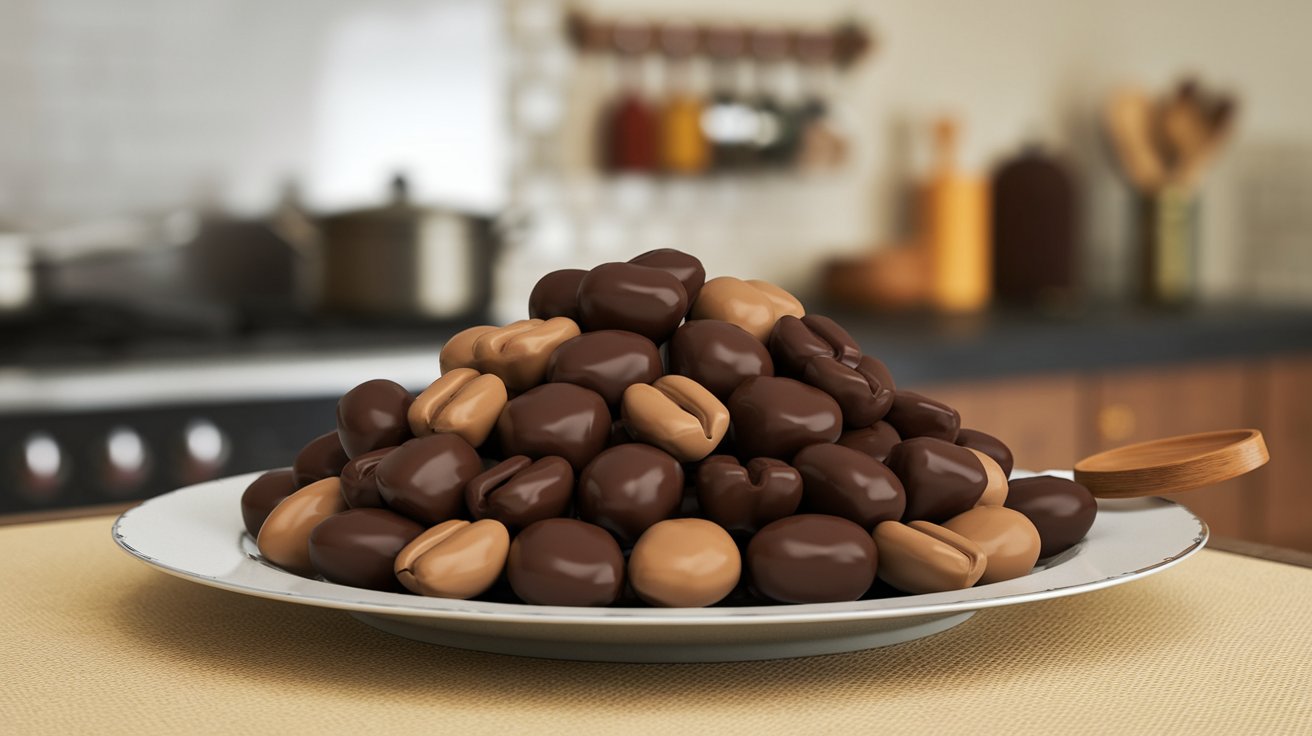
Chocolate covered coffee beans combine the rich flavor of premium chocolate with the energizing kick of roasted coffee beans, creating a popular snack that has become increasingly mainstream across the United States in 2026. These delightful treats offer approximately 12mg of caffeine per bean, provide antioxidant benefits from both chocolate and coffee, and can be found at major retailers including Trader Joe’s, Whole Foods, and online specialty stores. Whether you’re seeking an afternoon energy boost or a sophisticated dessert option, understanding the benefits, caffeine content, and proper consumption methods will help you enjoy this unique snack responsibly.
What Are Chocolate Covered Coffee Beans
Chocolate covered coffee beans are whole roasted coffee beans coated in a layer of chocolate, typically dark, milk, or white chocolate varieties. Unlike regular ground coffee used for brewing, these beans maintain their whole form and are eaten as a crunchy snack rather than brewed into a beverage. The production process involves selecting high-quality Arabica or Robusta coffee beans, roasting them to perfection, and then coating them with tempered chocolate through a process called panning or enrobing. In 2026, the United States market has expanded significantly, with artisan chocolatiers and major brands alike producing premium chocolate covered coffee beans that cater to various taste preferences and dietary requirements including organic, fair-trade, and sugar-free options.
The beans used are just regular coffee beans that have undergone the standard roasting process, maintaining all their natural caffeine content and flavor compounds. The chocolate coating serves multiple purposes: it adds sweetness to balance the natural bitterness of coffee, creates a pleasant textural contrast, and helps preserve the beans’ freshness. Most commercial varieties use medium to dark roast coffee beans because their robust flavor profile complements chocolate better than lighter roasts. The thickness of the chocolate coating varies by manufacturer, with some brands offering a thin shell for maximum coffee flavor and others providing a thicker, more indulgent chocolate experience.
Chocolate Covered Coffee Beans Caffeine Content
Understanding the caffeine content in chocolate covered coffee beans is essential for safe consumption and avoiding excessive stimulant intake. A single chocolate covered coffee bean contains approximately 12mg of caffeine on average, though this varies based on bean type, roast level, and size. For comparison purposes, a standard 8-ounce cup of brewed coffee contains between 80-100mg of caffeine, meaning you would need to consume approximately 7-8 chocolate covered coffee beans to equal one cup of coffee. However, this calculation doesn’t account for the additional caffeine present in dark chocolate coating, which can add 1-2mg per bean depending on chocolate percentage and thickness.
In 2026, the FDA continues to recommend that healthy adults limit caffeine intake to 400mg per day, which translates to roughly 30-35 chocolate covered coffee beans maximum daily consumption. Pregnant women should restrict intake to 200mg daily (approximately 16-17 beans), while individuals sensitive to caffeine should consume even fewer. The caffeine absorption rate from eating whole beans differs from drinking coffee because the beans are digested more slowly, resulting in a more gradual and sustained energy release over 2-4 hours rather than the immediate spike from liquid coffee. This makes them an excellent option for sustained focus during long work sessions or study periods.
Health Benefits of Chocolate Covered Coffee Beans
Chocolate covered coffee beans benefits extend beyond simple energy enhancement, offering a combination of nutritional advantages from both coffee and chocolate components. Coffee beans are rich in chlorogenic acid, a powerful antioxidant that supports metabolism, helps regulate blood sugar levels, and may reduce inflammation throughout the body. When combined with dark chocolate containing 70% or higher cacao content, these benefits multiply because cacao provides additional antioxidants called flavonoids that support cardiovascular health, improve blood flow, and protect cells from oxidative stress. Studies published in 2025 by the American Journal of Clinical Nutrition found that moderate consumption of dark chocolate covered coffee beans (10-15 beans daily) contributed to improved cognitive function and sustained mental alertness without the crash associated with sugary energy drinks.
The whole bean format provides dietary fiber that aids digestion and promotes satiety, making these treats more satisfying than liquid coffee. Each bean contains approximately 0.5g of fiber, and consuming 10 beans provides about 5g of fiber, contributing meaningfully to the recommended 25-30g daily intake for adults. Additionally, coffee beans contain essential minerals including magnesium, potassium, and niacin (vitamin B3) that support energy metabolism and nervous system function. The combination of caffeine and theobromine (from chocolate) creates a synergistic effect that enhances mood and cognitive performance while providing a smoother, longer-lasting energy boost compared to coffee alone.
How to Eat Chocolate Covered Coffee Beans
Learning how to eat chocolate covered coffee beans properly enhances enjoyment and prevents potential digestive discomfort. The recommended method is to start slowly with 2-3 beans, chewing them thoroughly to break down the crunchy coffee bean interior and allow the chocolate coating to melt. Many first-time consumers make the mistake of eating too many too quickly, which can lead to jitteriness, stomach upset, or caffeine overconsumption. In 2026, nutrition experts across the United States advise treating these as a concentrated energy supplement rather than casual candy, spacing consumption throughout the day rather than consuming large quantities at once.
For optimal enjoyment, consider these consumption strategies based on your goals: As a pre-workout energizer, consume 5-7 beans approximately 30 minutes before exercise to leverage the caffeine boost and improve endurance. As an afternoon pick-me-up, eat 3-5 beans around 2-3 PM to combat post-lunch fatigue without interfering with nighttime sleep. As a dessert replacement, enjoy 8-10 beans after dinner for a sophisticated sweet treat that satisfies chocolate cravings while providing digestive benefits. Always consume with water to aid digestion and prevent dehydration, as both caffeine and chocolate have mild diuretic effects. Avoid eating chocolate covered coffee beans after 4 PM unless you have high caffeine tolerance, as the sustained caffeine release can interfere with sleep quality.
Where to Buy Chocolate Covered Coffee Beans
Finding where to buy chocolate covered coffee beans has become increasingly convenient across the United States in 2026, with options ranging from local stores to specialized online retailers. Major grocery chains including Whole Foods Market, Trader Joe’s, Sprouts Farmers Market, and Kroger now stock multiple varieties in their coffee, candy, or health food sections. Trader Joe’s remains particularly popular for their Dark Chocolate Covered Espresso Beans, which retail for approximately $4.99 per 14-ounce container and consistently receive high customer ratings for quality and value. Whole Foods offers organic and fair-trade certified options ranging from $8-15 per pound, appealing to environmentally conscious consumers seeking ethically sourced products.
For specialty varieties and bulk purchasing, online retailers provide extensive selection and competitive pricing. Amazon features over 200 different chocolate covered coffee beans products from brands like Dilettante, Trader Joe’s, Brooklyn Bean Roastery, and Marich, with prices ranging from $12-30 per pound depending on chocolate quality and brand prestige. Specialty coffee roasters including Blue Bottle Coffee, Stumptown, and local artisan chocolatiers offer premium handcrafted versions with single-origin coffee beans and high-percentage dark chocolate coatings, typically priced at $18-35 per pound. Costco and Sam’s Club provide bulk options perfect for offices or frequent consumers, selling 2-3 pound containers for $20-28, representing significant savings over smaller retail packages.
Chocolate Covered Coffee Beans Recipe
Creating homemade chocolate covered coffee beans allows complete control over ingredients, chocolate quality, and coating thickness while saving money compared to premium retail options. The basic recipe requires just two ingredients: 1 cup of whole roasted coffee beans (medium or dark roast recommended) and 12 ounces of high-quality chocolate (dark, milk, or white based on preference). Begin by tempering the chocolate properly to ensure a glossy finish and satisfying snap. Melt two-thirds of the chocolate over a double boiler or in 30-second microwave intervals until it reaches 110-115°F for dark chocolate or 105-110°F for milk chocolate, then add the remaining one-third of unmelted chocolate and stir until temperature drops to 88-90°F for dark or 86-88°F for milk chocolate.
The coating process involves adding coffee beans to the tempered chocolate in small batches, stirring until each bean is completely covered, then transferring them to parchment paper using a fork, allowing excess chocolate to drip off. For a thicker coating, repeat the process 2-3 times, allowing each layer to set completely before adding the next. Spread the coated beans in a single layer on parchment-lined baking sheets and refrigerate for 15-20 minutes until chocolate sets completely. Store homemade chocolate covered coffee beans in an airtight container at room temperature for up to 3 weeks or refrigerated for up to 2 months. In 2026, popular variations include rolling beans in cocoa powder, sea salt, or crushed freeze-dried raspberries before the final chocolate layer sets, creating gourmet versions that rival expensive retail products at a fraction of the cost.
Dark Chocolate vs Milk Chocolate Covered Coffee Beans
Dark chocolate covered coffee beans have gained significant popularity in 2026 due to their superior health benefits and lower sugar content compared to milk chocolate varieties. Dark chocolate with 70% or higher cacao content provides substantially more antioxidants, contains less sugar (typically 6-10g per serving versus 12-18g in milk chocolate), and offers a more sophisticated flavor profile that complements coffee’s natural bitterness rather than masking it. The higher cocoa percentage in dark chocolate also contributes additional caffeine, with 70% dark chocolate adding approximately 2mg per bean compared to less than 1mg from milk chocolate. For health-conscious consumers, dark chocolate versions provide the optimal balance of indulgence and nutritional benefit.
Milk chocolate covered coffee beans appeal to consumers preferring sweeter treats with creamier texture and milder flavor. The added milk solids create a smoother mouthfeel and reduce the bitter notes that some find challenging in dark chocolate varieties. Taste preferences often depend on individual palates, with approximately 60% of United States consumers surveyed in 2025 preferring dark chocolate versions for everyday consumption while reserving milk chocolate for occasional treats. White chocolate covered coffee beans, while less common, offer the sweetest option but provide minimal antioxidant benefits since white chocolate contains no actual cacao solids, only cocoa butter. When choosing between types, consider your health goals, taste preferences, and sugar tolerance to select the variety that best fits your lifestyle.
Chocolate Covered Coffee Beans Nutrition Facts
Understanding chocolate covered coffee beans nutrition helps consumers make informed decisions about portion sizes and frequency of consumption. A standard serving size of 10-12 beans (approximately 40g) contains 200-250 calories depending on chocolate type and coating thickness, with approximately 12-15g coming from fat, 24-30g from carbohydrates, and 3-4g from protein. The fat content primarily consists of cocoa butter and coffee bean oils, which are predominantly healthy unsaturated fats. However, sugar content varies significantly by chocolate type: dark chocolate versions contain 14-18g per serving, milk chocolate versions contain 20-26g, and white chocolate versions contain 24-30g of sugar, representing 50-100% of the recommended daily added sugar intake for adults.
The nutritional benefits include approximately 60-80mg of caffeine per serving (equivalent to one cup of coffee), 3-4g of dietary fiber supporting digestive health, and significant amounts of antioxidants measured at 200-300 ORAC units per serving for dark chocolate varieties. Essential minerals present include iron (8-10% daily value), magnesium (10-12% daily value), and potassium (4-6% daily value). In 2026, many premium brands have introduced enhanced versions fortified with additional nutrients including vitamin B12, adaptogens like ashwagandha, or MCT oil for sustained energy. When incorporating chocolate covered coffee beans into your diet, account for their caloric density and consider reducing other sources of caffeine and sugar to maintain balanced nutrition throughout the day.
Best Times to Consume Chocolate Covered Coffee Beans
Strategic timing of chocolate covered coffee beans consumption maximizes their benefits while minimizing potential sleep disruption or digestive issues. The optimal morning consumption window is 9:30-11:30 AM, after cortisol levels naturally decrease from their early morning peak but before lunch. Consuming 5-8 beans during this period provides sustained energy through midday without interfering with natural cortisol rhythms or causing afternoon crashes. Many professionals in 2026 have replaced their second morning coffee with a small portion of chocolate covered coffee beans to reduce overall liquid caffeine intake while maintaining productivity and mental clarity.
The afternoon energy slump between 1:00-3:00 PM represents another ideal consumption window when adenosine levels increase and alertness naturally declines. Eating 4-6 chocolate covered coffee beans during this period combats post-lunch fatigue without requiring a full cup of coffee that might interfere with dinner appetite or evening sleep. Pre-workout consumption 30-45 minutes before exercise leverages caffeine’s performance-enhancing effects, improving endurance by 3-5% and increasing fat oxidation during aerobic activities according to 2025 sports nutrition research. However, avoid consuming these treats after 4:00 PM unless you have unusually high caffeine tolerance, as the 5-6 hour half-life of caffeine means consumption at 4:00 PM could result in elevated caffeine levels at 10:00 PM, potentially disrupting sleep quality and reducing next-day cognitive performance.
Potential Side Effects and Precautions
While chocolate covered coffee beans offer numerous benefits, understanding potential side effects ensures safe consumption and prevents adverse reactions. Excessive intake can lead to caffeine-related symptoms including jitteriness, increased heart rate, anxiety, digestive upset, and insomnia. The concentrated nature of these snacks makes overconsumption easy, particularly because they taste like candy rather than concentrated caffeine sources. In 2026, emergency room visits related to caffeine overconsumption have increased by 12% across the United States, with many cases involving individuals who consumed large quantities of caffeinated snacks without realizing their cumulative intake exceeded safe limits.
Specific populations should exercise additional caution when consuming chocolate covered coffee beans. Pregnant women should limit intake to 5-6 beans daily to stay within the recommended 200mg caffeine limit, as excessive caffeine during pregnancy has been associated with increased miscarriage risk and low birth weight. Individuals with anxiety disorders, heart arrhythmias, or high blood pressure should consult healthcare providers before regular consumption, as caffeine can exacerbate these conditions. Those taking certain medications including MAO inhibitors, stimulants, or certain antibiotics should avoid these products due to potential drug interactions. Additionally, the combination of caffeine and sugar can cause rapid blood glucose spikes in diabetics, requiring careful monitoring and portion control. Always start with small quantities to assess individual tolerance and never combine with other high-caffeine products like energy drinks or pre-workout supplements.
Popular Brands and Product Comparisons
The United States market in 2026 features numerous chocolate covered coffee beans brands offering varying quality levels, pricing structures, and flavor profiles. Trader Joe’s Dark Chocolate Covered Espresso Beans remain the most popular mainstream option, priced at $4.99 for 14 ounces with consistently high customer ratings for their balanced sweetness, crunchy texture, and reliable quality. Their product uses 54% dark chocolate coating over medium-roast Arabica espresso beans, providing an accessible entry point for consumers new to this snack category. Whole Foods’ 365 Organic brand offers a premium organic option at $8.99 per pound, featuring fair-trade certified beans and 72% dark chocolate for health-conscious consumers prioritizing ethical sourcing.
Specialty brands command higher prices but deliver superior quality and unique flavor combinations. Dilettante Chocolates, a Seattle-based artisan chocolatier, produces premium chocolate covered coffee beans using single-origin beans and Belgian chocolate, retailing for $24.99 per pound with varieties including dark chocolate mint, mocha, and triple chocolate. Brooklyn Bean Roastery offers innovative flavors like salted caramel and white chocolate macadamia, priced at $18.99 per pound and popular among younger consumers seeking trendy variations. For bulk purchasers, Kirkland Signature (Costco’s brand) provides excellent value at $19.99 for 2 pounds of dark chocolate covered espresso beans, representing 60% savings compared to premium brands while maintaining acceptable quality. When selecting brands, consider chocolate percentage, bean origin, organic certification, and price per ounce to determine the best value for your preferences and budget.
Storage and Shelf Life Guidelines
Proper storage of chocolate covered coffee beans preserves freshness, prevents chocolate bloom, and maintains optimal flavor and texture for extended periods. Store unopened packages in a cool, dry location away from direct sunlight at temperatures between 60-70°F, avoiding areas with temperature fluctuations like near stoves or windows. Once opened, transfer beans to an airtight container, preferably glass or food-grade plastic with tight-sealing lids that prevent moisture infiltration and oxidation. Under optimal conditions, commercially produced chocolate covered coffee beans maintain peak quality for 6-9 months, though they remain safe to consume for up to 12 months if properly stored. Homemade versions have shorter shelf life, typically 3-4 weeks at room temperature or up to 2 months when refrigerated.
Avoid refrigerating chocolate covered coffee beans unless ambient temperature exceeds 75°F or humidity levels are high, as refrigeration can cause condensation that leads to sugar bloom (white crystalline coating) or chocolate becoming soft and sticky when returned to room temperature. If refrigeration is necessary, place beans in airtight containers with silica gel packets to absorb moisture, and allow them to return to room temperature gradually before opening to prevent condensation. Signs of spoilage include rancid smell from oxidized coffee oils, white or gray discoloration beyond normal bloom, soft or sticky texture, or mold growth. In 2026, vacuum-sealed packaging has become increasingly common, extending shelf life to 12-15 months by eliminating oxygen exposure that accelerates degradation of both coffee and chocolate components.
Related video about chocolate covered coffee beans
This video complements the article information with a practical visual demonstration.
Questions & Answers
Is it okay to eat chocolate-covered coffee beans?
Yes, it is perfectly safe and okay to eat chocolate-covered coffee beans in moderation. Most healthy adults can safely consume 10-15 beans daily without adverse effects, providing approximately 120-180mg of caffeine. However, individuals should be mindful of their total daily caffeine intake from all sources and avoid excessive consumption that could lead to jitteriness, anxiety, or sleep disruption. Pregnant women should limit intake to 5-6 beans daily to stay within recommended caffeine limits, and those with caffeine sensitivity or certain medical conditions should consult healthcare providers before regular consumption.
How many chocolate-covered coffee beans equal a cup of coffee?
Approximately 7-8 chocolate covered coffee beans equal one standard 8-ounce cup of coffee in terms of caffeine content. Each bean contains roughly 12mg of caffeine, while a typical cup of brewed coffee contains 80-100mg of caffeine. However, this comparison only considers caffeine content and doesn’t account for the additional sugar and calories from chocolate coating. The caffeine from whole beans also absorbs more slowly than liquid coffee, providing a more gradual and sustained energy release over 2-4 hours rather than the immediate effect of brewed coffee.
Does Trader Joe’s have chocolate-covered espresso beans?
Yes, Trader Joe’s carries Dark Chocolate Covered Espresso Beans as one of their most popular products in 2026. The product is consistently stocked at most Trader Joe’s locations across the United States and retails for approximately $4.99 per 14-ounce container. These beans feature medium-roast Arabica espresso beans coated in 54% dark chocolate, offering excellent quality and value compared to premium specialty brands. The product receives consistently high customer ratings and has become a cult favorite among Trader Joe’s shoppers, though availability may occasionally vary by location.
Are chocolate-covered coffee beans just regular coffee beans?
Yes, chocolate-covered coffee beans are made from regular roasted coffee beans, typically Arabica or Robusta varieties that have undergone standard roasting processes. They are not a special type of bean but rather whole roasted coffee beans that have been coated in chocolate through a process called enrobing or panning. The beans maintain all their natural caffeine content, flavor compounds, and structure, with the only difference being the chocolate coating added externally. Most manufacturers use medium to dark roast beans because their robust flavor profiles complement chocolate better than lighter roasts, but the beans themselves are identical to those used for brewing coffee.
What are the benefits of eating chocolate covered coffee beans?
Chocolate covered coffee beans offer multiple health benefits when consumed in moderation, including sustained energy from caffeine, high antioxidant content from both coffee and dark chocolate, improved cognitive function and mental alertness, and dietary fiber that supports digestion. Dark chocolate varieties with 70% or higher cacao provide cardiovascular benefits through flavonoids that improve blood flow and protect cells from oxidative stress. The whole bean format delivers essential minerals including magnesium, potassium, and iron, while the combination of caffeine and theobromine creates synergistic effects that enhance mood and cognitive performance. Studies from 2025 indicate that moderate consumption of 10-15 beans daily contributes to improved focus and sustained mental alertness without the crash associated with sugary energy drinks.
How much caffeine is in chocolate covered coffee beans?
A single chocolate covered coffee bean contains approximately 12mg of caffeine on average, with slight variations based on bean type, roast level, and size. Dark chocolate coating adds an additional 1-2mg of caffeine per bean, bringing the total to 13-14mg for dark chocolate varieties. For reference, consuming 10 beans provides roughly 120-140mg of caffeine, equivalent to one and a half cups of brewed coffee. The caffeine content remains stable during the coating process since the beans are already roasted before chocolate application. In 2026, some specialty brands have begun labeling exact caffeine content per serving to help consumers manage their total daily intake more accurately.
| Key Aspect | Important Details | Primary Benefit |
|---|---|---|
| Caffeine Content | 12mg per bean, 7-8 beans equal one cup of coffee | Sustained energy without liquid intake |
| Daily Serving | 10-15 beans for adults, 5-6 for pregnant women | Safe caffeine consumption with portion control |
| Chocolate Type | Dark chocolate (70%+) offers most health benefits | High antioxidants, lower sugar content |
| Best Purchase Locations | Trader Joe’s ($4.99), Whole Foods, Amazon, Costco | Wide availability at competitive prices |
| Optimal Timing | 9:30-11:30 AM or 1:00-3:00 PM, avoid after 4 PM | Maximum energy boost without sleep disruption |
| Nutritional Value | 200-250 calories per serving, 3-4g fiber, minerals | Satisfying snack with functional benefits |
| Storage Conditions | Cool, dry place at 60-70°F in airtight container | 6-9 months shelf life at peak quality |