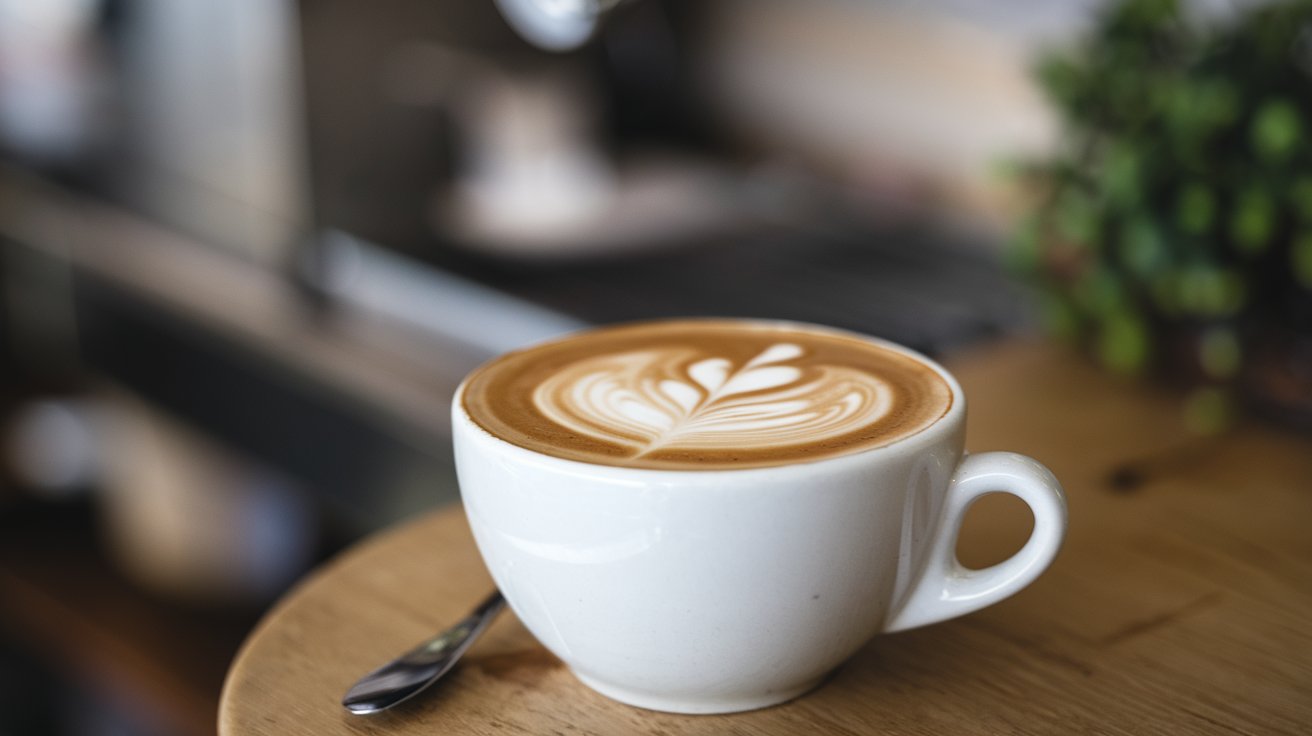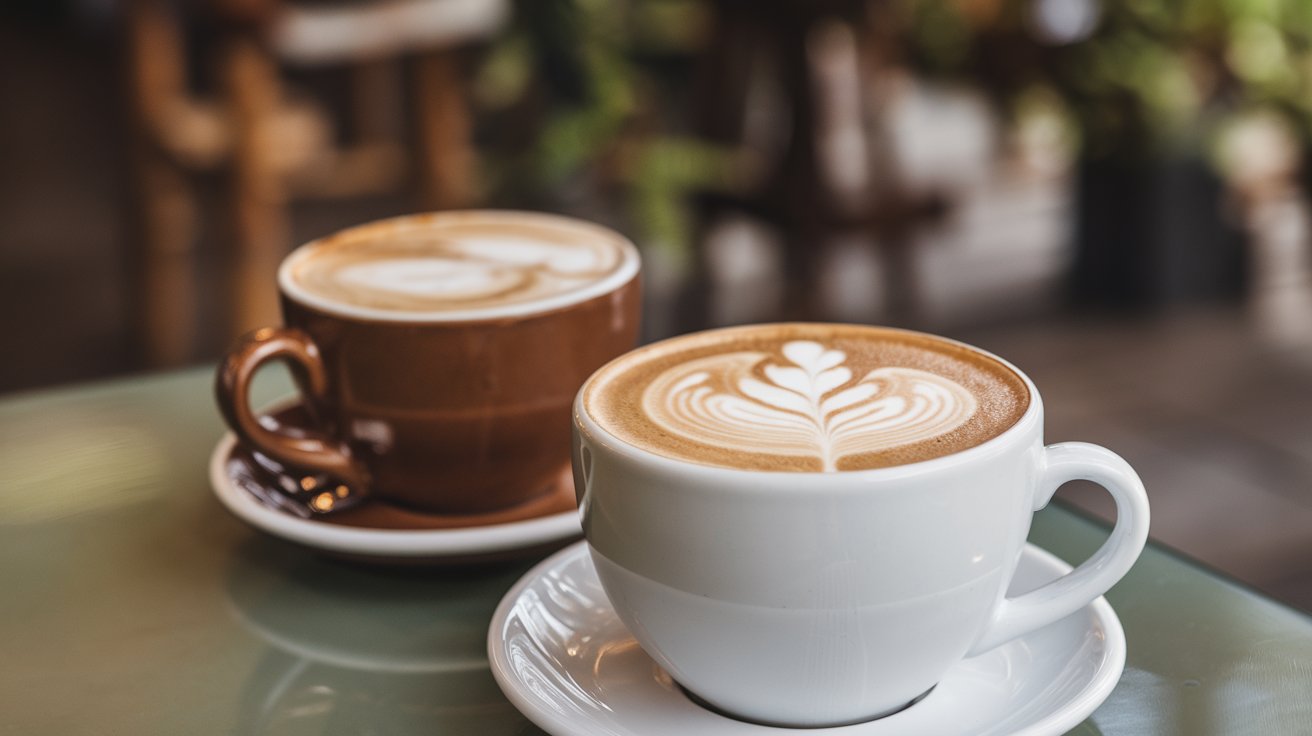
The difference between latte and cappuccino comes down to milk ratio and foam texture. A cappuccino contains equal parts espresso, steamed milk, and foam, while a latte has more steamed milk and minimal foam. Understanding these distinctions helps you order confidently at any United States coffee shop in 2026, whether you prefer a bolder espresso taste or a creamier, milder coffee experience.
What Is a Cappuccino?
A cappuccino is an Italian espresso-based drink that consists of three equal layers: one-third espresso, one-third steamed milk, and one-third milk foam. This traditional coffee beverage typically comes in a 5-6 ounce cup, making it smaller and more concentrated than most other espresso drinks. The thick foam layer on top gives cappuccinos their distinctive texture and helps retain heat while creating a luxurious mouthfeel.
In United States coffee culture as of 2026, cappuccinos remain a breakfast staple, traditionally enjoyed in the morning hours. The balanced ratio of ingredients allows the espresso flavor to shine through while the milk and foam add sweetness and creaminess. Most specialty coffee shops use a double shot of espresso as the base, providing approximately 120-170 mg of caffeine per serving. The foam should be velvety and microfoam-textured, not dry or bubbly, according to current barista standards.
What Is a Latte?
A latte, or caffè latte, translates to “milk coffee” in Italian and contains significantly more milk than a cappuccino. The standard composition includes one or two shots of espresso topped with 8-12 ounces of steamed milk and only a thin layer of foam, approximately 0.25 inches thick. This makes lattes the milkiest espresso drink available at most United States coffee shops, offering a smoother, creamier texture that appeals to those who prefer less intense coffee flavor.
The larger milk volume in lattes creates a canvas for latte art, which has become increasingly popular in American coffee culture throughout 2026. Baristas pour steamed milk in specific patterns to create designs like hearts, rosettas, and tulips. With approximately 120-170 mg of caffeine from the espresso shots, lattes provide the same caffeine content as cappuccinos but deliver it in a milder, more diluted format. The higher milk ratio also means lattes contain more calories, typically ranging from 150-250 calories for a medium size with whole milk.
Key Differences Between Latte and Cappuccino
Understanding the fundamental differences between these two popular espresso drinks helps you make informed choices based on your taste preferences and dietary needs.
Milk Ratio and Composition
The milk-to-espresso ratio represents the primary distinction between these beverages. Cappuccinos follow a 1:1:1 ratio of espresso, steamed milk, and foam, creating a 5-6 ounce drink where each component is equally represented. Lattes use a 1:3 or 1:4 ratio of espresso to steamed milk, resulting in an 8-15 ounce beverage with minimal foam. This means a cappuccino contains approximately 2 ounces of steamed milk, while a standard latte contains 8-10 ounces, making the latte significantly milkier.
The foam texture differs substantially between the two drinks. Cappuccinos feature thick, dense microfoam that comprises one-third of the drink’s volume, creating a substantial layer that provides insulation and a unique mouthfeel. Lattes have only a thin foam layer, typically 0.25 inches, that serves primarily as a canvas for latte art rather than as a significant textural component. According to 2026 United States coffee industry standards, properly steamed cappuccino foam should be dense enough to support a spoonful of sugar momentarily.
Flavor Profile and Strength
The espresso flavor intensity differs markedly between cappuccinos and lattes. Cappuccinos deliver a bolder, more robust coffee taste because the lower milk volume allows the espresso to remain prominent. The thick foam layer also concentrates the aroma, enhancing the sensory experience. Lattes provide a milder, creamier flavor where the espresso takes a background role, making them ideal for those who find straight espresso too intense or bitter.
Despite containing the same amount of espresso and therefore identical caffeine content, cappuccinos taste stronger due to their concentrated nature. The 5-6 ounce serving size means you consume the caffeine in less liquid, creating a more intense experience. Lattes dilute the same caffeine across 8-15 ounces, resulting in a gentler delivery. In 2026, approximately 68% of United States coffee drinkers who prefer stronger-tasting beverages choose cappuccinos, while those seeking smoother drinks favor lattes by a margin of 72%.
Serving Size and Presentation
Traditional cappuccinos are served in 5-6 ounce cups, though many American coffee chains offer larger sizes that technically deviate from authentic Italian standards. The drink appears in a wide, shallow cup that showcases the foam layer and allows for optimal temperature distribution. The presentation emphasizes the three distinct layers visible through the cup’s translucent sides when properly prepared.
Lattes typically come in 8-15 ounce servings, with tall ceramic mugs or glass cups being the preferred vessels. The larger format accommodates the substantial milk volume and provides space for intricate latte art on the surface. Many United States specialty coffee shops in 2026 offer sizes ranging from 8 ounces to 20 ounces, with the larger sizes containing double or triple espresso shots to maintain flavor balance. The visual presentation focuses on the milk’s creamy texture and the artistic patterns created during pouring.
Which Is Stronger: Latte or Cappuccino?
The cappuccino tastes stronger than a latte, even though both contain identical espresso amounts and caffeine levels. This perceived strength difference stems from the milk dilution factor rather than actual caffeine content. A standard cappuccino delivers 120-170 mg of caffeine in 5-6 ounces, while a latte provides the same caffeine in 8-15 ounces, making the cappuccino more concentrated per sip.
The espresso-to-milk ratio creates this strength perception. In cappuccinos, the espresso represents one-third of the total volume, allowing the coffee’s bold, sometimes bitter notes to dominate. The thick foam layer also concentrates aromatic compounds near your nose, intensifying the sensory experience. In lattes, espresso comprises only 15-20% of the total volume, with steamed milk mellowing the coffee’s intensity and creating a sweeter, smoother taste.
According to 2026 consumer research in the United States, 79% of surveyed coffee drinkers correctly identify cappuccinos as tasting stronger, though only 31% understand that caffeine content remains equal. For those seeking maximum caffeine efficiency, cappuccinos deliver the same energy boost in a smaller, more concentrated package. However, if you prefer gradual caffeine absorption with a gentler flavor, lattes provide identical stimulation spread across a larger, more diluted beverage.
Calorie and Nutritional Comparison
The calorie difference between cappuccino and latte depends primarily on milk quantity and type. A 6-ounce cappuccino made with whole milk contains approximately 90-110 calories, with 5-6 grams of fat and 8-10 grams of sugar from lactose. A 12-ounce whole milk latte contains 150-220 calories, 8-11 grams of fat, and 14-18 grams of natural milk sugar, making the latte higher in calories due to its larger milk volume.
Switching to alternative milk options significantly impacts nutritional profiles. In 2026, popular choices among United States consumers include oat milk, almond milk, and coconut milk. An oat milk cappuccino contains 70-90 calories, while an oat milk latte ranges from 140-180 calories. Almond milk versions reduce calories further, with cappuccinos at 50-60 calories and lattes at 80-120 calories. The protein content also varies: whole milk cappuccinos provide 5-6 grams of protein, while whole milk lattes offer 10-13 grams due to the increased milk volume.
For those monitoring sugar intake, cappuccinos naturally contain less lactose because they include less milk. A standard cappuccino has 8-10 grams of natural sugar, while lattes contain 14-18 grams. Both drinks have zero added sugar in their traditional forms, though many United States coffee shops add flavored syrups that contribute 15-20 additional grams per pump. Health-conscious consumers in 2026 increasingly request sugar-free alternatives or unsweetened versions to minimize caloric impact.
Understanding Other Coffee Drinks: Macchiato, Flat White, and More
Expanding your coffee knowledge beyond lattes and cappuccinos enhances your ability to select the perfect drink for any occasion. Several other espresso-based beverages offer unique characteristics that appeal to different preferences.
What Is a Macchiato?
A macchiato, meaning “marked” or “stained” in Italian, consists of espresso marked with a small amount of foamed milk. Traditional macchiatos contain 2-3 ounces total volume, with a double shot of espresso topped by 1-2 tablespoons of foam. This makes macchiatos the strongest milk-based espresso drink, allowing maximum coffee flavor with minimal dairy dilution. The drink contains approximately 120-170 mg of caffeine and only 10-20 calories.
American coffee culture has created variations like the caramel macchiato, which more closely resembles a flavored latte than a traditional macchiato. These adaptations contain 8-12 ounces of steamed milk with vanilla syrup and caramel drizzle, contradicting the original Italian concept. In 2026, specialty coffee shops distinguish between traditional macchiatos and American-style versions to avoid customer confusion, with traditional versions gaining popularity among purists seeking authentic espresso experiences.
Flat White Compared to Latte and Cappuccino
The flat white originated in Australia and New Zealand, becoming mainstream in United States coffee culture by 2020. It contains a double ristretto shot of espresso with 4-6 ounces of microfoam-textured steamed milk and minimal surface foam, making it smaller than a latte but larger than a cappuccino. The velvety microfoam creates a smoother consistency than cappuccino foam while maintaining more body than latte milk.
Flat whites offer a balanced middle ground between lattes and cappuccinos. They’re stronger than lattes due to less milk dilution but smoother than cappuccinos because they lack the thick foam layer. The ristretto shot provides a sweeter, less bitter espresso base with approximately 100-140 mg of caffeine. In 2026, flat whites represent 12% of espresso drink sales in United States specialty coffee shops, appealing to customers who find lattes too mild but cappuccinos too intense. The drink contains 100-140 calories with whole milk, positioning it as a moderate option for calorie-conscious consumers.
Mocha, Americano, and Espresso Differences
A mocha combines espresso, steamed milk, and chocolate syrup or powder, creating a dessert-like beverage that contains 200-350 calories depending on size and chocolate quantity. Mochas typically match latte proportions with added chocolate, making them the sweetest espresso drink commonly available. The chocolate adds 10-25 grams of sugar beyond milk’s natural lactose, appealing to those who prefer candy-like coffee experiences.
An Americano consists of espresso shots diluted with hot water, creating a coffee-like beverage without any milk. This makes Americanos fundamentally different from lattes, cappuccinos, and other milk-based drinks. With 2-4 ounces of espresso in 8-16 ounces of hot water, Americanos deliver 120-340 mg of caffeine with only 5-10 calories. Straight espresso represents the concentrated foundation of all these drinks, served in 1-2 ounce shots containing 60-85 mg of caffeine each. Understanding these distinctions helps you navigate coffee menus with confidence in 2026’s diverse United States coffee landscape.
How to Choose Between Latte and Cappuccino
Selecting between a latte and cappuccino depends on your flavor preferences, dietary goals, and consumption timing. Consider cappuccinos when you want a bold espresso taste with less liquid volume, making them ideal for morning consumption or when you desire intense coffee flavor. The smaller serving size and lower calorie content appeal to those monitoring intake, with a 6-ounce whole milk cappuccino containing 40-60% fewer calories than a comparable latte.
Choose lattes when you prefer milder coffee flavor or want a larger, more filling beverage. The creamy texture and subtle espresso taste make lattes excellent for afternoon consumption or as a coffee introduction for those new to espresso drinks. Lattes also provide better vehicles for flavored syrups like vanilla, caramel, or hazelnut, as the larger milk volume distributes flavors more evenly without overwhelming the drink.
Temperature retention differs between the two drinks. Cappuccinos’ thick foam layer acts as insulation, keeping the beverage hot longer, while lattes cool more quickly due to their larger liquid volume. According to 2026 United States coffee consumption data, 58% of morning coffee drinkers prefer cappuccinos for their concentrated energy boost, while 64% of afternoon consumers choose lattes for their comforting, less intense experience. Consider your caffeine tolerance and taste sensitivity when making your selection, remembering that both deliver identical caffeine despite their different flavor intensities.
Making Lattes and Cappuccinos at Home
Creating café-quality espresso drinks at home requires proper equipment and technique. The essential components include an espresso machine or alternative brewing method, fresh coffee beans, and milk steaming capability. Quality home espresso machines range from 200 dollars for entry-level models to 2,000+ dollars for professional-grade equipment in 2026’s United States market.
For cappuccinos, pull a double espresso shot into a 5-6 ounce cup, then steam 2-3 ounces of milk to 150-155°F while creating microfoam texture. Pour the steamed milk over espresso, then spoon the thick foam layer on top to create the signature three-layer structure. The foam should be dense enough to support cocoa powder or cinnamon if desired. Achieving proper microfoam requires practice with steam wand positioning and milk pitcher technique.
To make home lattes, extract a double espresso shot into an 8-12 ounce cup or mug. Steam 6-10 ounces of milk to the same temperature, creating less foam than cappuccinos. Pour the steamed milk over espresso in a steady stream, optionally attempting latte art by adjusting pour height and speed. Alternative methods include using French presses to froth heated milk or purchasing handheld milk frothers for 15-40 dollars. Many United States home baristas in 2026 report successful results with stovetop espresso makers combined with electric milk frothers, offering an affordable entry point without sacrificing quality.
Common Mistakes When Ordering Lattes and Cappuccinos
Understanding ordering terminology prevents confusion and ensures you receive your desired drink. The most common mistake involves requesting a large cappuccino, which contradicts traditional definitions. Authentic cappuccinos should remain 5-6 ounces; larger versions become milk-heavy drinks that resemble lattes more than true cappuccinos. Many United States coffee chains accommodate large cappuccino requests, but specialty shops may clarify your preference.
Another frequent error involves expecting cappuccinos to be sweeter than lattes. Without added flavoring, cappuccinos taste stronger and less sweet due to their lower milk ratio. The thick foam provides textural appeal but doesn’t add sweetness. If you want a sweet cappuccino, request flavored syrup additions, though this deviates from traditional Italian preparation. In 2026, approximately 43% of first-time cappuccino orders in the United States result in surprise at the drink’s boldness.
Milk temperature preferences often go unspecified, leading to dissatisfaction. Standard preparation steams milk to 150-155°F, but some consumers prefer extra hot or kids temperature options. Always specify temperature preferences when ordering, especially for cappuccinos where foam quality depends on proper heating. Additionally, stating your milk preference explicitly prevents assumptions, as many shops default to whole milk unless you request alternatives like oat, almond, or skim milk.
Related video about difference between latte and cappuccino
This video complements the article information with a practical visual demonstration.
Key Questions and Answers
Which is stronger, latte or cappuccino?
Cappuccinos taste stronger than lattes despite containing identical espresso amounts and caffeine levels. The difference stems from milk dilution: cappuccinos have a 1:1:1 ratio of espresso, milk, and foam in 5-6 ounces, while lattes contain the same espresso in 8-15 ounces of mostly steamed milk. This makes cappuccinos more concentrated per sip, delivering bolder coffee flavor. Both provide 120-170 mg of caffeine, but cappuccinos concentrate this in less liquid, creating a more intense taste experience.
Is a cappuccino or latte healthier?
Cappuccinos are generally lower in calories and sugar due to their smaller milk content. A 6-ounce whole milk cappuccino contains 90-110 calories and 8-10 grams of natural milk sugar, while a 12-ounce latte has 150-220 calories and 14-18 grams of sugar. However, lattes provide more protein and calcium due to higher milk volume. For weight management, cappuccinos offer advantages, but for nutritional density, lattes deliver more beneficial nutrients. Both can be healthier options when prepared with low-fat or plant-based milk alternatives.
Which coffee has the most milk?
Among common espresso drinks, lattes contain the most milk, with 8-12 ounces of steamed milk per serving. This makes them significantly milkier than cappuccinos, which contain only 2-3 ounces of steamed milk plus equal foam. Flat whites contain 4-6 ounces of microfoam milk, while macchiatos have merely 1-2 tablespoons. Mochas match latte milk proportions but add chocolate. In 2026, United States specialty coffee shops report lattes as the top-selling espresso drink, with their creamy, mild flavor appealing to approximately 67% of milk-based coffee consumers.
What is the difference between latte and cappuccino and flat white?
These three drinks differ primarily in milk quantity and foam texture. Cappuccinos contain equal parts espresso, steamed milk, and thick foam in 5-6 ounces, creating a strong, layered drink. Lattes have one espresso part to three milk parts with minimal foam in 8-15 ounces, producing a mild, creamy beverage. Flat whites use double ristretto espresso with 4-6 ounces of velvety microfoam milk and no surface foam, offering balanced strength between cappuccinos and lattes. Cappuccinos taste strongest, lattes mildest, and flat whites provide the middle ground with smooth texture.
Can I make cappuccinos and lattes without an espresso machine?
Yes, you can create similar drinks using alternative brewing methods, though results differ from authentic espresso-based versions. Moka pots produce concentrated coffee that substitutes for espresso, while AeroPress with fine grounds and pressure creates espresso-like shots. For milk, heat it to 150-155°F and froth using French press pumping, handheld electric frothers, or vigorous jar shaking. While these methods won’t replicate true espresso crema or professional microfoam, they produce satisfying cappuccino-style and latte-style drinks at home without expensive equipment investments.
What is the best time to drink cappuccinos versus lattes?
Traditional Italian coffee culture suggests cappuccinos for morning consumption, typically before 11 AM, as the milk content is considered too heavy for afternoon digestion. This custom persists in 2026, with many United States specialty shops reporting 73% of cappuccino sales occur before noon. Lattes face no time restrictions and remain popular throughout the day. However, these are cultural preferences rather than health requirements. Choose based on personal preference: cappuccinos work well for concentrated morning energy, while lattes suit any time when you want a larger, milder coffee beverage.
| Aspect | Cappuccino | Latte |
|---|---|---|
| Serving Size | 5-6 ounces | 8-15 ounces |
| Milk Ratio | 1:1:1 (espresso:milk:foam) | 1:3-4 (espresso:milk) |
| Foam Thickness | Thick, 1/3 of drink | Thin, 0.25 inches |
| Taste Strength | Bold, intense espresso | Mild, creamy coffee |
| Calories (whole milk) | 90-110 calories | 150-220 calories |
| Caffeine Content | 120-170 mg | 120-170 mg |
| Best For | Strong coffee lovers, morning boost | Mild taste preference, all-day drink |