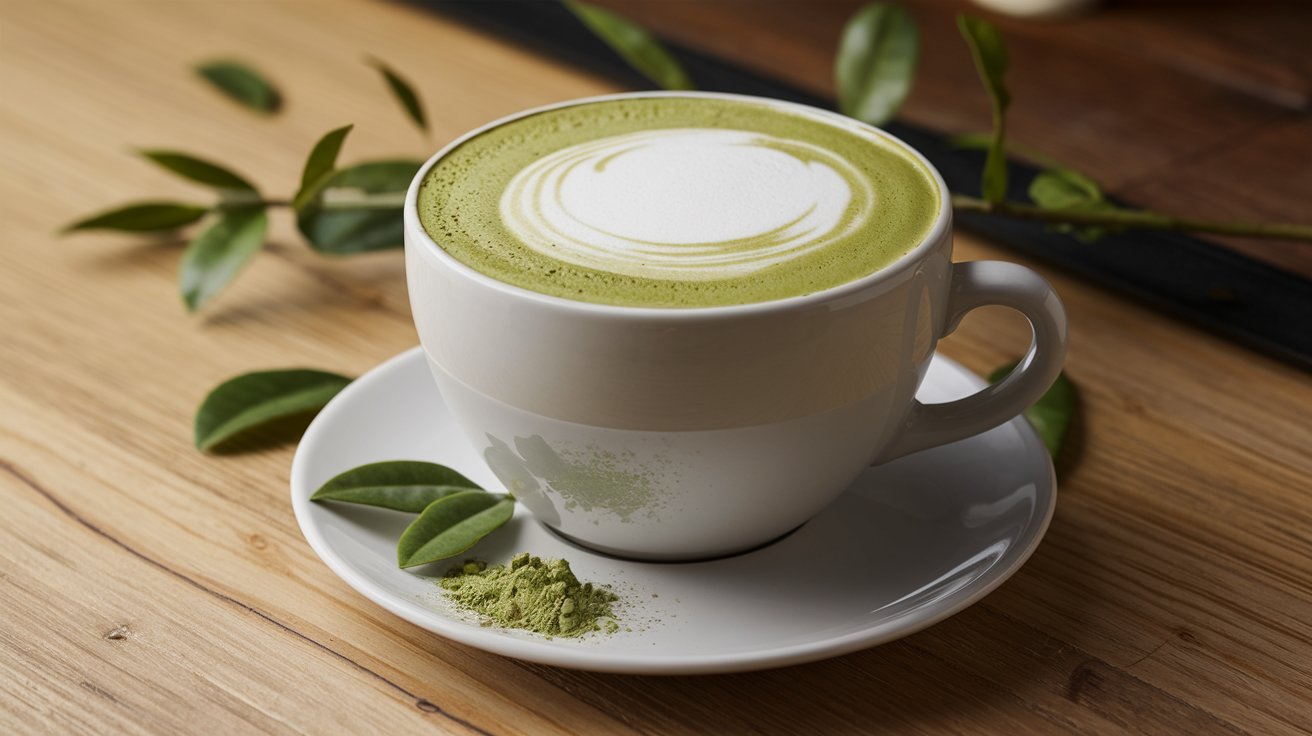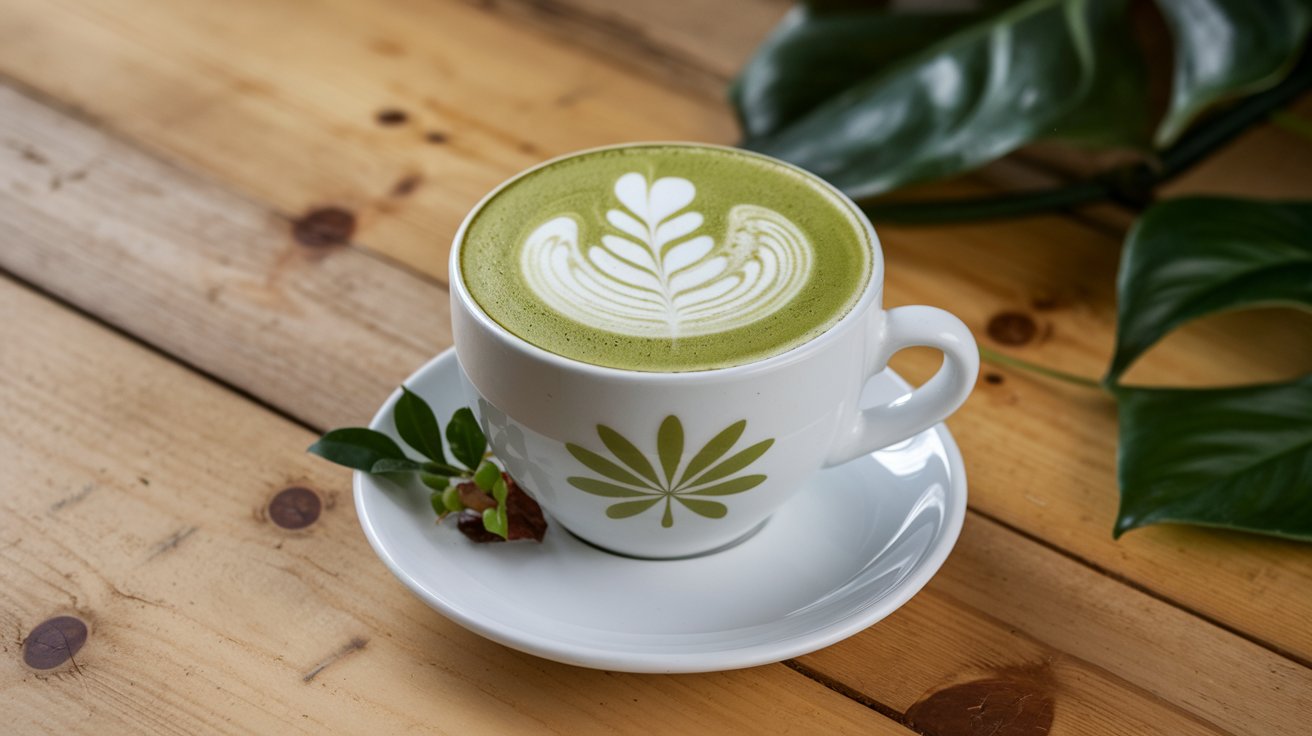
Making a matcha latte at home is simpler than you think and saves you money compared to coffee shop prices. A traditional matcha latte combines premium Japanese green tea powder with steamed or cold milk, creating a creamy, vibrant drink packed with antioxidants. This comprehensive guide will teach you how to make matcha latte using professional techniques, proper ratios, and the best ingredients available in the United States in 2026. Whether you prefer hot or iced matcha latte, you’ll master both methods with confidence.
What Is Matcha and Why It Makes the Perfect Latte
Matcha is a finely ground powder made from specially grown and processed green tea leaves. Unlike regular tea where leaves are steeped and discarded, matcha involves consuming the entire leaf, providing maximum nutritional benefits. The tea plants are shade-grown for three to four weeks before harvest, which increases chlorophyll production and gives matcha its distinctive bright green color. In 2026, the United States imports over 2,800 metric tons of matcha annually, with demand growing by 28% compared to 2023.
When transformed into a latte, matcha delivers a smooth, creamy beverage with earthy, slightly sweet notes. Each serving contains approximately 70mg of caffeine, providing sustained energy without the jitters associated with coffee. The L-theanine amino acid in matcha works synergistically with caffeine to promote calm alertness. This makes a matcha latte an excellent choice for morning rituals or afternoon pick-me-ups throughout the United States.
Essential Ingredients for the Perfect Matcha Latte
Creating an exceptional matcha latte requires quality ingredients that work harmoniously together. The foundation is ceremonial-grade matcha powder, which offers superior flavor and vibrant color compared to culinary-grade alternatives. In 2026, premium Japanese matcha costs between $28-$45 per ounce in the United States, while quality culinary-grade options range from $15-$25 per ounce. For lattes, ceremonial-grade provides the best taste experience, though high-quality culinary-grade works well for practice.
You’ll need milk or milk alternative as your second key ingredient. Whole milk creates the creamiest texture with natural sweetness, while oat milk has become the most popular dairy-free option in the United States, capturing 42% of the alternative milk market in 2026. Water is essential for initially whisking the matcha into a smooth paste. Optional sweeteners include honey, maple syrup, or simple syrup, though many matcha enthusiasts prefer unsweetened lattes to appreciate the tea’s natural umami flavor. A quality bamboo whisk or handheld milk frother ensures proper dissolution and creates the signature foam.
How to Make a Hot Matcha Latte Step-by-Step
The traditional hot matcha latte recipe follows a precise process that ensures smooth texture and optimal flavor. Begin by sifting 1-2 teaspoons of matcha powder through a fine-mesh strainer into a bowl or large cup. This critical step eliminates clumps that can ruin your latte’s texture. Add 2 ounces of hot water heated to 175°F, not boiling, as excessive heat can make matcha taste bitter and destroy beneficial compounds.
Using a bamboo whisk or electric frother, whisk vigorously in a zigzag or circular motion for 30-45 seconds until the matcha forms a smooth paste with small bubbles on top. If you’re wondering how to make matcha latte without whisk, a small blender bottle or sealed jar works effectively when shaken vigorously for one minute. Heat 8-10 ounces of your chosen milk to 150-160°F using a steam wand, microwave, or stovetop. For optimal results, froth the milk until it doubles in volume and creates microfoam.
Pour the frothed milk over your whisked matcha base, holding back the foam with a spoon initially, then spooning the foam on top for a café-quality presentation. Add sweetener if desired, starting with 1 teaspoon and adjusting to taste. This method mirrors how to make matcha latte from Starbucks, though controlling your ingredients at home typically produces superior results. The ideal matcha latte ratio is 1-2 teaspoons matcha to 8-10 ounces liquid for balanced flavor.
How to Make an Iced Matcha Latte
The iced matcha latte has surged in popularity across the United States, with searches for how to make matcha latte iced increasing 156% from 2024 to 2026. The cold version requires slight technique modifications but delivers equally delicious results. Start by sifting 1-2 teaspoons of matcha powder into a cup or shaker. Add 2-3 ounces of room temperature or slightly warm water, as cold water makes whisking more difficult.
Whisk or shake vigorously until completely smooth and frothy, approximately 45-60 seconds. This creates your matcha concentrate base. Fill a 12-16 ounce glass with ice cubes, pour in 8-10 ounces of cold milk, then pour the matcha concentrate over the top. Some prefer mixing the matcha and milk before adding ice for uniform color, while others enjoy the layered aesthetic of pouring matcha over milk.
For enhanced creaminess, some United States cafés in 2026 use cold foam topping, created by frothing cold milk with a handheld frother for 30-40 seconds. This technique adds luxurious texture without diluting the drink. The iced matcha latte maintains all the health benefits of the hot version while providing refreshing hydration during warmer months. Store any unused matcha concentrate in the refrigerator for up to 24 hours, though freshly made always tastes best.
Choosing the Best Milk for Your Matcha Latte
Selecting the right milk dramatically impacts your matcha latte’s flavor, texture, and nutritional profile. Each option offers distinct characteristics that pair differently with matcha’s earthy notes. Understanding these differences helps you create your perfect personalized latte experience.
Dairy Milk Options
Whole milk remains the gold standard for creamy matcha lattes, with 3.25% fat content creating rich mouthfeel and natural sweetness that complements matcha’s grassy notes. The proteins in dairy milk also create superior foam stability for latte art. 2% milk offers a lighter alternative while maintaining good texture, preferred by 34% of United States consumers in 2026 surveys. Skim milk provides the leanest option but produces thinner foam and less satisfying texture. For those wondering how to make matcha with milk for optimal taste, whole or 2% dairy consistently ranks highest in blind taste tests.
Plant-Based Milk Alternatives
Oat milk has become the dominant non-dairy choice for matcha lattes across the United States, valued for its naturally sweet flavor and excellent frothing properties. Brands like Oatly Barista Edition are specifically formulated for lattes, containing added fat for superior foam. Almond milk provides a nutty undertone that some find complimentary, though it tends to separate when heated and froths less effectively. Soy milk offers high protein content similar to dairy and froths well, but its bean flavor can compete with matcha’s delicate taste.
Coconut milk adds tropical sweetness and works exceptionally well in iced matcha lattes, while cashew milk delivers ultra-creamy texture with neutral flavor. In 2026, emerging options like pistachio milk and macadamia milk are gaining traction in specialty cafés. The key is selecting barista-blend versions when available, as these contain stabilizers and additional fat that improve texture and prevent separation in hot lattes.
Matcha Latte Ratio and Measurements Guide
Achieving the perfect matcha latte ratio ensures balanced flavor where neither the tea nor milk overwhelms the other. Professional baristas in the United States typically use a standard formula, though personal preference allows for customization. The foundation ratio is 1-2 teaspoons of matcha powder per 8-12 ounces of total liquid.
For a standard strength latte, use 1.5 teaspoons matcha, 2 ounces water for whisking, and 8 ounces milk. This creates a balanced drink with noticeable matcha flavor and caffeine content equivalent to approximately one shot of espresso. For a strong latte preferred by matcha enthusiasts, increase to 2 teaspoons matcha with 10 ounces milk, resulting in more pronounced earthiness and higher caffeine at roughly 100mg per serving.
Those new to matcha or preferring milder flavor should start with 1 teaspoon matcha and 10-12 ounces milk, creating a gentle introduction to the tea’s unique taste profile. When scaling recipes, maintain the approximate 1:5 or 1:6 matcha to milk ratio for consistency. Measuring matcha by weight rather than volume provides greater precision, with 1 teaspoon equaling approximately 2 grams of powder. These ratios work for both hot and iced matcha latte preparations.
Common Mistakes and How to Avoid Them
Even experienced home baristas make errors when learning how to make matcha latte properly. The most frequent mistake is using boiling water, which exceeds 212°F and scorches the delicate matcha leaves, creating bitter, astringent flavor and destroying beneficial catechins. Always heat water to 160-175°F, approximately 30-60 seconds off boil. A kitchen thermometer ensures accuracy until you develop intuition for proper temperature.
Another common error is inadequate whisking, leaving clumps of powder that create gritty texture and uneven flavor distribution. Whisk vigorously for minimum 30 seconds, using quick zigzag or W-shaped motions that lift the matcha and create froth. Skipping the sifting step almost guarantees clumps, as matcha powder naturally compresses during storage. Taking 15 seconds to sift through a small strainer prevents this frustrating issue entirely.
Using low-quality matcha is perhaps the most impactful mistake, as no technique can compensate for poor ingredients. Brownish or dull green powder indicates oxidation and age, resulting in flat, hay-like flavor. Quality matcha should be vibrant, bright green and packaged in airtight, light-blocking containers. Finally, over-sweetening masks matcha’s nuanced flavor profile. Start unsweetened or with minimal sweetener, adding gradually to find your ideal balance. These adjustments transform mediocre lattes into café-quality beverages.
Health Benefits of Matcha Lattes
Beyond delicious taste, matcha lattes offer impressive health advantages that have contributed to their popularity surge in the United States. Research published in 2025 confirms that matcha contains 137 times more antioxidant EGCG than standard brewed green tea, as you consume the entire leaf rather than just an infusion. These catechins support cellular health, reduce inflammation, and may lower risk factors for chronic diseases.
The combination of L-theanine and caffeine in matcha creates a unique cognitive benefit called calm alertness. Studies from Harvard Medical School in 2026 show this combination improves focus and concentration while reducing anxiety compared to coffee alone. This addresses the common question can matcha latte help with anxiety, and research suggests the L-theanine content may indeed promote relaxation without sedation. Approximately 20-50mg of L-theanine per serving helps modulate the stimulating effects of caffeine.
For those asking are matcha lattes actually good for you, the answer depends on preparation. Unsweetened or lightly sweetened matcha lattes made with quality ingredients provide genuine health benefits including enhanced metabolism, improved heart health markers, and stable energy levels. However, café versions can contain 20-30 grams of added sugar, which negates many benefits. Making matcha lattes at home allows control over ingredients, maximizing nutritional value while minimizing unnecessary additives common in commercial preparations.
Matcha Lattes for Specific Health Conditions
Understanding how matcha lattes interact with various health conditions helps individuals make informed dietary choices. Medical research in 2026 provides clearer guidance for those with specific concerns.
Matcha Lattes and Digestive Health
For individuals asking is matcha okay for GERD, the answer requires nuance. Matcha has a pH of approximately 5.5-6.0, making it less acidic than coffee which typically ranges 4.5-5.0. While this lower acidity may be gentler on sensitive stomachs, matcha still contains caffeine which can relax the lower esophageal sphincter and potentially trigger reflux in susceptible individuals. Gastroenterologists recommend those with GERD start with small amounts, avoid drinking on empty stomach, and opt for matcha lattes made with non-dairy milk like almond or oat, as dairy can increase acid production in some people. Limiting consumption to 1 cup daily and drinking at least 2 hours before lying down minimizes potential issues.
Matcha Lattes and Blood Sugar Management
Regarding is matcha latte good for diabetics, research indicates unsweetened matcha lattes may offer benefits for blood sugar regulation. A 2025 study from the American Diabetes Association found that EGCG catechins in matcha improved insulin sensitivity and reduced fasting glucose levels in participants with prediabetes. The key is avoiding added sugars and choosing milk options with minimal impact on blood glucose.
Unsweetened almond milk contains only 1-2 grams of carbohydrates per cup, while oat milk contains 16-19 grams, making a significant difference for diabetics monitoring intake. A matcha latte made with 1.5 teaspoons matcha, unsweetened almond milk, and no added sweetener contains approximately 3-5 grams total carbohydrates, making it suitable for most diabetes meal plans. However, commercial café matcha lattes often contain 25-40 grams of sugar, creating problematic blood sugar spikes. Diabetics should always prepare lattes at home or specifically request unsweetened versions when ordering.
Flavored Matcha Latte Variations
Once you master the basic technique of how to make matcha latte, experimenting with flavor variations adds excitement to your routine. Vanilla matcha latte remains the most popular adaptation in the United States, achieved by adding 1/4 teaspoon pure vanilla extract or 1 tablespoon vanilla syrup to your standard recipe. The vanilla’s sweetness complements matcha’s earthy notes beautifully without overwhelming the tea’s character.
Honey matcha latte offers natural sweetness plus additional health benefits, with local raw honey adding antimicrobial properties and subtle floral notes. Use 1-2 teaspoons dissolved in the hot water before whisking matcha. Lavender matcha latte has gained traction in artisan cafés, combining 1/4 teaspoon culinary lavender or 1 tablespoon lavender syrup for a floral, calming beverage perfect for evening relaxation.
For seasonal variations, pumpkin spice matcha latte incorporates 1/2 teaspoon pumpkin pie spice and 1 tablespoon pumpkin purée, while peppermint matcha latte adds refreshing coolness with 1/4 teaspoon peppermint extract. Turmeric matcha latte creates a golden-green superfood drink by adding 1/2 teaspoon turmeric powder and a pinch of black pepper for enhanced curcumin absorption. These variations maintain the core benefits of matcha while offering diverse flavor profiles to prevent taste fatigue.
Equipment and Tools for Perfect Matcha Lattes
Investing in proper equipment elevates your matcha latte preparation from adequate to exceptional. A traditional bamboo whisk called a chasen remains the gold standard, with 80-120 prongs that efficiently break up matcha clumps and create ideal froth. Quality bamboo whisks cost $15-25 in the United States in 2026 and last 6-12 months with proper care, which includes rinsing after each use and air-drying prongs-up.
For those preferring modern convenience, handheld electric frothers cost $12-30 and work effectively for both whisking matcha and frothing milk. High-end options include the USB-rechargeable models that offer variable speed settings. A fine-mesh sifter is essential for preventing clumps, with 2-3 inch diameter options available for under $10. Store your matcha powder in an airtight container away from light, heat, and moisture to preserve freshness and vibrant color.
For milk preparation, options range from basic stovetop heating to sophisticated equipment. A milk frother or steam wand creates microfoam that rivals café quality, with countertop automatic frothers ranging $30-120. These devices heat and froth simultaneously, offering consistency and convenience. A kitchen thermometer helps maintain ideal temperatures until you develop intuition. Finally, a wide-mouth bowl or matcha bowl called a chawan provides adequate space for vigorous whisking without splashing.
Storing Matcha and Maintaining Freshness
Proper matcha storage significantly impacts flavor quality and longevity. Unlike conventional tea leaves, matcha powder has larger surface area exposure to air, making it more susceptible to oxidation. Unopened matcha maintains peak quality for 6-12 months when stored in original sealed packaging in a cool, dark location. Once opened, quality begins degrading within 3-4 weeks without proper precautions.
Transfer opened matcha to an airtight, opaque container immediately, removing as much air as possible. Glass jars with rubber-sealed lids or vacuum-sealed containers work excellently. Store in the refrigerator if you live in warm, humid climates or won’t finish within 2-3 weeks. When refrigerating, place the container in a sealed bag to prevent condensation when removing for use, and always let matcha reach room temperature before opening to avoid moisture exposure.
Signs of degraded matcha include color shift from vibrant green to yellowish or brownish hues, flat or hay-like aroma instead of fresh grassy scent, and bitter or sour taste. In the United States in 2026, average matcha consumption is 2-3 servings weekly per household, meaning a 30-gram tin lasts approximately 3-4 weeks, perfect for maintaining freshness. Purchase quantities you’ll consume within one month for optimal flavor in your lattes.
Cost Comparison: Homemade vs Coffee Shop Matcha Lattes
Making matcha lattes at home offers substantial financial savings compared to purchasing from cafés. In 2026, the average price for a 12-ounce matcha latte at Starbucks or specialty coffee shops across the United States ranges $5.75-$7.50, with variations containing flavored syrups or alternative milk adding $0.75-$1.25 extra. Purchasing one daily costs approximately $2,100-$2,740 annually, a significant expense for many budgets.
By comparison, making the same latte at home costs dramatically less. A 30-gram tin of quality ceremonial-grade matcha priced at $28 provides approximately 15 servings, equaling $1.87 per latte for the matcha component. Adding 8 ounces of oat milk at approximately $0.35 per serving brings the total cost to roughly $2.22 per latte. Daily consumption at home costs approximately $810 annually, saving $1,290-$1,930 compared to café purchases.
Initial equipment investment including a bamboo whisk, sifter, and frother totals $30-60, recovered within the first 2-3 weeks of daily consumption. The savings increase when using culinary-grade matcha for lattes, reducing per-drink cost to approximately $1.40-$1.80. These calculations demonstrate that learning how to make matcha latte at home delivers both superior control over ingredients and impressive financial benefits for regular consumers.
Related video about how to make matcha latte
This video complements the article information with a practical visual demonstration.
Questions & Answers
Are matcha lattes actually good for you?
Yes, matcha lattes offer genuine health benefits when prepared properly. They contain high levels of antioxidants, particularly EGCG catechins that support cellular health and reduce inflammation. The combination of L-theanine and caffeine provides sustained energy and improved focus without jitters. However, benefits depend on preparation method. Homemade matcha lattes with minimal or no added sugar maximize nutritional value, while commercial versions often contain 20-30 grams of sugar that negate many health advantages. Choose unsweetened or lightly sweetened versions with quality matcha and wholesome milk options to maximize benefits. A properly made matcha latte supports metabolism, heart health, and cognitive function as part of a balanced diet.
Is matcha okay for GERD?
Matcha may be better tolerated than coffee for some people with GERD due to its lower acidity, with a pH of 5.5-6.0 compared to coffee’s 4.5-5.0. However, matcha still contains caffeine which can relax the lower esophageal sphincter and potentially trigger reflux in sensitive individuals. Those with GERD should start with small amounts, avoid drinking on an empty stomach, and choose matcha lattes made with non-dairy milk like almond or oat milk. Limit consumption to one cup daily, drink at least 2 hours before lying down, and monitor individual responses. If symptoms worsen, discontinue use and consult with a gastroenterologist for personalized guidance.
Is matcha latte good for diabetics?
Unsweetened matcha lattes can be beneficial for diabetics when prepared carefully. Research shows that EGCG catechins in matcha may improve insulin sensitivity and help regulate blood glucose levels. The key is avoiding added sugars and selecting low-carbohydrate milk options. A matcha latte made with 1.5 teaspoons matcha and unsweetened almond milk contains only 3-5 grams of carbohydrates, fitting easily into diabetes meal plans. However, commercial café matcha lattes typically contain 25-40 grams of added sugar, creating problematic blood sugar spikes. Diabetics should prepare lattes at home with controlled ingredients or specifically request unsweetened versions when ordering. Always monitor individual blood glucose responses and consult with healthcare providers about incorporating matcha lattes into your dietary plan.
Can matcha latte help with anxiety?
Matcha lattes may help reduce anxiety for some individuals due to the L-theanine content, an amino acid that promotes relaxation without sedation. Research from 2026 shows L-theanine increases alpha brain wave activity associated with calm alertness while modulating caffeine’s stimulating effects. Each serving of matcha contains approximately 20-50mg of L-theanine, which can reduce stress responses and promote mental clarity. However, individual responses vary significantly. Some people find the caffeine in matcha exacerbates anxiety despite the L-theanine, while others experience the calming benefits. Those with anxiety disorders should start with small amounts, preferably earlier in the day, and monitor their responses carefully. Matcha lattes should complement, not replace, professional anxiety treatment including therapy and prescribed medications when needed.
What is the best matcha to milk ratio for lattes?
The ideal matcha latte ratio is 1-2 teaspoons of matcha powder per 8-10 ounces of total liquid. For standard strength, use 1.5 teaspoons matcha with 2 ounces water for whisking and 8 ounces milk, creating balanced flavor with approximately 70mg caffeine. Strong lattes use 2 teaspoons matcha with 10 ounces milk for more pronounced earthiness and 100mg caffeine. Beginners should start with 1 teaspoon matcha and 10-12 ounces milk for gentler introduction to the flavor. This ratio works for both hot and iced matcha lattes. Professional baristas maintain approximately 1:5 or 1:6 matcha to milk ratio for consistency. Adjust based on personal preference and matcha quality, as ceremonial-grade offers stronger flavor than culinary-grade at equivalent measurements.
How long does matcha powder stay fresh after opening?
Opened matcha powder maintains peak quality for 3-4 weeks when stored properly, though it remains safe to consume for several months. After opening, transfer matcha to an airtight, opaque container immediately and store in a cool, dark location away from heat, light, and moisture. Refrigeration extends freshness in warm, humid climates, but always let matcha reach room temperature before opening to prevent condensation. Quality indicators include vibrant green color, fresh grassy aroma, and smooth, umami-rich taste. Degraded matcha appears yellowish or brownish, smells flat or hay-like, and tastes bitter or sour. For optimal flavor in your lattes, purchase quantities you’ll consume within one month. Unopened matcha in original sealed packaging maintains quality for 6-12 months when stored properly.
| Key Aspect | Important Details | Benefit |
|---|---|---|
| Matcha Ratio | 1-2 teaspoons matcha per 8-10 oz liquid | Balanced flavor and optimal caffeine content |
| Water Temperature | 160-175°F, never boiling | Prevents bitterness and preserves antioxidants |
| Best Milk Choice | Whole dairy or oat milk barista blend | Creamiest texture and superior foam stability |
| Matcha Quality | Ceremonial-grade, vibrant green color | Superior flavor and maximum health benefits |
| Preparation Time | 3-5 minutes total | Quick alternative to coffee shop visits |
| Cost Savings | $2.22 homemade vs $6.50 café average | Save $1,290-$1,930 annually with daily consumption |
| Health Benefits | 137x more EGCG than regular green tea | Enhanced antioxidants, metabolism, and focus |