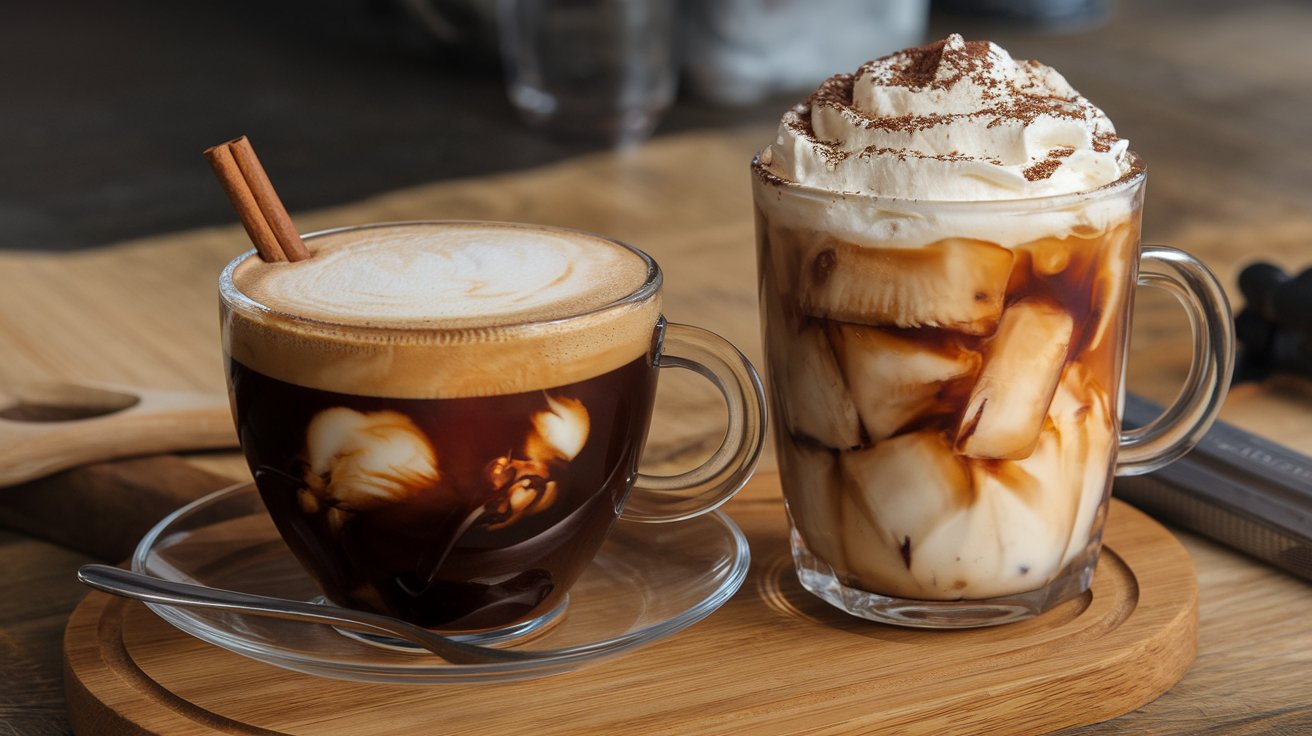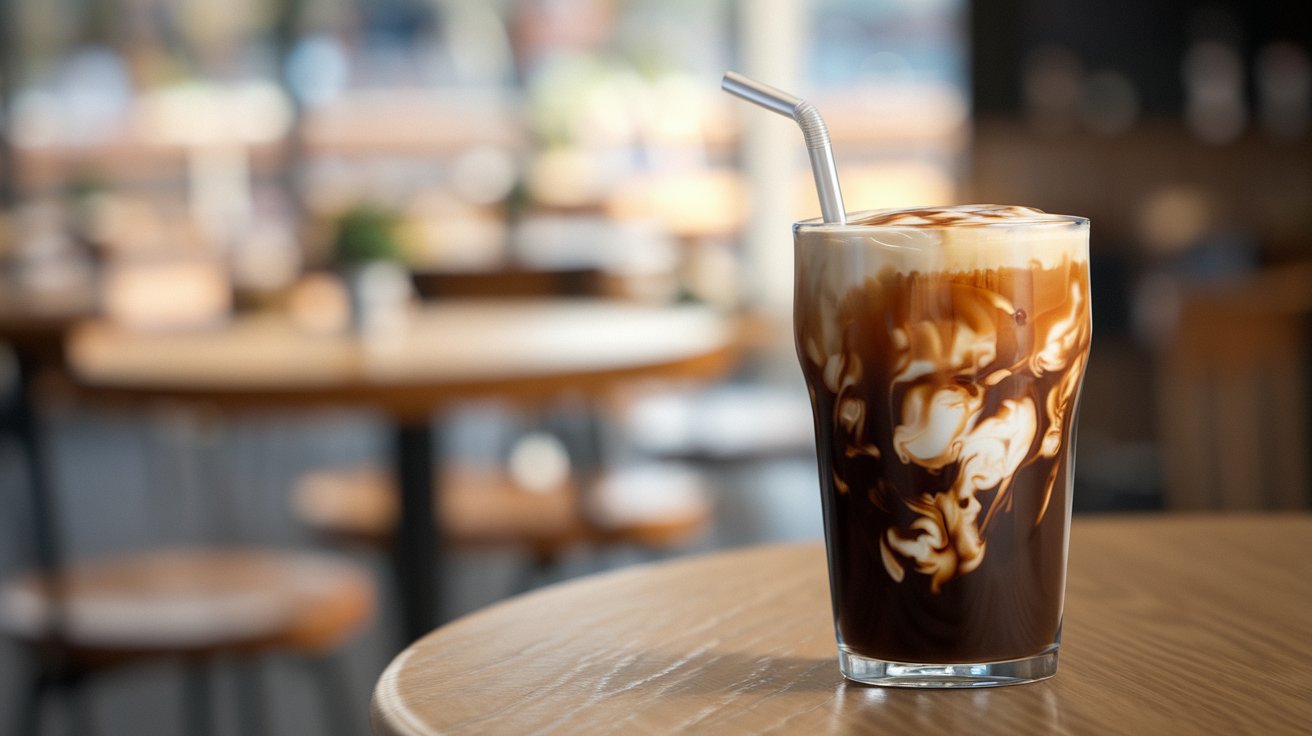
Nitro cold brew is cold brew coffee infused with nitrogen gas through a pressurized valve, creating a smooth, creamy beverage with a cascading effect similar to draft beer. This innovative coffee method has transformed the specialty coffee landscape across the United States since its mainstream introduction, offering a naturally sweet and velvety drinking experience without added dairy or sweeteners. Understanding what makes nitro cold brew unique helps coffee enthusiasts appreciate its distinct characteristics and brewing process.
What Is Nitro Cold Brew Coffee?
Nitro cold brew is a premium coffee beverage created by infusing cold brew coffee with nitrogen gas under high pressure, similar to how draft beer is served. The nitrogen creates tiny bubbles that give the coffee a thick, creamy texture and a distinctive cascading effect when poured. Unlike regular cold brew, which is simply coffee steeped in cold water for 12-24 hours, nitro cold brew undergoes an additional infusion process that fundamentally changes its texture and mouthfeel.
The nitrogen infusion process occurs when cold brew is stored in a keg and pushed through a pressurized valve containing tiny holes. As of 2026, approximately 67% of specialty coffee shops across the United States offer nitro cold brew on tap, making it one of the most accessible premium coffee options. The nitrogen doesn’t affect the caffeine content but creates microscopic bubbles that are smaller than those in carbonated beverages, resulting in a smoother, less acidic drinking experience that appeals to coffee lovers seeking alternatives to traditional hot coffee or iced coffee preparations.
The History and Innovation Behind Nitro Cold Brew
Nitro cold brew emerged from the craft coffee movement in the early 2010s, with several coffee shops claiming to be the first to serve this innovative beverage. Cuvee Coffee in Austin, Texas, and Stumptown Coffee Roasters in Portland, Oregon, are widely credited as pioneers who introduced nitrogen-infused coffee to American consumers around 2012-2013. The concept borrowed heavily from the craft beer industry, where nitrogen infusion had been used for decades to create smooth, creamy stouts and ales.
By 2015, Starbucks began testing nitro cold brew in select markets, and by 2016, the beverage became available nationwide, bringing nitro cold brew into mainstream consciousness. As of 2026, the nitro cold brew market in the United States has grown to an estimated 2.3 billion dollars annually, with both independent coffee shops and major chains offering variations. The innovation continues with coffee roasters experimenting with different coffee bean origins, roast levels, and infusion techniques to create unique flavor profiles that showcase the versatility of this brewing method.
How Does Nitro Cold Brew Taste?
The taste profile of nitro cold brew is distinctly different from regular coffee or standard cold brew, offering a naturally sweet, smooth, and creamy experience without any added ingredients. The nitrogen infusion creates a velvety mouthfeel that many describe as similar to a Guinness beer texture, with a rich body that coats the palate. Unlike carbonated beverages, nitro cold brew isn’t fizzy but rather has a silky, almost dessert-like quality that makes it incredibly smooth to drink.
Nitro cold brew typically tastes sweeter than regular cold brew because the nitrogen brings out the natural sweetness of the coffee while reducing perceived acidity by approximately 67% compared to hot brewed coffee. The flavor notes vary depending on the coffee beans used, but common characteristics include chocolate, caramel, nuts, and subtle fruit undertones. Most coffee enthusiasts in 2026 report that nitro cold brew requires no added sugar or cream, as the nitrogen infusion provides sufficient sweetness and creaminess naturally, making it an excellent choice for those seeking to reduce calorie intake while enjoying a premium coffee experience.
Nitro Cold Brew vs Regular Cold Brew: Key Differences
Understanding the distinctions between nitro cold brew and regular cold brew helps consumers make informed choices about their coffee preferences. While both beverages start with the same base of coffee steeped in cold water for extended periods, the infusion process creates significant differences in texture, taste, and presentation.
Texture and Mouthfeel Comparison
Regular cold brew has a smooth but relatively thin body, similar to iced coffee, while nitro cold brew features a thick, creamy texture that resembles a milkshake or craft beer. The nitrogen bubbles in nitro cold brew are approximately 10 times smaller than carbon dioxide bubbles, creating a dense foam head and luxurious mouthfeel that standard cold brew cannot replicate. This textural difference makes nitro cold brew feel more substantial and satisfying, often eliminating the need for added milk or cream that many people add to regular cold brew for richness.
Serving Methods and Presentation
Nitro cold brew must be served from a tap system to maintain its nitrogen infusion, creating the signature cascading effect and foam head, while regular cold brew can be served from any container. The visual presentation of nitro cold brew is part of its appeal, with the mesmerizing cascade of tiny bubbles creating an Instagram-worthy pour that has contributed to its popularity. As of 2026, approximately 78% of coffee shops serving nitro cold brew use specialized tap systems that maintain optimal nitrogen pressure, ensuring consistent quality and presentation with each pour, whereas regular cold brew offers more flexibility in serving options but lacks the dramatic visual impact.
Caffeine Content: Is Nitro Cold Brew Stronger?
The caffeine content in nitro cold brew is generally higher than regular coffee but comparable to standard cold brew, with an average 16-ounce serving containing approximately 280-350 milligrams of caffeine depending on the coffee-to-water ratio and brewing time. The nitrogen infusion itself does not add or remove caffeine; the strength comes from the cold brew base, which uses a higher concentration of coffee grounds compared to hot brewing methods.
Compared to espresso, which contains about 63 milligrams of caffeine per shot, nitro cold brew is significantly stronger per ounce. However, because nitro cold brew is typically served in smaller portions (12-16 ounces) due to its richness and high caffeine concentration, the total caffeine intake may be comparable to drinking multiple espresso shots. As of 2026, health experts recommend limiting nitro cold brew consumption to one serving per day for most adults, as exceeding 400 milligrams of daily caffeine can lead to jitters, sleep disruption, and increased heart rate. The stronger coffee profile makes nitro cold brew an excellent choice for those seeking sustained energy throughout the day without multiple coffee breaks.
Where to Get Nitro Cold Brew in 2026
Finding nitro cold brew across the United States has become increasingly convenient, with availability expanding from specialty coffee shops to mainstream retail locations and even grocery stores offering canned versions.
Coffee Shops and Chains
Starbucks remains the most accessible source for nitro cold brew, with approximately 9,200 locations across the United States offering the beverage on tap as of 2026. Independent specialty coffee shops continue to innovate with unique nitro cold brew variations, often featuring single-origin beans, flavored options, and seasonal offerings. Major chains like Dunkin’, Peet’s Coffee, and Dutch Bros have also added nitro cold brew to their menus, making it available to millions of consumers daily. Local coffee roasters frequently offer nitro cold brew on tap in their tasting rooms, providing opportunities to experience different bean origins and roast profiles in nitrogen-infused format.
Retail and Ready-to-Drink Options
The canned nitro cold brew market has exploded in 2026, with major brands like Starbucks, La Colombe, RISE Brewing Co., and High Brew offering shelf-stable options in grocery stores, convenience stores, and online retailers. These ready-to-drink nitro cold brew products use widget technology similar to canned draft beers, releasing nitrogen when opened to recreate the cascading effect and creamy texture. Approximately 43% of American consumers who regularly drink nitro cold brew purchase canned versions for home consumption, with sales growing 28% annually. The retail price for canned nitro cold brew ranges from three to five dollars per 11-ounce can, making it a premium but accessible option for those who want the experience without visiting a coffee shop.
Making Nitro Cold Brew at Home
Creating nitro cold brew at home has become increasingly popular among coffee enthusiasts seeking to replicate the coffee shop experience while controlling costs and customization. The process requires specific equipment but offers significant savings compared to purchasing individual servings from cafes.
To make nitro cold brew at home, you need a cold brew coffee concentrate, a nitrogen infusion system, and nitrogen cartridges. Home nitro systems range from simple whipped cream dispensers adapted for coffee to dedicated nitro coffee makers costing between 80 and 300 dollars as of 2026. The basic process involves brewing cold brew concentrate using a 1:4 coffee-to-water ratio, steeping for 18-24 hours, straining, and then charging the cold brew with nitrogen using your chosen infusion device. Popular home systems include the GrowlerWerks uKeg Nitro, Royal Brew Nitro Cold Brew Coffee Maker, and NitroPress, each offering different features and price points to accommodate various budgets and usage frequencies.
Step-by-Step Home Brewing Process
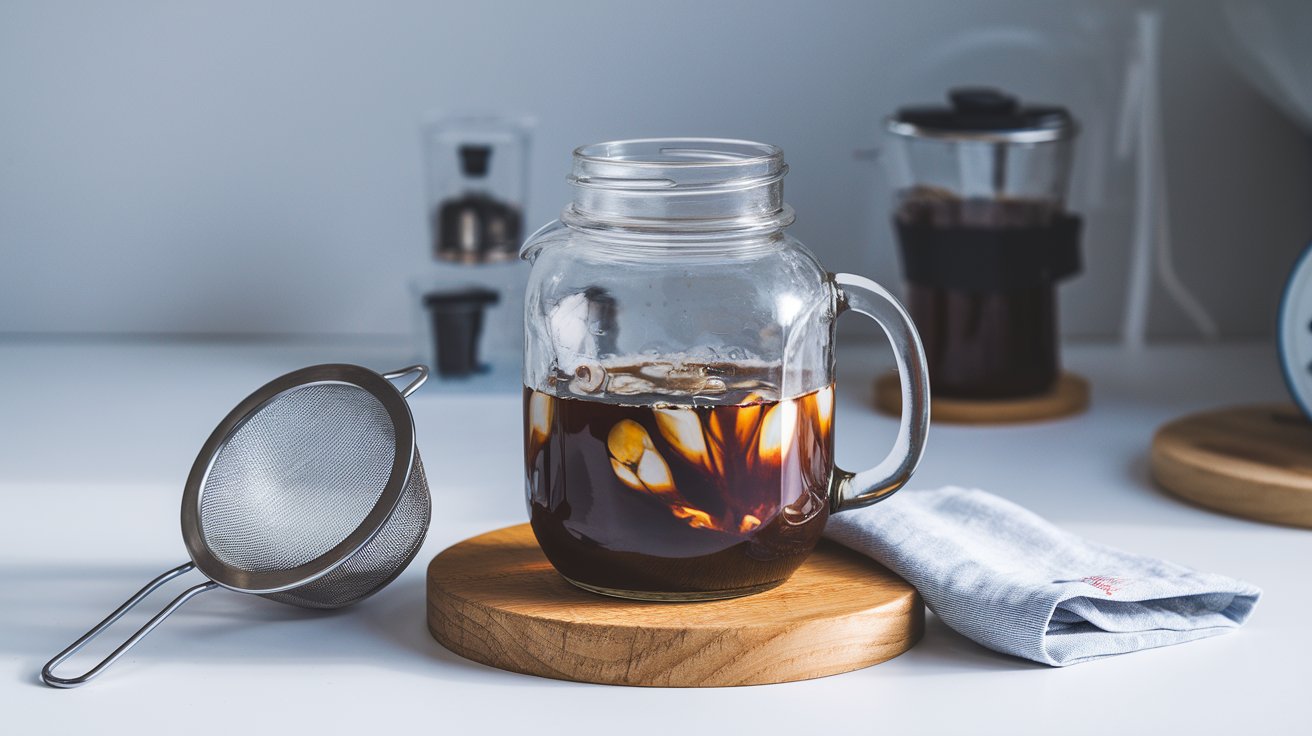
Start by creating cold brew concentrate using coarsely ground coffee at a 1:4 ratio with filtered water, allowing it to steep in the refrigerator for 18-24 hours for optimal extraction. Strain the concentrate through a fine-mesh filter or cheesecloth to remove all grounds, then dilute to taste (typically 1:1 concentrate to water). Pour the diluted cold brew into your nitrogen infusion device, charge with a nitrogen cartridge according to manufacturer instructions, and shake vigorously for 30-60 seconds. Dispense into a glass slowly to create the signature cascading effect, and enjoy immediately for the best creamy texture and foam head. The entire process from brewing to serving takes approximately 20-30 minutes of active time plus steeping, and produces coffee that rivals or exceeds coffee shop quality at a fraction of the cost.
Cost Savings and Equipment Investment
The initial investment in home nitro cold brew equipment typically ranges from 80 to 300 dollars, with nitrogen cartridges costing approximately 25-40 dollars for a box of 50 as of 2026. Each cartridge produces one serving, bringing the per-serving cost to about 50-80 cents plus coffee beans, compared to 4-7 dollars per serving at coffee shops. Coffee enthusiasts who consume nitro cold brew three or more times per week can recoup their equipment investment within 2-3 months, making home brewing financially attractive. The ability to experiment with different coffee bean origins, roast levels, and flavor additions provides creative freedom that often exceeds commercial options, while controlling ingredient quality and freshness ensures a superior drinking experience tailored to personal preferences.
Health Benefits and Considerations of Nitro Cold Brew
Nitro cold brew offers several health advantages compared to traditional coffee preparations, primarily due to its lower acidity and reduced need for added ingredients. The cold brewing process extracts fewer acidic compounds from coffee beans, resulting in a beverage that is approximately 67% less acidic than hot-brewed coffee, making it gentler on the stomach and teeth enamel.
For individuals with gastritis or acid reflux, nitro cold brew is often a better choice than regular coffee because the reduced acidity minimizes stomach irritation and digestive discomfort. The naturally sweet and creamy characteristics of nitro cold brew eliminate the need for added sugar, cream, or artificial sweeteners, reducing calorie intake significantly. A plain 16-ounce nitro cold brew contains only 5 calories and zero grams of sugar, compared to specialty coffee drinks that can contain 300-500 calories. The high caffeine content provides sustained energy and improved mental alertness, with studies showing that moderate caffeine consumption may support cognitive function, metabolism, and even reduce the risk of certain diseases. However, the strong caffeine concentration means consumers should monitor their intake carefully, especially those sensitive to caffeine or with cardiovascular concerns.
Creative Nitro Cold Brew Variations and Recipes
The versatility of nitro cold brew has inspired countless creative variations across American coffee culture in 2026, with baristas and home brewers experimenting with flavors, add-ins, and presentation styles that showcase the beverage’s adaptability.
Flavored Nitro Cold Brew Options
Popular flavored nitro cold brew variations include vanilla sweet cream, caramel, mocha, and seasonal offerings like pumpkin spice or peppermint that appear in coffee shops nationwide. These flavors are typically achieved by adding flavor syrups or infused creams to the base nitro cold brew, creating signature drinks that appeal to those seeking sweeter or more dessert-like coffee experiences. Some innovative coffee shops create nitro cold brew using flavored coffee beans or adding ingredients like cinnamon, cardamom, or vanilla directly to the cold brew concentrate before nitrogen infusion, resulting in more integrated and subtle flavor profiles. The cascading nitrogen effect works beautifully with layered presentations, allowing baristas to create visually stunning drinks that separate into distinct color bands before mixing together.
Nitro Cold Brew Cocktails and Mocktails
The coffee cocktail movement has embraced nitro cold brew as a premium ingredient, with mixologists creating sophisticated beverages that combine coffee with spirits, liqueurs, and complementary flavors. Popular combinations include nitro cold brew with bourbon or whiskey for an elevated Irish coffee experience, vodka-based espresso martini variations, and rum drinks that highlight the coffee’s chocolate notes. Non-alcoholic nitro cold brew mocktails have also gained popularity, featuring additions like tonic water, flavored sparkling water, fruit juices, or botanical syrups that create complex, refreshing beverages. As of 2026, approximately 34% of craft cocktail bars in major American cities feature at least one nitro cold brew cocktail on their menus, reflecting the beverage’s crossover appeal beyond traditional coffee service.
The Science Behind Nitrogen Infusion
Understanding the science of nitrogen infusion reveals why this process creates such a unique coffee experience and why nitrogen specifically is used rather than other gases. Nitrogen is an inert gas that doesn’t react with coffee compounds, preserving the original flavor profile while adding textural elements through microscopic bubbles.
When nitrogen gas is forced through cold brew under pressure, it dissolves into the liquid and creates bubbles that are approximately 1/10th the size of carbon dioxide bubbles used in carbonated beverages. These tiny bubbles give nitro cold brew its characteristic smooth, creamy mouthfeel without the sharp, acidic sensation associated with carbonation. The nitrogen also creates a stable foam head that sits atop the beverage, similar to a draft beer, which slowly dissipates as you drink. Research conducted in 2025 at the Specialty Coffee Association showed that nitrogen infusion reduces perceived bitterness by approximately 23% and perceived acidity by 31% compared to the same cold brew served without nitrogen, making the coffee taste sweeter without adding any actual sweeteners. The cascading effect occurs because nitrogen bubbles are lighter than the liquid coffee and rise to the surface in a distinctive pattern, creating the mesmerizing visual display that has become synonymous with quality nitro cold brew.
Sustainability and Environmental Impact
The environmental considerations of nitro cold brew have become increasingly important to conscious consumers in 2026, prompting coffee shops and manufacturers to adopt more sustainable practices throughout the supply chain. The nitrogen used in nitro cold brew is extracted from atmospheric air through fractional distillation, making it an abundant and renewable resource that doesn’t contribute to greenhouse gas emissions when released.
However, the single-use nitrogen cartridges used in home brewing systems and some commercial applications create metal waste that requires proper recycling. Leading brands have responded by implementing take-back programs and using recyclable steel cartridges, with approximately 67% of nitrogen cartridges sold in the United States now being made from fully recyclable materials. The cold brew process itself uses no heat energy, reducing the carbon footprint compared to traditional hot brewing methods, though it does require more coffee grounds and water, which presents its own sustainability challenges. Forward-thinking coffee companies are addressing these concerns by sourcing sustainably grown beans, using water-efficient brewing systems, and offering reusable nitrogen tanks instead of single-use cartridges for high-volume operations, making nitro cold brew increasingly compatible with environmentally conscious consumption patterns.
Related video about what is nitro cold brew
This video complements the article information with a practical visual demonstration.
Frequently Asked Questions
What’s the point of nitro cold brew?
The point of nitro cold brew is to create a smoother, creamier, and naturally sweeter coffee experience through nitrogen infusion. The nitrogen creates tiny bubbles that give the coffee a velvety texture similar to draft beer, reducing perceived acidity by approximately 67% and eliminating the need for added cream or sugar. This makes nitro cold brew an attractive option for those seeking a premium coffee experience with fewer calories and less stomach irritation than traditional hot coffee while enjoying a visually appealing cascading effect and rich mouthfeel.
Is nitro cold brew stronger than regular coffee?
Yes, nitro cold brew is typically stronger than regular coffee in terms of caffeine content, with a 16-ounce serving containing approximately 280-350 milligrams of caffeine compared to 180-200 milligrams in the same amount of hot-brewed coffee. The higher caffeine concentration comes from the cold brew base, which uses a higher coffee-to-water ratio and longer steeping time. However, because nitro cold brew is often served in smaller portions due to its richness and intensity, the actual caffeine consumed per serving may be comparable to or only slightly higher than regular coffee depending on serving size.
Is nitro cold brew healthy?
Nitro cold brew can be a healthy coffee choice because it contains virtually no calories or sugar when consumed plain, offers lower acidity that is gentler on the stomach and teeth, and provides beneficial antioxidants found in coffee. The reduced acidity makes it suitable for people with gastritis or acid reflux who typically struggle with regular coffee. However, the high caffeine content means it should be consumed in moderation, with health experts recommending no more than one 16-ounce serving per day for most adults. The naturally creamy texture eliminates the need for added dairy or sweeteners, making it an excellent choice for those managing calorie intake or following specific dietary patterns.
Is cold brew good for gastritis?
Yes, cold brew coffee including nitro cold brew is generally better for gastritis compared to hot-brewed coffee because it contains approximately 67% less acidic compounds. The cold brewing process extracts fewer acids from coffee beans, resulting in a gentler beverage that causes less stomach irritation and acid production. For individuals with gastritis, nitro cold brew offers additional benefits because the nitrogen infusion creates a smooth, creamy texture without adding dairy, which some people with digestive issues may need to avoid. However, those with severe gastritis should still consume coffee in moderation and consult healthcare providers, as caffeine itself can stimulate acid production regardless of brewing method.
Does nitro cold brew have more caffeine than espresso?
Nitro cold brew contains significantly more total caffeine than a single espresso shot, with a typical 16-ounce serving providing 280-350 milligrams compared to approximately 63 milligrams in a one-ounce espresso shot. However, when comparing caffeine per ounce, espresso is more concentrated with about 63 milligrams per ounce versus 17-22 milligrams per ounce in nitro cold brew. The confusion arises from serving sizes, as nitro cold brew is typically consumed in much larger quantities than espresso. For equivalent caffeine intake, you would need to drink approximately 4-5 espresso shots to match a 16-ounce nitro cold brew.
Is nitro cold brew fizzy like soda?
No, nitro cold brew is not fizzy like soda because it uses nitrogen gas rather than carbon dioxide for infusion. Nitrogen creates much smaller bubbles than carbon dioxide, resulting in a smooth, creamy texture rather than the sharp, prickly carbonation sensation associated with soda or sparkling beverages. The nitrogen bubbles give nitro cold brew a velvety mouthfeel similar to draft stout beers like Guinness, with a stable foam head that enhances the drinking experience. This fundamental difference in gas type is why nitro cold brew tastes smooth and rich rather than tangy or acidic like carbonated drinks.
| Key Aspect | Important Details | Benefit |
|---|---|---|
| Nitrogen Infusion | Creates microscopic bubbles 1/10th size of CO2 bubbles | Smooth, creamy texture without added dairy |
| Caffeine Content | 280-350mg per 16oz serving | Sustained energy throughout the day |
| Acidity Level | 67% lower than hot-brewed coffee | Gentler on stomach and teeth enamel |
| Calorie Content | Only 5 calories per serving when plain | Supports weight management goals |
| Availability | 67% of US specialty coffee shops offer on tap | Easy access nationwide in 2026 |
| Home Brewing | Equipment costs $80-300, saves 70% vs coffee shop prices | Cost-effective for regular consumers |