Making coffee without a coffee maker is easier than you think and often produces better-tasting results than automatic machines. Whether your coffee maker broke, you’re traveling, or you simply want to explore traditional brewing methods, you can create excellent coffee using basic kitchen tools you already own. This comprehensive guide covers eight proven techniques used by coffee enthusiasts across the United States in 2026, from the classic French press method to improvised solutions that require nothing more than hot water and ground coffee.
Essential Tools and Ingredients for Making Coffee Without a Machine
Before diving into specific brewing methods, you’ll need to gather a few basic supplies. The beauty of making coffee without a traditional coffee maker is that you likely already have everything required in your kitchen. At minimum, you need ground coffee, hot water, and something to strain the grounds from the liquid. Quality matters significantly: according to 2026 surveys from the National Coffee Association, 68% of American coffee drinkers report that fresh, properly ground beans make the biggest difference in taste when brewing without machines.
For optimal results, use medium-coarse ground coffee for most manual brewing methods. Fine grinds work better for Turkish-style coffee, while coarse grinds excel in French press and cold brew applications. Water temperature should range between 195°F and 205°F for hot brewing methods. A kitchen thermometer helps achieve precision, but boiling water left to cool for 30 seconds typically reaches the ideal temperature. Most methods require a coffee-to-water ratio of 1:15 to 1:17, meaning one gram of coffee per 15-17 grams of water, which translates to roughly two tablespoons of ground coffee per six ounces of water.
The French Press Method: Classic Coffee Without Electricity
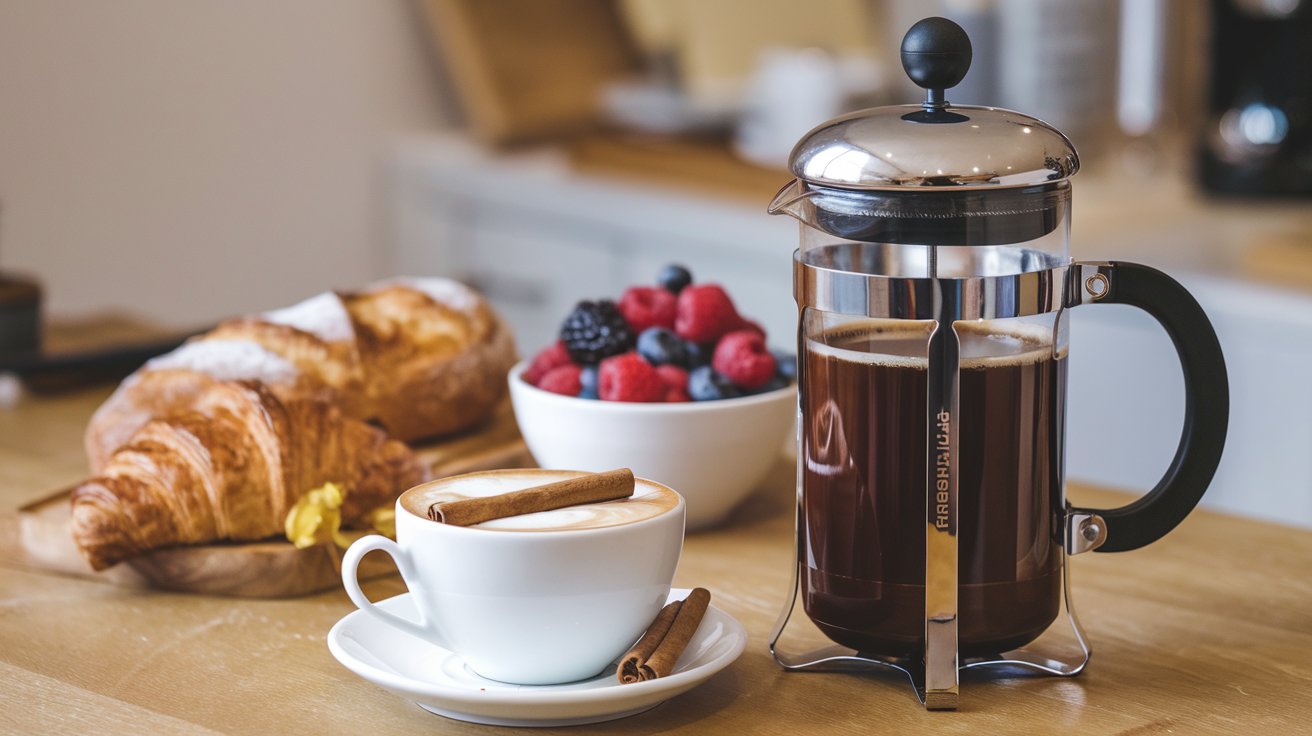
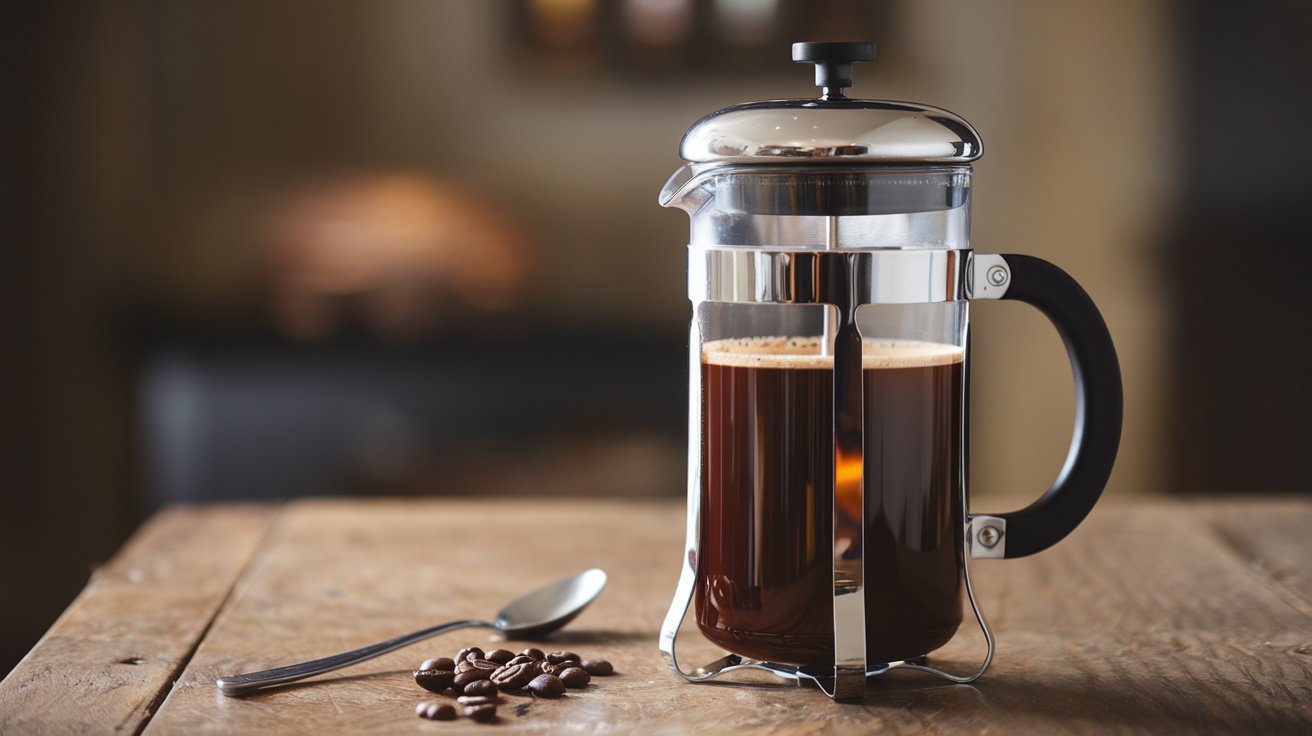
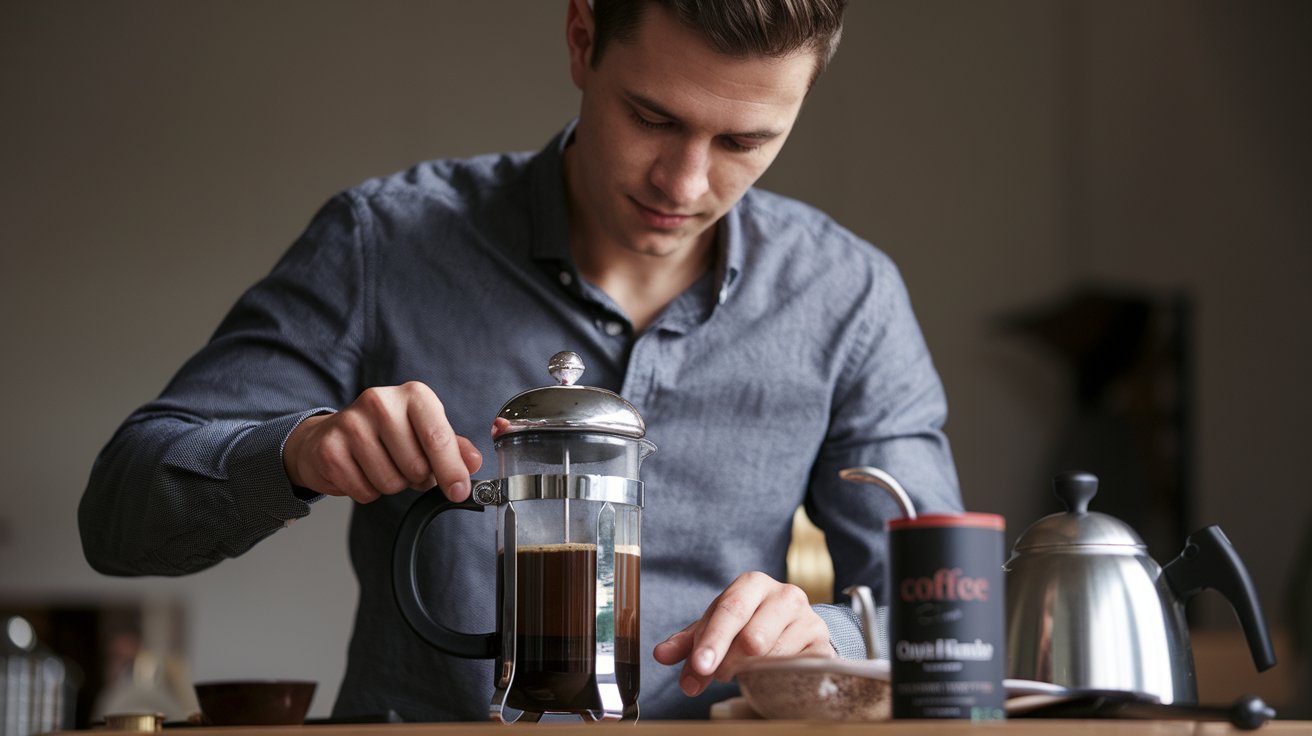
The French press method remains one of the most popular ways to make coffee without an electric coffee maker in the United States. This technique produces rich, full-bodied coffee by allowing grounds to steep directly in hot water before pressing them to the bottom with a mesh plunger. In 2026, approximately 42% of manual coffee brewing enthusiasts own at least one French press, according to specialty coffee retailer data.
To brew with a French press, start by adding coarse ground coffee to the empty carafe at a ratio of one ounce of coffee per 16 ounces of water. Heat water to just below boiling (around 200°F), then pour it over the grounds, ensuring all coffee is saturated. Stir gently after 30 seconds to break up the crust that forms on top. Place the lid on with the plunger pulled up, and let the coffee steep for exactly four minutes. This timing is critical: under-extraction results in weak, sour coffee, while over-extraction creates bitter flavors. After four minutes, press the plunger down slowly and steadily, taking about 20 seconds to complete the press. Pour immediately to prevent continued extraction.
Cowboy Coffee: The No-Equipment Brewing Technique
Cowboy coffee requires absolutely no special equipment beyond a pot and heat source, making it the ultimate survival brewing method. This technique has been used across the American West for over 150 years and remains popular among campers, hikers, and those experiencing coffee maker emergencies. The method involves boiling ground coffee directly in water, then allowing the grounds to settle before pouring.
To make cowboy coffee, bring water to a rolling boil in a pot or kettle. Remove from heat and let sit for 30 seconds to drop the temperature slightly. Add two tablespoons of coarse ground coffee per eight ounces of water directly to the pot. Return to heat briefly, just until the mixture begins to boil again, then immediately remove. Let the pot sit undisturbed for four to five minutes, allowing grounds to sink to the bottom. Some brewers add a small splash of cold water at this stage, which helps grounds settle faster. Pour slowly and carefully into your cup, stopping before the grounds at the bottom disturb. The last ounce in the pot will be murky, so leave it behind.
DIY Pour-Over Coffee Using Common Kitchen Items
Creating pour-over coffee without specialized equipment delivers clean, nuanced flavors that highlight your coffee’s natural characteristics. This method has gained significant popularity in urban areas across the United States, with manual coffee brewing increasing by 34% between 2023 and 2026 according to coffee industry reports. You can improvise a pour-over setup using items already in your kitchen.
Using a Fine Mesh Strainer for Pour-Over Coffee
A fine mesh strainer creates an excellent makeshift pour-over system. Place the strainer over your mug and line it with a paper towel, coffee filter, or even a clean cloth napkin. Add two tablespoons of medium-fine ground coffee to the filter. Pour just enough hot water to saturate all the grounds, allowing them to bloom for 30 seconds. This blooming process releases carbon dioxide and prepares the coffee for optimal extraction. Continue pouring hot water in slow, circular motions, maintaining a steady stream. The entire pour should take three to four minutes for an eight-ounce cup. This method using filter paper produces remarkably clean coffee with bright flavor notes.
Coffee Sock or Cloth Filter Technique
The cloth filter method provides a reusable, environmentally friendly alternative to paper filters. Use a clean cotton cloth, muslin bag, or even a clean sock (dedicated to coffee use only) as your filter. Wet the cloth with hot water first to remove any residual flavors and warm the material. Place your cloth over a cup or bowl, add ground coffee, and pour hot water in stages exactly as you would with paper filters. Cloth filters allow more oils through than paper, creating a brew with more body similar to French press coffee but cleaner than cowboy coffee. After use, rinse the cloth thoroughly with hot water without soap, wring it out, and store it in the refrigerator in a sealed container with fresh water. Replace the water daily to prevent mold growth.
Cold Brew Coffee: No Heat Required Method
Cold brew coffee has become increasingly popular in the United States, with consumption growing by 580% between 2011 and 2026 according to market research data. This method requires no heat whatsoever, making it perfect for hot summer months or when you lack access to a heat source. The extended steeping time extracts coffee’s flavors while leaving behind much of the acidity and bitter compounds that hot water pulls out.
To make cold brew without any machine, combine one cup of coarse ground coffee with four cups of cold or room temperature water in any container with a lid. Stir to ensure all grounds are saturated, then cover and leave at room temperature or in the refrigerator for 12 to 24 hours. Longer steep times produce stronger, more concentrated coffee. After steeping, strain the mixture through a fine mesh strainer lined with cheesecloth, a coffee filter, or a clean kitchen towel. The resulting concentrate can be diluted with water, milk, or ice at a 1:1 ratio for regular strength coffee, or enjoyed as-is for a more intense experience. Undiluted cold brew concentrate stores in the refrigerator for up to two weeks, providing ready-to-drink coffee whenever you need it.
Turkish Coffee Method: Traditional Stovetop Brewing
Turkish coffee represents one of the world’s oldest coffee preparation methods, dating back to the 15th century. This technique creates an intensely strong, rich coffee with a unique texture that includes fine grounds in the final cup. While traditionally made in a specialized pot called a cezve or ibrik, you can achieve excellent results using any small saucepan or pot.
For authentic Turkish coffee, you need very finely ground coffee, almost powder-like in consistency. Combine one heaping teaspoon of this fine coffee with three ounces of cold water in a small pot. Add sugar now if desired, as stirring after brewing is considered improper in traditional preparation. Place over medium-low heat and watch carefully without stirring. As the mixture heats, a dark foam will form on top. Just before it boils over, remove from heat. Let the foam settle for a few seconds, then return to heat. Repeat this process two or three times. Pour into a small cup, grounds and all, and wait one to two minutes for grounds to settle before drinking. The coffee grounds at the bottom are not consumed but left in the cup.
Coffee Bag Method: DIY Single-Serve Brewing
The coffee bag method works exactly like a tea bag and provides one of the simplest ways to brew coffee without any equipment. This technique is particularly useful for travel, camping, or office situations where you have access to hot water but no brewing equipment. You create individual servings that steep directly in hot water.
To make a coffee bag, place two tablespoons of medium-ground coffee in the center of a coffee filter or piece of cheesecloth. Gather the edges and tie securely with unflavored dental floss or kitchen twine, leaving a long tail like a tea bag string. Place your coffee bag in a mug and pour eight ounces of hot water over it. Let steep for four to five minutes, occasionally dunking the bag to ensure even extraction. Remove the bag, squeezing gently to extract remaining liquid. You can prepare multiple coffee bags in advance and store them in an airtight container, creating your own instant brewing system that requires only hot water. This method produces lighter-bodied coffee than French press or cowboy methods but offers unmatched convenience.
Mason Jar Brewing: Simple Immersion Method
The mason jar method provides an accessible alternative to French press brewing using a common kitchen item. This immersion technique allows coffee grounds to steep in hot water before straining, producing rich, full-flavored coffee. According to 2026 home brewing surveys, 23% of Americans who brew coffee without machines have used the mason jar method at least once.
Add four tablespoons of coarse ground coffee to a quart-size mason jar. Pour in two cups of hot water just off the boil, ensuring all grounds are saturated. Screw the lid on loosely to retain heat. Let steep for four minutes for standard strength or up to six minutes for stronger coffee. After steeping, strain the coffee through a fine mesh strainer lined with a coffee filter, paper towel, or cheesecloth into another container or directly into your cup. The mason jar’s wide mouth makes adding coffee and pouring easy, while the glass construction allows you to watch the brewing process. This method requires no special equipment beyond items found in most American kitchens, making it ideal for beginners exploring manual coffee brewing.
Swedish Egg Coffee: Unique Clarity Enhancement Technique
Swedish egg coffee might sound unusual, but this traditional Scandinavian method, popular in parts of the upper Midwest United States, produces remarkably clear, smooth coffee with reduced bitterness. The egg proteins bind to the coffee grounds and bitter compounds, clarifying the brew while mellowing harsh flavors. This technique gained renewed interest in 2025-2026 through social media demonstrations reaching over 15 million views.
To make egg coffee, combine half a cup of coarse ground coffee with one raw egg, including the crushed shell, in a bowl. Mix thoroughly until the coffee, egg, and shell form a thick paste. Bring eight cups of water to a rolling boil in a large pot. Add the coffee-egg mixture to the boiling water and return to a boil for three minutes. The mixture will foam up considerably, so use a pot larger than you think necessary. Remove from heat and add one cup of cold water, which immediately settles the grounds. Let sit for five minutes, then carefully ladle or pour the crystal-clear coffee from the top, leaving the settled mass at the bottom. The result is exceptionally smooth coffee with low acidity and remarkable clarity. Discard the grounds and egg mixture at the bottom.
Making Coffee With Milk: Alternative Brewing Approaches
Many people search for how to make coffee without a coffee maker with milk, looking for methods that incorporate milk directly into the brewing process. While most traditional techniques brew coffee with water first, then add milk, you can create cafe-style drinks using manual methods and simple milk preparation techniques.
Stovetop Milk-Based Coffee Brewing
For a coffee with milk brewed together, try the Indian-style method of simmering coffee and milk simultaneously. Combine one cup of whole milk with two tablespoons of finely ground coffee and one to two teaspoons of sugar in a small saucepan. Heat over medium-low heat, stirring occasionally to prevent scorching. As the mixture heats, it will foam considerably. Just before it boils over, remove from heat and let the foam settle. Return to heat and repeat this process twice more. Strain through a fine mesh strainer into your cup. This creates a rich, creamy coffee similar to a latte but made entirely on the stovetop without any machines. The milk’s proteins and fats balance the coffee’s acidity naturally.
Manual Milk Frothing Techniques
To create frothed milk without a machine, heat milk in a microwave or on the stovetop until steaming but not boiling (around 150°F). Pour the hot milk into a jar with a tight-fitting lid, filling it no more than halfway. Seal the jar and shake vigorously for 30 to 60 seconds until the milk doubles in volume with foam. Alternatively, whisk hot milk aggressively in a bowl for one to two minutes, or use a handheld mixer if available. Pour your manually brewed coffee into a large mug, then add the frothed milk by spooning foam on top first, followed by the liquid milk. This technique works with any brewing method described in this guide, transforming simple black coffee into cafe-quality drinks at home. For best results, use whole milk, which froths more easily than low-fat alternatives due to its higher fat content.
Anti-Inflammatory Coffee Preparation Methods
Searches for anti-inflammatory coffee have increased by 127% in 2026 as health-conscious Americans seek ways to maximize coffee’s benefits while minimizing potential inflammatory effects. The brewing method you choose can significantly impact your coffee’s inflammatory properties, with certain techniques producing compounds that may reduce inflammation while others may increase it.
Cold brew coffee naturally contains up to 67% less acid than hot-brewed coffee, according to chemistry research published in 2024. This lower acidity may reduce gastrointestinal inflammation in sensitive individuals. Additionally, cold brewing extracts fewer bitter compounds and oxidized oils that some research suggests may trigger inflammatory responses. To enhance anti-inflammatory properties further, add spices like cinnamon, turmeric, or ginger to your grounds before brewing. These spices contain powerful anti-inflammatory compounds that infuse into your coffee during the brewing process. A popular 2026 recipe combines two tablespoons of ground coffee with half a teaspoon of cinnamon and a quarter teaspoon of turmeric for a 12-hour cold brew. The paper filter pour-over method also removes cafestol and kahweol, diterpenes that may raise inflammatory markers in some people, though these same compounds show anti-cancer properties in other studies. Choose your brewing method based on your individual health goals and consult healthcare providers about coffee consumption if you have inflammatory conditions.
Common Mistakes When Making Coffee Without a Machine
Even experienced home brewers make errors when preparing coffee without a coffee maker. Understanding these common mistakes helps you avoid them and consistently produce better-tasting coffee. The most frequent error is using water that’s too hot or actually boiling. Boiling water scorches coffee grounds, extracting excessive bitter compounds while leaving behind desirable flavors. Water temperature should stay between 195°F and 205°F for optimal extraction in most methods.
Another prevalent mistake involves incorrect coffee-to-water ratios. Many beginners use too little coffee, resulting in weak, disappointing brews, or too much, creating overly strong, bitter results. The standard ratio of one to two tablespoons per six ounces of water provides a reliable starting point, which you can adjust based on personal preference. Using pre-ground coffee that’s been sitting open for weeks significantly degrades flavor. Coffee begins losing freshness within 15 minutes of grinding, and 2026 taste tests show that coffee ground more than two weeks prior produces noticeably inferior results compared to freshly ground beans. Grind size also matters tremendously: fine grinds in a French press create sludgy, over-extracted coffee, while coarse grinds in a pour-over under-extract, producing weak, sour results. Finally, many people fail to clean their brewing equipment properly. Oils and residue from previous brews turn rancid quickly, contaminating fresh coffee with stale, bitter flavors. Rinse all equipment thoroughly with hot water after each use, and perform weekly deep cleans with hot water and a small amount of baking soda.
Related video about how to make coffee without a coffee maker
This video complements the article information with a practical visual demonstration.
Important things to know about how to make coffee without a coffee maker
Can I just pour hot water on ground coffee and drink it?
Yes, you can pour hot water directly on ground coffee, but you’ll need to strain out the grounds before drinking. This cowboy coffee method works by adding two tablespoons of coarse ground coffee to eight ounces of just-boiled water, letting it steep for four to five minutes, then carefully pouring the liquid off the settled grounds or straining through a fine mesh strainer. While simple, this method produces good coffee when done correctly. The key is using coarse grounds, which settle more easily, and not disturbing the sediment when pouring. For cleaner results, strain through a paper towel, coffee filter, or cloth. This technique requires no special equipment and works anywhere you can heat water, making it ideal for travel, camping, or emergency situations when your coffee maker breaks.
What can I use instead of a coffee maker at home?
You can use numerous common kitchen items instead of a coffee maker, including a French press, fine mesh strainer, mason jar, small pot, or even a mug with improvised filtering. The French press method produces rich, full-bodied coffee and is the most popular alternative, used by 42% of manual brewing enthusiasts in 2026. For minimal equipment, the cowboy method requires only a pot to boil water and coffee together, then settling the grounds. A DIY pour-over setup using a strainer lined with a paper towel over your mug creates clean, flavorful coffee. Mason jars work excellently for immersion brewing when you steep grounds in hot water then strain. Cold brew requires no heat at all, just coffee, water, and 12-24 hours of steeping time. Each method produces different flavor profiles, so experiment to find your preference.
How long should I steep coffee without a machine?
Steeping time varies by brewing method, but most hot coffee techniques require three to five minutes for optimal extraction. French press coffee should steep for exactly four minutes after adding hot water to grounds, while cowboy coffee needs four to five minutes for grounds to settle after removing from heat. DIY pour-over methods involve continuous pouring over three to four minutes rather than static steeping. Turkish coffee brews in just two to three minutes over heat with multiple foam-ups. Cold brew is the major exception, requiring 12 to 24 hours of steeping at room temperature or refrigerated. Steeping too long causes over-extraction, resulting in bitter, harsh coffee, while insufficient steeping produces weak, sour results. Start with the recommended time for your chosen method, then adjust by 30-second increments in future brews based on taste preferences. Keep notes on timing to replicate successful results.
Do I need a filter to make coffee without a coffee maker?
No, you don’t absolutely need a filter to make coffee without a coffee maker, though filtering produces cleaner results. Several no-filter methods work excellently: cowboy coffee allows grounds to settle naturally before carefully pouring the liquid off the top; French press uses a metal mesh plunger to separate grounds; Turkish coffee includes fine grounds in the finished cup as part of the traditional preparation. However, using some type of filter, even improvised, generally improves your coffee. Paper towels, coffee filters, cheesecloth, clean cloth napkins, or even clean cotton socks all work as effective filters. Fine mesh strainers alone can filter coffee if you use coarse grounds, though some sediment may pass through. The filter choice affects flavor: paper filters remove oils and produce very clean coffee, cloth filters allow some oils through for more body, and no filter creates the fullest body but includes sediment. Choose based on your taste preferences and available materials.
What is the easiest way to make coffee without a coffee maker?
The coffee bag method is the easiest way to make coffee without a coffee maker, requiring only ground coffee, a coffee filter or cheesecloth, string, and hot water. Simply place two tablespoons of ground coffee in a filter, tie it closed with string like a tea bag, place it in a mug, pour hot water over it, and steep for four to five minutes. This method requires no special skills, timing is forgiving, and cleanup is minimal. Alternatively, the mason jar method is nearly as simple: add coffee and hot water to a jar, let steep for four minutes, then strain through any available filter material. For truly minimal effort, cowboy coffee works well once you master the technique: boil water, remove from heat, add coffee, let settle for five minutes, then pour carefully. Each method takes under ten minutes total and uses items found in most kitchens, making them accessible for beginners or anyone needing quick coffee without machines.
How do you make strong coffee without a coffee maker?
To make strong coffee without a coffee maker, increase the coffee-to-water ratio, extend steeping time slightly, or choose methods that naturally produce bolder flavors. Standard brewing uses one to two tablespoons of coffee per six ounces of water; for stronger results, increase to three tablespoons or reduce water to four ounces per two tablespoons of coffee. French press and cowboy methods naturally produce stronger, bolder coffee than pour-over techniques because the grounds contact water longer. Turkish coffee creates the strongest possible brew by using finely ground coffee at a ratio of one heaping teaspoon to just three ounces of water, then boiling the mixture directly. For cold brew concentrate, use a 1:4 coffee-to-water ratio and steep for 24 hours, creating an extremely strong concentrate you can dilute to desired strength. Avoid extending steeping time beyond recommended ranges, as this causes over-extraction and bitterness rather than pleasant strength. Quality matters significantly: freshly ground, dark-roasted beans produce stronger flavor than pre-ground, light-roasted alternatives regardless of method used.
| Brewing Method | Equipment Needed | Brew Time | Best For |
|---|---|---|---|
| French Press | French press, coarse grounds | 4 minutes | Rich, full-bodied coffee with minimal effort |
| Cowboy Coffee | Pot, heat source only | 5-6 minutes | Camping, emergencies, no equipment available |
| Pour-Over (DIY) | Strainer, filter/paper towel | 3-4 minutes | Clean, nuanced flavors with bright notes |
| Cold Brew | Container, strainer, time | 12-24 hours | Low-acid coffee, make-ahead convenience |
| Coffee Bag | Filter/cloth, string | 4-5 minutes | Travel, office, ultimate simplicity |
| Mason Jar | Jar, strainer, filter | 4-6 minutes | French press alternative, beginners |
| Turkish Coffee | Small pot, fine grounds | 3-4 minutes | Very strong, traditional coffee experience |
| Swedish Egg | Large pot, egg, grounds | 8-10 minutes | Exceptionally smooth, clear, low-acid coffee |