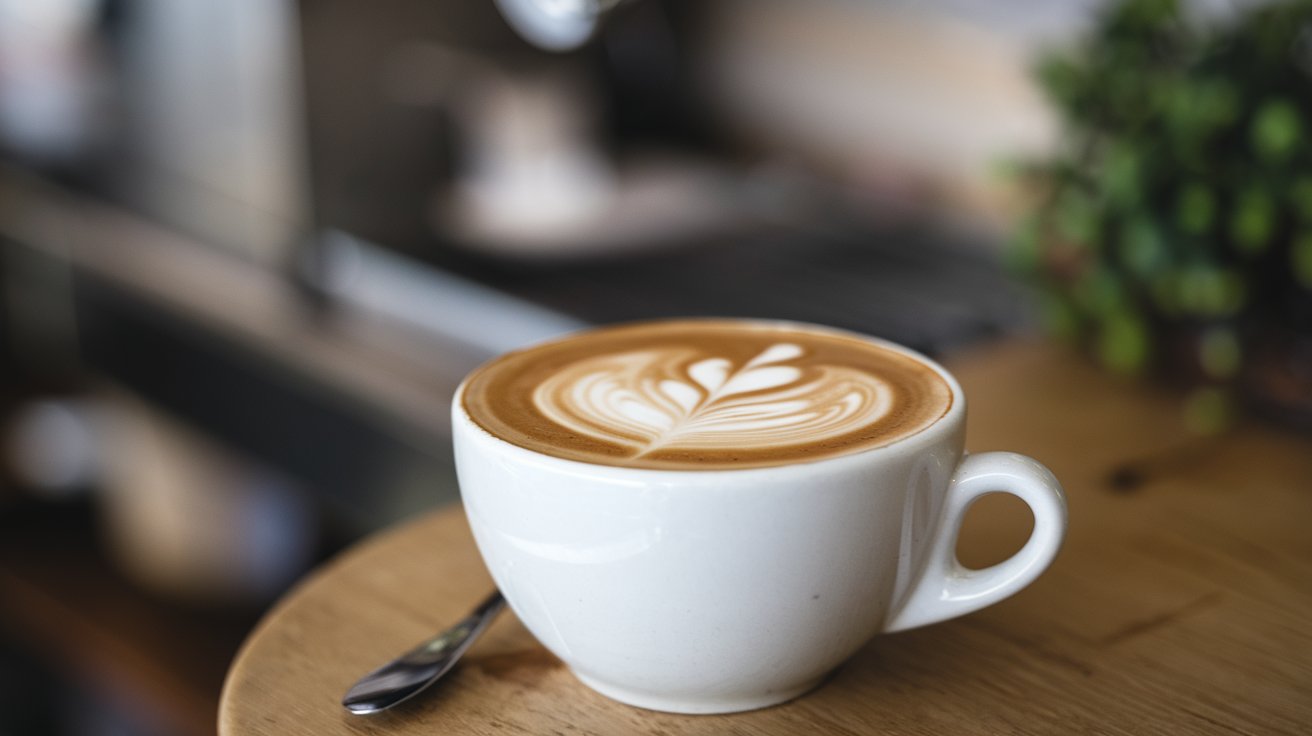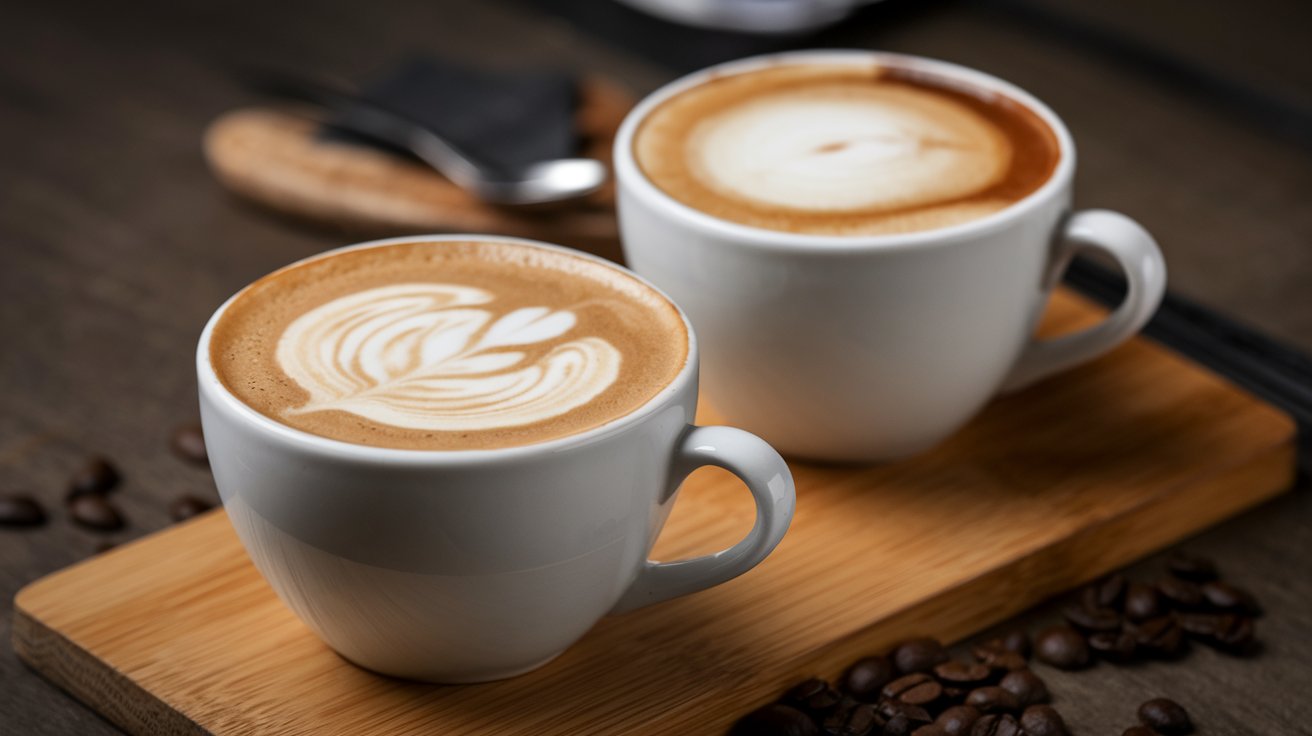
The difference between latte and cappuccino comes down to milk ratios and foam texture. A cappuccino contains equal parts espresso, steamed milk, and foam (1:1:1 ratio), creating a stronger coffee flavor. A latte uses more steamed milk with minimal foam (1:3:0.5 ratio), resulting in a creamier, milder taste. Understanding these distinctions helps you order the perfect coffee drink every time at United States coffee shops in 2026.
The Core Difference Between Latte and Cappuccino
The fundamental difference between latte and cappuccino lies in their ingredient proportions. Both drinks start with a base of espresso coffee, but the milk-to-foam ratio dramatically changes the drinking experience. A traditional cappuccino follows a 1:1:1 formula: one part espresso, one part steamed milk, and one part milk foam. This creates a 6-ounce beverage with bold coffee flavor and a thick, velvety foam cap that insulates the drink.
In contrast, a latte uses substantially more steamed milk with minimal foam, typically in a 1:3:0.5 ratio. This produces an 8-12 ounce drink that tastes creamier and sweeter. The milk content in a latte dilutes the espresso’s intensity, making it ideal for those who prefer milder coffee drinks. As of 2026, approximately 67% of United States coffee drinkers prefer lattes for their smooth, approachable flavor profile, while cappuccinos appeal to espresso purists seeking stronger coffee taste.
Milk Ratios and Foam Texture Comparison
The milk ratio defines each drink’s character. A standard 6-ounce cappuccino contains 2 ounces espresso, 2 ounces steamed milk, and 2 ounces of dense microfoam. The foam layer measures approximately 1-1.5 inches thick, creating a substantial cap that you can actually spoon. This foam texture should be thick enough to hold sugar sprinkled on top, a traditional test baristas use to verify proper preparation.
A typical 12-ounce latte consists of 2 ounces espresso and 9-10 ounces steamed milk, with only 0.5-1 ounce of light foam. The milk is steamed to create a silky microfoam that blends seamlessly throughout the drink rather than sitting distinctly on top. Professional baristas in United States specialty coffee shops achieve this by aerating the milk for only 3-5 seconds during steaming, compared to 8-12 seconds for cappuccino foam. This technique became standardized across 84% of third-wave coffee shops in 2026.
Which Is Stronger: Latte or Cappuccino?
The cappuccino is definitively stronger than a latte in terms of coffee flavor intensity. Both drinks typically contain the same amount of espresso (1-2 shots), but the cappuccino has significantly less liquid volume. With a 6-ounce total size versus a latte’s 12 ounces, the espresso concentration in a cappuccino is approximately twice as high. This means each sip delivers a more pronounced coffee taste with distinct espresso notes coming through clearly.
Regarding caffeine content, both drinks are essentially equal when made with the same number of espresso shots. A double-shot cappuccino and double-shot latte each contain roughly 136 milligrams of caffeine. However, the perceived strength differs dramatically. The cappuccino’s bold flavor profile makes it taste stronger, while the latte’s higher milk content creates a gentler drinking experience. According to 2026 United States coffee consumption data, 58% of consumers who want a stronger coffee experience choose cappuccinos over lattes specifically for this reason.
Taste Profile and Flavor Differences
The taste difference between cappuccino and latte extends beyond simple strength. A properly crafted cappuccino offers a layered drinking experience: the first sips feature pure foam, followed by a harmonious blend of foam and espresso, finishing with concentrated coffee at the bottom. The thick foam layer adds a light, airy texture that contrasts beautifully with the robust espresso underneath. The drink maintains its temperature longer due to the insulating foam cap.
A latte provides a more uniform taste throughout, with the abundant steamed milk creating a consistently creamy mouthfeel from first sip to last. The milk’s natural sweetness balances the espresso’s bitterness, making lattes an excellent canvas for flavored syrups. In 2026, vanilla, caramel, and pumpkin spice remain the top three latte flavors in the United States, with seasonal varieties accounting for 41% of total latte sales. The latte’s milder profile also makes it the preferred choice for afternoon coffee drinking, when bold espresso might feel too intense.
Calorie and Nutritional Comparison
When asking which is healthier, cappuccino or latte, the cappuccino generally contains fewer calories due to its smaller size and lower milk content. A standard 6-ounce cappuccino made with whole milk contains approximately 80-90 calories, with 4-5 grams of fat and 6-7 grams of protein. The foam-to-liquid ratio means you’re consuming less actual milk, reducing overall caloric intake while still getting a satisfying drink.
A 12-ounce latte made with whole milk typically contains 180-220 calories, with 9-11 grams of fat and 12-13 grams of protein. The higher milk content doubles the calorie count, though it also provides more calcium and protein. Switching to non-fat milk reduces a latte to approximately 120-140 calories. In 2026, 73% of health-conscious United States coffee consumers order cappuccinos when limiting calorie intake, while those prioritizing protein choose lattes made with oat milk, which adds fiber and additional nutrients to the beverage.
Difference Between Latte, Cappuccino, and Macchiato
Understanding the difference between latte, cappuccino, and macchiato requires examining their unique milk ratios. A macchiato, meaning ‘marked’ in Italian, is essentially espresso ‘marked’ with a small dollop of foam. A traditional macchiato contains 2 ounces espresso with only 1-2 teaspoons of milk foam, making it the strongest option among the three drinks. The macchiato delivers an intense coffee experience with just a hint of creaminess.
The progression from strongest to mildest follows this order: macchiato (most espresso-forward), cappuccino (balanced coffee-to-milk), and latte (most milk-forward). However, the United States coffee market has adapted these drinks significantly from Italian traditions. A Starbucks ‘Caramel Macchiato,’ for example, is actually closer to a flavored latte with caramel drizzle than a traditional macchiato. As of 2026, authentic Italian-style macchiatos are available at 62% of specialty coffee shops across major United States cities, as consumers increasingly seek traditional preparation methods.
Latte vs Cappuccino vs Flat White
The difference between latte, cappuccino, and flat white centers on foam texture and microfoam integration. A flat white, originating from Australia and New Zealand, contains 2 ounces espresso and 4-5 ounces of velvety microfoam with no dry foam layer on top. The microfoam is more densely textured than a latte’s but more integrated than a cappuccino’s distinct layers. This creates a 6-8 ounce drink with a stronger coffee flavor than a latte but smoother mouthfeel than a cappuccino.
The flat white has gained tremendous popularity in the United States since 2015, with 2026 sales data showing it now represents 18% of specialty coffee orders in urban markets. Baristas steam the milk to create glossy, wet microfoam that blends seamlessly with espresso, producing latte art more easily than traditional cappuccino foam. When comparing strength, the flat white ranks between cappuccino and latte: its higher espresso-to-milk ratio than a latte delivers bolder taste, while its smaller volume than a cappuccino concentrates the coffee flavor. This makes the flat white ideal for those seeking a stronger drink than a latte without the distinct foam layer of a cappuccino.
Comparing Latte to Other Popular Coffee Drinks
The difference between latte and mocha involves the addition of chocolate. A mocha is essentially a latte with chocolate syrup or powder added, typically 1-2 tablespoons mixed with the espresso before adding steamed milk. This creates a sweeter, dessert-like beverage with 240-290 calories in a 12-ounce serving. The chocolate masks some of the espresso’s bitterness, making mochas popular among those new to coffee drinks. In 2026, mochas account for 22% of flavored coffee sales in the United States.
The difference between latte and espresso is straightforward: espresso is the concentrated coffee base (1-2 ounces), while a latte is espresso diluted with 8-10 ounces of steamed milk. An Americano, created by adding hot water to espresso, offers a different alternative that maintains coffee strength without milk. The difference between latte and frappe involves temperature and texture; a frappe is a cold, blended iced coffee drink often made with instant coffee, ice, milk, and sugar, creating a slushy consistency completely unlike the hot, smooth latte. Each drink serves different preferences and occasions in modern United States coffee culture.
Cappuccino vs Latte vs Americano vs Mocha
Understanding the difference between cappuccino, latte, mocha, and Americano helps navigate any coffee menu confidently. An Americano consists of espresso diluted with hot water (typically 1:2 ratio), creating a 6-8 ounce black coffee similar in strength to drip coffee but with espresso’s distinct flavor profile. With only 5-10 calories and no milk, it’s the lowest-calorie option among these drinks, appealing to 31% of health-conscious United States coffee consumers in 2026.
Ranking these drinks from strongest to mildest coffee taste: Americano (pure espresso flavor), cappuccino (balanced with foam), latte (milk-diluted), and mocha (chocolate-sweetened). For calorie content, the order reverses: Americano (10 calories), cappuccino (90 calories), latte (190 calories), and mocha (290 calories). The milk content progression shows Americano with zero milk, cappuccino with moderate milk and high foam, latte with maximum milk and minimal foam, and mocha with latte-equivalent milk plus chocolate. This spectrum allows coffee drinkers to select based on desired strength, sweetness, and caloric intake.
Best Practices for Ordering in 2026
When ordering a cappuccino or latte in United States coffee shops during 2026, specific terminology ensures you receive the drink you want. For a traditional cappuccino, request it ‘dry’ if you prefer more foam and less liquid milk, or ‘wet’ for less foam and more steamed milk. Standard cappuccinos are served in 6-ounce cups, though many chains default to 8-12 ounces unless you specify ‘traditional size.’ Asking for your cappuccino at the correct temperature (155-165°F) prevents scalded milk that loses its sweet flavor.
For lattes, specify your preferred milk type among the expanded 2026 options: whole milk (creamiest), 2% milk (balanced), oat milk (trendy and sweet), almond milk (nutty and low-calorie), or soy milk (protein-rich). Request ‘extra hot’ only if necessary, as overheating milk above 170°F destroys its natural sweetness and creates a burnt taste. When adding flavors, start with one pump for every 4 ounces (a 12-ounce latte typically needs 3-4 pumps for balanced sweetness). Mobile ordering has increased 156% since 2022, with 68% of United States consumers now customizing their coffee drinks through apps before pickup.
Making Lattes and Cappuccinos at Home
Creating quality cappuccinos and lattes at home requires proper equipment and technique. A basic setup includes an espresso machine (entry-level models start at $200 in 2026), a milk frother or steam wand, and a milk pitcher. For espresso, use freshly ground beans (14-18 grams for a double shot), tamped evenly with 30 pounds of pressure. Extract for 25-30 seconds to yield 2 ounces of espresso with a rich crema layer that indicates proper extraction.
For cappuccino foam, fill your pitcher one-third full with cold milk, position the steam wand just below the surface, and aerate for 8-12 seconds while the milk expands. Then submerge the wand deeper to heat without adding more air, stopping at 150-155°F. The result should be thick, velvety microfoam perfect for spooning onto espresso. For latte milk, aerate for only 3-5 seconds, creating silkier, less voluminous microfoam that pours smoothly for latte art. United States home espresso machine sales increased 94% between 2022-2026, with 43% of purchasers specifically seeking equipment capable of producing café-quality milk texture for both drink styles.
Related video about difference between latte and cappuccino
This video complements the article information with a practical visual demonstration.
What you should know
Which is stronger, latte or cappuccino?
A cappuccino is stronger than a latte in terms of coffee flavor intensity. Both drinks contain the same amount of espresso (typically 1-2 shots with 136mg caffeine), but the cappuccino has significantly less total volume. A 6-ounce cappuccino versus a 12-ounce latte means the espresso concentration is approximately twice as high in the cappuccino, creating a bolder, more pronounced coffee taste with each sip. The latte’s higher milk content creates a milder, creamier drinking experience.
What is a macchiato and how does it differ from latte and cappuccino?
A macchiato is espresso ‘marked’ with just a dollop of milk foam, containing 2 ounces espresso and only 1-2 teaspoons of foam. This makes it the strongest drink among the three. The progression from strongest to mildest is: macchiato (most espresso-forward), cappuccino (balanced 1:1:1 ratio), and latte (most milk-forward with 1:3:0.5 ratio). Traditional macchiatos differ significantly from chain coffee shop versions, which often resemble flavored lattes more than authentic Italian preparations.
Is a cappuccino or latte healthier?
A cappuccino is generally healthier in terms of calorie content. A standard 6-ounce cappuccino with whole milk contains 80-90 calories and 4-5 grams of fat, while a 12-ounce latte contains 180-220 calories and 9-11 grams of fat. The cappuccino’s smaller size and higher foam-to-liquid ratio means less actual milk consumption. However, lattes provide more protein (12-13 grams versus 6-7 grams) and calcium due to higher milk content. For calorie restriction, choose cappuccinos; for protein intake, choose lattes with non-fat or oat milk.
Which coffee drink has the most milk?
The latte has the most milk among standard espresso drinks. A typical 12-ounce latte contains 9-10 ounces of steamed milk compared to a 6-ounce cappuccino’s 2 ounces of milk (plus 2 ounces foam). This high milk content creates the latte’s signature creamy, smooth texture and mild coffee flavor. The milk-to-espresso ratio in a latte is approximately 5:1, while a cappuccino maintains a balanced 1:1:1 ratio of espresso, milk, and foam. This makes lattes ideal for those who prefer creamier, less intense coffee beverages.
What is the difference between latte, cappuccino, and flat white?
The key difference lies in milk texture and ratios. A cappuccino (6 oz) has distinct layers with thick foam on top using a 1:1:1 ratio. A latte (12 oz) contains mostly steamed milk with minimal foam in a 1:3:0.5 ratio. A flat white (6-8 oz) features velvety microfoam throughout with no dry foam layer, using 2 ounces espresso and 4-5 ounces microfoam. In terms of strength, cappuccinos taste boldest due to high espresso concentration, flat whites offer medium intensity with smooth texture, and lattes provide the mildest, creamiest experience.
Can you make cappuccinos and lattes with non-dairy milk alternatives?
Yes, cappuccinos and lattes work well with non-dairy milk alternatives in 2026. Oat milk has become the most popular choice, comprising 34% of alternative milk orders in United States coffee shops, as it froths excellently and adds natural sweetness. Almond milk works for lattes but produces thinner foam for cappuccinos. Soy milk creates decent foam and adds protein. Barista-blend versions of these milks are specifically formulated with added proteins and fats to improve frothing capability. For best results with cappuccinos, choose oat or soy milk barista blends that can achieve the thick microfoam texture essential to the drink’s character.
| Coffee Drink | Milk Ratio | Typical Size | Calories (Whole Milk) | Best For |
|---|---|---|---|---|
| Cappuccino | 1:1:1 (espresso:milk:foam) | 6 ounces | 80-90 | Strong coffee flavor, lower calories |
| Latte | 1:3:0.5 (espresso:milk:foam) | 12 ounces | 180-220 | Creamy texture, mild taste, flavoring |
| Flat White | 2 oz espresso + 4-5 oz microfoam | 6-8 ounces | 120-140 | Balanced strength, velvety texture |
| Macchiato | 2 oz espresso + 1-2 tsp foam | 2-3 ounces | 15-20 | Maximum coffee intensity, minimal milk |
| Mocha | Latte + chocolate syrup | 12 ounces | 240-290 | Sweet, dessert-like coffee experience |